Specifying stainless steel hardware for marine applications demands more than selecting a grade. The real challenge lies in validating corrosion resistance through standardized testing, where ambiguous criteria and surface-level issues can undermine even the best alloy choice. Misinterpreting salt spray results leads to costly over-specification or premature field failures.
Understanding the strategic purpose and limitations of accelerated testing is critical now. With increasing offshore infrastructure and stricter durability requirements, procurement teams must move beyond simple material declarations. They need a framework to specify, validate, and verify hardware that will perform in aggressive chloride environments.
What Is Salt Spray Testing for Marine Hardware?
Defining the Accelerated Test
Salt spray (fog) testing is a controlled laboratory method that simulates coastal corrosion. It exposes hardware to a fine mist of 5% sodium chloride solution in a humid, heated chamber. The goal is not to predict a precise service life but to conduct a comparative quality audit. It assesses surface integrity and manufacturing processes, identifying vulnerabilities like contamination or inadequate passivation that could cause early failure in real-world conditions.
A Tool, Not a Crystal Ball
Industry experts increasingly question salt spray’s suitability as an absolute benchmark for stainless steel. ASTM B117 was primarily developed for coated carbon steel. For stainless alloys, humidity cycling tests often provide a more realistic simulation of atmospheric marine exposure. Relying solely on salt spray hours can create misleading failures, driving unnecessary costs without improving actual marine longevity. The test is best used to compare batches or verify process control, not as a standalone pass/fail metric for decades of service.
Key Governing Standards: ASTM B117 vs. ISO 9227
The Dominant Protocols
Two standards govern neutral salt spray (NSS) testing: ASTM B117 and ISO 9227. Both define a neutral 5% NaCl solution sprayed in a chamber held at 35°C (95°F). They serve as the foundational references for creating a consistent, accelerated corrosive environment. These standards ensure test results from different laboratories are comparable, which is vital for global supply chains.
Understanding the Limitations
A critical insight is that these are accelerated, comparative tools. There is no direct scientific correlation between test hours and years of service life. The industry’s lack of a unified predictive standard is evident in wildly varying marketing claims for salt spray hours. This absence forces procurement to demand application-specific historical data over simple hour ratings. The following table clarifies the key parameters of these governing standards.
| Parameter | ASTM B117 | ISO 9227 (NSS) |
|---|---|---|
| Test Solution | 5% Sodium Chloride | 5% Sodium Chloride |
| pH | Neutral (6.5 – 7.2) | Neutral (6.5 – 7.2) |
| Chamber Temperature | 35°C (95°F) | 35°C (95°F) |
| Primary Purpose | Comparative quality audit | Comparative quality audit |
| Correlation to Service Life | No direct correlation | No direct correlation |
Source: ASTM B117 Standard Practice for Operating Salt Spray (Fog) Apparatus and ISO 9227 Corrosion tests in artificial atmospheres — Salt spray tests. ASTM B117 is the foundational US standard for salt spray testing, while ISO 9227 is the key international equivalent; both define the neutral salt spray (NSS) method used for screening stainless steel hardware.
Acceptance Criteria: Defining “No Red Rust” and Test Duration
Establishing Clear Pass/Fail Metrics
Without explicit acceptance criteria, a salt spray test result is meaningless. The most common and strict requirement is “no visible red rust” on significant surfaces after a specified duration. This criterion focuses on surface integrity, not bulk alloy failure. The duration varies significantly based on application criticality and exposure zone.
Strategic Specification
Specifiers must define clear, achievable criteria rather than arbitrarily demanding thousands of hours, which may be unrealistic. Geometry heavily influences real-world performance; sharp edges and threaded joints can trap electrolytes, leading to localized crevice corrosion. Salt spray testing can help reveal these design-sensitive failure points. The table below outlines typical benchmarks.
| Application Criticality | Typical Test Duration | Acceptance Criterion |
|---|---|---|
| General Hardware | 24 – 96 hours | No visible red rust |
| Critical Components | 240+ hours | No visible red rust |
| All Applications | Specified duration | Assesses surface integrity |
Source: Technical documentation and industry specifications.
How Material Grade Affects Performance: 304 vs. 316 Stainless
The Alloy Foundation
Material selection is the first line of defense. Austenitic grades 304 and 316 are most common. The key differentiator is molybdenum, added to 316, which dramatically improves resistance to chloride-induced pitting and crevice corrosion. For direct splash, spray, or immersion zones in marine environments, 316 is the unequivocal choice. In our experience, properly processed 316 hardware consistently demonstrates superior performance in aggressive tests.
The Contamination Wildcard
A critical insight is that surface contamination often trumps alloy grade. Embedded “free iron” from machining with tools used on carbon steel can create galvanic cells, causing rust in mere hours despite using a 316 alloy. Therefore, investing in contaminant-free fabrication and proper passivation is as critical as selecting the correct alloy. The following comparison highlights the grade differences, with the crucial caveat about surface condition.
| Grade | Key Alloying Element | Chloride Resistance | Typical Salt Spray Performance |
|---|---|---|---|
| 304 Stainless | Chromium, Nickel | Moderate | Lower hours before rust |
| 316 Stainless | Chromium, Nickel, Molybdenum | Superior | Several hundred hours possible |
Source: Technical documentation and industry specifications.
Note: Surface contamination (free iron) can cause premature failure in any grade.
Common Causes of Test Failure and How to Prevent Them
Identifying the Root Causes
Salt spray test failures for stainless steel are almost always traceable to surface condition, not the bulk alloy. The dominant cause is iron contamination from machining, grinding, or handling with carbon steel tools. Another major cause is inadequate passivation—using incorrect acid concentrations, temperatures, or immersion times, or failing to allow the passive oxide layer to stabilize fully after treatment.
Shifting Quality Assurance
Prevention requires moving beyond certificate validation to physical process assurance. Mandate lot-based coupon testing where a sample from the production batch undergoes the specified salt spray test. This catches process drift that annual supplier audits miss. Case studies show failures even from Nadcap-accredited shops, proving that accreditation alone is not a guarantee. The table below maps causes to prevention strategies.
| Failure Cause | Prevention Strategy | Quality Assurance Focus |
|---|---|---|
| Iron contamination | Dedicated stainless tools | Physical supply chain audit |
| Inadequate passivation | Follow AMS 2700 / ASTM A967 | Lot-based coupon testing |
| Process cross-contamination | Controlled blast media | Mandatory witness samples |
Source: ASTM A967 Standard Specification for Chemical Passivation Treatments for Stainless Steel Parts. This standard specifies the requirements for passivation treatments, which is the critical process for preventing failures by removing free iron and promoting corrosion resistance.
Beyond Salt Spray: Supplementary Tests for Marine Readiness
Building a Comprehensive Validation Protocol
Relying solely on salt spray testing is insufficient for critical marine components. A multi-faceted testing protocol provides higher confidence. The Ferroxyl Test, defined in ASTM A967, is a quick, qualitative method to detect residual free iron on the surface post-passivation, directly addressing the contamination root cause.
Tests That Closer Simulate Reality
Humidity cycling tests, such as those outlined in ASTM G85, are often more appropriate for stainless steel. They introduce wet/dry cycles that better simulate real-world atmospheric conditions, including the drying phase that allows oxygen replenishment critical for passive film repair. For the highest confidence, natural exposure at marine test sites provides invaluable, long-term performance data that no accelerated test can match.
| Test Method | Primary Purpose | Relevance to Stainless Steel |
|---|---|---|
| Ferroxyl Test (ASTM A967) | Detects residual free iron | Directly identifies contamination |
| Humidity Cycling | Simulates atmospheric conditions | Often more appropriate than salt spray |
| Natural Marine Exposure | Provides long-term performance data | Highest confidence validation |
Source: ASTM A967 Standard Specification for Chemical Passivation Treatments for Stainless Steel Parts and ASTM G85 Standard Practice for Modified Salt Spray (Fog) Testing. ASTM A967 includes test methods for passivation verification, while ASTM G85 outlines modified cyclic tests that better simulate real-world conditions.
Creating a Practical Specification for Your Application
Defining Technical Requirements
An effective specification blends technical rigor with strategic procurement. Start by mandating the material grade (e.g., 316 for critical applications) with mill certification. Specify the exact test standard, duration, and acceptance criterion (e.g., “No red rust on significant surfaces after 96 hours per ASTM B117”). Crucially, require passivation per AMS 2700 or ASTM A967 and insist on lot-specific witness coupons tested to the same standard.
Building Supply Chain Resilience
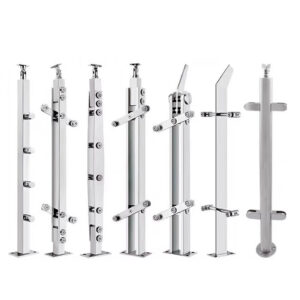
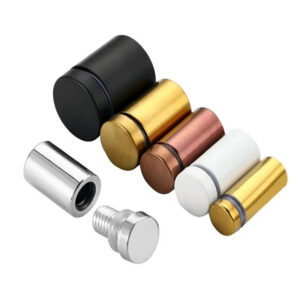
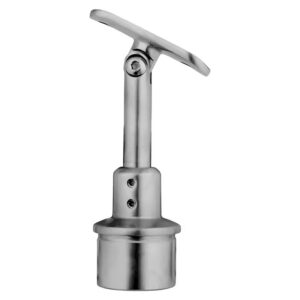
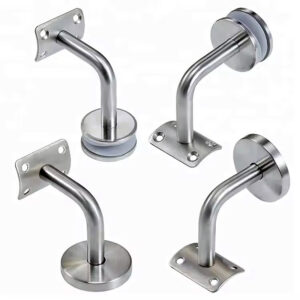
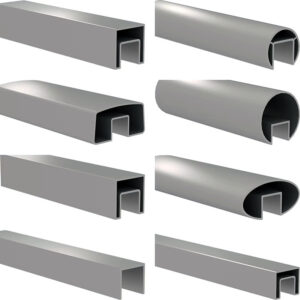
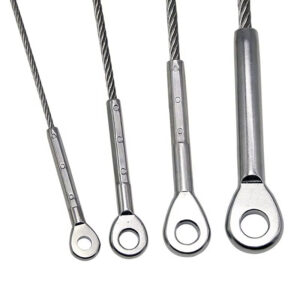
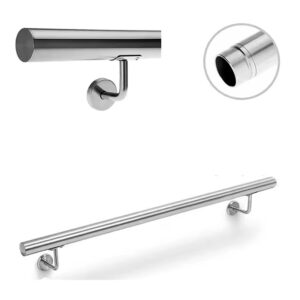
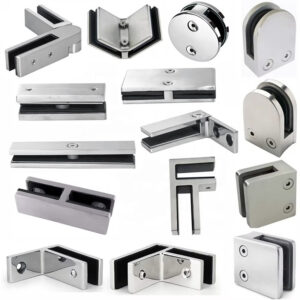
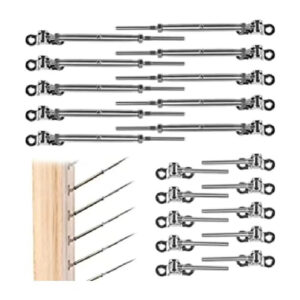
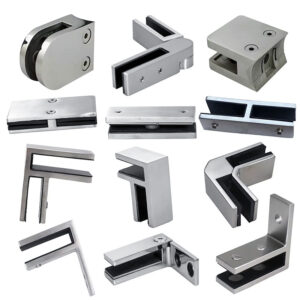
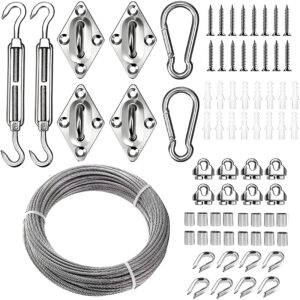
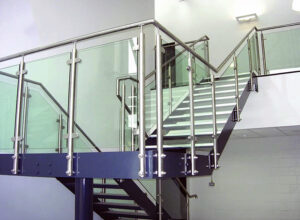
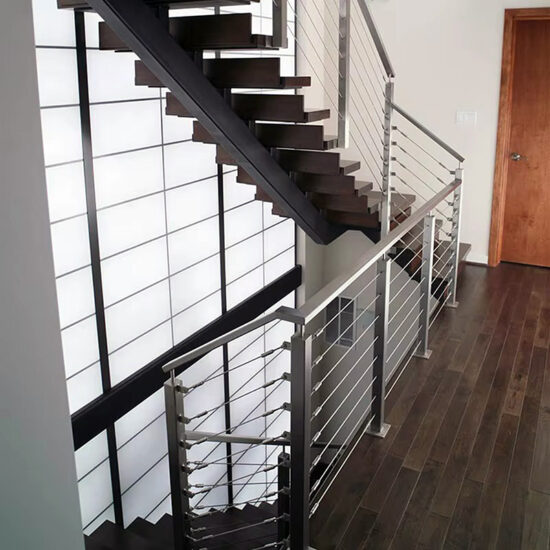
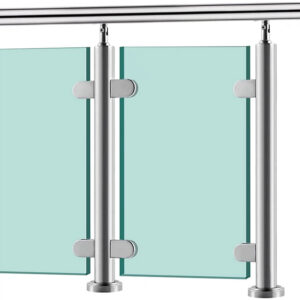
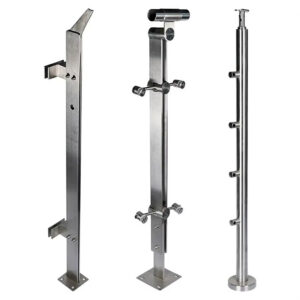
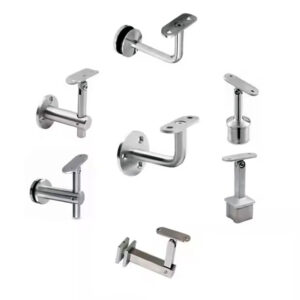
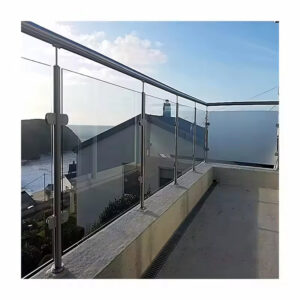
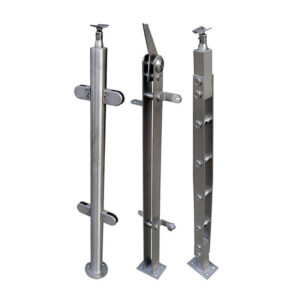
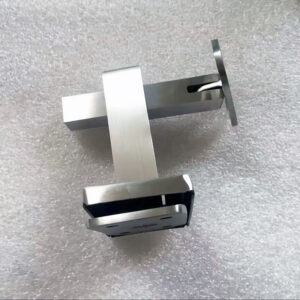
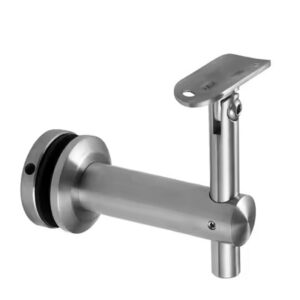
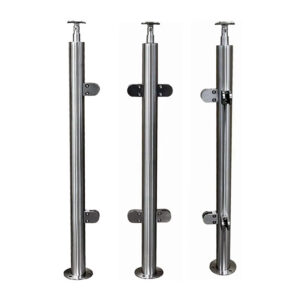
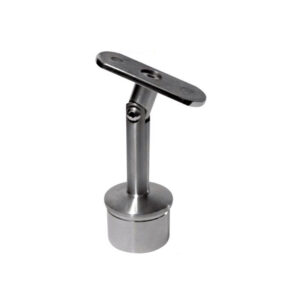
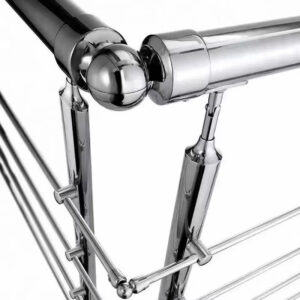
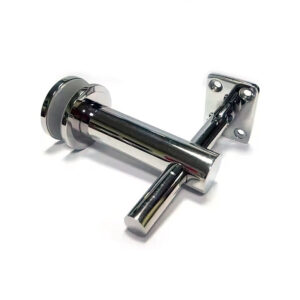
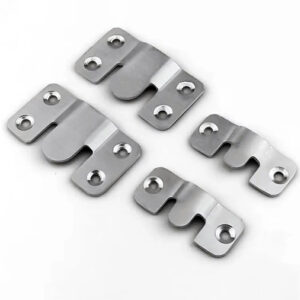
Ban disqualifying processes like black oxide finishing, which chemically converts the surface to iron oxide and guarantees rapid salt spray failure. For permanent marine infrastructure, specify high-performance stainless steel mounting brackets and hardware designed for these environments. Build resilience by requiring digital quality documentation and remote process validation tools, a necessity highlighted by post-pandemic audit limitations. This approach procures hardware with validated marine readiness, not just a paper certificate.
Effective marine hardware specification hinges on three decisions: selecting 316 stainless for chloride resistance, defining explicit salt spray criteria as a process audit, and mandating lot-based validation over generic certifications. This framework prioritizes proven performance over marketing claims, ensuring long-term reliability in aggressive environments.
Need professional-grade stainless steel solutions backed by rigorous testing protocols? Explore the technical specifications and validation data available from Esang. For specific application requirements, you can also Contact Us directly.
Frequently Asked Questions
Q: How do we set realistic salt spray test acceptance criteria for marine hardware?
A: Define a specific duration and a clear visual criterion, such as “no visible red rust” after 96 hours for general hardware or 240+ hours for critical components. These parameters assess surface integrity, not bulk alloy failure, and must be explicitly stated in your product specification. For projects where longevity is critical, avoid arbitrary thousand-hour demands and instead base your criteria on application-specific historical performance data.
Q: Why would high-grade 316 stainless steel fail a salt spray test quickly?
A: Rapid failure is typically caused by surface contamination, not the base alloy. Embedded “free iron” from machining or handling with carbon steel tools creates galvanic sites that rust in hours. This underscores that proper passivation per standards like ASTM A967 and contaminant-free fabrication are as critical as material selection. This means facilities must audit their supplier’s process control, not just validate material certificates.
Q: Is ASTM B117 the best test for predicting stainless steel performance in marine environments?
A: ASTM B117 is a useful quality audit tool but is not a definitive predictor for stainless steel service life. Industry experts note it was primarily developed for coated carbon steel, and humidity cycling tests often better simulate real-world atmospheric conditions. You should use it as one comparative tool within a broader validation protocol. For projects requiring high confidence, plan to supplement it with tests like the Ferroxyl test or natural exposure data.
Q: What supplementary tests should we require beyond basic salt spray for marine readiness?
A: Implement a multi-test protocol including the Ferroxyl Test (ASTM A967) to detect residual free iron and humidity cycling tests that better simulate atmospheric conditions. For the highest confidence, seek long-term data from natural exposure at marine test sites. If your operation requires validated long-term performance, you should shift vendor evaluation from material declarations to proof of investment in these broader corrosion validation capabilities.
Q: How can we prevent salt spray test failures caused by manufacturing processes?
A: Prevent failures by mandating strict process controls: require passivation per AMS 2700 or ASTM A967 and insist on lot-specific witness coupons from your supplier’s production run for validation testing. Ban processes like black oxide finishing that guarantee failure. This means you must move beyond certificate validation to physical audits and mandatory lot-based testing, even with accredited partners, to catch subtle process drift.
Q: What are the key differences between ASTM B117 and ISO 9227 for salt spray testing?
A: Both are accelerated comparative tools, with ASTM B117 defining a neutral 5% NaCl fog at 35°C. The comparable method in ISO 9227 is the Neutral Salt Spray (NSS) test. Crucially, neither provides a direct scientific correlation between test hours and years of service life. For global procurement, specify which standard you require and use the results to compare batches or processes against your own defined acceptance criteria.
Q: How should we create a practical procurement specification for marine stainless steel hardware?
A: Your specification must blend technical and procurement rigor: define the alloy grade (e.g., 316), mandate material certification, specify the exact test standard, duration, and acceptance criterion. Crucially, require evidence of process control like passivation and lot-specific witness coupons. This approach ensures you procure hardware with validated marine readiness. For supply chain resilience, build in requirements for digital quality verification to mitigate limitations in physical audits.