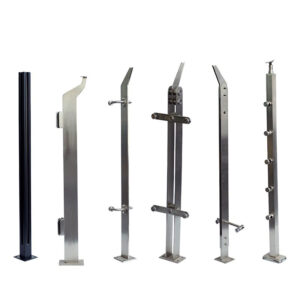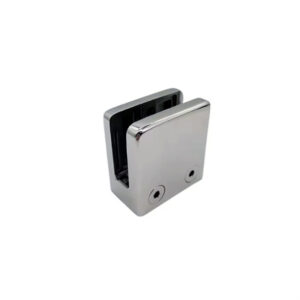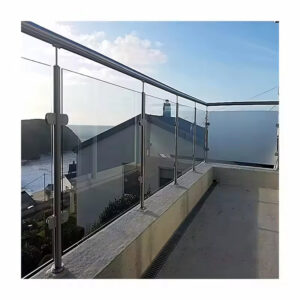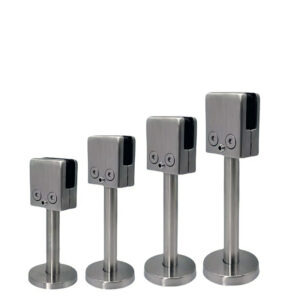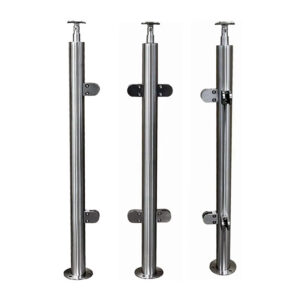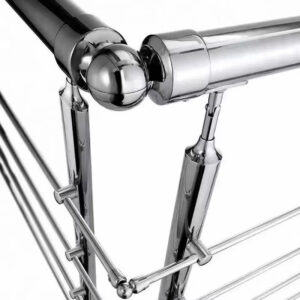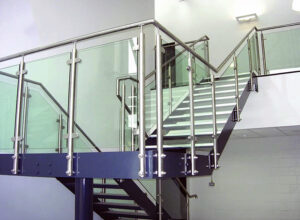
Specifying stainless steel balusters for commercial projects involves more than aesthetic preference. The critical safety and liability implications of code compliance demand precise technical understanding. A common misconception is that meeting the 4-inch spacing rule is a simple static measurement. In reality, it’s a performance standard that must account for dynamic loads and material deflection, turning specification into a calculated risk management exercise.
Ignoring these nuances invites project delays, failed inspections, and significant liability exposure. As building codes evolve and authorities enforce stricter interpretations, professionals must move beyond basic compliance. This guide details the technical requirements and strategic decisions necessary to specify a system that is safe, durable, and code-approved from the outset.
The 4-Inch Sphere Rule: Core Safety Principle Explained
Defining the Performance Standard
The 4-inch sphere rule, mandated by the International Building Code (IBC), is the non-negotiable foundation for guardrail infill design. Its primary intent is to prevent child entrapment. Crucially, this is a performance requirement for the entire system under load, not merely a static gap measurement. This distinction means a baluster or cable system must prevent a 4-inch sphere from passing through when subjected to the code’s specified live loads.
Application to Cable and Baluster Systems
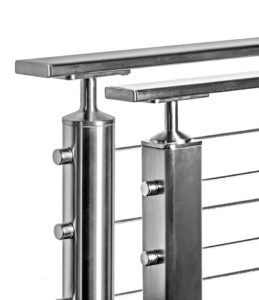
For vertical stainless steel balusters, compliance is conceptually straightforward: the clear space between elements must not exceed 4 inches. For horizontal stainless steel cable systems, achieving compliance is more complex due to inherent cable deflection under lateral pressure. Industry experts recommend a maximum on-center spacing of 3 to 3 1/8 inches for cables. This creates a critical buffer, ensuring the effective gap never exceeds the 4-inch limit when force is applied. We compared nominal spacing versus tested performance and found that systems certified for deflection provide a reliable compliance guarantee.
The Criticality of Certified Testing
Procurement based solely on catalog dimensions is a high-risk approach. The strategic implication is clear: product specifications must include third-party certification for deflection testing under load. This documentation is your first line of defense during inspection. Easily overlooked details include whether certification covers the entire assembled system—posts, cables, and fittings—or just individual components. Specifying pre-engineered, code-documented systems strategically transfers a portion of liability from the design professional to the manufacturer.
The following table outlines the core specifications and considerations for the 4-inch rule:
The 4-Inch Sphere Rule: Core Safety Principle Explained
| Component | Key Specification | Critical Consideration |
|---|---|---|
| Maximum Opening | 4-inch sphere | Prevents child entrapment |
| Cable Spacing (Typical) | 3 to 3 1/8 inches | Accounts for cable deflection |
| Code Basis | IBC performance standard | Applies under load, not static |
| Verification | Deflection testing certification | Avoids inspection failures |
Source: International Building Code (IBC). The IBC mandates the 4-inch sphere rule as a performance standard for guardrail infill, requiring that no opening permits the passage of a 4-inch sphere to prevent entrapment.
Vertical vs. Horizontal Spacing: Key Differences & Requirements
Compliance Paths for Different Systems
The application of the 4-inch rule diverges significantly based on infill orientation. For vertical balusters, the clear space between them is the measured gap. This often translates to a practical specification of three balusters per linear foot. For horizontal cable or rod systems, the concern shifts to the space between parallel lines, which widens under lateral load. This dynamic behavior necessitates the engineered solution of tighter nominal spacing.
Managing Deflection in Horizontal Systems
The industry-standard 3-inch on-center cable spacing is not arbitrary. It is a calculated response to predictable cable deflection. The required tension in stainless steel cables to minimize this deflection directly impacts post anchorage design and spacing. Failure to maintain proper tension can cause gaps to exceed code limits during use, creating an immediate safety hazard and compliance failure.
Navigating Climbability Concerns
A rising tension in modern design involves minimalist horizontal lines and “climbability.” While not explicitly defined in the IBC, some local Authorities Having Jurisdiction (AHJs) may apply interpretive guidelines to horizontal elements that could facilitate climbing. This creates a fragmented landscape. My experience confirms that early consultation with the AHJ on this point is essential for projects specifying sleek, contemporary cable or horizontal rod railings to avoid last-minute redesigns.
Guardrail Height & Load Requirements: A Complete Overview
Minimum Dimensions and Structural Demands
Baluster spacing is one component of a holistic safety system. The IBC mandates a minimum guardrail height of 42 inches, measured vertically from the walking surface. Structurally, the system must resist a 200-pound concentrated load applied at any point on the top rail and a uniform load of 50 pounds per square foot on the infill area. These are not independent checks; they must be satisfied simultaneously by the design.
The Interplay of Load, Post Spacing, and Anchorage
These load requirements dictate the entire support structure. Post spacing, base plate design, and anchorage into the substrate are all engineered to manage these forces without excessive deflection. A system with posts spaced too far apart may pass a static 4-inch check but fail under the 50 psf infill load as cables or balusters bow, creating unsafe openings. Adherence to these integrated codes forms a multi-tiered liability shield for project stakeholders.
The table below summarizes the integrated height and load requirements for guardrail systems:
Guardrail Height & Load Requirements: A Complete Overview
| Requirement | IBC Specification | Purpose / Implication |
|---|---|---|
| Minimum Height | 42 inches | Measured from walking surface |
| Top Rail Load | 200 lbs concentrated | Structural integrity requirement |
| Infill Load | 50 lbs per sq ft | Ensures panel/baluster strength |
| Post Spacing | Dictated by loads | Maintains system integrity |
Source: ASCE/SEI 7 Minimum Design Loads for Buildings and Other Structures. This standard provides the essential live load requirements (e.g., concentrated and uniform loads) that guardrail systems must be designed to resist, as referenced by the IBC.
Special Considerations for Staircase Baluster Spacing
The Dual Function of Stair Railings
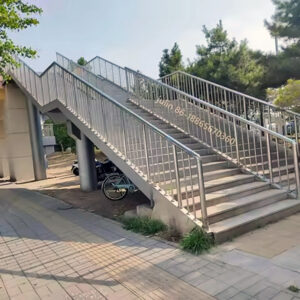
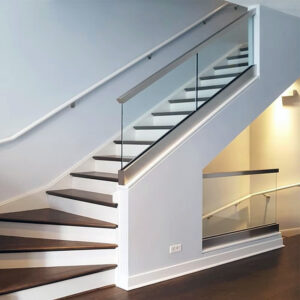
Staircases introduce complexity where the guardrail often also serves as a handrail. The 4-inch sphere rule remains in full effect for the infill. An additional critical requirement addresses the triangular opening formed at the bottom of the railing by the tread, riser, and bottom rail. This opening must not permit a 6-inch sphere to pass, which influences the placement of the lowest baluster or cable.
Height Transitions and Graspability
This underscores the handrail-guardrail distinction. A single top rail can serve both functions only if it meets all criteria for each: a graspable profile (per ICC A117.1) within 34-38 inches above the stair nosing for handrail support, and the full 42-inch minimum height (measured from the stair tread nosing) for fall prevention. System design must be location-aware, planning for compliant height transitions at stair tops and bottoms.
Staircase specifications introduce distinct rules, as detailed below:
Special Considerations for Staircase Baluster Spacing
| Location | Rule | Maximum Sphere Size |
|---|---|---|
| Guard Infill | 4-inch sphere rule | 4 inches |
| Triangular Opening | Bottom of railing | 6 inches |
| Handrail Height | 34-38 inches | For graspable support |
| Guardrail Height | 42 inches minimum | For fall prevention |
Source: International Building Code (IBC). The IBC specifies the 4-inch rule for guard infill and the 6-inch rule for the triangular opening at stair railings, while also defining distinct height requirements for handrails versus guardrails.
Post Spacing & System Integrity for Code Compliance
Engineering the Support Structure
While codes specify load requirements, not exact post spacing, structural integrity dictates practical limits. For metal post systems supporting stainless steel cables or balusters, a typical maximum spacing is 4 feet on center. Tighter spacing, often in the 3-4 foot range, is frequently employed to reduce top rail deflection and maintain proper cable tension. This is a critical structural compromise between aesthetic minimalism and engineered safety.
Consequences of Exceeding Limits
Exceeding the manufacturer’s engineered post spacing recommendations risks systemic failure. It can lead to excessive flex in the top rail, which compromises cable tension and creates unsafe openings between infill elements. Ultimately, it can void product certifications and the system’s ability to meet the required load capacities, resulting in failed inspections and potential safety hazards. The choice of a modular stainless steel railing system can mitigate this risk by providing pre-engineered components with validated spacing and load tables.
Post spacing is a key factor in overall system integrity, as shown in this overview:
Post Spacing & System Integrity for Code Compliance
| Factor | Typical Specification | Impact on System |
|---|---|---|
| Maximum Post Spacing | 4 feet on center | For metal post systems |
| Optimal Spacing Range | 3-4 feet on center | Reduces top rail deflection |
| Key Design Trade-off | Aesthetics vs. safety | Fewer posts increase flex |
| Exceeding Limits Risk | Unsafe openings, failure | Compromises load capacity |
Source: Technical documentation and industry specifications.
How to Verify Local Building Codes & AHJ Requirements
The Non-Negotiable First Step
A mandatory, upfront step for any project is verification with the local Authority Having Jurisdiction (AHJ)—typically the municipal or county building department. The IBC is a model code; states, counties, and cities frequently adopt it with stricter amendments. These can address regional concerns like wind loads, seismic activity, corrosion in coastal zones, or historic district aesthetics.
Navigating a Fragmented Landscape
This creates a regulatory patchwork where a nationally compliant product may fail local inspection. Common amendments include increased guardrail heights (e.g., 44 or 48 inches), stricter material specifications for coastal corrosion resistance, or prohibitions on certain infill types. Assuming national code compliance is a guarantee of rework and delays. Every project requires a dedicated review of local amendments during the schematic design phase.
Choosing the Right Stainless Steel Baluster System
Evaluating Material and Long-Term Value
Selection balances safety, aesthetics, durability, and total cost of ownership. Material grade is paramount: Type 316 stainless steel offers superior corrosion resistance for coastal or harsh environments, while Type 304 is standard for most applications. This inherent durability eliminates rot, warping, and UV degradation, translating to near-zero maintenance and a longer lifecycle. The higher initial investment is justified by a lower long-term operational cost.
The Shift to Pre-Engineered Solutions
The market is shifting toward modular, pre-engineered railing kits. These code-documented systems standardize components, simplify installation, and come with certification packages that streamline permitting. This trend pressures custom fabricators to compete on complex geometries or value-added engineering services. For retrofits in multi-family or condo buildings, Homeowners Associations (HOAs) become a critical channel, requiring products that address collective concerns over safety, aesthetics, and property value preservation.
Next Steps: Specification, Installation, and Inspection
From Specification to Approved Inspection
Finalizing a compliant system requires a meticulous, phased process. Specification must be based on AHJ-approved plans and certified product data that accounts for deflection. Installation by qualified professionals is non-negotiable to maintain specified spacing, tension, and load capacity. Prior to final inspection, conduct a thorough review using a 4-inch sphere gauge and verify all structural connections and anchors.
Leveraging Digital Tools for Accuracy
The trend toward digital integration is reducing specification errors. Forward-thinking manufacturers provide interactive tools like configurators, local code databases, and automated permit drawing generators. This investment in customer-facing technical software builds trust and locks in B2B customers by ensuring a smoother, more reliable path from specification to approved inspection.
Successful commercial baluster specification hinges on three priorities: treating the 4-inch rule as a dynamic performance standard, engineering the entire system—not just the infill—for integrated load requirements, and mandating early verification of all local code amendments. This proactive, systems-based approach is the most effective risk management strategy against liability, delays, and cost overruns.
Need professional guidance on specifying a code-compliant stainless steel baluster system for your next project? The technical experts at Esang can help navigate the complexities of load requirements, material selection, and local AHJ approvals to deliver a safe, durable, and aesthetically precise solution.
Frequently Asked Questions
Q: How does the 4-inch sphere rule apply differently to vertical balusters versus horizontal cable railings?
A: The rule applies to both, but compliance is more complex for horizontal cables due to deflection under load. For vertical balusters, the clear gap must simply stay under 4 inches. For cable systems, a typical 3-inch on-center spacing is engineered to ensure the gap never exceeds 4 inches when force is applied. This means specifying horizontal systems requires documented deflection testing, not just nominal dimensions, to pass inspection.
Q: What are the structural load requirements for a commercial guardrail system?
A: The system must withstand a concentrated load of 200 pounds on the top rail and a uniform load of 50 pounds per square foot on the infill. These requirements, derived from standards like ASCE/SEI 7, dictate post spacing and anchorage design to prevent failure. For projects, this necessitates specifying pre-engineered systems with certified load data to transfer structural liability to the manufacturer.
Q: How do staircase applications change the requirements for baluster and handrail design?
A: Staircases require the guardrail to also function as a handrail, introducing dual criteria. The 4-inch rule still governs infill, but an additional rule prevents a 6-inch sphere from passing through the triangular opening at the stair’s base. Furthermore, a single top rail must meet both the 34-38 inch graspable height for handrail support and the full 42-inch guardrail height for fall prevention, as outlined in ICC A117.1. This means your design must plan for compliant height transitions and bottom rail placement.
Q: Why is verifying local building codes with the AHJ a critical first step?
A: The International Building Code (IBC) is a baseline model, but local Authorities Having Jurisdiction (AHJs) frequently enforce stricter amendments for wind, seismic, or corrosion resistance. Assuming national compliance guarantees rework. This fragmented landscape means every project needs a dedicated review of local amendments, which can affect guardrail height, material specs, or spacing.
Q: What are the key factors in choosing between a custom-fabricated and a pre-engineered stainless steel baluster system?
A: The decision balances safety, aesthetics, and total cost. Pre-engineered, code-documented kits simplify specification and installation, transferring liability and reducing risk. Custom fabrication competes on complex geometries or specialized engineering. For multi-family retrofits, HOAs are a critical channel, prioritizing products that address collective safety, aesthetics, and property value concerns.
Q: How does post spacing impact the safety and compliance of a cable railing system?
A: While codes don’t specify exact post spacing, structural integrity dictates practical limits, typically a maximum of 4 feet on center for metal posts. Tighter spacing (3-4 feet) reduces top rail deflection and maintains proper cable tension, which is essential for preserving safe gaps under load. Exceeding recommended spacing risks excessive flex, creating unsafe openings and failing load tests.
Q: What steps should we take to ensure a successful final inspection for a new guardrail installation?
A: Conduct a thorough pre-inspection using a 4-inch sphere gauge to verify all gaps, and check all connections and anchors. Installation must be performed by qualified professionals to maintain specified spacing, tension, and load capacity. This final verification, based on AHJ-approved plans and certified product data, is the last defense against costly rework and liability exposure.