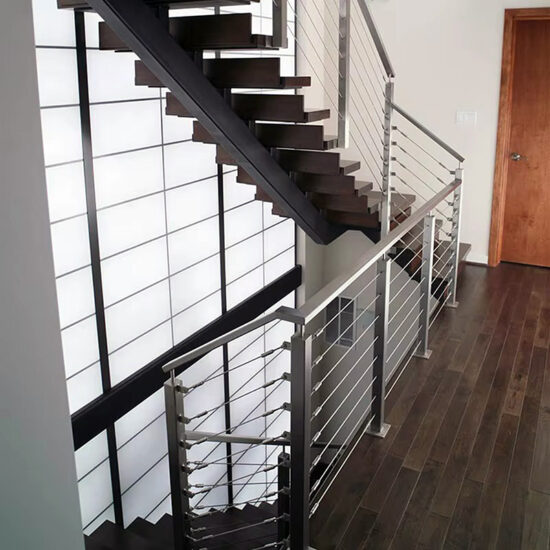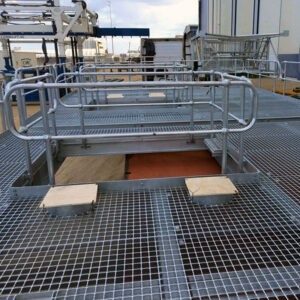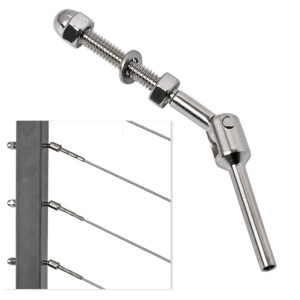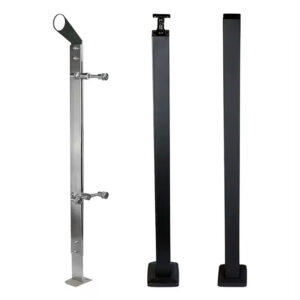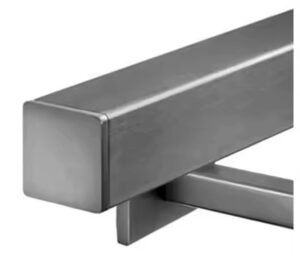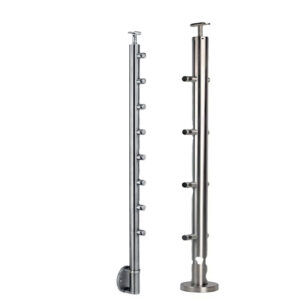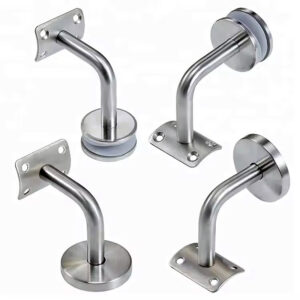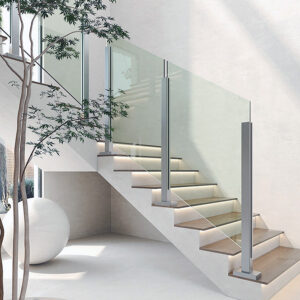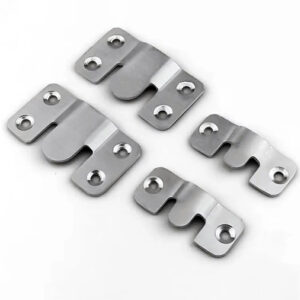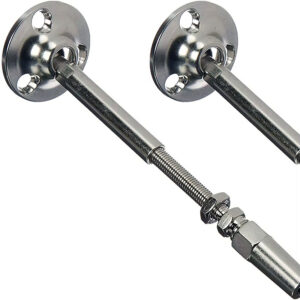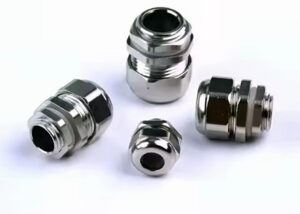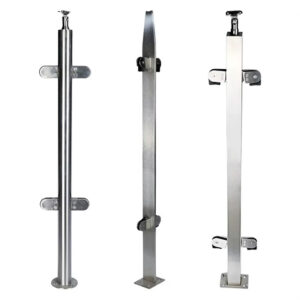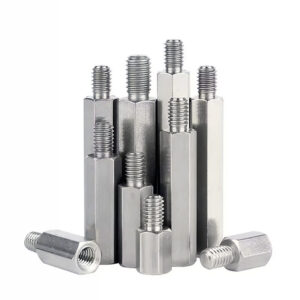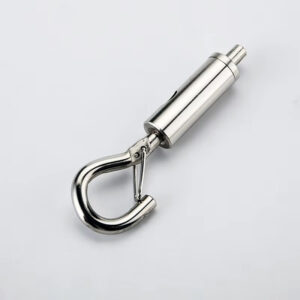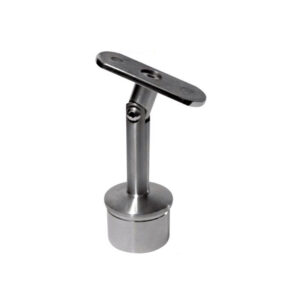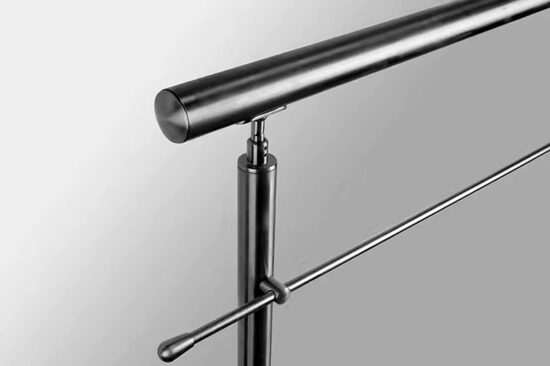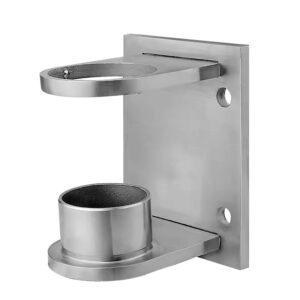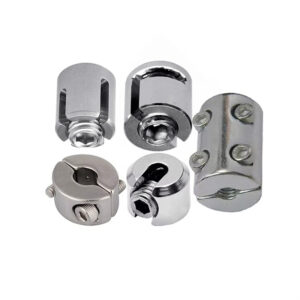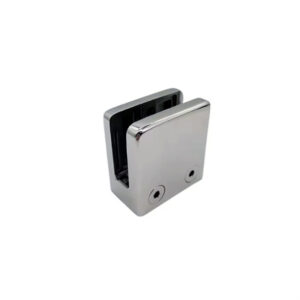
Selecting the right stainless steel staircase banister system is a critical architectural and budgetary decision. The choice between prefabricated and custom-fabricated systems presents a fundamental trade-off between speed, cost, and design freedom. Professionals often face pressure to default to custom for perceived quality or to choose prefabricated for pure cost savings, potentially overlooking the total project impact.
This analysis is essential now as construction timelines compress and skilled labor becomes scarce. The decision directly influences project risk, compliance liability, and long-term asset value. Understanding the nuanced differences between standardized solutions and bespoke fabrication is key to specifying the optimal system for each unique project.
Prefabricated vs Custom Banisters: Core Differences Defined
The Fundamental Manufacturing Approach
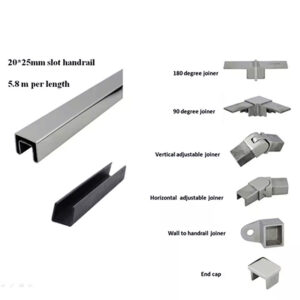
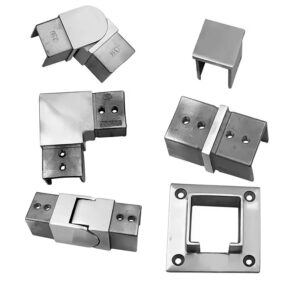
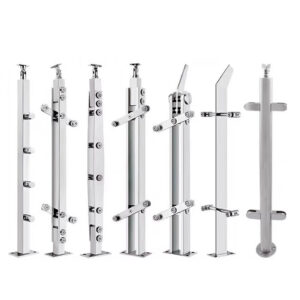
The core distinction lies in the production methodology. Prefabricated systems are engineered and manufactured off-site in controlled factory conditions as standardized modules or kits. This process prioritizes repeatability and rapid on-site assembly. Custom fabrication involves tailored engineering, one-off manufacturing, and significant on-site craftsmanship to meet specific architectural visions or complex spatial requirements.
Evolving Market Segments and Provider Models
The market is segmenting beyond a simple binary choice. Manufacturers now offer distinct models: complete railing solutions backed by design consultation for seamless integration, or standardized component kits aimed at cost-conscious projects where professionals handle configuration. Selecting the right partner depends on the need for integrated project support versus a focus on component cost. Industry experts recommend evaluating a fabricator’s capability to provide a single point of accountability, especially for projects where design and structural integration are critical.
The Impact on Project Workflow
This foundational choice dictates the entire project workflow. Prefabrication decouples fabrication from the main construction schedule, allowing concurrent progress. Custom fabrication ties the timeline to a sequential process of design, shop drawing approval, fabrication, and on-site fitment. The latter introduces more variables, particularly the reliance on subcontractor welding quality, which can become a critical path risk.
Cost Comparison: Upfront Investment vs Long-Term Value
Analyzing Initial Capital Outlay
Prefabricated systems typically present a lower initial purchase price. This advantage stems from standardized production runs, amortized engineering costs, and reduced skilled labor requirements during installation. For projects adhering to common configurations, the upfront savings are clear and predictable. Custom fabrication commands a premium, reflecting dedicated design resources, unique material processing, and artisanal craftsmanship.
Understanding Total Project Cost
The true financial picture extends beyond the line item for the railing itself. Prefabrication’s value is in eliminating the hidden costs of developing and testing a unique design from scratch. Its predictable installation minimizes costly on-site labor overruns. For custom work, the higher investment is justified by perfect integration with complex architecture and the potential to significantly enhance property value through a distinctive design statement.
Evaluating Long-Term Ownership Economics
Total Cost of Ownership (TCO) analysis is crucial. Both approaches benefit from stainless steel’s durability, but the initial specification is paramount. A prefabricated system using the correct grade for its environment will have a lower lifecycle cost than a custom system using an inappropriate material. We compared project data and found that the higher upfront cost of quality custom fabrication is often offset by its permanence and contribution to long-term asset value, making it a capital investment rather than an expense.
The following table breaks down the key cost factors for each approach:
| Cost Factor | Prefabricated System | Custom Fabrication |
|---|---|---|
| Initial Cost | Lower upfront investment | Higher price |
| Engineering Cost | Amortized R&D across projects | Dedicated, one-off design |
| Long-Term Value | Predictable total project cost | Enhances property value |
| Material Durability | Stainless steel minimizes maintenance | Stainless steel for longevity |
Source: Technical documentation and industry specifications.
Lead Time Analysis: Speed vs Scheduling Flexibility
Predictability Versus Customization Time
Project scheduling is a major differentiator. Prefabricated systems offer a shorter, more predictable lead time because design and engineering are pre-completed. Fabrication can occur in parallel with other construction phases, and installation is designed for speed using bolted or welded connections. Custom fabrication requires an extended, less predictable timeline dedicated to design iteration, engineering, and sequential shop fabrication.
The On-Site Variable and Risk
The most significant schedule risk in custom work arises from on-site activities. Reliance on subcontractor welding introduces variable quality control and potential safety hazards, directly leading to unpredictable delays and budget overruns due to rework. Prefabrication de-risks the schedule by transferring the majority of quality-sensitive work to a controlled factory setting. This controlled environment ensures consistency and allows for pre-shipment inspection.
Strategic Timeline Management
For timeline-critical projects, prefabrication provides a strategic advantage. The rapid installation minimizes disruption to other trades and accelerates project closeout. Custom fabrication requires earlier engagement in the design phase and more rigorous schedule buffering to account for fabrication and on-site variables. Easily overlooked details include permitting time; prefabricated systems often streamline this process with pre-approved engineering calculations.
This timeline analysis highlights the phase-by-phase differences:
| Timeline Phase | Prefabricated System | Custom Fabrication |
|---|---|---|
| Design & Engineering | Pre-completed, concurrent | Extended, less predictable |
| Fabrication | Controlled factory setting | Dedicated shop fabrication |
| Installation | Rapid, designed connections | On-site welding variables |
| Schedule Risk | De-risked, predictable | Unpredictable delays likely |
Source: Technical documentation and industry specifications.
Design Flexibility: Standardized Kits vs Unlimited Customization
The Spectrum of Aesthetic Choice
This is the core philosophical divide. Prefabricated systems operate within a defined catalog of styles, profiles, and standard connection details, excelling at delivering consistent, modern aesthetics with high repeatability. Custom fabrication offers essentially unlimited freedom for unique statements, complex geometries, and personalized details, serving as a focal architectural element.
The Rise of Configurable Hybrid Solutions
The line between the two is blurring. A hybrid “custom-configured” model uses prefabricated kits that are adaptable in length, height, and layout (L-shaped, angled). This approach solves many unique spatial challenges without the lead time of full bespoke work. Furthermore, material efficiency plays a role; stainless steel’s superior strength allows for more slender, elegant profiles compared to aluminum, expanding design possibilities even within prefabricated systems.
Matching Design Intent with Method
The choice must align with project vision. For signature staircases in luxury or historic settings, full custom fabrication is non-negotiable. For most commercial or multi-unit residential projects where design cohesion and efficiency are priorities, prefabricated or configurable systems are often ideal. The emerging frontier is data-driven customization, where manufacturers use configurator data to optimize inventory for trending custom looks, further bridging the gap.
Which Is Better for Complex or Non-Standard Staircases?
Defining “Complex” Versus “Non-Standard”
Not all deviations from a straight run require full custom work. Truly complex installations—featuring tight radii, compound curves, or intricate artistic metalwork—necessitate bespoke fabrication. This is the only path for matching ornate historical details or creating a sculptural centerpiece. However, many “non-standard” layouts simply involve angles or landings that can be effectively addressed by customizable prefabricated kits.
The Value of an Integrated Fabricator
For the most challenging projects, the choice of fabricator is as important as the method. An integrated design-build fabricator, combining in-house engineering and fabrication, offers a single point of accountability. This model pressures traditional contractors who must manage separate design, fabrication, and installation subcontractors, a process prone to coordination errors and finger-pointing.
Future-Proofing with Adaptable Systems
Consider future modifications or repairs. Prefabricated systems with standardized components can be more easily modified or extended later. A fully welded custom railing is a permanent installation; changes are difficult and costly. This long-term adaptability is a strategic advantage for buildings that may undergo future tenant improvements or layout changes.
Key Technical & Compliance Considerations for Both
Material Specification as a Corrosion Strategy
Stainless steel is preferred, but grade selection is a critical technical decision with long-term implications. While Grade 304 (ASTM A480/A480M) is standard for most interiors, Grade 316 is explicitly recommended for coastal or high-salinity environments. Specifying the correct grade from the outset is a fundamental corrosion mitigation strategy, not an optional upgrade.
Navigating Code Compliance and Liability
Compliance with building codes for height, baluster spacing, and load capacity is non-negotiable. Here, prefabricated systems provide a distinct advantage: compliance is a built-in, pre-tested feature of the engineered system. Manufacturer documentation and engineering stamps streamline permitting. For custom work, ensuring code adherence becomes the responsibility and liability of the architect and fabricator, transferring significant professional risk.
The Critical Role of Post-Fabrication Processing
A frequently overlooked detail is the post-fabrication treatment. Proper passivation per ASTM A967 is essential to remove free iron and contaminants from the stainless steel surface, restoring its full corrosion resistance after welding or machining. This step is crucial for both prefabricated and custom railings to ensure long-term performance and aesthetic integrity.
This table outlines the core technical and compliance factors:
| Consideration | Prefabricated System | Custom Fabrication |
|---|---|---|
| Material Grade (Standard) | Grade 304 common | Grade 304 common |
| Material Grade (Coastal) | Grade 316 recommended | Grade 316 recommended |
| Code Compliance | Built-in, pre-tested feature | Architect/fabricator responsibility |
| Professional Liability | Manufacturer guidance streamlines permitting | Transfers significant liability |
Source: ASTM A480/A480M Standard Specification for General Requirements for Flat-Rolled Stainless and Heat-Resisting Steel Plate, Sheet, and Strip. This standard governs the quality and specification of the base stainless steel material (e.g., Grades 304, 316) used for railing components, ensuring material consistency and performance for both fabrication methods.
Maintenance, Durability & Total Cost of Ownership
Inherent Advantages of Stainless Steel
Both fabrication methods benefit from stainless steel’s core properties: high strength, excellent corrosion resistance, and minimal maintenance requirements. The Total Cost of Ownership (TCO) for a railing system extends decades beyond installation. A correctly specified stainless steel system, whether prefab or custom, should offer decades of service with only occasional cleaning.
The Craftsmanship Quality Imperative
For custom fabrication, long-term durability is directly tied to the quality of craftsmanship. Precision welding, proper fit-up, and meticulous finishing are not aesthetic luxuries; they are durability requirements. Poor welds or inadequate surface preparation become sites for potential corrosion, increasing future maintenance costs and undermining the investment in premium materials.
Justifying Investment Through Lifecycle Analysis
The higher initial cost of quality custom work is justified by its permanence and role as a capital improvement that enhances property value. For prefabricated systems, the strong TCO business case is built on predictable performance, reduced risk of failure, and lower lifetime maintenance. The critical factor for both is correct initial specification—selecting the right material grade and finish for the environment.
Ownership costs are compared in the following analysis:
| Ownership Factor | Prefabricated System | Custom Fabrication |
|---|---|---|
| Material Durability | Stainless steel longevity | Stainless steel permanence |
| Critical TCO Factor | Correct initial material specification | Quality of craftsmanship |
| Maintenance Needs | Minimal upkeep | Impacts long-term durability |
| Justification for Cost | Strong business case | Higher investment for value |
Note: Proper passivation per ASTM A967 is critical for long-term corrosion resistance for both systems.
Source: ASTM A967 Standard Specification for Chemical Passivation Treatments for Stainless Steel Parts. This standard specifies critical post-fabrication passivation treatments to remove contaminants and enhance the corrosion resistance of stainless steel, directly impacting the long-term maintenance and durability of both prefabricated and custom railings.
Decision Framework: How to Choose the Right System
A Four-Step Evaluation Process
Selecting the optimal system requires a structured evaluation of project-specific drivers. First, assess design needs: is the railing a functional component or an architectural centerpiece? Second, analyze hard constraints: what are the immutable limits for budget and schedule? Third, evaluate risk: who bears liability for code compliance, and what are the environmental corrosion factors? Fourth, consider long-term value: is the project focused on first cost or lifecycle cost and asset enhancement?
Aligning Method with Project Type
For standard or moderately adaptable layouts in commercial, multi-family, or healthcare settings, prefabricated or configurable systems typically offer the strongest combination of value, speed, and risk reduction. For unique private residences, landmark buildings, or historic renovations where design is paramount, custom fabrication is the necessary and valuable path.
Partner Selection as a Critical Success Factor
The chosen method dictates the required partner profile. For prefabricated solutions, seek manufacturers with strong technical support and a proven track record in your project type. For custom work, prioritize integrated fabricators with in-house engineering and a portfolio demonstrating craftsmanship on similar complex installations. The industry trend is clear: prefabrication adoption will accelerate due to skilled labor shortages, making true bespoke metalwork a premium service.
The decision between prefabricated and custom stainless steel banisters hinges on balancing design intent, project constraints, and total value. Prioritize prefabricated systems for predictable outcomes on standard configurations, and reserve custom fabrication for projects where unique design justifies the investment in time and cost. The correct choice minimizes project risk while delivering a railing that meets aesthetic, functional, and financial goals.
Need a professional solution tailored to your specific staircase requirements? Explore engineered railing systems and consult with technical experts at Esang. For direct inquiries regarding your project specifications, you can also Contact Us.
Frequently Asked Questions
Q: How do prefabricated stainless steel railings manage code compliance differently than custom ones?
A: Prefabricated systems are engineered and pre-tested to meet building codes for height, spacing, and load, with manufacturer documentation that streamlines permitting. Custom fabrication places full compliance responsibility and associated liability on the project’s architect and fabricator. This means selecting a pre-engineered system is a strategic choice for risk reduction on most projects, while custom work requires explicit verification of code adherence in the design and fabrication contract.
Q: What is the critical material specification for stainless steel railings in coastal environments?
A: You must specify Grade 316 stainless steel for coastal or high-salinity settings due to its superior resistance to chloride-induced corrosion. Grade 304 is common for standard interior applications but is insufficient for harsh marine atmospheres. This corrosion mitigation strategy is essential for total cost of ownership, as using the correct grade from the outset prevents premature degradation and costly repairs, a principle supported by material standards like ASTM A480/A480M.
Q: For a complex, curved staircase, is custom fabrication the only viable option?
A: Full custom fabrication is necessary for truly complex geometries, intricate details, or historical replication. However, many non-standard layouts like angled runs can be addressed by customizable prefabricated kits that offer configurable lengths and connections. If your project is a unique architectural centerpiece, plan for the extended timeline and skilled craftsmanship of bespoke work; for moderately adaptable layouts, explore hybrid “custom-configured” kits for efficiency.
Q: How does the post-fabrication process impact the long-term durability of stainless steel railings?
A: Proper chemical passivation is critical to remove free iron and contaminants from the steel surface, which maximizes corrosion resistance and prevents surface staining. This process should conform to established industry standards to ensure effectiveness. Neglecting proper passivation compromises the material’s inherent durability, meaning you should verify that your fabricator, whether prefab or custom, follows protocols like those in ASTM A967.
Q: When does the total cost of ownership justify the higher upfront investment in custom fabrication?
A: The higher initial cost is justified when the railing is a unique design element that enhances property value or is essential for a perfect fit in a complex architectural space. The investment is also validated by the permanence of quality craftsmanship and correct material specification. For projects where design uniqueness is not a priority, prefabrication typically offers a stronger business case by controlling total project cost and schedule risk.
Q: How does on-site welding for custom installations introduce project risk?
A: On-site welding relies on subcontractor skill, creating variable quality control and potential safety issues that often lead to unpredictable delays and budget overruns from rework. This contrasts with the controlled factory environment of prefabrication. For projects with tight schedules, this means prefabricated systems with designed mechanical connections offer a de-risked installation path by minimizing skilled on-site labor and its associated variables.
Q: What key factors should we evaluate first when choosing between prefabricated and custom banisters?
A: First, assess if the design requires a unique architectural statement or can use a standard or configurable kit. Second, analyze if predictable speed and cost are critical or if the timeline allows for a bespoke process. Finally, determine who will bear liability for code compliance and if the environment dictates a specific material grade. For most non-unique applications, prefabrication presents the strongest case when evaluating total project cost and risk.