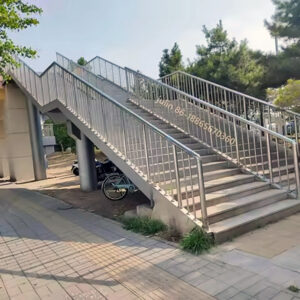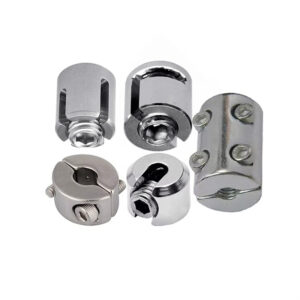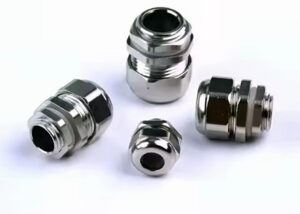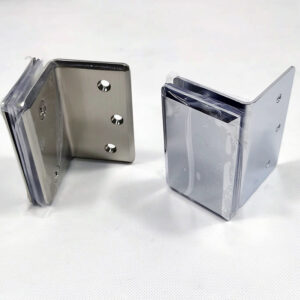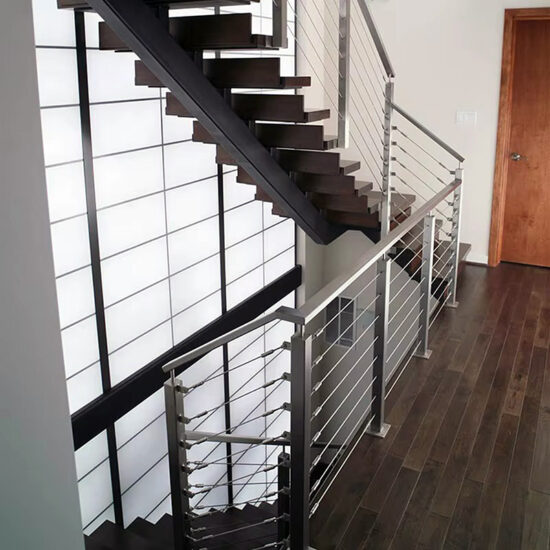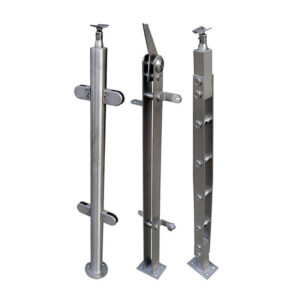
For architects, the choice between frameless and post-mounted stainless steel glass railing systems is a foundational design decision with cascading implications for budget, safety, and aesthetics. The core challenge lies in moving beyond a simple visual preference to a technical specification that aligns with project typology, code requirements, and installation realities. Misconceptions often center on cost, where initial hardware prices overshadow total installed value, and on safety, where the perceived fragility of frameless systems contradicts their engineered performance.
This specification demands attention at the schematic design phase. The mounting hardware selected locks in the project’s structural strategy and aesthetic language, making early, informed comparison critical to avoid costly redesigns or compliance issues. The decision framework must balance aspirational design with the pragmatic constraints of engineering, local codes, and builder expertise.
Frameless vs. Post-Mounted: Defining the Core Difference
The Hardware Dictates the Form
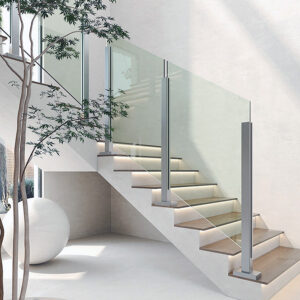
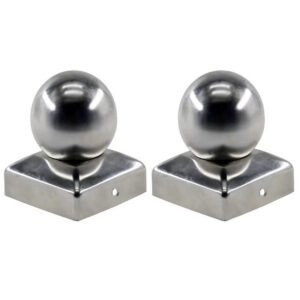
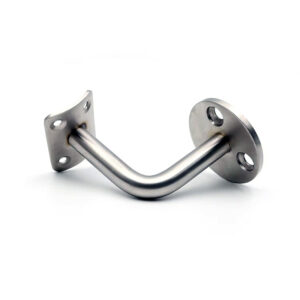
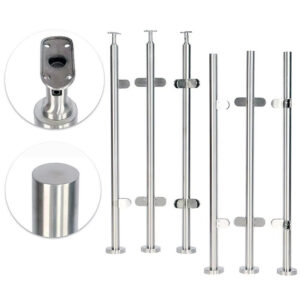
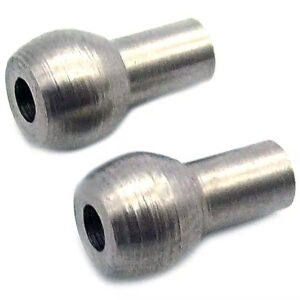
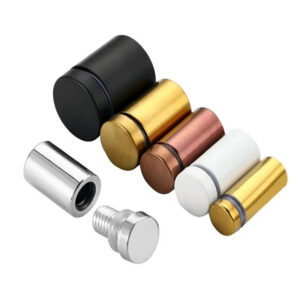
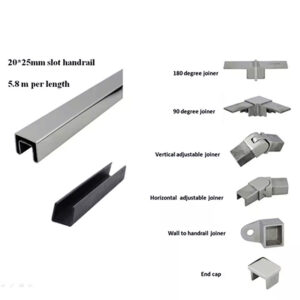
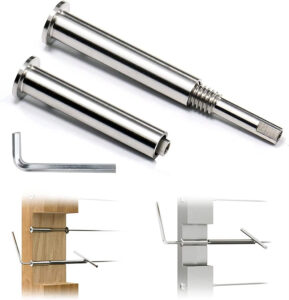
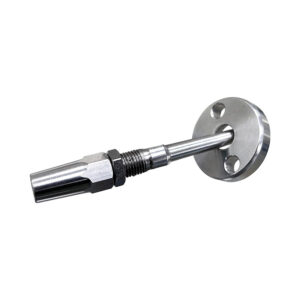
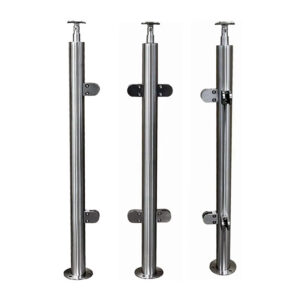
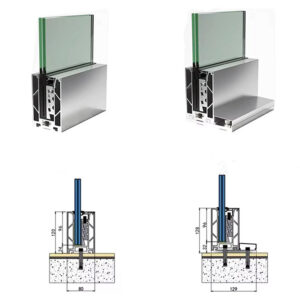
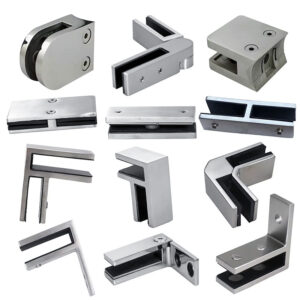
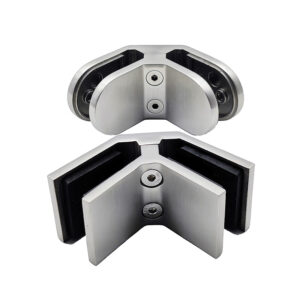
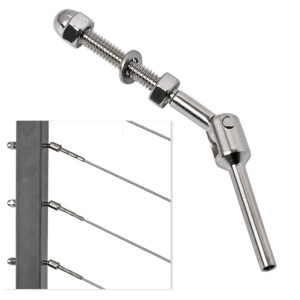
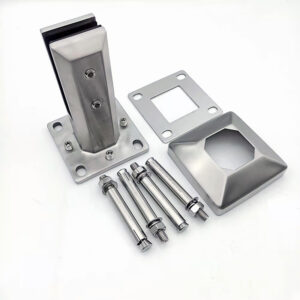
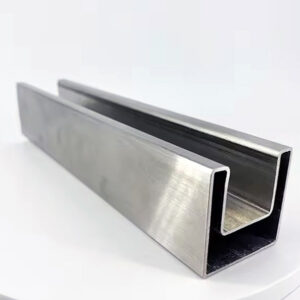
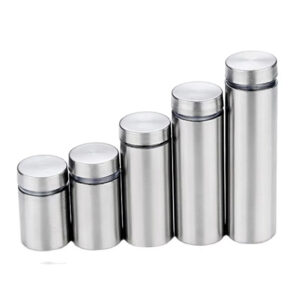
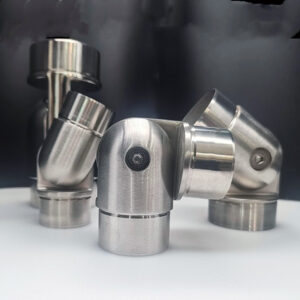
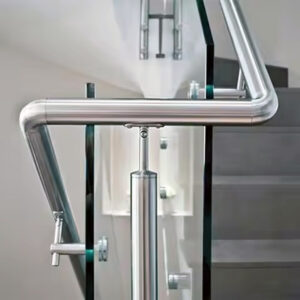
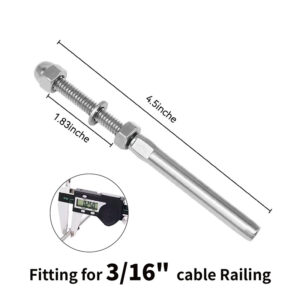
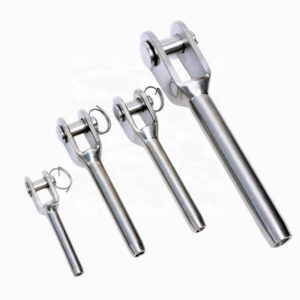
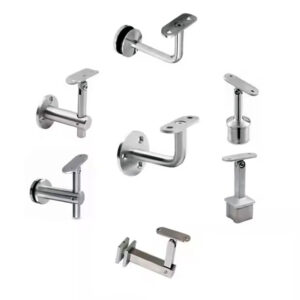
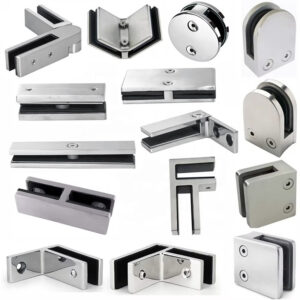
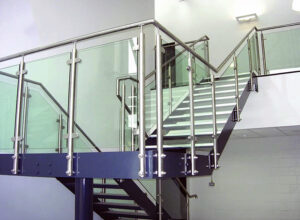
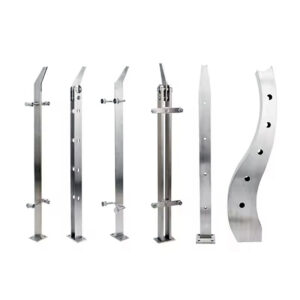
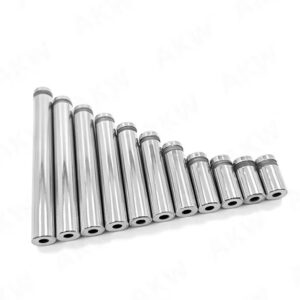
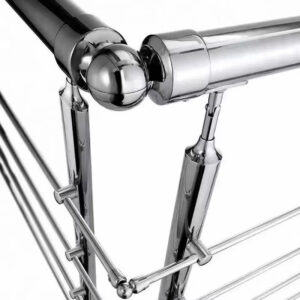
The fundamental distinction is not merely visual but structural, rooted in the hardware. Frameless systems employ discrete fittings—spigots, standoff pins, or side-mount brackets—to secure glass panels, creating a minimalist plane. Post-mounted systems use structural posts anchored to the substrate, with glass secured in channels or via clamps, establishing a rhythmic, articulated expression. This hardware choice is the primary design decision, determining the mounting approach and visual outcome from the outset.
Substrate Dictates Frameless Sub-Types
“Frameless” is not a monolithic solution. The mounting substrate dictates which of three primary sub-types is feasible. Spigot mounts require a solid deck for core drilling. Side-mount brackets attach to a vertical fascia or wall. Fascia-mount systems are designed for specific ledge conditions. Each delivers a distinct visual profile and has unique installation requirements. Selecting the wrong sub-type for the substrate is a common, costly specification error that compromises both aesthetics and structural integrity.
The Aesthetic Language is Locked Early
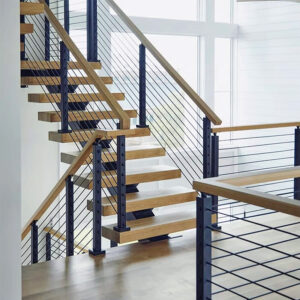
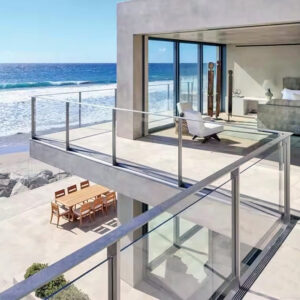
This early hardware decision effectively locks the project’s aesthetic language. A frameless system prioritizes view preservation and a seamless, contemporary feel, treating the railing as a transparent barrier. A post-mounted system embraces structural expression, using posts to define rhythm and scale. There is no easy conversion from one to the other post-design. In my experience reviewing shop drawings, attempting to switch systems after design development almost always triggers significant structural recalculation and detail revisions.
Cost Comparison: Initial Investment vs. Long-Term Value
Understanding the True Cost Drivers
Initial cost comparisons typically favor post-mounted systems due to less specialized hardware and more forgiving installation tolerances. Frameless systems command a premium for precision-machined clamps and the labor-intensive, expert installation they require. However, the true cost is a function of hardware plus installation expertise. Budgets must allocate significant contingency for frameless systems to mitigate the high risk and cost of rework associated with alignment errors and glass waste.
The Value of Integrated Solutions
The market is shifting from a product-only procurement model toward integrated solution bundles. Competitive long-term value is increasingly found in warranties, single-source accountability, and manufacturer-supported planning services, not just unit hardware prices. A turnkey bundle that includes design validation, certified hardware, and installation oversight can offer better project value than a low-bid product purchase, especially for complex frameless applications. This approach transforms cost from a simple line item into a risk management strategy.
A Side-by-Side Financial Analysis
To move beyond generalizations, a direct comparison of cost factors clarifies the financial decision.
| Cost Factor | Frameless System | Post-Mounted System |
|---|---|---|
| Initial Hardware Cost | Premium (specialized clamps) | Typically lower |
| Installation Cost | High (precision labor) | Moderate (forgiving) |
| Risk of Rework Cost | High (glass waste) | Lower (adjustable) |
| Long-Term Value Driver | Aesthetic premium, warranties | Predictable engineering, durability |
| Market Trend | Integrated solution bundles | Product-only & bundled options |
Source: Technical documentation and industry specifications.
This table reveals that the higher risk profile of frameless systems directly impacts their total installed cost, making installer selection a critical budget item.
Which System Offers Better Structural Performance & Safety?
Compliance is System-Specific, Not Universal
Both systems can achieve high safety standards, but their paths to compliance differ. A critical, often overlooked detail is that products are certified for specific applications: “Private” (residential, typically 1kN load rating) or “Public/Commercial” (typically 2kN). Safety is not inherent to the form factor but a function of certified, application-specific system design. Specifying a residential-rated system for a commercial balcony is a fundamental failure, regardless of whether it is frameless or post-mounted.
The Engineering Matrix Governs Performance
Structural performance is governed by a rigid engineering matrix linking hardware, glass specification, and span. Approved glass thickness (e.g., 8.8mm or 3/8″) is directly tied to panel width and the supporting hardware’s capacity. Post-mounted systems provide clear, localized load transfer through posts, often simplifying engineering for longer spans. Frameless systems distribute loads through the glass and its discrete connection points, requiring more meticulous calculation and validation.
Validating Performance with Standards
The structural integrity of any glass railing assembly must be validated against recognized standards. Performance is verified through testing protocols like those in ASTM E2358-23, which establishes methods for evaluating load resistance. Furthermore, the foundational code requirements for guards, including load resistance and safety glazing, are specified in IBC 2021 Section 2407. Compliance with these dictates the safety of both system types.
| Performance Parameter | Frameless System | Post-Mounted System |
|---|---|---|
| Load Path | Distributed through glass & clamps | Localized through posts |
| Engineering Complexity | High (meticulous calculation) | Lower (clear load transfer) |
| Certified Load Rating (Public) | 2kN (system-specific) | 2kN (system-specific) |
| Certified Load Rating (Private) | 1kN (system-specific) | 1kN (system-specific) |
| Key Safety Determinant | Application-specific certification | Application-specific certification |
| Glass Thickness Example | 8.8mm (3/8″) tied to span | 8.8mm (3/8″) tied to span |
Source: IBC 2021 Section 2407. This code section governs the safety and structural performance of glass in guards, specifying load resistance and safety glazing requirements critical for both system types. ASTM E2358-23 provides the standardized test methods for validating the structural performance of the glass railing assemblies.
Aesthetics vs. Functionality: A Critical Design Trade-Off
The Core Tension in Specification
This trade-off centers on visual purity versus practical installation and structural clarity. Frameless systems maximize transparency and a sleek aesthetic, prioritizing form. Post-mounted systems provide a defined rhythm, easier integration of gates, and clearer load paths, emphasizing functional expression. The decision often hinges on whether the railing should be an invisible barrier or an expressed architectural element.
The Rise of Hybrid Solutions
The market is converging on hybrid “semi-frameless” solutions that bridge this divide. These include minimal-post systems that use fewer, slimmer posts, or frameless glass panels with add-on top rails for compliance or a defined handhold. These hybrids balance aesthetics and functionality, offering a compelling middle ground for projects where pure frameless is too costly or complex, but a standard post system feels too heavy.
Hardware as Architectural Finish
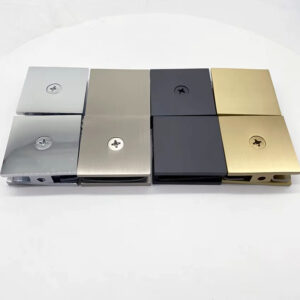
Aesthetic finishes have become a primary competitive differentiator, turning functional hardware into a key architectural detail. The choice between brushed stainless, matte black powder coat, or custom colors fundamentally alters the railing’s character. This finish selection must be made early, as it affects the visual weight of posts or clamps and can help a post-mounted system recede or a frameless system’s fittings become a deliberate accent.
Installation Complexity & Timeline Compared
Precision is the Primary Risk Factor
Installation complexity is the most pronounced differentiator. Frameless systems demand surgical precision in measurement, hole drilling, and alignment, with tolerances often within 1/4 inch. There is no frame to conceal errors; a misaligned clamp is immediately visible and may compromise structural integrity. This makes installation the primary risk point for costly errors, glass waste, and project delays.
Mitigation Through System Design and Kits
The growth of the DIY/prosumer market is driving innovation to mitigate this complexity. Manufacturers are creating simplified, kitted systems with drill guides, pre-assembled components, and detailed instructions. For commercial projects, the critical success factor is selecting installers with specific expertise in the chosen system type and a proven track record with local building departments to navigate permitting nuances.
Comparing Installation Logistics
A direct comparison of installation factors highlights the operational implications for project planning and crew selection.
| Installation Factor | Frameless System | Post-Mounted System |
|---|---|---|
| Measurement Tolerance | Surgical precision (e.g., 1/4 inch) | More forgiving |
| Substrate Flexibility | Low (demanding) | High (accommodates variations) |
| Primary Risk Factor | Alignment errors | Less critical |
| Mitigation Trend | Simplified, kitted systems | Standard adjustable brackets |
| Critical Success Factor | Expert installer mandatory | Local permitting experience advantageous |
| DIY/Prosumer Suitability | Low (high complexity) | Moderate (with kits) |
Source: Technical documentation and industry specifications.
This table underscores that for frameless systems, the cost and schedule must account for the mandatory need for expert labor, making installer procurement as important as product selection.
Durability & Maintenance Requirements: A Side-by-Side Look
Material Quality is the Baseline
Both systems, when fabricated from high-grade 316 stainless steel, offer excellent corrosion resistance, making material quality a non-negotiable baseline. The primary maintenance for both involves routine cleaning of glass and hardware with non-abrasive cleaners. The long-term durability narrative shifts from material choice to the integrity of the initial installation and environmental specification.
Failure Points and Servicing
The key difference lies in potential failure points and servicing access. Frameless systems, with more discrete fittings, may require periodic checking of clamp tightness and glass alignment, especially in high-traffic or thermally active environments. Post-mounted systems have a more monolithic structure but may feature more joints or brackets that can collect debris. Durability is intrinsically linked to correct installation per the engineering matrix; a poorly torqued frameless clamp is a greater immediate risk than a poorly shimmed post.
The Role of Certification and Environment
Long-term performance is assured by the system’s certification for its specific environment and load use. A system certified for coastal, high-corrosion environments or for heavy public use has been tested for those conditions. This certification, more than anecdotal claims, provides the reliable data for lifecycle planning and maintenance forecasting.
Selecting the Right System for Your Specific Project Type
Let Typology Drive the Decision
Project type dictates the primary selection drivers. For luxury residential and high-design commercial interiors where view and minimalism are paramount, frameless systems often prevail. For large-scale commercial, public spaces, or multi-family buildings with repetitive spans and stringent durability requirements, post-mounted systems offer predictable engineering, easier installation, and clear compliance paths. The “Public” vs. “Private” product segmentation is critical here; commercial projects require commercially rated systems from the outset.
The Influence of Local Expertise
Regional code interpretation and enforcement vary. This creates a decisive local expert advantage. Selecting a system supported by installers with proven experience in your municipality can smooth permitting and inspection processes. This local knowledge often reveals which system types are more readily approved or which details inspectors scrutinize most closely, reducing timeline risk.
The Case for Hybrid and Semi-Frameless
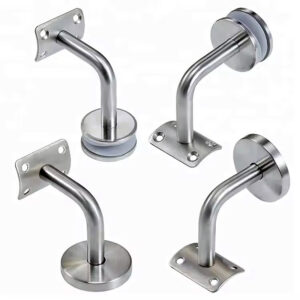
For many mid-range residential and commercial projects, hybrid systems present a strong candidate. They balance the aesthetic appeal of minimal hardware with the functional and cost benefits of some structural posts or rails. When evaluating a complete range of stainless steel glass railing hardware, architects will find these hybrid options effectively address the aesthetics-functionality trade-off for a broader set of project budgets and typologies.
Key Decision Framework: 8 Factors for Architects
A Structured Approach to Specification
Moving from concept to confident specification requires a structured decision framework. This process moves sequentially from regulatory and typological constraints to aesthetic and logistical considerations, ensuring no critical factor is overlooked.
The Critical Path Factors
The first factors are non-negotiable and must be answered before design proceeds: Project Typology & Code Class (residential vs. commercial rating), Primary Design Driver (transparency vs. rhythm), and Mounting Substrate (which dictates feasible system types). These factors narrow the field of viable options immediately.
From Engineering to Execution
Subsequent factors address implementation: Budget Reality (with frameless contingency), Span & Engineering (consulting glass thickness tables early), and Installation Logistics (securing expert labor). The final factors refine the selection: Long-Term Value Model (product vs. bundle) and Aesthetic Finishing (selecting hardware as an architectural detail).
The Decision Matrix in Practice
Applying this framework consistently requires referencing key data points and standards.
| Decision Factor | Key Question | Primary Data Point/Standard |
|---|---|---|
| 1. Project Typology & Code | Commercial or Residential? | Public (2kN) vs. Private (1kN) rating |
| 2. Primary Design Driver | Maximal transparency or defined rhythm? | Aesthetic language choice |
| 3. Mounting Substrate | Deck, fascia, or wall condition? | Dictates frameless sub-type |
| 4. Budget Reality | Total installed cost? | High contingency for frameless |
| 5. Span & Engineering | Panel width? | Glass thickness (e.g., 8.8mm) per span |
| 6. Installation Logistics | Installer expertise available? | Precision labor vs. standard crews |
| 7. Long-Term Value Model | Product-only or turnkey bundle? | Warranty and single-source support |
| 8. Aesthetic Finishing | Hardware finish? | Brushed stainless, matte black, custom |
Source: IBC 2021 Section 2407 and CAN/CGSB-12.20-M89 (R2024). The IBC provides the regulatory baseline for load ratings and safety, while the Canadian standard defines required safety glazing material properties, both informing factors 1 and 5.
Prioritize the non-negotiable constraints of project typology and code class first—this determines the required performance tier. Then, align the system choice with the core design driver and substrate realities. Finally, validate that choice against the practical realities of budget, engineering span, and installer capability. This sequential filtering prevents aesthetic preferences from overriding fundamental safety and feasibility requirements.
Need professional guidance to navigate these specifications for your next project? The experts at Esang provide technical consultation and certified system solutions tailored to commercial and high-design residential applications. Contact our team to discuss your project parameters and review detailed engineering submittals.
Frequently Asked Questions
Q: How do we ensure a glass railing system meets structural safety codes for a commercial project?
A: Structural safety is determined by a certified engineering matrix that links your specific hardware, glass thickness, and panel span. You must select a system explicitly rated for “Public” or commercial applications, as these have higher load ratings (e.g., 2kN) than residential products. Compliance is governed by codes like IBC 2021 Section 2407, which sets requirements for glass in guards. This means your specification must lock in the certified system early, as changing one component like panel width necessitates recalculating the entire assembly.
Q: What are the true cost drivers when comparing frameless and post-mounted systems?
A: The primary cost driver is installation precision, not just hardware. Frameless systems require surgical alignment with near-zero tolerance for error, making expert labor a major budget factor and rework extremely costly. Post-mounted systems have more forgiving installation with adjustable components. Long-term value also depends on solution bundles with warranties versus product-only purchases. For projects where budget is tight, you should allocate a significant contingency for specialized installation if pursuing a frameless design to mitigate the high financial risk of alignment mistakes.
Q: Which system is better for maximizing views and a minimalist aesthetic on a complex facade?
A: Frameless systems are designed for maximal transparency and a clean visual plane, using discrete clamps or side-mount brackets. However, you must first verify your substrate (deck, fascia, wall) can accommodate the specific frameless sub-type required, such as spigot or fascia-mount fittings. The structural performance of these systems is validated through standards like ASTM E2358-23. This means facilities with demanding aesthetic goals should involve the glazing engineer during schematic design to ensure the mounting conditions can support the desired frameless look without compromise.
Q: How does the choice between frameless and post-mounted affect installation timelines and risk?
A: Installation complexity is the key differentiator, directly impacting schedule and risk. Frameless systems demand precise measurement and drilling, with no frame to hide errors, making the process labor-intensive and prone to costly delays. Post-mounted systems offer more adjustability to accommodate field conditions. The growth of simplified, kitted systems aims to reduce this complexity. For projects with aggressive timelines, selecting an installer with proven local expertise and familiarity with regional code interpretations is a critical step to de-risk the schedule.
Q: What are the critical maintenance and durability differences between the two systems?
A: Both systems using 316 stainless steel offer excellent corrosion resistance, with routine cleaning being the primary maintenance task. The difference lies in failure points: frameless fittings may need periodic torque checks and glass realignment, while post-mounted systems have more joints that could trap debris. Durability hinges on correct installation per the engineering matrix and using the correct safety glazing material as defined in standards like CAN/CGSB-12.20-M89 (R2024). This means long-term performance depends more on installation quality and proper certification than on the basic material choice.
Q: How do I select the right system for a large-scale multi-family or public space project?
A: For large-scale commercial or public projects, post-mounted systems typically offer advantages in predictable engineering, easier installation across repetitive spans, and straightforward compliance paths. You must specify a commercially rated (“Public”) product line to meet the required load ratings. The hardware quality for these systems can be benchmarked against standards like ANSI/BHMA A156.18-2019. This means projects with repetitive units and strict permitting schedules should prioritize post-mounted systems for their logistical and regulatory clarity, potentially using hybrid “semi-frameless” designs for a balanced aesthetic.
Q: What is the first factor an architect should decide when specifying a glass railing?
A: The first decision is defining the project typology and code class as either residential (private) or commercial/public. This single factor dictates the mandatory product certification and load rating (e.g., 1kN vs. 2kN) you must specify. This classification locks in the applicable safety performance tier before any aesthetic or hardware choices are made. For any non-residential application, you should immediately filter product selections to those certified for public/commercial use to ensure a compliant foundation for the design.