For facility managers and construction professionals, the choice between bolt-together and welded stainless steel railings often centers on upfront material cost. This focus can obscure the true financial driver: labor. The decision isn’t just about components; it’s about project risk, schedule certainty, and the total installed cost, where labor is the most volatile and expensive factor.
Understanding this shift is critical now. Skilled welder shortages are intensifying, project timelines are compressing, and the demand for adaptable building systems is growing. A railing is a permanent safety feature, but its installation method has profound implications for your budget and schedule. Choosing the right system requires moving beyond a simple material quote to analyze the entire project lifecycle.
Bolt-Together vs Welded Railings: Core Differences Defined
The Fundamental Connection Methodology
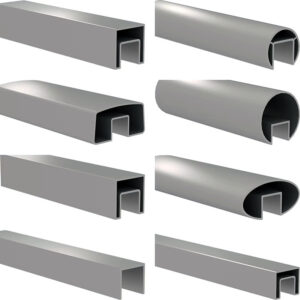
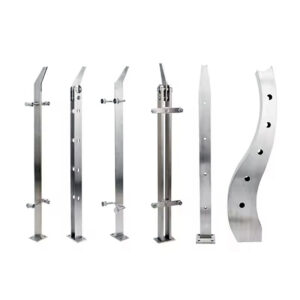
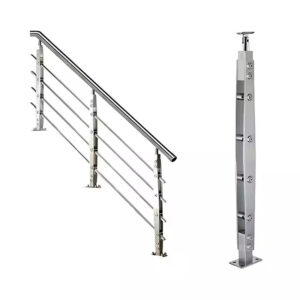
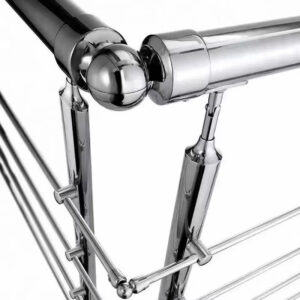
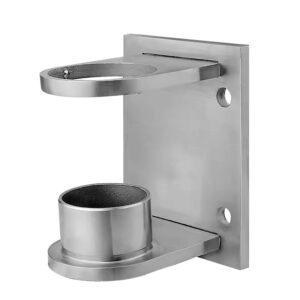
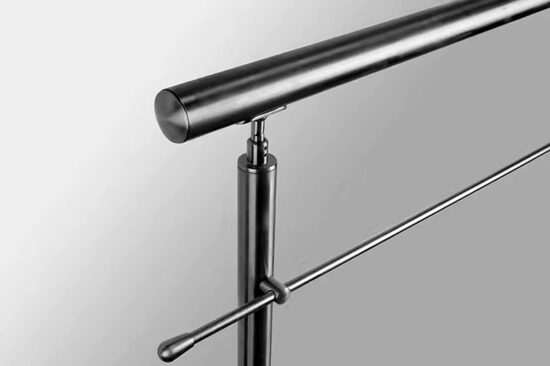
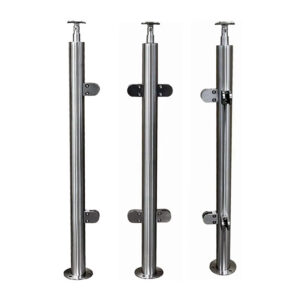
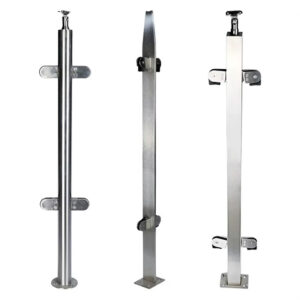
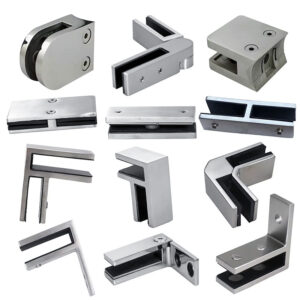
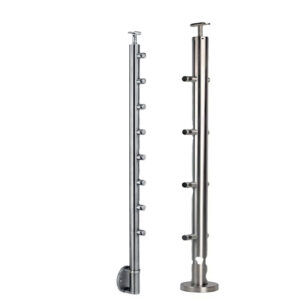
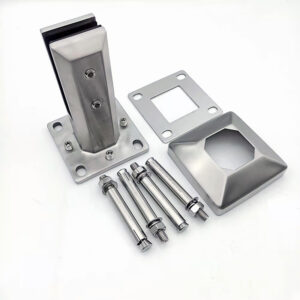
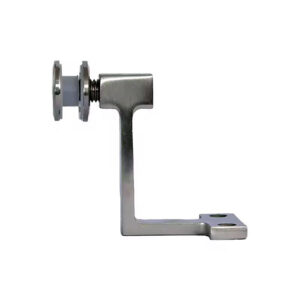
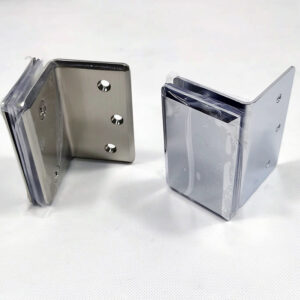
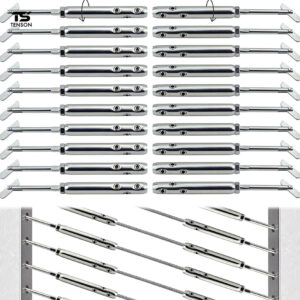
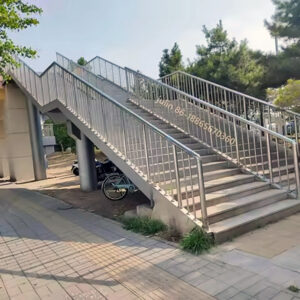
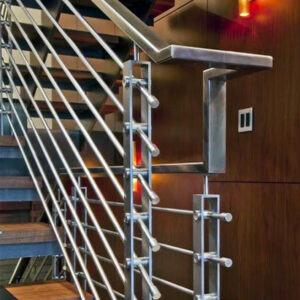
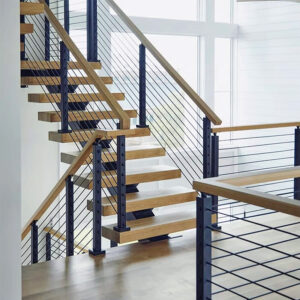
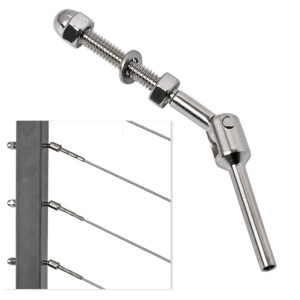
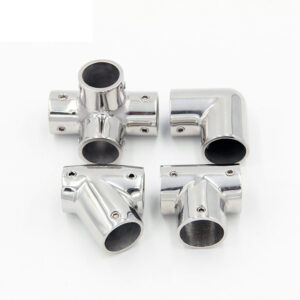
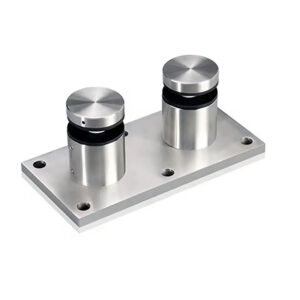
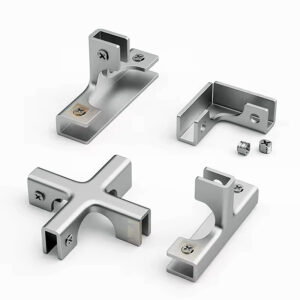
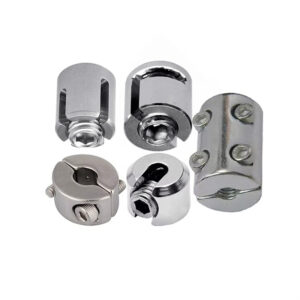
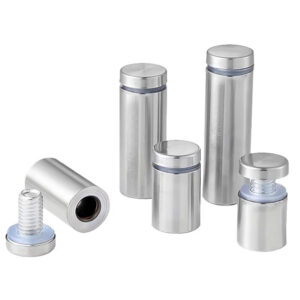
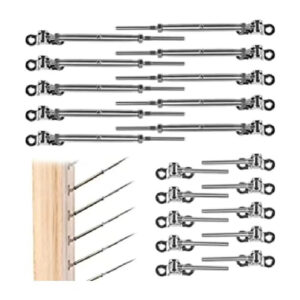
The core distinction is in the connection. Welded systems require on-site cutting, fitting, and permanent fusion of raw materials by certified tradespeople. Bolt-together systems utilize pre-engineered, factory-fabricated components—posts, rails, and a vast array of fittings—designed for mechanical assembly. This transforms installation from a skilled fabrication task into a predictable assembly process. The modularity inherent in bolt-together construction is its primary value driver, directly targeting labor cost and time savings.
From Custom Fabrication to Engineered Assembly
This design philosophy enables component standardization for mass customization. A scalable system of pre-engineered parts can meet diverse architectural needs without the time and cost of full custom fabrication for every project. In my experience specifying systems for commercial buildings, this modular approach allows for precise budgeting and eliminates the “unknowns” of on-site fabrication, where material waste and rework are common hidden costs. The complexity is transferred to the factory floor, where precision is controlled and repeatable.
Labor Cost Comparison: Bolt-Together vs Welded Systems
Analyzing the Labor Cost Drivers
Labor constitutes the most significant and variable cost in railing installation. Welded systems demand highly skilled, certified welders and metal fabricators, whose premium rates reflect their specialization and scarcity. Bolt-together systems, designed for easy bolt-together construction, drastically reduce this skilled labor dependency. This allows a smaller crew of general laborers to complete the assembly, fundamentally compressing the labor budget. The strategic implication is clear: labor market scarcity accelerates adoption of deskilled installation.
Quantifying the Labor Advantage
By transferring complexity to factory engineering, these systems mitigate project risk associated with finding and funding specialized field labor. This offers more predictable and often lower total labor costs. The following table breaks down the key labor cost factors:
| Cost Factor | Bolt-Together System | Welded System |
|---|---|---|
| Labor Skill Level | General laborers | Certified welders |
| Labor Rate | Lower market rate | Premium rate |
| Crew Size | Smaller team | Larger, specialized crew |
| Labor Availability | High availability | Often scarce |
| Cost Predictability | High predictability | High variability |
Source: Technical documentation and industry specifications.
Which System Is Better for Fast-Track Projects?
The Imperative of Speed
For projects with aggressive timelines, bolt-together systems are unequivocally superior. Their modularity drives installation speed and cost reduction, enabling rapid deployment. Components arrive pre-cut, pre-drilled, and often labeled, eliminating time-consuming on-site measurement and fabrication. This precision manufacturing mitigates on-site error and rework, a critical advantage when schedule slippage carries heavy financial penalties.
Streamlining Coordination and Delivery
The turnkey approach of suppliers delivering complete integrated systems from one source consolidates the supply chain and trade coordination. This eliminates the sequential scheduling of multiple trades—fabricators, welders, finishers—enabling parallel workstreams. For a recent fast-track retail project, using a pre-engineered system allowed the railing installation to proceed independently of the metalwork subcontractor’s schedule, shaving weeks off the critical path and dramatically accelerating project completion.
Performance & Safety Compared: Bolt-Together vs Welded
Meeting Code and Load Requirements
Both systems, when properly specified and installed, meet stringent building codes for load resistance and safety, such as those referenced in the ANSI/BHMA A156.18 American National Standard for Materials and Finishes. The performance difference is not in ultimate strength but in implementation. Welded connections, when executed perfectly, form a monolithic structure. Bolt-together systems achieve their rated strength through engineered connections and specified hardware, with safety ensured by adhering to manufacturer protocols for torque.
The Advantage of Adaptability
A key strategic advantage of bolt-together systems is their facilitation of future modifications and repairs. Damaged sections can be replaced without destructive cutting and grinding, and safety gates can be added or relocated easily. This offers superior long-term facility adaptability and simplifies maintaining safety compliance as building uses evolve. The following comparison outlines the performance characteristics:
| Performance Metric | Bolt-Together System | Welded System |
|---|---|---|
| Ultimate Load Strength | Meets building codes | Meets building codes |
| Connection Type | Engineered mechanical | Monolithic fusion |
| Future Modification | Easy, non-destructive | Difficult, destructive |
| Safety Compliance | Manufacturer protocols | Perfect execution required |
| Long-Term Adaptability | Superior facility adaptability | Fixed, permanent structure |
Source: ANSI/BHMA A156.18 American National Standard for Materials and Finishes. This standard establishes requirements for materials and finishes on hardware, directly relevant to specifying the corrosion resistance and durability of railing components and fittings, which underpins long-term performance and safety.
Total Cost of Ownership (TCO) Analysis
Looking Beyond Initial Material Cost
Evaluating only the material cost quote is misleading. A comprehensive TCO analysis reveals that the value proposition shifts from material cost to total installed cost. While bolt-together components may carry a higher unit cost, they bundle engineering, fabrication, and finishing. Savings manifest in reduced skilled labor, shorter project timelines (which lower overhead and soft costs), minimal on-site waste, and negligible rework. This holistic view is essential for accurate budgeting.
Factoring in Lifecycle and Sustainability
Long-term, the demountable nature of these systems supports lower lifecycle costs for repairs, reconfigurations, or relocation. This aligns with sustainability drivers favoring bolt-together systems, as reusable structures reduce future material consumption and waste. The TCO breakdown clarifies where value is captured:
| Cost Component | Bolt-Together System | Welded System |
|---|---|---|
| Initial Material Cost | Higher unit cost | Lower base cost |
| Skilled Labor Cost | Drastically reduced | Major cost driver |
| Project Timeline Cost | Lower overhead costs | Higher soft costs |
| On-Site Waste & Rework | Minimal waste | Significant potential |
| Lifecycle Modification Cost | Low, demountable | High, destructive |
Source: Technical documentation and industry specifications.
Installation Time & Labor Requirements Compared
Phased Work vs. Sequential Assembly
Installation time diverges sharply. A welded railing project involves multiple sequential phases: layout, cutting, fitting, tack-welding, full welding, grinding, and finishing. Bolt-together installation is primarily an assembly sequence: layout, post setting, and rail/fitting assembly. The labor crew shifts from specialized welders to a smaller team of installers using basic tools. This efficiency is enabled by pre-engineered connections that mitigate on-site error.
Reducing Timeline Risk
The reduction in both time and specialized labor requirements directly translates to faster project close-out and reduced exposure to labor cost inflation or unavailability. This comparison highlights the operational differences:
| Installation Phase | Bolt-Together System | Welded System |
|---|---|---|
| Primary Activity | Assembly sequence | Fabrication & welding |
| Key Tools | Standard hand tools | Welding, grinding equipment |
| Critical Skill | Basic measurement | Certified welding |
| Error & Rework Risk | Mitigated by pre-engineering | Higher on-site risk |
| Project Close-Out Speed | Fast deployment | Multiple sequential phases |
Source: Technical documentation and industry specifications.
Key Decision Factors for Your Project
Evaluating Project-Specific Variables
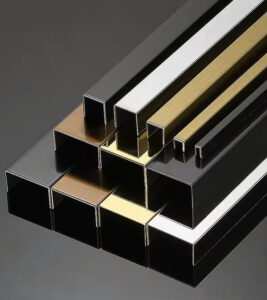
The optimal choice hinges on specific project variables. For fast-track schedules, sites with limited skilled labor access, or facilities anticipating future changes, bolt-together systems are compelling. For one-off, highly complex artistic designs where unique customization outweighs cost and speed, welding may still be suitable. Material selection is another key lever; consider a tiered material strategy that decouples corrosion resistance from cost.
Strategic Material Specification
You can optimize budgets by specifying materials strategically per standards like ASTM A276/A276M, such as using stainless steel for critical fittings and connections with powder-coated rails for spans, rather than defaulting to an all-stainless solution. Ultimately, the decision should be guided by a holistic view of initial budget, timeline, labor market conditions, and long-term facility management plans. The goal is to match the system to the project’s primary constraints and future needs.
How to Source & Implement Bolt-Together Railings
Partnering with the Right Supplier
Successful implementation begins with early engagement of suppliers who offer comprehensive systems and engineering support for layout and specification. Leverage digital integration as the next frontier by seeking suppliers with BIM objects, online configurators, or detailed CAD files to ensure design accuracy and streamline procurement. This digital handoff is crucial for avoiding field conflicts.
Ensuring On-Site Success
During procurement, confirm all necessary components, hardware, and clear instructions are included, referencing relevant material specs like ASTM A312/A312M for tubular components. On-site, ensure the installation team follows the provided measurement and assembly protocols precisely. By treating the system as a pre-engineered kit and partnering with a knowledgeable supplier, you fully realize the labor, time, and risk-reduction benefits. For a complete overview of engineered stainless steel solutions, review the specifications for stainless steel railing systems.
The decision between bolt-together and welded railings ultimately hinges on prioritizing schedule certainty and labor risk over minimal material cost. For most commercial, multi-family, and fast-track projects, the predictability of a pre-engineered system delivers superior value. Key implementation priorities include engaging suppliers early for design support, rigorously comparing total installed cost, and planning for the long-term adaptability of the facility.
Need professional guidance to specify the right railing system for your project’s budget and timeline? The experts at Esang can provide detailed system comparisons and installation planning tailored to your specific requirements. For a direct consultation, you can also Contact Us.
Frequently Asked Questions
Q: How do bolt-together railings achieve structural integrity without welding?
A: They rely on pre-engineered mechanical connections and specified hardware to meet required load ratings, not permanent fusion. Factory precision ensures components fit perfectly, and following manufacturer protocols for assembly and torque guarantees code-compliant strength. This means projects can achieve certified safety performance without the cost and scheduling challenges of hiring certified welders on-site.
Q: What material standards should we reference when specifying stainless steel components for a railing system?
A: Key standards include ASTM A276/A276M for the chemical and mechanical properties of bars and shapes, and ASTM A312/A312M if the design uses tubular piping. For project managers, this means your material specifications and cost estimates must be grounded in these documents to ensure quality and performance compliance from your supplier.
Q: When does the total cost of ownership favor bolt-together systems over welded ones?
A: The value shifts from pure material cost to total installed cost. Savings manifest in reduced skilled labor, shorter timelines lowering overhead, and minimal on-site waste or rework. For facilities anticipating future modifications, the demountable nature also supports lower lifecycle costs. This means fast-track projects or sites with volatile labor markets will see the strongest TCO advantage with bolt-together systems.
Q: How can we reduce costs on a bolt-together system without sacrificing corrosion resistance?
A: Implement a tiered material strategy that decouples performance from expense. For example, specify high-grade stainless steel for critical fittings and connections, but use powder-coated carbon steel for long rail sections where appearance and durability needs differ. This allows you to optimize the budget strategically rather than defaulting to a single, more expensive material for the entire assembly.
Q: What are the key sourcing considerations for implementing a bolt-together railing system?
A: Engage suppliers early who offer complete, pre-engineered kits with integrated engineering support. Seek partners providing digital integration like BIM objects or CAD files to ensure design accuracy and streamline procurement. This consolidates your supply chain, reduces coordination between multiple trades, and is essential for fully realizing the promised labor and schedule savings.
Q: How do bolt-together systems facilitate long-term facility adaptability and maintenance?
A: Their demountable design allows for straightforward component replacement or system reconfiguration without destructive cutting or grinding. Damaged sections can be swapped out, and safety features like gates can be added or relocated with relative ease. If your operation requires future layout changes or has high repair likelihood, this inherent modularity significantly reduces future downtime and modification costs.