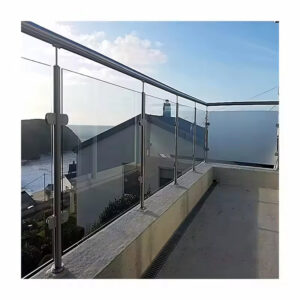
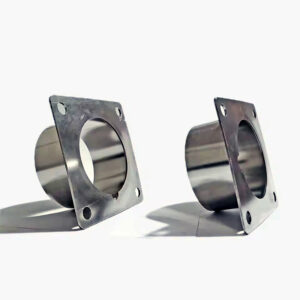
Enviar una solicitud de presupuesto (RFQ) en la que se enumeran las categorías de productos sin especificar el método de montaje, el grosor del vidrio o el tipo de capa intermedia es una de las formas más seguras de obtener ofertas que parecen comparables en una hoja de cálculo, pero que en realidad no lo son. Los proveedores completan los datos que faltan con sus propias suposiciones, y la discrepancia solo sale a la luz durante la presentación de ofertas o la revisión de la contratación; para entonces, el calendario ya se ha comprometido con una secuencia de instalación y volver a solicitar presupuestos conlleva un coste real por retraso. La solución a este problema no consiste simplemente en formular mejores preguntas, sino en estructurar la solicitud de presupuesto de tal forma que todos los proveedores presenten sus ofertas basándose en el mismo alcance definido antes de que se acepte un precio. Al finalizar esta lista de comprobación, estarás en mejores condiciones para evaluar cuándo tu solicitud de presupuesto está lo suficientemente completa como para enviarla y cuáles son las consecuencias si no lo está.
Los campos de la solicitud de presupuesto deben permitir comparar las respuestas de los proveedores
Una solicitud de presupuesto que especifique únicamente los nombres de los productos —abrazaderas para vidrio, espigas, zócalo— sin controlar el tipo de vidrio, la capa intermedia y el grosor, deja a cada proveedor libre para hacer suposiciones por su cuenta. Las ofertas recibidas parecen referirse al mismo producto, pero las especificaciones subyacentes pueden diferir en las tres variables. Cuando la discrepancia sale a la luz durante la presentación de ofertas, no se trata de resolver una pequeña discrepancia administrativa, sino de reabrir una negociación comercial bajo la presión de los plazos.
La omisión más relevante es el tipo de capa intermedia. El vidrio laminado termoendurecido (LHS) con una capa intermedia de PVB y el LHS con una capa intermedia de SGP presentan características de comportamiento tras la rotura diferentes, así como costes distintos. Si dos proveedores presentan una oferta cada uno, el precio más bajo podría corresponder a un producto que no cumple los requisitos de barrera tras la rotura que espera la autoridad responsable de su proyecto. Las ofertas no son comparables; simplemente tienen precios diferentes.
El grosor del vidrio complica aún más las cosas. La compatibilidad de los herrajes —la profundidad de las mordazas de sujeción, la anchura de la ranura del espiga y las dimensiones del canal de la zapata— depende del grosor. Un presupuesto basado en un cristal de 12 mm y otro basado en uno de 15 mm tendrán un precio diferente en cuanto a los herrajes, requerirán tolerancias de instalación distintas y es posible que no sean intercambiables una vez que se haya iniciado el proceso de adquisición. Exigir a los proveedores que indiquen el tipo y el grosor de cristal que tienen en cuenta como un campo obligatorio, y no como una nota al pie, es la condición mínima para una comparación de precios defendible.
| Campo obligatorio de la solicitud de presupuesto | Por qué es importante para la comparabilidad | Riesgo si no se especifica |
|---|---|---|
| Tipo de cristal (LFT o LHS) | Influye en el comportamiento tras la rotura y en el coste | Los proveedores pueden proponer distintos tipos de vidrio, lo que hace que los precios no sean comparables |
| Tipo de capa intermedia (PVB o SGP) | Influye directamente en el comportamiento estructural y en el cumplimiento de la normativa | Las ofertas pueden contemplar diferentes capas intermedias, lo que puede dar lugar a una nueva cotización más adelante. |
| Espesor del vidrio | Determina la capacidad de carga y la compatibilidad con los componentes de hardware | Los presupuestos pueden basarse en espesores variables, lo que oculta las diferencias reales de coste. |
La tabla anterior recoge los tres campos que presentan mayor probabilidad de generar incompatibilidades ocultas. Ninguno de estos campos requiere la aprobación técnica definitiva para su especificación; lo que sí requieren es una decisión de diseño que ya debería haberse tomado antes de emitir la solicitud de presupuesto.
Familia de productos, exposición y acabado como datos de entrada independientes
Tratar el tipo de vidrio, la capa intermedia, el acabado superficial y las condiciones de exposición como una única descripción del producto, en lugar de como cuatro campos de entrada distintos, genera un problema de fijación de precios difícil de rastrear. Cada atributo influye de forma independiente en el coste y, en algunos casos, determina qué grado de hardware es el adecuado. Agruparlos significa que un proveedor puede realizar sustituciones en cualquiera de esos aspectos sin dejar de cumplir técnicamente con el resto de la descripción.
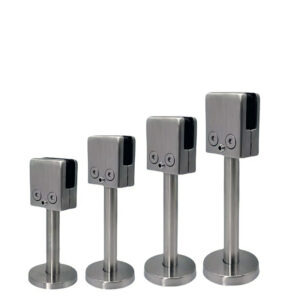
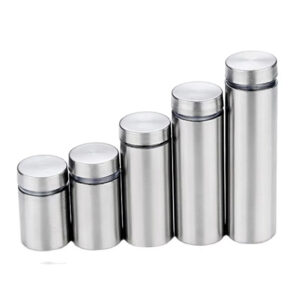
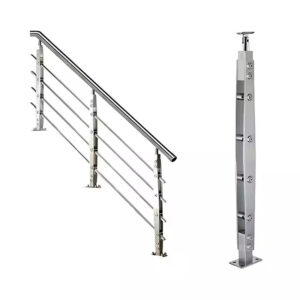
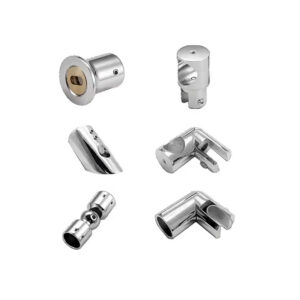
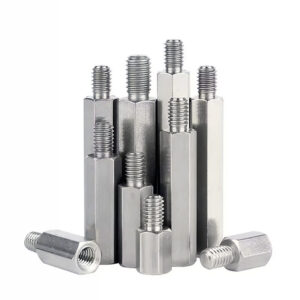
La condición de exposición es el dato que con mayor frecuencia se da por supuesto. Una instalación costera o junto a una piscina conlleva una exposición al cloruro que, con el paso del tiempo, convierte los herrajes de acero inoxidable 304 en un riesgo de planificación; el grado 316 es el punto de partida más adecuado para esos entornos. Se trata de un criterio de configuración, no de una exigencia universal de la normativa, pero si la solicitud de presupuesto no especifica la condición de exposición, un proveedor que ofrezca herrajes de grado 304 y otro que ofrezca herrajes de grado 316 no estarán ofreciendo el mismo producto. La diferencia de coste parecerá una variable de fijación de precios del proveedor, cuando en realidad se trata de una diferencia en el grado del material. Espigas de vidrio de montaje en superficie están disponibles en ambos grados, y las condiciones de exposición indicadas en la solicitud de presupuesto son las que determinan qué grado debe incluirse en la oferta.
El acabado superficial añade otra variable independiente. Los acabados espejados, cepillados y con recubrimiento en polvo conllevan diferentes costes de fabricación, distintos perfiles de resistencia a la corrosión en entornos agresivos y diferentes implicaciones en cuanto a los plazos de entrega, dependiendo de la configuración de producción del proveedor. Un acabado especificado en un campo del nombre del producto puede ser sustituido por un proveedor sin que este lo indique; un acabado especificado como campo obligatorio independiente da lugar a un incumplimiento documentado si se modifica.
| Campo de entrada | Opciones habituales | Por qué debe ser un campo independiente para la solicitud de presupuesto |
|---|---|---|
| Tipo de vidrio | Neumático delantero izquierdo, lado izquierdo | Determina el coste del material base y las características de rotura |
| Intercapa | PVB, SGP | Influye en la retención tras una ruptura y en la ruta de cumplimiento del código |
| Acabado superficial | Espejo, cepillado, con recubrimiento en polvo, etc. | Modifica el precio y el comportamiento frente a la corrosión de forma independiente |
| Condición de exposición | Costero, con piscina, con vientos fuertes, interior | Determina si son necesarios los herrajes de acero inoxidable 316 y la capa intermedia de SGP |
La tabla distingue estos cuatro campos y asocia cada uno de ellos a una consecuencia concreta de la confusión. La lógica de planificación se basa en que cada campo se corresponde con un factor de coste diferente y una vía de cumplimiento distinta, lo que significa que agruparlos en una única descripción del producto no simplifica la solicitud de presupuesto, sino que simplemente traslada el trabajo de aclaración a la fase final del proceso de contratación, donde resolverlo resulta más costoso.
Requisitos de documentación y embalaje previos a la fijación del precio
El hecho de exigir documentación antes de que comiencen las negociaciones sobre los precios suele considerarse una formalidad administrativa que puede posponerse hasta después de haber seleccionado al proveedor. No debería ser así. Una vez emitida una orden de compra, la motivación de un proveedor para presentar pruebas de los ensayos de un producto entregado es estructuralmente diferente de su motivación para confirmarlo durante una licitación competitiva. La justificación del cumplimiento normativo se establece de forma más económica antes de cerrar la relación comercial, no reconstruyéndola a posteriori.
En el caso del vidrio laminado, la norma ASTM C1172 define el marco de ensayo para confirmar la calidad de la unión de la laminación. La norma ASTM E2353 aborda el comportamiento de barrera tras la rotura, es decir, si el panel de vidrio sigue funcionando como barrera tras romperse. Se trata de referencias a marcos de ensayo, no de requisitos que se apliquen automáticamente en todos los proyectos; su aplicabilidad depende de la normativa y la autoridad competentes para cada proyecto. Sin embargo, especificar que los proveedores deben aportar pruebas de ensayo conformes con estos marcos —o con normas regionales equivalentes— le proporciona una base definida para comparar la documentación, y no se limita a una simple solicitud de “certificados de conformidad” sin especificar.”
La certificación de fábrica del vidrio sometido a tratamiento térmico aborda el riesgo de inclusiones de sulfuro de níquel, que es un modo de fallo por rotura espontánea que se produce durante el uso sin que haya habido un impacto. El tratamiento térmico es un proceso de mitigación, y la certificación de fábrica es la prueba en la cadena de suministro de que se ha llevado a cabo. Omitir esto en la solicitud de presupuesto no elimina el riesgo; simplemente significa que no dispondrá de un historial documental que seguir si un panel falla tras su instalación.
El embalaje y el etiquetado deben incluirse en la misma sección previa a la fijación de precios. Los paneles de vidrio dañados a la llegada —ya sea por un embalaje inadecuado o por paneles sin etiquetar que se han manipulado incorrectamente en la obra— generan un plazo de sustitución que se acumula en el calendario del contratista. Especificar formatos embalados, envueltos o paletizados, junto con los requisitos de etiquetado relativos al nombre del proyecto, las dimensiones de los paneles y la planta de instalación, es un aspecto logístico, no una cuestión secundaria en el proceso de adquisición.
| Tipo de requisito | Qué hay que especificar | ¿Por qué especificar antes que el precio? |
|---|---|---|
| Pruebas de resistencia del vidrio laminado | ASTM C1172 | Confirma la calidad del laminado del vidrio; si no se comprueba, se corre el riesgo de que el vidrio no cumpla con la normativa. |
| Prueba de barrera tras la rotura | ASTM E2353 | Comprueba que el cristal siga actuando como barrera tras romperse |
| Certificación de vidrio tratado térmicamente NiS | Certificado de molino | Evita el riesgo de rotura espontánea provocado por inclusiones de sulfuro de níquel |
| Formato de envase | En caja, envuelto o en palé | Evita los daños durante el transporte y la confusión en la manipulación en la obra |
| Requisitos de etiquetado | Nombre del proyecto, dimensiones del panel, planta de instalación | Permite una distribución y colocación correctas en la obra |
La tabla establece una correspondencia entre cada requisito de documentación y embalaje y la lógica de adquisición que justifica su exigencia antes de fijar el precio. No se trata de requisitos burocráticos añadidos a las instrucciones para los proveedores, sino de los campos que impiden que los productos que cumplen los requisitos y los que no los cumplen aparezcan al mismo precio.
Rapidez en la adquisición frente a exhaustividad en el diseño
La tensión en este caso es real y previsible. Los equipos de compras suelen querer una estimación del precio unitario antes de que el departamento de ingeniería haya confirmado el método de montaje, la especificación de los cristales y la calidad de los herrajes. Se trata de una preferencia racional a corto plazo: conocer un rango de precios con antelación ayuda a la asignación del presupuesto. El problema es que un precio unitario presupuestado para un alcance indefinido no es un precio específico para tu proyecto; es un precio basado en la hipótesis más habitual del proveedor sobre lo que implica un proyecto como el tuyo.
Una solicitud de presupuesto rápida reduce el tiempo de preparación, pero aumenta la probabilidad de que se requiera una nueva cotización en fases posteriores. Cuando posteriormente se confirma que el método de montaje es «semisín marco», en lugar del sistema «sin marco» que había supuesto el proveedor, o cuando el grosor del vidrio se revisa de 12 mm a 15 mm tras un cálculo de la carga del viento, el presupuesto original deja de ser válido. La ronda de nuevas cotizaciones llega precisamente cuando el calendario del proyecto menos lo permite, normalmente después de que haya finalizado el plazo de licitación o se haya emitido la autorización de adquisición.
La elaboración de una solicitud de presupuesto (RFQ) con todos los detalles técnicos lleva más tiempo. Antes de su presentación, es necesario confirmar el método de montaje, el grosor del vidrio, la calidad del material, el acabado, los requisitos de documentación y las condiciones de entrega. En el caso de proyectos con condiciones de exposición complejas o que abarquen varias plantas, también puede ser necesario un estudio estructural preliminar para confirmar la separación entre postes y la altura de los paneles. Esa inversión inicial supone una disyuntiva, no un enfoque universalmente correcto: para un pequeño proyecto doméstico con un único tipo de sistema, puede justificarse un ciclo de solicitud de presupuesto más rápido. Sin embargo, en el caso de las cadenas de suministro comerciales, costeras o con múltiples contratistas, el tiempo ahorrado en la fase de solicitud de presupuesto suele traducirse en retrasos, negociaciones de sustitución o lagunas en la documentación que paralizan la inspección.
| Acérquese a | Lo que aporta el comprador | Precisión de las cotizaciones | Consecuencias de la incompletitud |
|---|---|---|---|
| Solicitud rápida de presupuesto por unidad | Información mínima sobre el diseño; a menudo, solo los nombres de los productos | Bajo: las cotizaciones pueden basarse en supuestos diferentes | Nuevas cotizaciones, cambios en el alcance y retrasos en el proyecto |
| Solicitud de presupuesto completa de ingeniería | Método de montaje, grosor del vidrio, calidad, acabado y requisitos de documentación | Alto: los proveedores presentan sus presupuestos para el mismo alcance definido | Menos revisiones; mayor inversión de tiempo inicial |
La tabla compara ambos enfoques en función de la información que aporta el comprador, el nivel de precisión del presupuesto y las consecuencias que suele acarrear la falta de información. La elección entre uno u otro no tiene que ver con la preferencia por un proceso concreto, sino con en qué momento del calendario del proyecto estás dispuesto a asumir el coste de la reelaboración.
Condiciones de envío para una solicitud de presupuesto lista para el contratista
Una solicitud de presupuesto está lista para enviarse cuando el comprador puede completar cada uno de los campos que figuran a continuación sin necesidad de que el proveedor aporte información para rellenarlos. Si no se ha confirmado el método de montaje, la solicitud de presupuesto no está lista. Si la altura del panel de cristal no se ha fijado con arreglo a criterios estructurales o normativos, la solicitud de presupuesto no está lista. Enviarla antes puede parecer eficiente, pero da lugar a una respuesta que requiere una ronda de seguimiento para que resulte útil.
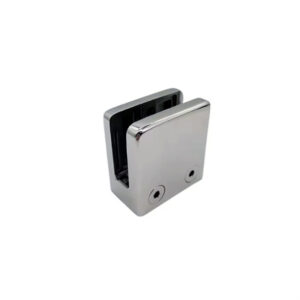
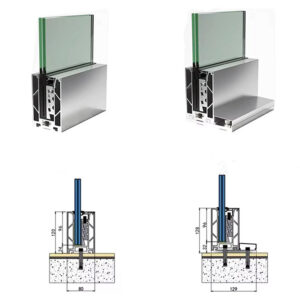
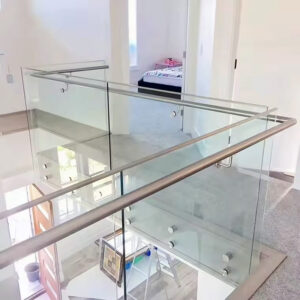
El método de montaje —con marco, semisín marco o sin marco— determina el sistema estructural y define qué gama de herrajes se debe utilizar. Abrazaderas redondas para vidrio y canales para zapatas base de cristal se adaptan a diferentes configuraciones de montaje, y solicitar presupuestos para ambas familias sin especificar cuál se necesita da lugar a respuestas que no se pueden comparar ni integrar en un presupuesto de material para el proyecto.
La separación entre montantes y la altura del panel de vidrio son parámetros de diseño que influyen directamente en el grosor del vidrio y en la elección de la capa intermedia. Un proveedor no puede confirmar si un vidrio LHS de 12 mm con PVB es adecuado sin conocer la altura del panel sin soporte y la distancia entre centros de los montantes. Si esos valores no se indican en la solicitud de presupuesto, el proveedor tendrá que hacer una suposición o solicitar una aclaración; cualquiera de estas opciones retrasa la obtención de un presupuesto válido.
La presencia o ausencia de un riel superior influye en el cálculo de la altura de la barrera y en los detalles de la unión en el borde superior del cristal. También afecta a los productos que deben incluirse en el alcance de los herrajes. Si no se especifica, el proveedor podrá presupuestar cualquiera de las dos configuraciones, o ninguna de ellas.
La solicitud de presupuesto también debe indicar el código de construcción aplicable —ya sea el IBC 2021 §2407.1, la norma AS 1288, la norma EN 12543 u otra norma específica de la jurisdicción— y exigir al proveedor que confirme qué informes de ensayo puede aportar como justificación. Se trata de un criterio de planificación, no de una declaración de que un único código rija todos los proyectos. El objetivo es proporcionar al proveedor un objetivo de cumplimiento definido y ofrecer al comprador una base documentada para evaluar si el suministro propuesto cumple con las expectativas de la autoridad responsable del proyecto.
| Información que debe incluirse en la solicitud de presupuesto | Por qué es importante | Ejemplos / Opciones |
|---|---|---|
| Método de montaje | Determina el tipo de sistema estructural y los herrajes | Con marco, semisín marco, sin marco |
| Espaciado entre entradas | Influye en el cálculo del grosor del vidrio y de la capa intermedia | Distancia entre centros |
| Altura del panel de cristal | Influye en la carga del viento y en el rendimiento de la barrera | Desde el suelo acabado hasta la parte superior del cristal |
| Barra superior presente | Modifica los requisitos relativos a la altura de las barreras y los detalles de conexión | Sí / No |
| Normativa de construcción e informes de ensayo | Garantiza que el proveedor suministre un producto que cumpla con la normativa | IBC 2021 §2407.1, AS 1288, EN 12543 |
Si el comprador no puede completar alguna fila de esa tabla antes de enviarla, la solicitud de presupuesto generará un presupuesto con un valor estimado en ese campo. Ese valor estimado puede ser correcto o puede que haya que corregirlo, pero la corrección se realizará después de que el precio haya quedado registrado, que es el peor momento para renegociar el alcance del proyecto.
La solicitud de presupuesto (RFQ) es el último momento de un proyecto en el que se puede garantizar la integridad de la ingeniería a bajo coste. Una vez seleccionado el proveedor y emitida la orden de compra, cualquier especificación que falte —el grosor del vidrio, el tipo de capa intermedia, la calidad del material o los requisitos de documentación— pasa a ser objeto de negociación, en lugar de un requisito de presentación. Los campos de esta lista de comprobación no están pensados para añadir carga administrativa, sino para garantizar que lo que recibas de los proveedores refleje un único alcance del producto bien definido, en lugar de varias interpretaciones plausibles de unas instrucciones insuficientemente detalladas.
Antes de enviarla, confirma que el método de montaje, las condiciones de exposición, el tipo y el grosor del vidrio, la calidad del material, el acabado, la documentación de ensayo requerida, el formato de embalaje y la referencia normativa aplicable se indiquen en campos independientes, sin agruparlos en una descripción del producto ni dejarlos a discreción del proveedor. Si alguno de esos campos requiere una decisión de diseño que aún no se ha tomado, esa es la laguna de ingeniería que hay que subsanar en primer lugar. La comparación de precios que realices tras una solicitud de presupuesto bien estructurada reflejará las diferencias reales en cuanto al producto y al cumplimiento normativo, y no las suposiciones del proveedor que ocupan el espacio donde deberían figurar las especificaciones.
Preguntas frecuentes
P: ¿Qué ocurre si aún no se ha confirmado el método de montaje cuando el departamento de compras necesita un rango de precios?
R: Espera a que se confirme el método de montaje antes de enviar la solicitud de presupuesto. Un precio unitario presupuestado sin tener en cuenta este dato refleja la hipótesis más habitual del proveedor, no la de tu proyecto; y cuando más adelante se confirme el método y este difiera de dicha hipótesis, el presupuesto original quedará invalidado en el peor momento posible del calendario. Si realmente se necesita una cifra presupuestaria aproximada antes, considérala únicamente como una estimación para la planificación interna, no como un precio para la fase de adquisición.
P: ¿Sigue siendo aplicable una solicitud de presupuesto estructurada si el proyecto consiste en una pequeña instalación residencial con un único sistema de barandilla?
R: En el caso de un proyecto doméstico sencillo de un solo sistema, puede justificarse un ciclo de solicitud de presupuesto más rápido y sencillo: el riesgo de tener que volver a solicitar presupuestos es menor cuando el alcance es limitado y la cadena de suministro es corta. La estructura completa de la lista de comprobación resulta fundamental para proyectos comerciales, instalaciones expuestas a la costa o junto a piscinas, proyectos de varias plantas o cualquier situación en la que varios contratistas o autoridades vayan a revisar la documentación presentada. La condición límite es el coste que se asumiría si una nueva solicitud de presupuesto o las lagunas en la documentación provocaran retrasos; cuanto menor sea ese coste, más se inclinará la balanza hacia la rapidez.
P: ¿En qué se diferencia una solicitud de presupuesto bien estructurada de la simple selección de proveedores en función del precio y la resolución posterior de las discrepancias en las especificaciones tras la selección?
R: Solucionar las deficiencias en las especificaciones tras la selección del proveedor cuesta mucho más que hacerlo antes. Una vez emitida la orden de compra, cada campo que falte —grosor del vidrio, tipo de capa intermedia, calidad del material, pruebas de conformidad— se convierte en una negociación comercial en lugar de un requisito de presentación. El margen de maniobra del proveedor es mayor, los plazos son más ajustados y resulta más difícil establecer el proceso de documentación para garantizar el cumplimiento. La fase de solicitud de presupuesto es el último momento en el que se pueden subsanar las deficiencias en las especificaciones a bajo coste.
P: Una vez enviada la solicitud de presupuesto y recibidas las ofertas, ¿cuál es el siguiente paso inmediato antes de aceptar un precio?
R: Comprueba cada oferta contrastándola con los campos que la solicitud de presupuesto exigía a los proveedores que indicaran —tipo de vidrio, capa intermedia, calidad del material, acabado y disponibilidad de documentación—, y no solo el precio unitario. Una oferta más baja que no especifique el tipo de capa intermedia que se supone que utiliza o que no pueda aportar pruebas de ensayo conformes con la norma ASTM E2353 aún no constituye una oferta comparable. Confirme que todos los proveedores hayan respondido a todos los campos obligatorios antes de realizar cualquier comparación de precios; las ofertas que presenten lagunas deben devolverse para su aclaración, en lugar de aceptarse partiendo de suposiciones.
P: ¿Es obligatorio utilizar siempre herrajes de acero inoxidable 316, o solo en determinadas condiciones?
R: El grado 316 es un criterio de configuración determinado por la exposición, no un requisito obligatorio universal de la normativa. Se convierte en el punto de partida adecuado cuando la instalación se encuentra en la costa, junto a una piscina o, de cualquier otro modo, esté sujeta a una exposición prolongada al cloruro —entornos en los que los herrajes de grado 304 conllevan un riesgo significativo de corrosión a largo plazo—. Para aplicaciones residenciales en interiores o con baja humedad que no presenten esas condiciones, el grado 304 puede resultar totalmente adecuado. Las condiciones de exposición deben indicarse en un campo específico de la solicitud de presupuesto, de modo que las diferencias en el grado del material entre las distintas ofertas se perciban como una variable de las especificaciones y no como una diferencia de coste inexplicable.