Considerar la barandilla de un balcón como si se tratara principalmente de una decisión estética es una de las formas más seguras de provocar cambios de última hora en los herrajes y retrasos en el calendario. Las exigencias estructurales entre los sistemas con marco, semisín marco y sin marco difieren lo suficiente como para que una elección realizada por razones estéticas durante el desarrollo del diseño pueda surgir como un problema de sustrato o de anclaje durante la instalación —en el momento en que la corrección resulta más costosa. La decisión que resuelve esto no es qué sistema queda mejor, sino qué sistema pueden soportar realmente el sustrato, el presupuesto, la secuencia de coordinación y las prioridades de seguridad del proyecto. A continuación se ofrecen los criterios para tomar esa decisión antes de que la fabricación limite sus opciones.
Los tipos de barandillas que los compradores suelen comparar en primer lugar
La mayoría de los compradores abordan la comparación desde un punto de vista erróneo. La disyuntiva entre «con marco» y «sin marco» parece una simple elección de producto, pero en realidad se trata de una decisión estructural y de secuencia que determina las tolerancias de fabricación, el grosor del vidrio, el orden de instalación y la estrategia de sustitución antes incluso de encargar un solo panel.
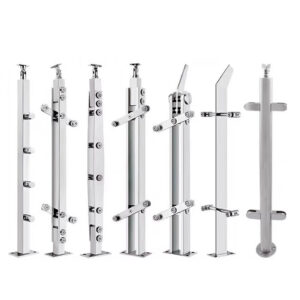
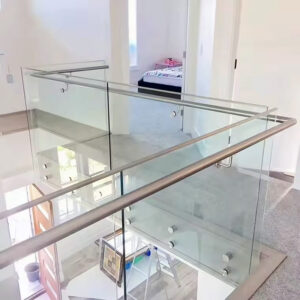
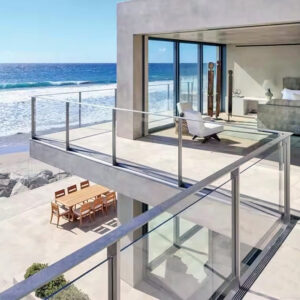
Los tres formatos se diferencian claramente en cuanto a los costes y la prioridad de la línea de visión. Los sistemas con marco utilizan postes y pasamanos de acero inoxidable con relleno de vidrio templado; la carga estructural se reparte entre el marco y el vidrio, lo que permite utilizar paneles más finos, detalles de bordes más sencillos y una mayor tolerancia a las variaciones del sustrato. Los sistemas semisín marco prescinden del pasamanos y ganan en claridad visual sin llegar a exigir la precisión del sustrato que requieren los sistemas totalmente sin marco. Los sistemas sin marco transfieren toda la carga estructural al vidrio y al canal de base, por lo que requieren un vidrio más pesado y un control más estricto de los anclajes.
| Formato de barandilla | Perfil estructural y de costes | Resultados visuales y hardware |
|---|---|---|
| Enmarcado | Rentable; estructura de acero inoxidable con vidrio templado; fabricación e instalación más sencillas | Barandilla y postes visibles; líneas de visión moderadas; mayor presencia de herrajes |
| Semicompacto | Más económico que el sistema sin marco completo; prescinde de la barandilla; conserva la base o el perfil lateral; se adapta mejor a las variaciones del terreno | Campos de visión más despejados que con marcos; los marcos apenas se ven; quedan algunos herrajes |
| Sin marco | Gama Premium; se requiere vidrio templado más grueso; canal de base (montaje superior o lateral); se necesita un mayor control del sustrato | Línea de fachada sin obstáculos; vistas máximas; herrajes prácticamente invisibles |
Independientemente del formato que se elija, los umbrales del código subyacente determinan si el diseño es viable antes de que la estética adquiera relevancia. Como datos de referencia para la planificación, más que como cifras de aplicación universal, los puntos de referencia comunes son una altura mínima de barandilla de 1,1 m para aplicaciones residenciales, una carga de diseño que oscila entre 0,36 kN/m² para interiores residenciales y 1,5 kN/m² para escenarios comerciales y de uso público, y un espacio máximo entre los paneles por debajo de la barandilla inferior a 99 mm. Sigue siendo necesario confirmar la normativa local, pero estas cifras marcan el rumbo de la conversación con su proveedor y fabricante de vidrio desde el principio: el espesor del vidrio, la separación entre montantes y la profundidad de fijación dependen de ellas.
| Parámetro | Residencial (mínimo) | Comercial / Público |
|---|---|---|
| Altura de la barandilla | 1,1 m | Verificar la normativa local; a menudo ≥1,1 m |
| Carga de diseño | 0,36 kN/m² (interno) | Hasta 1,5 kN/m² |
| Distancia máxima por debajo del riel | < 99 mm | < 99 mm |
La configuración de montaje de los sistemas sin marco plantea otra decisión que debe tomarse en una fase temprana: los canales de base de montaje superior se colocan sobre la superficie acabada de la losa y suelen ser más accesibles para su instalación y nivelación, mientras que las configuraciones de montaje lateral se fijan al reborde y afectan tanto al perfil visual como a las exigencias estructurales del borde de la losa. Ninguna de las dos opciones es universalmente superior, pero la elección debe quedar definida antes de que se emitan los planos estructurales, y no resolverse en el momento de la presentación de las ofertas.
Detalles de construcción con estructura de entramado que simplifican la ejecución del proyecto
Los sistemas con marco obtienen su ventaja económica, en parte, gracias al vidrio y, en parte, a la flexibilidad de instalación. Dado que el marco de acero soporta la carga lateral y protege los bordes, las barandillas con marco admiten el tipo de variaciones del sustrato —pequeñas diferencias de nivel, puntos de anclaje ligeramente desalineados, bordes de losas cortados in situ— que obligarían a un sistema sin marco a realizar trabajos de corrección antes de poder colocar el vidrio.
La elección entre esmaltado en seco y esmaltado en húmedo es donde esa flexibilidad se convierte en una decisión de aprovisionamiento y planificación, más que en una cuestión de cumplimiento normativo.
| Método | Cómo simplifica la ejecución de proyectos | Cuándo es preferible |
|---|---|---|
| Esmaltado en seco (fijación mecánica) | Instalación rápida; ajustes sencillos tras el montaje | Plazos ajustados; se prevé un futuro cambio de cristales |
| Esmalte húmedo (sellador estructural) | Crea un sellado permanente resistente a la intemperie | Entornos al aire libre expuestos que requieren una protección resistente a la intemperie |
| Sistemas de barandillas de cristal prefabricadas | Paneles de vidrio con orificios preperforados y rieles de remate listos para instalar; mano de obra mínima in situ | Tramos repetitivos en los que el premontaje fuera de la obra reduce la coordinación in situ |
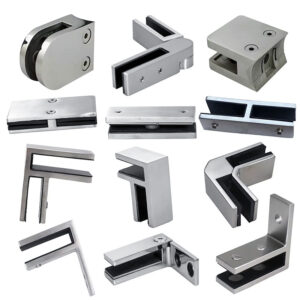
El acristalamiento en seco (fijación mecánica con juntas o placas de presión) permite colocar, ajustar y, si es necesario, sustituir el vidrio sin tener que cortar el sellador ni alterar los paneles adyacentes. En un proyecto residencial con un calendario de entrega ajustado o en un acondicionamiento comercial en el que pueda ser necesario cambiar los paneles de forma secuencial en función de otros oficios, esa facilidad de sustitución es fundamental. Los sistemas de acristalamiento húmedo utilizan sellador estructural para crear una unión resistente a la intemperie, que funciona mejor en entornos expuestos o costeros, pero que complica la futura retirada del vidrio —algo que conviene confirmar con el instalador antes de especificarlo en un balcón muy transitado—.
Los sistemas de barandillas de cristal modulares adoptan un enfoque diferente para simplificar la instalación: los paneles de cristal, que llegan con los orificios ya perforados, están preparados para su instalación inmediata Conjuntos de barandillas con cubierta de cristal, lo que reduce la coordinación in situ necesaria entre el cristalero y el fabricante de estructuras de acero en tramos repetitivos. Este enfoque resulta especialmente útil cuando el mismo módulo se repite en varias naves y el proyecto puede asumir el plazo de entrega que conlleva el premontaje en fábrica; sin embargo, resulta menos útil en geometrías irregulares o en trabajos de tiradas cortas en los que predominan las dimensiones a medida.
Una consecuencia de los sistemas con marco que a menudo se pasa por alto es la protección de los bordes. Dado que el marco de acero rodea el perímetro del vidrio, un panel que se rompa por un impacto o por una inclusión interna queda en gran medida contenido dentro del marco, en lugar de dejar inmediatamente un hueco abierto en el relleno. Esta característica no solo influye en la urgencia de la sustitución, sino también en cómo el administrador del edificio mantiene el acceso al balcón durante las horas que transcurren entre la rotura y la sustitución del vidrio.
Diseños semisín marco que combinan vistas y resistencia
El sistema «semi-sin marco» ocupa un nicho específico: proyectos en los que los herrajes con marco resultan visualmente pesados, pero en los que el sustrato o el presupuesto no permiten la precisión que exige una instalación totalmente sin marco. A menudo se utiliza en reformas residenciales y hoteleras de gama media, donde la línea de visión es una prioridad fundamental, pero en las que la losa o el parapeto del balcón existentes presentan suficientes irregularidades como para que las tolerancias de una instalación sin marco resulten arriesgadas.
La lógica estructural que subyace al sistema «semi-sin marco» consiste en que el canal base o lateral —que permanece visible— sujeta los paneles de vidrio y controla la carga lateral, mientras que la ausencia de un pasamanos visible reduce la presencia de herrajes a la altura de la vista. Dado que el canal desempeña una función estructural, los requisitos de grosor del vidrio son menores que en el sistema totalmente sin marco, y la separación entre los anclajes puede ser más flexible. Esta es la configuración que más probabilidades tiene de ofrecer una solución intermedia viable cuando el cliente desea disfrutar de las vistas y el contratista necesita flexibilidad en la obra.
Los sistemas semisínmarco suelen plantear problemas en las transiciones. El paso de un tramo semisínmarco a una sección de escalera, un poste de esquina o una sección con marco adyacente requiere una cuidadosa coordinación de los herrajes, ya que cambian la geometría de los perfiles y los requisitos de los postes. Si estas transiciones no se resuelven en los planos de fabricación antes de que comience la instalación, es probable que haya que realizar modificaciones in situ en las longitudes de los canales o en la posición de los postes, y las modificaciones in situ en el acero inoxidable provocan inconsistencias en el acabado que son difíciles de corregir sin sustituir los componentes.
La ventaja en cuanto a tolerancia con respecto al sistema sin marco es real, pero tiene sus límites. Si la variación del sustrato supera lo que el canal y el vidrio pueden compensar con los métodos estándar de cuñas y relleno, el sistema semisín marco seguirá requiriendo trabajos de corrección. Es más tolerante que el sistema sin marco, pero no es tolerante de forma incondicional.
Faltas de coordinación que provocan cambios de última hora en el hardware
El tipo de fallo que con mayor probabilidad da lugar a modificaciones de última hora en el hardware no es un error de diseño, sino un error de coordinación. El proveedor de vidrio, el fabricante de acero y el instalador in situ son responsables cada uno de una parte de la interfaz, y cuando las comunicaciones entre ellos se producen de forma secuencial en lugar de en paralelo, las incompatibilidades salen a la luz en la obra en lugar de en los planos.
| Falta de coordinación | Riesgo si no está claro | Qué confirmar |
|---|---|---|
| Rotura espontánea del vidrio (por impacto, vandalismo o inclusiones de NiS) | Una estrategia de sustitución mal definida provoca retrasos en el calendario y costes adicionales | Plazo de entrega del cristal de recambio, plan de acceso y quién realiza la sustitución |
| Barandilla fijada a un tejado de membrana | Se han añadido detalles de impermeabilización a última hora; modificaciones y cambios en los herrajes | Integración temprana de la impermeabilización con los detalles de la base de la balaustrada |
| Coordinación entre las distintas partes implicadas (proveedor de vidrio, fabricante de acero, instalador) | Se han detectado patrones de orificios y tapas de bordes que no coinciden en la obra | Alineación de la disposición de los orificios, ajuste de la cubierta de los bordes y secuencia de coordinación antes de la fabricación |
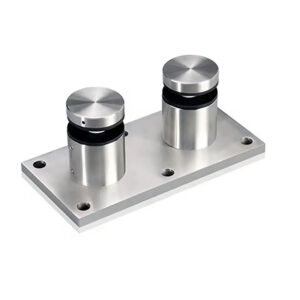
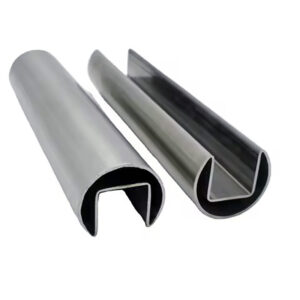
La falta de coordinación entre el proveedor de vidrio y el fabricante de acero es la causa más habitual de cambios de última hora en proyectos sin marco y semisín marco. Los patrones de perforación del vidrio templado no pueden modificarse una vez finalizado el proceso de templado; en ese caso, es necesario volver a fabricar el panel. Si las dimensiones del perfil de la zapata base del fabricante de acero se confirman después de que ya se haya encargado el vidrio con un patrón de orificios diferente, el retraso resultante suele medirse en semanas, no en días. Para resolver esto se requiere una secuencia de presentación coordinada en la que el perfil, el patrón de orificios y las dimensiones de la cubierta de los bordes sean aprobados por las tres partes antes de que se dé luz verde a la fabricación. Canales para zapatos con base de cristal Los que se especifican con patrones de orificios fijos deben confirmarse al mismo tiempo que el pedido de vidrio, no después.
La unión entre la cubierta y la membrana impermeabilizante es un fallo de coordinación menos frecuente, pero con mayores consecuencias. Cuando se fija una balaustrada a través de una membrana impermeabilizante, es necesario acordar los detalles de la base con el contratista encargado de la impermeabilización antes de instalar cualquiera de los dos elementos. La adaptación de un detalle de tapajuntas o sellador alrededor de un poste de balaustrada que ya está fijado a la estructura suele requerir la retirada del poste, lo que implica alterar el vidrio y, potencialmente, el riel superior —un trabajo que resulta caro y visible—.
Conviene abordar desde el principio la cuestión de la rotura espontánea del vidrio provocada por inclusiones de sulfuro de níquel o por impactos, no porque se trate de un suceso predecible, sino porque la falta de un plan de sustitución da lugar a una respuesta desproporcionada cuando finalmente se produce. Confirmar los plazos de entrega del vidrio de sustitución, el acceso al emplazamiento para la retirada de los paneles y quién es el responsable de los trabajos antes de que finalice el proyecto evita que un panel fracturado se convierta en un problema de gestión de las instalaciones sin una vía clara de resolución. Para obtener más información sobre cómo evaluar las relaciones con los proveedores que sustentan este tipo de continuidad, consulte Cómo evaluar a un proveedor de barandillas de acero inoxidable antes de realizar un pedido al por mayor aborda los aspectos relacionados con la contratación.
La norma ASTM E985-24 trata sobre los sistemas de barandillas metálicas fijas para edificios y ofrece un punto de referencia útil para comprender cómo los requisitos de rendimiento del sistema se traducen en obligaciones de diseño y fabricación, lo cual resulta especialmente relevante a la hora de coordinar los distintos oficios en un proyecto comercial.
Las características que justifican el sobreprecio de los modelos sin marco
El diseño sin marco justifica su coste cuando una vista sin obstáculos es una prioridad real del proyecto, y no un supuesto por defecto. El error consiste en optar por el diseño sin marco simplemente porque se percibe como la opción de mayor calidad, en lugar de hacerlo porque las condiciones específicas del proyecto justifiquen las exigencias estructurales y de coordinación adicionales que conlleva.
Los requisitos de espesor del vidrio lo ilustran claramente. Como valores límite de diseño que se aplican en las normas más habituales, los sistemas sin marco suelen requerir un mínimo de 12,7 mm de vidrio templado para aplicaciones residenciales y de 16 mm para entornos comerciales. Estos no son intercambiables con los paneles más finos utilizados en los sistemas con marco, y el aumento del peso del vidrio y del coste de manipulación de los paneles es significativo a gran escala. En un gran balcón comercial o en un complejo residencial de varios pisos, la diferencia de espesor se traduce en un mayor coste del vidrio, equipos de manipulación más pesados en la obra y plazos de entrega más largos si es necesario sustituir los paneles.
| Condición | Lo que exige | Cuando el diseño sin marco justifica el sobreprecio |
|---|---|---|
| Espesor mínimo del vidrio | Residencial: vidrio templado de 12,7 mm; Comercial: vidrio templado de 16 mm | El proyecto permite trabajar con vidrio más grueso y pesado, así como asumir los costes de manipulación |
| Aplicaciones en escaleras | Los tipos alternativos de barandillas suelen ofrecer una mejor relación calidad-precio | Solo si es imprescindible que no haya obstáculos en la visión de las escaleras y el presupuesto lo permite |
| Especificaciones del vidrio laminado | Aumenta el coste de los materiales; evita que caigan los cristales rotos | Las prioridades en materia de seguridad (acristalamientos en altura, zonas de mucho tránsito) justifican el gasto adicional |
| Control preciso del canal base y del sustrato | Se requieren tolerancias de fabricación y precisión del sustrato más estrictas | El equipo de diseño se compromete a coordinar la interfaz desde el principio y a garantizar una instalación precisa |
La cuestión del vidrio laminado supone un coste adicional que rara vez se incluye en los presupuestos iniciales para sistemas sin marco. El vidrio templado de una sola capa cumple los requisitos estructurales en muchas aplicaciones sin marco, pero en zonas de mucho tránsito o en altura, el comportamiento tras la rotura de un panel templado —que se hace añicos en pequeños fragmentos en lugar de mantenerse unido— puede no cumplir las prioridades de seguridad del proyecto. El vidrio laminado, que mantiene su integridad tras la rotura, resuelve ese riesgo, pero añade un coste de material y un peso adicionales con respecto a la especificación de solo vidrio templado. Que ese coste esté justificado depende de la aplicación específica; no es un requisito universal para las estructuras sin marco, pero es una cuestión que debe resolverse antes de que se cierre la especificación del vidrio.
Las aplicaciones en escaleras son un ámbito en el que los sistemas sin marco suelen ofrecer menos ventajas de las esperadas. La geometría de los tramos inclinados de las escaleras, la necesidad de paneles con corte inclinado o canales de base inclinados, y la complejidad visual de las transiciones en los rellanos suelen implicar que los sistemas sin marco en las escaleras requieran una fabricación más personalizada y generen más riesgos de interfaz que las alternativas con marco o semisín marco, a un coste base más elevado. A menos que la intención del diseño requiera específicamente un cristal continuo e ininterrumpido desde el balcón hasta la escalera y el rellano, una especificación mixta suele ofrecer mejores resultados tanto en términos de coste como de coordinación.
El requisito de precisión del perfil de base es el compromiso estructural que distingue a los proyectos que pueden incorporar sistemas sin marco de aquellos que no pueden. El perfil debe colocarse a nivel y a la altura correcta antes de instalar el vidrio, lo que significa que el sustrato debe prepararse con tolerancias más estrictas que las que requieren los sistemas con marco. En proyectos de renovación o cuando el acabado de la losa es variable, esa preparación del sustrato supone un coste adicional que debe especificarse explícitamente en el alcance del proyecto, en lugar de dar por sentado que está incluido en las tarifas de instalación estándar.
La consideración más clara que hay que tener en cuenta antes de adquirir una barandilla de cristal para un balcón es la siguiente: hay que determinar qué sistema se adapta de forma realista a la superficie de apoyo, el proceso de fabricación y los requisitos de seguridad antes de decidir la opción estética definitiva. Los sistemas con marco y semisín marco toleran mejor las variaciones in situ y facilitan la sustitución del vidrio en caso de rotura de un panel, ventajas que cobran importancia a lo largo de toda la vida útil de la instalación, no solo en el momento de la entrega. Los sistemas sin marco ofrecen el resultado previsto cuando el proyecto se compromete desde el principio a un control más estricto del sustrato, a una coordinación de la documentación entre el proveedor de vidrio, el fabricante y el instalador, y a una especificación clara del vidrio que tenga en cuenta desde el principio los requisitos de espesor y de actuación tras una rotura.
El siguiente paso práctico consiste en definir la secuencia de coordinación de las uniones: confirmar los patrones de perforación y las dimensiones de los canales antes de encargar el templado del vidrio, acordar los detalles de la base con el contratista encargado de la impermeabilización si hay uniones con membranas, y establecer una estrategia de sustitución con el proveedor de vidrio antes de que finalice el proyecto. Esos tres pasos reducen la probabilidad de que se produzcan cambios de última hora que encarecen las especificaciones de la balaustrada más de lo necesario.
Preguntas frecuentes
P: ¿Cambia la elección entre ventanas con marco y sin marco si el balcón forma parte de una reforma en lugar de una obra nueva?
R: Sí, de manera significativa. Los proyectos de renovación son aquellos en los que los requisitos de control del sustrato para los sistemas sin marco suelen convertirse en un factor de exclusión. Las losas existentes suelen presentar irregularidades en la superficie, secciones reparadas o fijaciones instaladas posteriormente que no cumplen las tolerancias más estrictas que exige un canal base sin marco, lo que significa que la rehabilitación del sustrato se convierte en un coste imprevisto antes incluso de poder colocar el vidrio. Los sistemas con marco o semisín marco suelen ser la opción más fiable para los trabajos de renovación, a menos que un estudio del estado de la losa haya confirmado ya que el sustrato es adecuado para la colocación de anclajes sin marco sin necesidad de preparación previa.
P: Una vez elegido el tipo de sistema y dado el visto bueno a la fabricación, ¿qué hay que comprobar antes de comenzar la instalación in situ?
R: Los tres aspectos de coordinación que suelen generar más problemas si no se resuelven son: la aprobación del patrón de orificios y las dimensiones de los canales por parte del proveedor de vidrio, el fabricante de acero y el instalador —lo cual debe hacerse antes de que el vidrio se envíe al templado—; los detalles de impermeabilización de la base si la barandilla se fija a través de una membrana, lo cual debe confirmarse con el contratista de impermeabilización antes de instalar cualquiera de los elementos; y una estrategia de sustitución documentada con el proveedor de vidrio que cubra los plazos de entrega y el acceso a los paneles. Se trata de pasos de coordinación, no de diseño, y se resuelven con mayor eficacia durante la fase de presentación de proyectos que una vez iniciada la fabricación.
P: ¿En qué momento el requisito de carga, y no la preferencia estética, se convierte en el factor que obliga a cambiar el sistema?
R: Cuando la carga de diseño alcanza los umbrales de uso comercial y público —alrededor de 1,5 kN/m²—, las exigencias estructurales en cuanto al espesor del vidrio y la capacidad de anclaje se vuelven tan estrictas que un sistema sin marco, elegido principalmente por razones estéticas, podría no cumplir la normativa sin paneles de vidrio, profundidades de fijación o secciones de perfil que superen lo presupuestado. Los sistemas con marco, en los que la carga lateral se reparte entre el marco de acero y el vidrio, suelen adaptarse a situaciones de mayor carga con un menor impacto en el espesor del vidrio y la separación entre anclajes. Si la clasificación de carga se estableció como residencial durante el desarrollo del diseño, pero la categoría de uso cambia —por ejemplo, una terraza en la azotea reclasificada como de acceso público—, puede ser necesario revisar toda la especificación del vidrio y la fijación.
P: ¿Es la opción sin marco siempre más cara que la semisín marco, o hay casos en los que la diferencia de precio se reduce?
R: La diferencia se reduce en proyectos con tramos rectos largos y repetitivos y un sustrato bien preparado, en los que la fabricación sin marco puede estandarizarse y el coste adicional del perfil de base se compensa con la reducción de los herrajes de los postes y los rieles superiores. Los sistemas semisínmarco tienen sus propios factores de coste: los detalles de transición en esquinas, escaleras y secciones con marco adyacentes requieren una coordinación de herrajes a medida que se acumula rápidamente en geometrías irregulares. La comparación práctica no es entre sinmarco y semisínmarco en términos de precios de catálogo, sino del coste total de instalación, incluyendo la preparación del sustrato, la fabricación de las transiciones y la estrategia de sustitución para cada sistema en la geometría específica del proyecto.
P: ¿Es obligatorio utilizar vidrio laminado en aplicaciones sin marco, o es siempre opcional?
R: El vidrio laminado no es un requisito universal para las barandillas sin marco, pero pasa de ser opcional a ser prácticamente imprescindible en determinadas condiciones: orientaciones de vidrio en altura o casi en altura, donde la caída de fragmentos tras la rotura supone un riesgo para la seguridad; zonas comerciales de alto tráfico, donde la rotura del vidrio templado en pequeños fragmentos crearía problemas inmediatos de gestión de riesgos; y proyectos en los que las especificaciones de seguridad del edificio o los requisitos de la aseguradora abordan la integridad del panel tras la rotura. En aplicaciones estándar de balcones verticales a una altura accesible, el vidrio templado de un solo panel cumple los requisitos estructurales en muchas especificaciones sin marco. La decisión debe tomarse en función de la aplicación específica y las especificaciones de seguridad antes de que se concrete la especificación del vidrio, sin dar nada por sentado.