إن تحديد مواصفات درابزين الشرفة كما لو كان قرارًا بصريًا في المقام الأول هو أحد أكثر الطرق الموثوقة لإحداث تغييرات متأخرة في الأجهزة وتجاوزات في الجدول الزمني. تختلف المتطلبات الإنشائية بين الأنظمة المؤطرة وشبه الخالية من الإطارات والأنظمة الخالية من الإطارات اختلافًا حادًا بما يكفي ليظهر الاختيار الذي تم اتخاذه لأسباب جمالية في تطوير التصميم كمشكلة في الركيزة أو المرساة أثناء التركيب - في النقطة التي يكون فيها التصحيح أكثر تكلفة. القرار الذي يحسم هذا الأمر ليس أي نظام يبدو أفضل، ولكن أي نظام يمكن أن تدعمه بالفعل الركيزة والميزانية وتسلسل التنسيق وأولويات السلامة في المشروع. ما يلي يعطيك المعايير اللازمة لاتخاذ هذا الحكم قبل أن يحصر التصنيع خياراتك.
تنسيقات الدرابزين التي عادة ما يقارنها المشترون أولاً
يدخل معظم المشترين في المقارنة على المستوى الخاطئ. يبدو السؤال المتعلق بالمقارنة بين اللوحات المؤطرة مقابل اللوحات الخالية من الإطارات وكأنه اختيار منتج، ولكنه في الواقع قرار هيكلي وتسلسلي يحدد تفاوتات التصنيع وسماكة الزجاج وترتيب التركيب واستراتيجية الاستبدال قبل طلب لوحة واحدة.
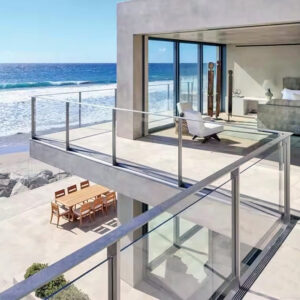
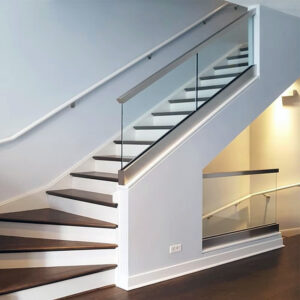
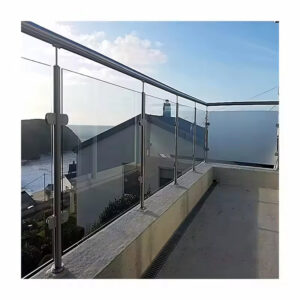
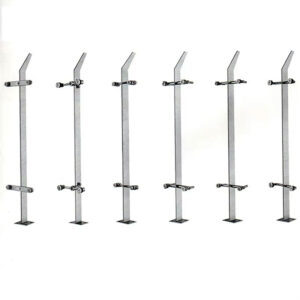
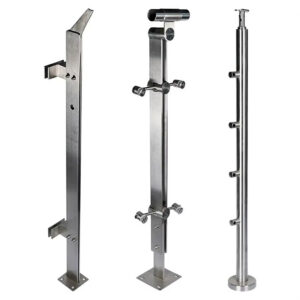
تنقسم الأشكال الثلاثة بوضوح على أولوية التعرض للتكلفة وخط الرؤية. تستخدم الأنظمة ذات الإطارات أعمدة ودرابزين من الفولاذ المقاوم للصدأ مع حشوة زجاجية مقواة - يتم تقاسم الحمل الهيكلي بين الإطار والزجاج، مما يسمح بألواح أرق وتفاصيل حواف أبسط ومزيد من التسامح مع اختلاف الركيزة. تزيل الأنظمة شبه الخالية من الإطارات الدرابزين وتكتسب وضوحاً في خط الرؤية دون أن تتخطى دقة الركيزة التي تتطلبها الأنظمة الخالية من الإطارات بالكامل. تنقل الأنظمة بدون إطار جميع الأحمال الهيكلية إلى الزجاج والقناة الأساسية، وهذا هو السبب في أنها تتطلب زجاجًا أثقل وتحكمًا أكثر إحكامًا في التثبيت.
| تنسيق الدرابزين | الملامح الهيكلية والتكلفة | النتائج المرئية والأجهزة |
|---|---|---|
| مؤطر | فعالة من حيث التكلفة؛ إطار من الفولاذ المقاوم للصدأ مع زجاج مقوى؛ سهولة التصنيع والتركيب | درابزين ودعامات مرئية؛ خطوط رؤية معتدلة؛ وجود أجهزة أعلى |
| شبه عديم الإطار | تكلفة أقل من التكلفة الكاملة بدون إطار؛ لا تحتوي على درابزين؛ تحتفظ بالقاعدة أو القناة الجانبية؛ تتحمل المزيد من الاختلافات في الموقع | خطوط رؤية أوضح من الإطار؛ الحد الأدنى من الإطارات مرئية؛ بعض الأجهزة متبقية |
| بدون إطار | زجاج مقوى أكثر سمكًا مطلوب زجاج مقوى أكثر سمكًا؛ قناة قاعدة (تركيب علوي أو جانبي)؛ تحكم أكثر إحكامًا في الركيزة | خط واجهة بدون عائق؛ أقصى قدر من الرؤية؛ أجهزة غير مرئية تقريباً |
أياً كان الشكل الذي يتم اختياره، فإن عتبات الكود الأساسية تحدد ما إذا كان التصميم قابلاً للتطبيق قبل أن تصبح الجماليات ذات صلة. وكمدخلات تخطيطية وليس كأرقام تحكم عالمياً، فإن النقاط المرجعية المشتركة هي الحد الأدنى لارتفاع السور البالغ 1.1 متر للتطبيقات السكنية، وتحميل التصميم الذي يتراوح بين 0.36 كيلو نيوتن/متر مربع للسكن الداخلي إلى 1.5 كيلو نيوتن/متر مربع لسيناريوهات الاستخدام التجاري والعام، وأقصى فجوة ردم تحت السور أقل من 99 ملم. يظل التأكيد على الكود المحلي ضروريًا، ولكن هذه الأرقام تشكل المحادثة مع مورد الزجاج والمصنع في وقت مبكر - سمك الزجاج، وتباعد الأعمدة وعمق التثبيت كلها تستجيب لها.
| المعلمة | سكني (الحد الأدنى) | تجاري / عام |
|---|---|---|
| ارتفاع الدرابزين | 1.1 m | تأكد من الرمز المحلي؛ غالباً ≥ 1.1 م |
| تحميل التصميم | 0.36 كيلو نيوتن/م² (داخلي) | حتى 1.5 كيلو نيوتن/م² |
| أقصى فجوة أسفل السكة | < 99 مم | < 99 مم |
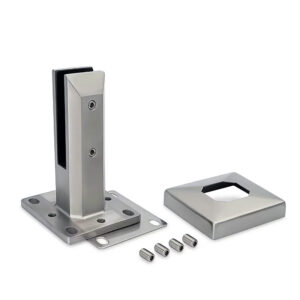
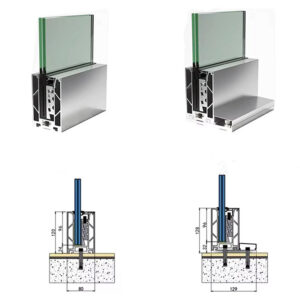
يضيف تكوين التركيب للأنظمة بدون إطار قرارًا مبكرًا آخر: توضع قنوات القاعدة المثبتة في الأعلى على سطح البلاطة النهائي وعادةً ما يكون الوصول إليها أكثر سهولة للتركيب والتسوية، بينما يتم تثبيت تكوينات التركيب الجانبي على الواجهة وتؤثر على كل من المظهر المرئي والطلب الهيكلي على حافة البلاطة. لا يعتبر أي منهما أفضل من الآخر بشكل عام، ولكن يجب أن يكون الاختيار محسومًا قبل إصدار الرسومات الإنشائية، ولا يتم حسمه عند إعادة المناقصة.
تفاصيل البناء المؤطرة التي تبسط تنفيذ المشروع
تكتسب الأنظمة المؤطرة ميزة التكلفة جزئياً من خلال الزجاج وجزئياً من خلال مرونة التركيب. ونظرًا لأن الإطار الفولاذي يحمل الحمولة الجانبية وحماية الحواف، فإن الدرابزينات المؤطرة تتحمل نوعًا من الاختلافات في الركيزة - اختلافات طفيفة في المستوى، ونقاط تثبيت غير متناسقة قليلاً، وحواف الألواح المقطوعة ميدانيًا - والتي من شأنها أن تتسبب في أن يتطلب نظام بدون إطار أعمالاً علاجية قبل أن يتم تركيب الزجاج.
فالاختيار بين التزجيج الجاف والتزجيج الرطب هو المكان الذي تصبح فيه هذه المرونة قرار شراء وجدولة وليس قرار امتثال.
| الطريقة | كيفية تبسيط تنفيذ المشروع | متى تفضل |
|---|---|---|
| التزجيج الجاف (التثبيت الميكانيكي) | تركيب سريع؛ تعديلات سهلة بعد التركيب | جداول زمنية ضيقة؛ من المتوقع استبدال الزجاج في المستقبل |
| طلاء زجاجي رطب (مانع تسرب هيكلي) | إنشاء مانع تسرب دائم مقاوم للعوامل الجوية | البيئات الخارجية المكشوفة التي تتطلب مقاومة قوية للعوامل الجوية |
| أنظمة السور الزجاجي الموحد | ألواح زجاجية مثقوبة مسبقًا مع قضبان زجاجية جاهزة للتركيب؛ الحد الأدنى من العمالة في الموقع | الامتدادات المتكررة حيث يقلل التجميع المسبق خارج الموقع من التنسيق الميداني |
يتيح التزجيج الجاف (التثبيت الميكانيكي بحشوات أو ألواح ضغط) إمكانية ضبط الزجاج وتعديله واستبداله إذا لزم الأمر دون قطع المادة المانعة للتسرب أو إزعاج الألواح المجاورة. في المشاريع السكنية ذات الجدول الزمني الضيق للتسليم أو التجهيزات التجارية حيث قد يلزم تبديل الألواح بالتسلسل حول الأعمال الأخرى، فإن إمكانية الاستبدال هذه مهمة. تستخدم أنظمة التزجيج الرطب مانع التسرب الهيكلي لإنشاء رابطة مقاومة للعوامل الجوية، والتي تعمل بشكل أفضل في البيئات المكشوفة أو الساحلية ولكنها تجعل إزالة الزجاج في المستقبل مهمة أكثر تعقيدًا - وهو أمر يستحق التأكد من عامل التركيب قبل تحديده في شرفة ذات حركة مرور عالية.
تتخذ أنظمة السور الزجاجي الموحّد مسارًا مختلفًا لتبسيط التنفيذ: تصل الألواح الزجاجية المثقوبة مسبقًا مطابقة للألواح الجاهزة للتركيب تجميعات السكك الحديدية ذات الغطاء الزجاجي, مما يقلل من التنسيق الميداني المطلوب بين المزجج ومصنع الفولاذ على الامتدادات المتكررة. يكون هذا النهج أكثر قيمة عندما تتكرر نفس الوحدة عبر خلجان متعددة ويمكن للمشروع أن يستوعب الوقت اللازم للتجميع المسبق في المصنع - وهو أقل فائدة في الأعمال الهندسية غير المنتظمة أو الأعمال قصيرة المدى حيث تهيمن الأبعاد المخصصة.
النتيجة النهائية للأنظمة المؤطرة التي غالباً ما تكون غير مذكورة هي حماية الحواف. نظرًا لأن الإطار الفولاذي يحيط بمحيط الزجاج، فإن اللوح الذي ينكسر من الصدمة أو التضمين الداخلي يظل محتجزًا إلى حد كبير داخل الإطار بدلاً من تقديم فجوة مفتوحة على الفور. لا تؤثر هذه الخاصية على الحاجة الملحة للاستبدال فحسب، بل تؤثر أيضاً على كيفية حفاظ مدير المبنى على إمكانية الوصول إلى الشرفة في الساعات الفاصلة بين الكسر واستبدال الزجاج.
تخطيطات شبه بدون إطار توازن بين العرض والتسامح
تحتل الأجهزة شبه الخالية من الإطارات مكانًا محددًا: المشاريع التي تبدو فيها الأجهزة المؤطرة ثقيلة بصريًا ولكن لا يمكن للركيزة أو الميزانية أن تدعم الدقة التي يتطلبها التركيب بدون إطار بالكامل. وغالباً ما يتم تخصيصها للتجديدات السكنية والضيافة متوسطة المدى حيث تكون خطوط الرؤية أولوية حقيقية ولكن اللوح أو حاجز الشرفة الحالي قد تراكمت فيه تباينات كافية لجعل التفاوتات بدون إطار محفوفة بالمخاطر.
المنطق الهيكلي وراء التصميم شبه الخالي من الإطارات هو أن القاعدة أو القناة الجانبية - التي تظل موجودة - تثبت الألواح الزجاجية وتتحكم في الحمل الجانبي، بينما يقلل عدم وجود درابزين مرئي من بصمة الأجهزة على مستوى العين. ولأن القناة تقوم بعمل هيكلي، فإن متطلبات سماكة الزجاج تكون أقل من الزجاج بدون إطار كامل، ويمكن أن تكون مسافات التثبيت أكثر تساهلاً. هذا هو التكوين الأكثر احتمالاً لتقديم مسار وسطي عملي عندما يرغب العميل في الحصول على المنظر ويحتاج المقاول إلى المرونة في الموقع.
تكمن المشاكل التي تميل الأنظمة شبه الخالية من الإطارات إلى إحداثها في نقاط الانتقال. فالانتقال من مسار شبه خالٍ من الإطارات إلى قسم سلم، أو عمود زاوية، أو قسم مجاور ذي إطار يتطلب تنسيقًا دقيقًا لمكونات التثبيت، نظرًا لتغير هندسة القنوات ومتطلبات الأعمدة. وإذا لم يتم حل هذه الانتقالات في رسومات التصنيع قبل بدء التركيب، فمن المرجح إجراء تعديلات ميدانية على أطوال القنوات أو مواقع الأعمدة — وتؤدي التعديلات الميدانية على الفولاذ المقاوم للصدأ إلى ظهور تباينات في التشطيب يصعب تصحيحها دون استبدال المكونات.
ميزة التسامح التي يتمتع بها هذا النظام مقارنةً بالنظام الخالي من الإطارات حقيقية، لكنها لها حدودها. فإذا تجاوزت التباينات في السطح الأساسي ما يمكن للقناة والزجاج استيعابه باستخدام الطرق القياسية التي تعتمد على الرفادات والحشو، فسيظل النظام شبه الخالي من الإطارات بحاجة إلى أعمال تصحيحية. فهو أكثر تسامحًا من النظام الخالي من الإطارات، لكنه ليس متسامحًا بشكل مطلق.
ثغرات التنسيق التي تؤدي إلى إجراء تغييرات متأخرة على الأجهزة
إن نمط الفشل الأكثر احتمالاً للتسبب في تغييرات متأخرة في الأجهزة ليس خطأً في التصميم — بل هو خطأ في التسلسل. فكل من مورد الزجاج ومصنع الفولاذ وفني التركيب في الموقع يتولى جزءًا من عملية التنسيق، وعندما تجري هذه المحادثات بشكل متسلسل بدلاً من أن تجري بشكل متوازٍ، تظهر حالات عدم التوافق في الموقع بدلاً من أن تظهر في الرسومات.
| فجوة التنسيق | المخاطر إذا كانت غير واضحة | ما الذي يجب تأكيده |
|---|---|---|
| الكسر التلقائي للزجاج (الصدم، التخريب، شوائب NiS) | تؤدي استراتيجية الاستبدال غير المحددة إلى تأخيرات في الجدول الزمني وتكاليف إضافية | المهلة الزمنية اللازمة لاستبدال الزجاج، وخطة الوصول، والجهة المسؤولة عن إجراء الاستبدال |
| درابزين مثبت على سقف غشائي | تمت إضافة تفاصيل العزل المائي في مرحلة متأخرة؛ وإجراء تعديلات على التصميم وتغييرات في المكونات المعدنية | الدمج المبكر لعملية العزل المائي مع تفاصيل قاعدة الدرابزين |
| تنسيق العمل بين الأطراف المعنية (مورد الزجاج، مصنع الفولاذ، المُركِّب) | اكتشاف أنماط ثقوب غير متطابقة وأغطية حواف في الموقع | محاذاة نمط الثقوب، وملاءمة غطاء الحواف، وتسلسل التنسيق قبل التصنيع |
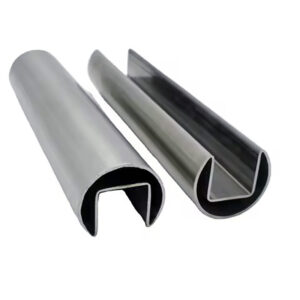
تعد فجوة التنسيق بين مورد الزجاج ومصنع الفولاذ المصدر الأكثر شيوعًا للتغييرات المتأخرة في المشاريع الخالية من الإطارات وشبه الخالية من الإطارات. لا يمكن تعديل أنماط الثقوب المحفورة في الزجاج المقوى بعد عملية التصلب — بل يجب إعادة تصنيع اللوحة. وإذا تم تأكيد أبعاد قناة الحذاء القاعدي من قبل مصنع الفولاذ بعد أن تم بالفعل طلب الزجاج بنمط ثقوب مختلف، فإن التأخير الناتج يُقاس عادةً بالأسابيع، وليس بالأيام. ويستلزم حل هذه المشكلة تسلسلاً منسقاً لتقديم المستندات، حيث يتم اعتماد أبعاد مقطع القناة ونمط الثقوب وأبعاد غطاء الحواف من قبل الأطراف الثلاثة جميعها قبل البدء في أي عملية تصنيع. قنوات للأحذية ذات القاعدة الزجاجية يجب تأكيد الطلبات التي تتضمن أنماط ثقوب ثابتة في نفس وقت طلب الزجاج، وليس بعد ذلك.
تُعدّ واجهة السقف الغشائية ثغرة تنسيقية أقل شيوعًا ولكنها ذات عواقب أخطر. فعندما يتم تثبيت درابزين عبر غشاء مانع لتسرب المياه، يجب تسوية تفاصيل القاعدة مع مقاول العزل المائي قبل تركيب أي من العنصرين. وعادةً ما يتطلب إجراء تعديلات لاحقة على تفاصيل الحواف المعدنية أو مادة مانعة للتسرب حول عمود الدرابزين المثبت بالفعل في الهيكل إزالة العمود، مما يعني المساس بالزجاج وربما بقضيب التاج — وهو عمل مكلف ومرئي في آن واحد.
يجب التطرق مبكرًا إلى مسألة الكسر التلقائي للزجاج الناجم عن شوائب كبريتيد النيكل أو الصدمات، ليس لأنه حدث يمكن التنبؤ به، بل لأن عدم وجود خطة استبدال يؤدي إلى رد فعل غير متناسب عند حدوثه. إن التأكد من المهل الزمنية اللازمة لاستبدال الزجاج، وإمكانية الوصول إلى الموقع لإزالة الألواح، وتحديد الجهة المسؤولة عن العمل قبل إغلاق المشروع، يساعد على تجنب الموقف الذي تصبح فيه اللوحة المكسورة مشكلة تتعلق بإدارة المرافق دون وجود مسار واضح لحلها. لمزيد من المعلومات حول تقييم علاقات الموردين التي تدعم هذا النوع من الاستمرارية، يرجى مراجعة كيفية تقييم مورد درابزين من الفولاذ المقاوم للصدأ قبل تقديم طلب شراء بالجملة يتناول الاعتبارات المتعلقة بجانب المشتريات.
تتناول المواصفة القياسية ASTM E985-24 أنظمة الدرابزينات المعدنية الدائمة للمباني، وتوفر مرجعًا مفيدًا لفهم كيفية ترجمة متطلبات أداء النظام إلى التزامات التصميم والتصنيع — وهو أمر ذو أهمية خاصة عند التنسيق بين مجموعات الأعمال المتعددة في مشروع تجاري.
الشروط التي تجعل الشاشات الخالية من الإطار تستحق السعر المرتفع
تبرر التصميمات الخالية من الإطارات تكلفتها عندما تكون الرؤية الخالية من العوائق أولوية حقيقية للمشروع — وليس مجرد افتراض افتراضي. ويكمن الخطأ في اختيار التصميم الخالي من الإطارات لمجرد أنه يُنظر إليه على أنه الخيار الفاخر، وليس لأن الظروف المحددة للمشروع تبرر المتطلبات الهيكلية والتنسيقية الإضافية التي يفرضها.
وتوضح متطلبات سماكة الزجاج ذلك بوضوح. وباعتبارها عتبات تصميمية تنطبق عبر المعايير المرجعية الشائعة، تتطلب الأنظمة الخالية من الإطارات عادةً زجاجًا مقوى بسماكة لا تقل عن 12.7 ملم للتطبيقات السكنية و16 ملم للتطبيقات التجارية. ولا يمكن استبدال هذه الألواح بالألواح الأرق المستخدمة في الأنظمة ذات الإطارات، كما أن الزيادة في وزن الزجاج وتكلفة مناولة الألواح تكون ذات أهمية كبيرة عند تطبيقها على نطاق واسع. ففي الشرفات التجارية الكبيرة أو المشاريع السكنية متعددة الطوابق، يُترجم الفارق في السماكة إلى ارتفاع تكلفة الزجاج، واستخدام معدات مناولة أثقل في الموقع، وزيادة المدة الزمنية اللازمة في حالة الحاجة إلى استبدال الألواح.
| الحالة | ما يتطلبه الأمر | عندما يستحق التصميم بدون إطار السعر الأعلى |
|---|---|---|
| الحد الأدنى لسمك الزجاج | الاستخدامات السكنية: زجاج مقوى بسماكة 12.7 ملم؛ الاستخدامات التجارية: زجاج مقوى بسماكة 16 ملم | يمكن لهذا المشروع استيعاب زجاج أكثر سمكًا وأثقل وزنًا، فضلاً عن تكاليف مناولته |
| تطبيقات السلالم | غالبًا ما توفر أنواع الدرابزينات البديلة قيمة أفضل | فقط إذا كانت الرؤية المباشرة على الدرج أمرًا ضروريًا وكانت الميزانية تسمح بذلك |
| مواصفات الزجاج الرقائقي | تكلفة المواد الإضافية؛ يمنع الزجاج المكسور من السقوط | تبرر أولويات السلامة (الزجاج العلوي، والمناطق ذات الكثافة المرورية العالية) تحمل تكاليف إضافية |
| التحكم الدقيق في القناة الأساسية والركيزة | يلزم توفير تفاوتات تصنيع أقل ودقة أعلى في الركيزة | يلتزم فريق التصميم بالتنسيق المبكر بشأن الواجهة والتركيب الدقيق |
تُضيف مسألة الزجاج الرقائقي طبقة إضافية من التكلفة نادرًا ما تظهر في عروض الأسعار الأولية للزجاج بدون إطار. يفي الزجاج المقوى أحادي الطبقة بالمتطلبات الهيكلية في العديد من تطبيقات الزجاج بدون إطار، ولكن في المناطق ذات الكثافة المرورية العالية أو المناطق العلوية، قد لا يتوافق سلوك اللوح المقوى بعد الكسر — الذي يتحطم إلى شظايا صغيرة بدلاً من البقاء متماسكًا — مع أولويات السلامة الخاصة بالمشروع. ويعالج الزجاج الرقائقي، الذي يحافظ على سلامته بعد الكسر، هذا الخطر ولكنه يضيف تكلفة ووزنًا إضافيين مقارنةً بالمواصفات التي تعتمد على الزجاج المقوى فقط. ويعتمد تبرير هذه التكلفة على التطبيق المحدد؛ فهي ليست متطلبًا عامًّا في التصميمات الخالية من الإطارات، ولكنها شرط يجب حله قبل الانتهاء من تحديد مواصفات الزجاج.
تُعد تطبيقات السلالم من المجالات التي غالبًا ما تقدم فيها الأنظمة غير الإطارية قيمة أقل مما هو متوقع. فغالبًا ما تعني الهندسة الهندسية لمسارات السلالم المائلة، والحاجة إلى ألواح مقطوعة بزاوية مائلة أو قنوات قاعدية منحدرة، والتعقيد البصري للانتقالات عند منصات السلالم، أن الأنظمة الخالية من الإطارات على السلالم تتطلب المزيد من التصنيع المخصص وتخلق مخاطر أكبر في الوصلات مقارنة بالبدائل ذات الإطارات أو شبه الخالية من الإطارات — وبتكلفة أساسية أعلى. وما لم يتطلب الهدف التصميمي على وجه التحديد زجاجًا متواصلًا دون انقطاع من الشرفة إلى السلم وصولاً إلى منصة السلم، غالبًا ما تكون المواصفات المختلطة أفضل أداءً من حيث التكلفة والتنسيق.
يُعد متطلب القناة الأساسية الدقيقة هو الشرط الهيكلي الذي يميز بين المشاريع التي يمكنها استيعاب الأنظمة الخالية من الإطارات وتلك التي لا تستطيع ذلك. يجب تثبيت القناة بشكل مستوٍ وعلى الارتفاع الصحيح قبل تركيب الزجاج، مما يعني أن الركيزة يجب أن تُجهَّز وفقًا لتفاوتات أقل مما تتطلبه الأنظمة ذات الإطارات. وفي مشاريع التجديد أو عندما يكون تشطيب البلاطة متفاوتًا، يُعد هذا الإعداد للركيزة تكلفة إضافية يجب تحديد نطاقها بشكل صريح، بدلاً من افتراض أنها مشمولة في أسعار التركيب القياسية.
إن الحكم الأكثر وضوحًا الذي يجب اتخاذه قبل الشراء عند اختيار درابزين الشرفة الزجاجي هو التالي: تأكد من النظام الذي يمكن أن تدعمه بشكل واقعي الركيزة وتسلسل التصنيع ومتطلبات السلامة قبل تحديد التفضيل الجمالي بشكل نهائي. تتحمل الأنظمة ذات الإطارات والأنظمة شبه الخالية من الإطارات قدرًا أكبر من التباينات الميدانية، وتوفر مسارًا أبسط لاستبدال الزجاج في حالة كسر إحدى الألواح — وهي مزايا مهمة طوال عمر التركيب، وليس فقط عند التسليم. يحقق النظام غير المُؤطَّر النتيجة المرجوة عندما يلتزم المشروع في مرحلة مبكرة بمراقبة أكثر صرامة للسطح الأساسي، وتقديم مستندات منسقة بين مورد الزجاج والمصنِّع والمُركِّب، ومواصفات زجاجية واضحة تراعي السماكة ومتطلبات ما بعد الكسر مسبقًا.
وتتمثل الخطوة العملية التالية في تحديد تسلسل تنسيق الوصلات: التأكد من أنماط الثقوب وأبعاد القنوات قبل طلب أي زجاج لتصنيعه على أنه زجاج مقسّى، وحل تفاصيل القاعدة بالتشاور مع مقاول العزل المائي في حالة وجود وصلات مع الأغشية، ووضع استراتيجية للاستبدال مع مورد الزجاج قبل انتهاء المشروع. وتقلل هذه الخطوات الثلاث من احتمالية حدوث تغييرات متأخرة تجعل مواصفات الدرابزينات أكثر تكلفة مما ينبغي.
الأسئلة الشائعة
س: هل يتغير قرار اختيار النوافذ ذات الإطارات مقابل النوافذ الخالية من الإطارات إذا كانت الشرفة قيد التجديد بدلاً من أن تكون في مبنى جديد؟
ج: نعم، بشكل كبير. غالبًا ما تصبح متطلبات التحكم في الركيزة بالنسبة للأنظمة غير المؤطرة شرطًا استبعاديًّا في مشاريع التجديد. غالبًا ما تحتوي الألواح الحالية على تباينات في السطح، أو أجزاء تم إصلاحها، أو مثبتات تم تركيبها لاحقًا، والتي تقع خارج نطاق التفاوتات المسموح بها الأكثر صرامة التي تتطلبها القنوات الأساسية للأنظمة غير الإطارية — مما يعني أن إصلاح الركيزة يصبح تكلفة غير متوقعة قبل أن يتم تركيب الزجاج أصلاً. تعتبر الأنظمة الإطارية أو شبه الإطارية عمومًا نقطة انطلاق أكثر موثوقية في أعمال التجديد، ما لم يؤكد مسح حالة الألواح بالفعل أن الركيزة مناسبة لوضع المثبتات في الأنظمة غير الإطارية دون الحاجة إلى إعدادات تصحيحية.
س: بعد اختيار نوع النظام وإصدار أمر التصنيع، ما الذي يجب التأكد منه قبل بدء التركيب في الموقع؟
ج: العناصر الثلاثة المتعلقة بالتنسيق التي غالبًا ما تسبب مشاكل إذا تُركت دون حل هي: الموافقة على نمط الثقوب وأبعاد القنوات بين مورد الزجاج ومصنع الفولاذ والمُركِّب — وهو ما يجب أن يتم قبل إرسال أي زجاج إلى عملية التصلب؛ وتفاصيل العزل المائي للقاعدة في حالة تثبيت الدرابزين عبر غشاء، على أن يتم تأكيدها مع مقاول العزل المائي قبل تركيب أي من العنصرين؛ واستراتيجية استبدال موثقة مع مورد الزجاج تشمل فترات التسليم والوصول إلى الألواح. هذه خطوات تنسيقية وليست خطوات تصميمية، ويتم حلها بشكل أكثر فعالية خلال مرحلة تقديم المخططات بدلاً من بعد بدء التصنيع.
س: في أي مرحلة يصبح متطلب التحميل، وليس التفضيل الجمالي، هو العامل الذي يفرض تغيير النظام؟
ج: عندما يصل الحمل التصميمي إلى عتبات الاستخدام التجاري والعام — حوالي 1.5 كيلو نيوتن/م² — تزداد المتطلبات الهيكلية المتعلقة بسماكة الزجاج وقدرة التثبيت بشكل كبير، لدرجة أن النظام غير الإطاري — الذي تم تحديده في المقام الأول لأسباب بصرية — قد لا يستوفي متطلبات اللوائح دون استخدام ألواح زجاجية أو أعماق تثبيت أو مقاطع قنوات تتجاوز ما تم تخصيصه في الميزانية. وعادةً ما تستوعب الأنظمة ذات الإطارات، حيث يتم تقاسم الحمل الجانبي بين الإطار الفولاذي والزجاج، سيناريوهات الأحمال الأعلى مع تأثير أقل على سماكة الزجاج ومسافات التثبيت. وإذا تم تحديد تصنيف الحمل على أنه «سكني» أثناء مرحلة تطوير التصميم، ولكن تغيرت فئة الاستخدام — مثل إعادة تصنيف شرفة السطح لتصبح متاحة للجمهور، على سبيل المثال — فقد يتعين إعادة النظر في جميع مواصفات الزجاج والتثبيت.
س: هل يُعد التصميم «بدون إطار» دائمًا الخيار الأغلى مقارنةً بالتصميم «شبه الخالي من الإطار»، أم أن هناك ظروفًا معينة للمشروع تتقلص فيها الفجوة في التكلفة؟
ج: تقل الفجوة في المشاريع التي تتضمن مسارات مستقيمة طويلة ومتكررة وطبقة أساسية مُعدة جيدًا، حيث يمكن توحيد عملية التصنيع بدون إطارات، كما يتم تعويض التكلفة الإضافية للقنوات الأساسية من خلال انخفاض تكلفة قطع التثبيت الخاصة بالركائز وقضبان التغطية. تتضمن الأنظمة شبه الخالية من الإطارات عوامل تكلفة خاصة بها — حيث تتطلب تفاصيل الانتقال عند الزوايا والسلالم والأقسام المجاورة ذات الإطارات تنسيقًا مخصصًا للمعدات، مما يؤدي إلى ارتفاع التكلفة بسرعة في حالة الأشكال الهندسية غير المنتظمة. ولا تتمثل المقارنة العملية في مقارنة بين الأنظمة الخالية من الإطارات والأنظمة شبه الخالية من الإطارات من حيث أسعار الكتالوج، بل في التكلفة الإجمالية للتركيب، بما في ذلك إعداد الركيزة وتصنيع عناصر الانتقال واستراتيجية الاستبدال لكل نظام وفقًا للشكل الهندسي المحدد للمشروع.
س: هل يُعد الزجاج الرقائقي شرطًا أساسيًا في التطبيقات الخالية من الإطارات، أم أنه يظل اختياريًا دائمًا؟
ج: الزجاج الرقائقي ليس متطلبًا عامًا للدرابزينات الخالية من الإطارات، ولكنه يتحول من اختياري إلى ضروري فعليًا في ظروف محددة: اتجاهات الزجاج المعلقة أو شبه المعلقة حيث يشكل سقوط شظايا الزجاج بعد الكسر خطرًا على السلامة، والمناطق التجارية ذات الكثافة المرورية العالية حيث يؤدي تحطم الزجاج المقوى إلى شظايا صغيرة إلى مشاكل فورية في إدارة المخاطر، والمشاريع التي تتناول متطلبات السلامة الخاصة بالمبنى أو متطلبات شركة التأمين سلامة الألواح بعد الكسر. في تطبيقات الشرفات الرأسية القياسية على ارتفاع يمكن الوصول إليه، يلبي الزجاج المقوى أحادي الطبقة المتطلبات الهيكلية في العديد من المواصفات غير المؤطرة. يجب اتخاذ القرار بناءً على التطبيق المحدد ومتطلبات السلامة قبل الانتهاء من مواصفات الزجاج — ولا ينبغي افتراض أي من الخيارين.