Aprobar un diseño de barandilla de cristal antes de confirmar cómo los herrajes transfieren la carga al sustrato es uno de los errores de secuencia más costosos en la especificación de barandillas comerciales. Cuando una revisión estructural determina posteriormente que el sustrato no puede soportar cargas puntuales concentradas, el rediseño se lleva a cabo una vez que los planos ya están fijados, lo que añade retrasos en el aprovisionamiento, posibles nuevos pedidos de cristal y alteraciones en el calendario del contratista. La distinción entre los sistemas de herrajes sin marco con soporte puntual y los sistemas montados en postes no es una cuestión de preferencia estética, sino una decisión sobre la trayectoria de la carga que determina el grosor del vidrio, el alcance de la ingeniería del sustrato, la tolerancia de instalación y la complejidad de la homologación. Comprender dónde crea cada sistema una limitación —y cuándo esa limitación se convierte en un riesgo para el proyecto— es lo que permite a arquitectos y contratistas elaborar una especificación defendible antes de que el diseño quede fijado.
La selección empieza por el método de apoyo, no por la apariencia
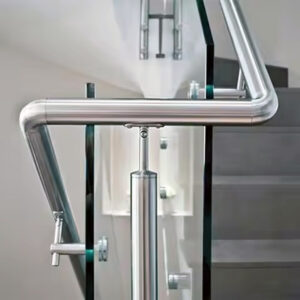
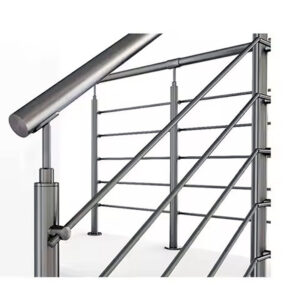
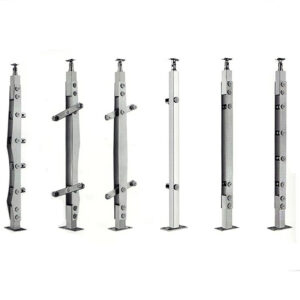
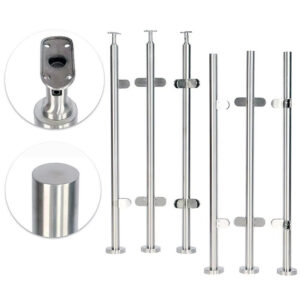
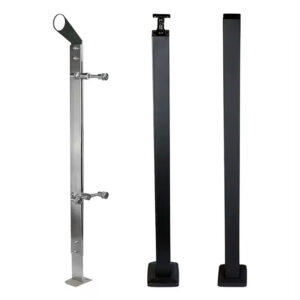
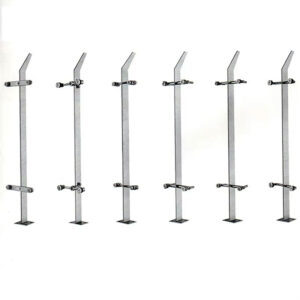
La diferencia práctica entre los sistemas de barandillas de cristal sin marco y los montados sobre postes radica en cómo se transmite la carga a la estructura, y no en el aspecto que presenta la instalación una vez terminada. Los sistemas montados sobre postes transmiten las cargas laterales a través de postes metálicos anclados directamente al sustrato. Los paneles de relleno de cristal se colocan dentro o contra dichos postes y, por sí mismos, soportan una carga estructural relativamente pequeña. Esa vía de transmisión de la carga hace que los requisitos de grosor del cristal sean más manejables, que las especificaciones de los herrajes estén más estandarizadas y que el ajuste in situ sea más flexible.
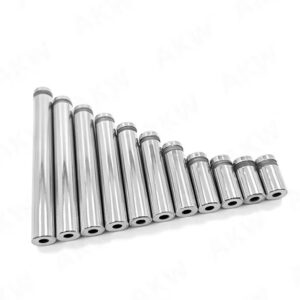
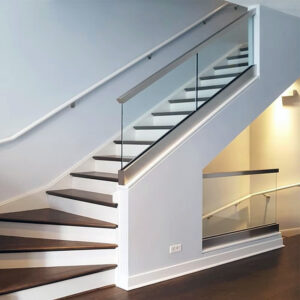
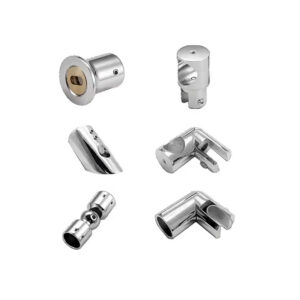
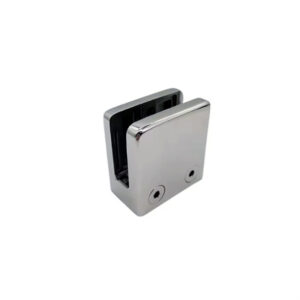
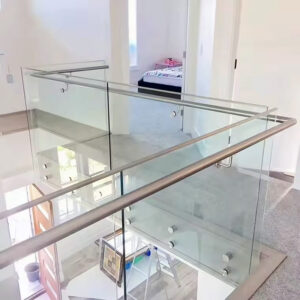
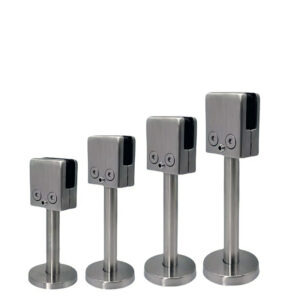
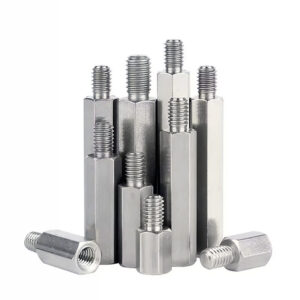
Los sistemas sin marco invierten esa lógica. Las espigas, las abrazaderas, las zapatas de base y los separadores transfieren las cargas puntuales concentradas directamente al sustrato en puntos de anclaje concretos. El propio vidrio se convierte en un elemento estructural, y los herrajes que lo unen al sustrato deben resistir fuerzas de momento, no solo el peso muerto. Esto modifica a la vez los requisitos de ingeniería del sustrato, las especificaciones del vidrio y la selección de los herrajes.
Las consecuencias para la coordinación de las compras y el diseño son significativas. Un proyecto que elija desde el principio un concepto visual sin marco y fije el diseño del sustrato basándose en una hipótesis de carga distribuida puede llegar a la revisión estructural con un desajuste fundamental entre la disposición de los herrajes y la capacidad del sustrato. Reconstruir el proyecto en torno a herrajes montados en postes en esa fase suele implicar revisar los patrones de anclaje, actualizar las dimensiones de los paneles de vidrio y, posiblemente, elaborar nuevos planos de taller —costes que se acumulan en función de lo avanzado que esté el proceso de compras—. Considerar el método de soporte como la variable de selección principal, antes de que se haya concretado la preferencia estética, es la decisión que evita que se produzca esa secuencia.
Demanda de herrajes sin marco con soporte puntual y de sustratos
Los herrajes sin marco con soporte puntual —espigas, abrazaderas, zapatas de base— concentran la carga en puntos de anclaje discretos en lugar de distribuirla a lo largo de un marco continuo. Cuando el sustrato no se ha diseñado para ese patrón de carga, la revisión estructural suele ser el primer momento en el que alguien identifica formalmente el desajuste. En esa fase, es posible que ya se hayan especificado los herrajes, que los pedidos de vidrio estén en curso y que cambiar el método de soporte obligue a un rediseño que afecte a casi todas las decisiones posteriores.
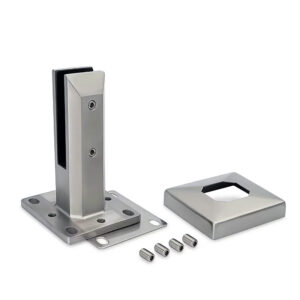
La unión de la zapata de base conlleva un riesgo específico de fallo que es fácil subestimar. Los balaustres de vidrio que actúan como elementos estructurales generan importantes fuerzas de momento en la base, fuerzas que aumentan con la altura del panel y la demanda de carga lateral. Una zapata de base de dimensiones insuficientes para soportar esos momentos, o anclada a un sustrato con rigidez insuficiente, permite que el panel se deforme más allá de los límites aceptables. Es posible que ese movimiento no sea visible de inmediato, pero crea una inestabilidad bajo carga que resulta difícil de justificar durante la inspección y que puede no cumplir con las expectativas de rendimiento a las que se hace referencia en documentos como ASTM E935-21, que aborda el rendimiento de los sistemas de barandillas metálicas fijas.
El umbral de espesor del vidrio conlleva un coste y una carga muerta que deben tenerse en cuenta antes de avanzar en el desarrollo del diseño. Como valor de diseño derivado de la normativa, los sistemas sin marco y sin travesaño superior suelen requerir vidrio laminado de 3/8 de pulgada (10 mm) o más, una especificación que aumenta el coste unitario y añade carga muerta al sustrato en comparación con el vidrio de relleno estándar. La forma en que esta cifra se aplica a un proyecto concreto depende de la interpretación de la normativa local y de los resultados de la revisión estructural, pero la tendencia es siempre la misma: un vidrio laminado más grueso cuesta más y pesa más, y ambos factores influyen en el diseño estructural.
| Factor | Por qué es importante | Qué aclarar |
|---|---|---|
| Cargas puntuales concentradas sobre el sustrato | El sustrato debe diseñarse para soportar cargas puntuales; de lo contrario, podría ser necesario rediseñarlo tras una revisión estructural. | Comprueba la capacidad del sustrato para soportar cargas puntuales en las primeras fases del diseño |
| Fuerzas de gran momento en la unión de la zapata de base | Unas zapatas de base mal especificadas o unos sustratos flexibles provocan un movimiento excesivo, inestabilidad y un posible incumplimiento de la normativa. | Comprobar el diseño de la zapata y la rigidez necesaria del sustrato |
| Espesor mínimo del vidrio (3/8 pulgadas, laminado) | Aumenta el coste del vidrio y la carga muerta; es necesario para cumplir la normativa sin un travesaño superior | Confirmar el espesor de vidrio requerido según la normativa local y la revisión estructural |
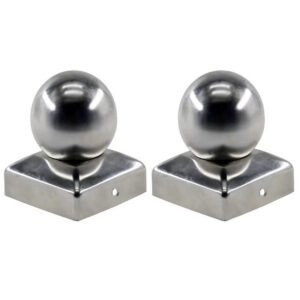
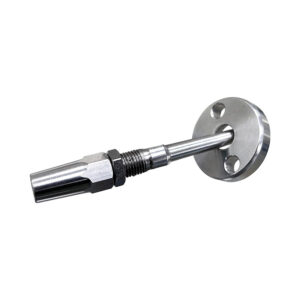
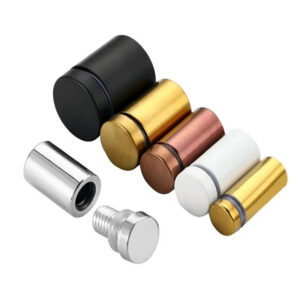
La tabla recoge tres puntos clave que deben revisarse en relación con el sustrato y los herrajes. La ausencia de cualquiera de ellos —capacidad de carga puntual, idoneidad de la zapata de base o espesor mínimo del conjunto de vidrio— puede obligar a un rediseño una vez concluida la revisión estructural. Confirmar estos tres aspectos antes de que se fije definitivamente el pliego de condiciones es el procedimiento de revisión que evita problemas en fases avanzadas del proyecto. Espigas de vidrio de montaje en superficie son un tipo de hardware en el que la evaluación de la demanda de sustratos debe realizarse antes de la adquisición, y no después.
Sistemas montados en postes y ventajas e inconvenientes de los herrajes visibles
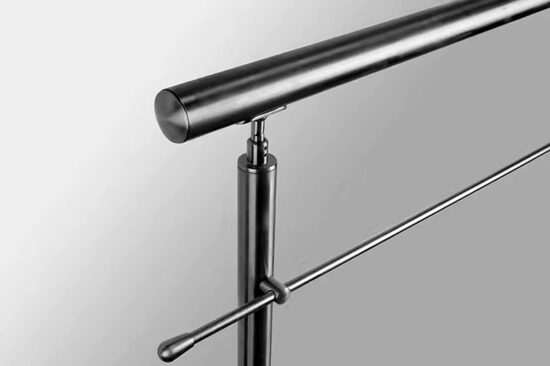
Los sistemas montados sobre postes suponen una elección estructural deliberada: los arquitectos aceptan la presencia de elementos metálicos verticales en el campo visual a cambio de una vía de transmisión de cargas que resulta estructuralmente más sencilla de diseñar, más rápida de instalar y más tolerante a las variaciones del terreno. Los postes soportan directamente la carga lateral; los paneles de vidrio que hay entre ellos son un relleno, no la estructura principal. Esa distinción mantiene los requisitos de espesor del vidrio dentro de un rango más estándar, reduce la complejidad de los herrajes y permite realizar correcciones in situ —colocación de cuñas, reubicación dentro del canal del poste— sin tener que revisar el diseño del sustrato.
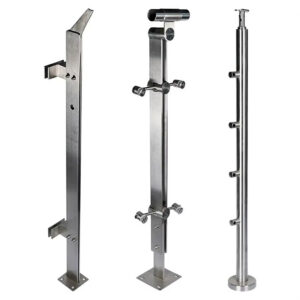
Esa simplicidad estructural tiene una implicación directa en la adquisición de materiales. El vidrio de relleno de grosor estándar cuesta menos que los sistemas laminados sin marco que suelen requerirse, y los herrajes que sostienen los montantes —placas de base, anclajes con perforación central, soportes de montaje en cornisa— siguen un proceso de selección más prescriptivo que los herrajes para sistemas sin marco con soporte puntual. En proyectos con restricciones presupuestarias, esa diferencia de costes influye en la decisión sobre el método de soporte antes incluso de que comience cualquier debate estético.
La obstrucción del campo de visión es real, pero se trata de una consecuencia intencionada de la lógica estructural, no de un fallo de diseño. Los sistemas montados sobre postes no ofrecen el plano acristalado ininterrumpido que proporcionan los sistemas sin marco, y en los proyectos en los que esa calidad visual es un factor determinante en las especificaciones, la comparación tiene una importancia real. La disyuntiva se plantea entre, por un lado, la simplicidad estructural y un menor riesgo de que no se obtenga la autorización, y, por otro, unas líneas de visión sin obstrucciones.
| Compensación | Sistemas de montaje posterior | Sistemas sin marco |
|---|---|---|
| Apertura visual | Los postes metálicos bloquean parcialmente las vistas | Líneas de visión sin obstáculos, pero requiere una mayor coordinación estructural |
| Sencillez estructural | Carga soportada por los postes; herrajes más sencillos | El vidrio soporta la carga mediante apoyos puntuales; es necesario diseñar cuidadosamente el sustrato. |
| Instalación y ajuste | Más sencillo, más rápido y permite realizar correcciones sobre el terreno | Se requiere una mayor coordinación; menor tolerancia a la variación entre emplazamientos |
| Coste inicial | Suele ser menor debido al grosor estándar del vidrio y a que los herrajes son más sencillos | Más caro debido al vidrio laminado más grueso y a los herrajes complejos |
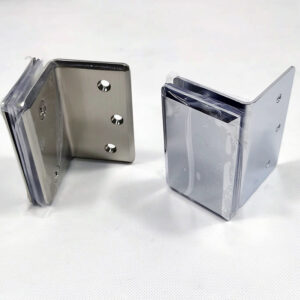
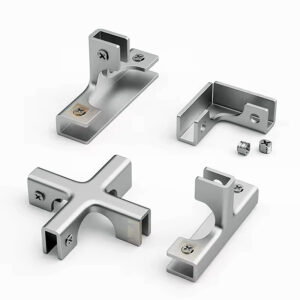
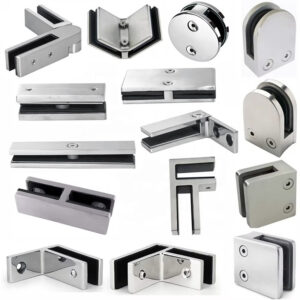
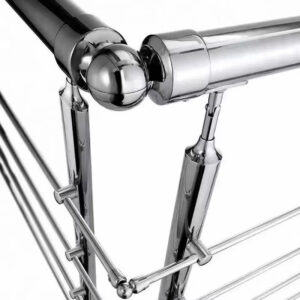
Adaptadores de poste a cristal son un componente de hardware que determina cómo se acopla el panel de vidrio al montante, y conseguir que la geometría de ese acoplamiento sea la correcta durante la fase de diseño influye tanto en las tolerancias de instalación como en el resultado visual que el arquitecto pretende conseguir.
El acceso de sustitución como factor de decisión para los contratistas
La sustitución de los cristales en un sistema de barandillas ya instalado es un acontecimiento que forma parte de su ciclo de vida y que debe tenerse en cuenta en el pliego de condiciones, no una imprevisto que se resuelva in situ tras una rotura. Los dos tipos de sistemas presentan condiciones de sustitución significativamente diferentes, y dichas condiciones afectan tanto a la planificación como a la gestión de la seguridad.
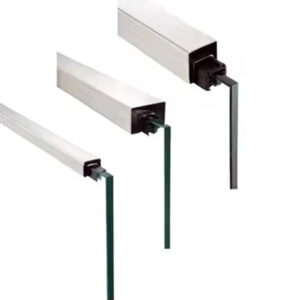
Los sistemas montados en postes con postes prerranurados permiten deslizar lateralmente los paneles de vidrio individuales sin alterar los postes ni sus anclajes. La sustitución se convierte en una operación a nivel de panel: el vidrio a medida se adquiere, se transporta y se instala sin necesidad de desmontar la estructura. Esa vía de acceso también implica que los postes metálicos permanecen en pie tras la rotura de un panel de vidrio, lo que mantiene una protección continua contra caídas mientras se organiza la sustitución. Una rotura se convierte en una reparación programada en lugar de un peligro estructural inmediato, lo que constituye un criterio de planificación que influye en cómo gestiona el contratista la secuencia de sustitución y en si es necesario acordonar la zona de la barandilla durante el periodo transitorio.
Los sistemas sin marco no ofrecen una vía de acceso equivalente. Las zapatas de base y los espigones fijan cada panel de forma individual; su sustitución requiere retirar y volver a instalar los herrajes a nivel de fijación, lo que implica la conexión al sustrato. Dependiendo del sistema y de las condiciones de instalación, ese proceso resulta más molesto y puede requerir medidas temporales de protección contra caídas mientras el panel está retirado. En el caso de instalaciones comerciales con mucho tránsito —vestíbulos, locales comerciales, bordes de plantas ocupadas—, esa complejidad en la sustitución debería tenerse en cuenta a la hora de seleccionar el sistema, y no descubrirse tras la instalación.
Ninguno de estos resultados es inherente al material ni a la calidad del vidrio. Depende de cómo se distribuya la carga y de cómo se acceda a los herrajes. Los contratistas que evalúan la durabilidad a largo plazo tienen motivos legítimos para tener en cuenta este factor junto con el coste inicial de instalación.
Condición de aprobación de Frameless antes de la congelación de las especificaciones
El proceso de homologación de un sistema de barandillas de cristal sin marco y sin travesaño superior no es sencillo ni uniforme en todas las jurisdicciones, y tratarlo como un aspecto de coordinación posterior a la concesión de la licencia supone un riesgo significativo para el proyecto. El IBC de 2015 establece el cristal laminado como requisito básico para las barandillas de cristal estructurales, a menos que un travesaño superior o un marco proporcionen una resistencia equivalente; sin embargo, que una jurisdicción acepte un sistema laminado específico sin travesaño superior depende de cómo interprete el responsable de obras la documentación presentada.
El marco normativo que permite la omisión del travesaño superior es la norma ASTM E2353, que exige la realización de ensayos con maquetas a escala real que reproduzcan exactamente la configuración instalada. Estos ensayos suponen un coste de miles de dólares por configuración, y un resultado satisfactorio no garantiza la homologación en todas las jurisdicciones. Algunos responsables de la construcción aceptan los informes de ensayo; otros exigen un travesaño superior independientemente de lo que muestren los datos de los ensayos. Esa variabilidad discrecional significa que el proceso de homologación de las barandillas sin marco conlleva una incertidumbre inherente que debe resolverse —y no darse por sentada— antes de que se fije la especificación. Descubrir a última hora que la autoridad local no aceptará el informe de ensayo sin un travesaño superior elimina de hecho el concepto visual de barandilla sin marco y requiere una revisión de la especificación que afecta al vidrio, a los herrajes y, potencialmente, al diseño del sustrato.
La opción de paneles de relleno montados en postes evita por completo esa incertidumbre. Cuando los postes metálicos proporcionan el marco estructural, los paneles de vidrio actúan como relleno y los postes cumplen con los requisitos de protección contra caídas. No se requiere un travesaño superior, ni es necesario realizar ensayos con maquetas a escala real para respaldar esa determinación. Se trata de una vía prescriptiva: menor riesgo de aprobación, plazos de revisión más predecibles y ausencia de discrecionalidad por parte de las autoridades sobre el informe de ensayo. Para los conceptos sin marco en proyectos con plazos de concesión de permisos ajustados o en jurisdicciones con pocos precedentes en cuanto a la omisión del travesaño superior, merece la pena evaluar esta alternativa antes de dar por cerrado el concepto visual. En Sistemas de Barandillas de Acero Inoxidable sin Marco vs Post-Montadas: 8 factores críticos de selección para arquitectos.
| Aspecto | Barandilla laminada sin marco (sin travesaño superior) | Paneles de relleno montados en postes (postes metálicos) |
|---|---|---|
| Especificaciones del vidrio | Vidrio laminado, normalmente de 3/8 pulgadas (10 mm) o más grueso, según lo exige el IBC | Es posible elegir el grosor estándar; los postes ofrecen protección contra caídas |
| Requisito relativo al riel superior | Solo se puede omitir si el vidrio laminado se ha sometido a ensayo según la norma ASTM E2353. | No es necesario; los postes actúan como estructura portante |
| Ensayos y homologación | Las maquetas a escala real y los ensayos según la norma ASTM E2353 suponen un coste de miles por configuración; la discreción de las autoridades de construcción podría seguir exigiendo la instalación de un travesaño superior | No es necesario realizar ensayos para prescindir del travesaño superior; los postes garantizan el soporte estructural |
| Coste inicial | Mayor debido al mayor grosor del vidrio laminado y a las pruebas realizadas | Precio más bajo debido al uso de cristal estándar y a la ausencia de pruebas |
| Incertidumbre respecto a la aprobación | Alto; la autoridad competente puede rechazar los informes de ensayo y exigir barandillas superiores | Bajo; procedimiento normativo con etapas definidas, sin necesidad de aprobación discrecional |
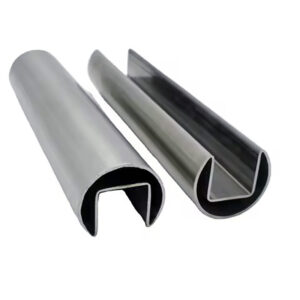
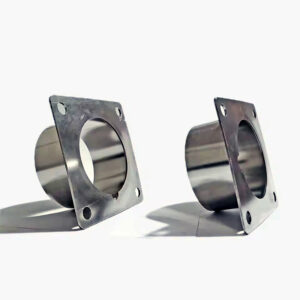
La tabla presenta la comparación de los procesos de homologación de forma estructurada. La implicación estratégica es más sencilla: la incertidumbre sobre la homologación de los sistemas sin marco es un riesgo previo a la especificación, no una tarea de coordinación en la fase de obtención de permisos. Si no se pueden confirmar el sustrato, la estructura del vidrio, el presupuesto para ensayos y la postura de la autoridad competente respecto a la homologación antes de que se cierre la especificación, no se habrá cumplido la condición de homologación para los sistemas sin marco, y seguir adelante partiendo de la suposición de que se resolverá favorablemente es el error de secuenciación que provoca un rediseño tardío. Raíles de base de vidrio estructural son el tipo de herrajes que se ven más directamente afectados por este proceso de homologación, ya que su selección depende de una especificación confirmada de vidrio laminado y de una condición de carga definida que la autoridad haya aceptado.
La elección entre herrajes para barandillas de cristal sin marco y con montantes depende, en última instancia, de si se pueden confirmar el sustrato, las especificaciones del cristal, el proceso de homologación y la vía de acceso para el mantenimiento antes de dar por cerrado el diseño. Los sistemas sin marco ofrecen una calidad visual realmente diferente, pero esa calidad solo es defendible cuando se han revisado las cargas puntuales concentradas que soporta el sustrato, se ha especificado y presupuestado la estructura del vidrio laminado y se ha confirmado —en lugar de dar por sentada— la postura de la autoridad competente respecto a la omisión del travesaño superior. Ninguna de estas condiciones debe quedar pendiente cuando se fije la especificación.
Para los contratistas y arquitectos que siguen ese proceso de confirmación, la comparación no se reduce a qué sistema tiene mejor aspecto. Se trata de determinar qué sistema puede soportar estructuralmente el proyecto, cuál se puede permitir probar y homologar, y cuál se puede mantener sin que se produzca una brecha en la protección contra caídas durante futuras sustituciones de cristales. Aclarar esos tres criterios en función de las condiciones reales del proyecto es la decisión que hace que la selección de los herrajes sea justificable —antes de la adquisición, no después—.
Preguntas frecuentes
P: ¿Qué ocurre si el responsable local de obras rechaza el informe de ensayo según la norma ASTM E2353 y, aun así, exige un travesaño superior para un sistema sin marco para el que ya se ha concedido la licencia?
R: En esa fase, la especificación sin marco debe revisarse para incluir un riel superior o convertirse en un sistema de relleno montado en montantes; cualquiera de estas opciones afecta a las dimensiones de los paneles de vidrio, a la selección de los herrajes y, potencialmente, al patrón de anclaje del sustrato. Dado que la discrecionalidad de las autoridades competentes respecto a la omisión del riel superior es real y no puede predecirse únicamente a partir del informe de ensayo, este resultado debe considerarse un riesgo realista, no un caso excepcional. La única forma fiable de evitarlo es obtener una confirmación por escrito de la autoridad competente antes de que se fije la especificación, y no durante la tramitación de la licencia.
P: Si el sustrato supera una evaluación de carga puntual, ¿significa eso que la elección de la zapata de base también es adecuada?
R: No; la capacidad del sustrato y la idoneidad de la zapata de base son dos aspectos que deben confirmarse por separado. Un sustrato capaz de soportar la carga puntual de un anclaje de espiga o de zapata de base puede, aun así, combinarse con una zapata de base de dimensiones insuficientes para las fuerzas de momento que genera el balustre de vidrio en la unión. La selección de la zapata de base depende de la altura del panel, de la demanda de carga lateral y de la rigidez rotacional de la propia unión, y no únicamente de si el sustrato puede soportar la reacción del anclaje. Ambos aspectos deben confirmarse de forma independiente antes de proceder a la adquisición.
P: ¿A partir de qué escala de proyecto o nivel de presupuesto el coste de los ensayos con maquetas según la norma ASTM E2353 resulta tan prohibitivo que inclina la decisión hacia la opción de montaje en poste?
R: No existe un umbral fijo, pero la presión de los costes es más acusada en los proyectos comerciales de menor envergadura o en aquellos con solo una o dos configuraciones de barandilla, en los que el coste de los ensayos no puede amortizarse entre varios conjuntos idénticos. En proyectos de gran envergadura con una única configuración sin marco que se repite, el coste por unidad de los ensayos disminuye. En proyectos con condiciones variadas —diferentes alturas, sustratos o requisitos de carga—, cada configuración distinta puede requerir su propio ensayo, lo que multiplica rápidamente el coste. Los contratistas y arquitectos deberían presupuestar los requisitos de ensayo como una partida específica durante la fase inicial de elaboración del presupuesto, en lugar de tratarlos como un coste administrativo menor relacionado con la homologación.
P: Una vez confirmado que un sistema montado en poste es la opción adecuada, ¿cuál es el siguiente paso de coordinación inmediato antes de la adquisición?
R: El siguiente paso consiste en confirmar la geometría de la interfaz entre el montante y el vidrio —concretamente, cómo se alinea el adaptador o el canal del montante prerranurado con el espesor del vidrio y el espacio libre en el borde especificados— antes de fijar definitivamente las dimensiones de los paneles de vidrio. Un error en dicha interfaz afecta tanto a la tolerancia de instalación como al resultado visual. Esta coordinación debe llevarse a cabo entre el proveedor de herrajes, el fabricante de vidrio y el equipo de instalación del contratista antes de que se aprueben los planos de taller, ya que la separación entre montantes, la anchura de los paneles y la selección de adaptadores son variables interdependientes.
P: ¿Es un sistema sin marco alguna vez la opción de menor riesgo desde el punto de vista de la planificación de un contratista, o el recorrido con postes siempre conlleva menos variables de aprobación?
R: Los sistemas de relleno con postes presentan menos variables de homologación en casi todos los casos, ya que los postes cumplen de forma prescriptiva los requisitos de protección contra caídas y no es necesario realizar ensayos a escala real. La opción sin marco solo puede suponer un menor riesgo en cuanto a plazos cuando todas las condiciones previas se hayan confirmado plenamente antes de solicitar la licencia —lo que significa que el sustrato esté diseñado para soportar cargas puntuales, que se haya presupuestado y especificado el conjunto de vidrio laminado, y que la autoridad competente haya confirmado que aceptará el informe de ensayo sin exigir un travesaño superior—. Cuando tan solo una de esas condiciones quede sin resolver en el momento de presentar la solicitud de licencia, la opción con montantes ofrecerá sistemáticamente un plazo de tramitación más predecible.