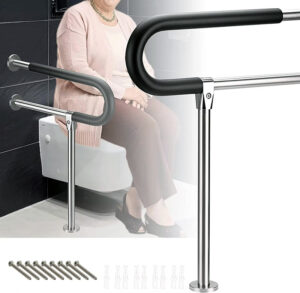
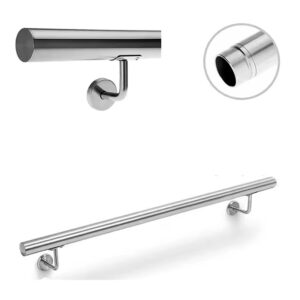
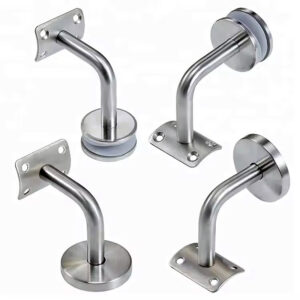
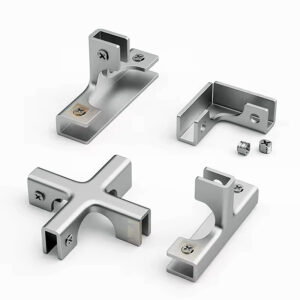
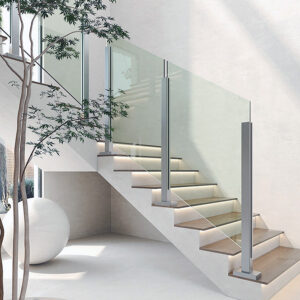
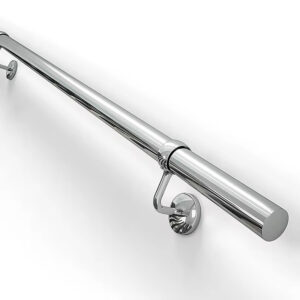
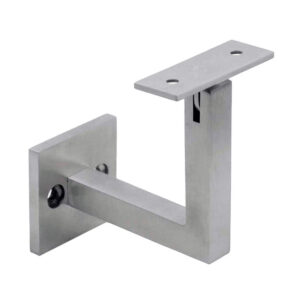
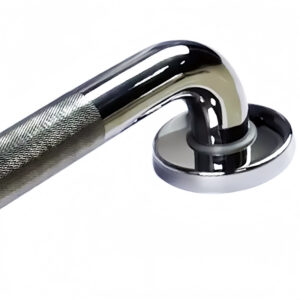
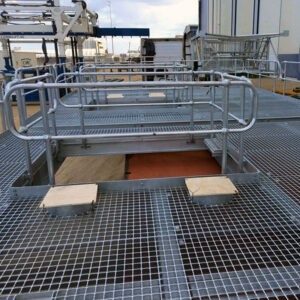
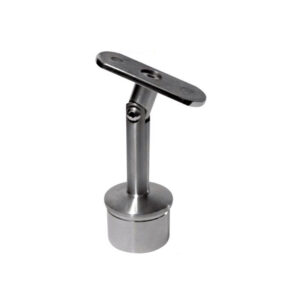
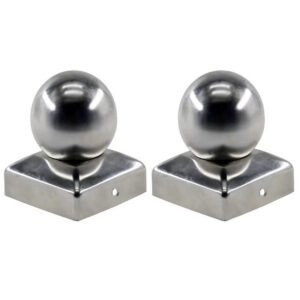
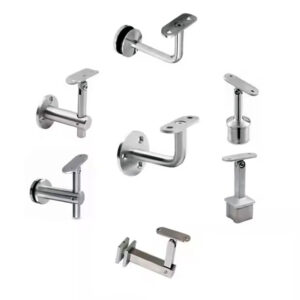
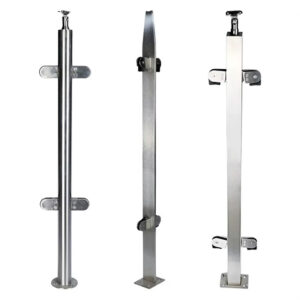
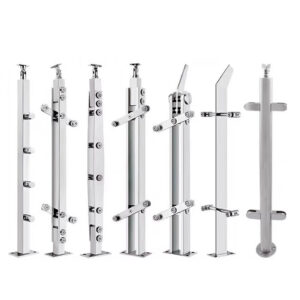
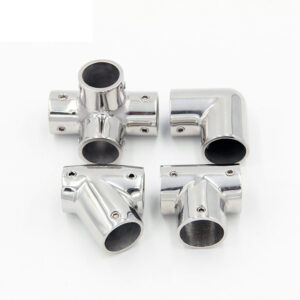
Заказчики, использующие сокращенные поисковые запросы при составлении запросов на предложение, редко намереваются допустить замену класса качества — однако именно это часто и происходит. Когда фраза “балконные перила из нержавеющей стали” без изменений переносится из поисковой строки в документ с техническими требованиями, поставщики заполняют пропущенные детали своими собственными предположениями о стоимости, и в результате разброс предложений выглядит как разногласия по цене, но на самом деле является разрывом в спецификации. К тому моменту, когда разница между марками 201, 304 и 316 становится заметной — иногда только при поставке, иногда только когда через два года на объекте, расположенном на побережье, появляется коррозия, — затраты на исправление ситуации уже превышают в разы те, которые потребовались бы при более тщательной проверке перед отправкой запроса предложений. Самое важное решение принимается до того, как связываются с первым поставщиком: перевод сокращенных поисковых запросов в марки, виды отделки и объем изготовления с достаточной точностью, чтобы каждый поставщик рассчитывал цену на основе одних и тех же допущений.
Сокращения в поисковом запросе, которые необходимо преобразовать в полные спецификации
Поисковый запрос типа “балконные перила из НПС” полезен для поиска информации, но совершенно ненадежен в качестве документа для закупки. Такая сокращенная формулировка работает, поскольку выдает релевантные результаты; она не работает, поскольку не определяет ничего, на основе чего производитель мог бы с уверенностью рассчитать стоимость. “НПС” не уточняет марку материала. “”Перила“ не определяет тип заполнения, расстояние между стойками и способ крепления. ”Балкон» устанавливает контекст местоположения, но ничего не говорит о воздействии коррозии, требованиях к нагрузке или ожидаемой долговечности отделки. Каждый из этих пробелов представляет собой допущение, которое какой-нибудь поставщик заполнит самостоятельно, поэтому разброс предложений по неясным запросам обычно отражает разные продукты, а не разные цены на один и тот же.
Этап преобразования — это не просто формальность для обеспечения соответствия требованиям, а практический фильтр, применяемый до отправки запроса предложений. Прежде чем какой-либо поставщик получит запрос, каждый сокращенный элемент должен быть соотнесен с конкретным характеристикой, по которой осуществляется закупка. Марка должна стать именованным обозначением: AISI 304, AISI 316 или AISI 201, каждая из которых имеет различные профили коррозионной стойкости и разные ценовые позиции. Отделка должна стать определенной обработкой поверхности: матовая #4, зеркальная полировка или сатин, а не “нержавеющая отделка”. Объем изготовления должен определять, требуется ли только поставка компонентов, полная система с оборудованием или пакет «поставка и установка». Размеры и компоновка должны быть достаточно четкими, чтобы расчеты по погонным метрам и конфигурации углов не могли быть по-разному интерпретированы разными поставщиками.
Невыполнение этого преобразования приводит не только к увеличению разницы между ценами в предложении — это делает само сравнение структурно недостоверным. Если поставщик A предлагает трубу 316 с матовой поверхностью #4 и всем крепежом, а поставщик B — трубу 304 с необработанной поверхностью и только опорами, то более низкая цифра не означает лучшую цену; она означает другой продукт. Выбор исключительно по цене в таких условиях перекладывает риски, связанные с материалом и объемом работ, на покупателя, и эти риски могут проявиться только на этапе изготовления, монтажа или проверки.
Путаница в оценках, вызванная нечеткой терминологией SS
Нечеткая терминология в отношении нержавеющей стали создает особый вид риска при закупках: она дает поставщикам возможность устанавливать цены исходя из собственных стандартных затрат, а не из четко определенных стандартов на материалы. Поставщик, использующий по умолчанию материал 201, может предоставить предложение, которое будет значительно ниже, чем у того, кто использует по умолчанию 304, но оба предложения выглядят как действительные предложения на “перила из нержавеющей стали”. Покупатель видит проблему в цене; на самом деле проблема заключается в том, что ни одно из предложений не подтверждает, какой именно материал предлагается.
Разница в стоимости и долговечности между марками является реальной и существенной. Замена марки 304 на 201 может привести к разнице в стоимости, превышающей показатель 30% (который здесь рассматривается как ориентир для планирования, а не как фиксированный рыночный показатель), а разница в долговечности становится значительной в условиях повышенной влажности, воздействия солей или контакта с химическими веществами. Марка 316 содержит молибден, который повышает стойкость в прибрежных и промышленных условиях; марка 304 — нет. Ни одно из официальных обозначений марок не заменяет оценку конкретных условий на объекте, но разница настолько существенна, что отсутствие указания марки в запросе предложений фактически провоцирует замену, которую покупатель может не заметить до тех пор, пока не возникнет проблема коррозии.
Официальные обозначения марок существуют именно для того, чтобы обеспечить возможность проверки этих данных. Стандарты GB/T 20878-2024 и ASTM A554-21 содержат структурированные обозначения марок, которые позволяют покупателям запрашивать, а поставщикам подтверждать конкретный состав сплава, вместо того чтобы полагаться на такие коммерческие сокращения, как “высококачественная НПС” или “морской класс”, которые не имеют единого технического определения у разных поставщиков. Запрос сертификата заводских испытаний в соответствии с конкретным стандартом перекладывает бремя проверки на поставщика и создает документ, который покупатель может проверить при получении поставки.
| Неясная ссылка на SS | Риск в случае отсутствия ясности | Что подтвердить |
|---|---|---|
| “SS” или “нержавеющая сталь” без указания марки | Поставщики могут исходить из цен на марки 201, 304 или 316, руководствуясь собственными стандартными расценками; предложения значительно различаются | Укажите точный сорт (например, AISI 304 или 316) и, если это важно, запросите заводской сертификат |
| “Высококачественная нержавеющая сталь” или “сталь морского класса” | Стандартного определения в отрасли не существует; может трактоваться как 304 или 316, но вместо них можно использовать 201 | Определить минимальный класс (например, 316) и соответствующие требования к коррозионной стойкости |
| “Рельсы SS” без указания вида отделки | Поверхность может быть выполнена в виде необработанной, щеткой, зеркальной или электрополированной, что влияет на внешний вид и долговечность | Укажите конкретный тип обработки поверхности и, при необходимости, стандарт зернистости (например, щетка #4) |
| “SS” — только в качестве материала | Поставщики могут исключить из поставки оборудование, крепеж или изделия, которые, как предполагал покупатель, должны были быть включены в поставку | Уточните, что в стоимость входят все кронштейны, стойки, заполняющие элементы и любые необходимые изготовительные работы |
Следует отметить, что неоднозначность в нестрогой терминологии по нержавеющей стали не одинаково сказывается на всех проектах. При использовании в интерьере с низкой степенью коррозионной нагрузки замена марки может не давать видимых последствий в течение многих лет. В случае прибрежных объектов, балконов на крышах или проектов, расположенных вблизи химических сред, та же самая замена может привести к заметному ухудшению состояния материала в течение короткого срока эксплуатации. Поскольку отказ наступает не сразу, его редко связывают с формулировкой запроса предложений, которая это допускала.
Формулировка, ограничивающая вариации предложения
Добавление новых поставщиков к запросу предложений с недостаточно четким описанием не уменьшает разброс цен — оно его увеличивает, поскольку каждый дополнительный поставщик вносит в сравнение свой набор допущений о затратах. Стремление расширить круг поставщиков в поисках конкурентоспособных цен в принципе обосновано, но оно работает только в том случае, если объем заказа достаточно четко определен, чтобы все поставщики действительно оценивали одно и то же. Когда объем заказа неясен, расширение круга поставщиков усугубляет неопределенность, а не устраняет ее.
Элементы, которые с наибольшей вероятностью приводят к расхождениям в ценовых предложениях, если они остаются неопределенными, — это класс и отделка, размеры и компоновка, способ монтажа, фурнитура и аксессуары, а также объем поставок и объём монтажных работ. Каждый из этих пунктов может быть интерпретирован по-разному, причем ни один из поставщиков не действует недобросовестно — они просто заполняют пробелы, оставленные в запросе предложений. Практическим следствием этого является то, что сравнение предложений становится структурно ненадежным: самое низкое предложение может не включать фурнитуру, которую покупатель считал включенной, или содержать цену на метод монтажа, требующий дополнительных работ на объекте, не учтенных в сумме.
| Элемент области применения | Риск в случае неопределённости | Что прояснить |
|---|---|---|
| Марка материала и отделка | Замена сорта (201 вместо 304) может привести к ценовым разницам в 30%+ и рискам, связанным с долговечностью | Уточните точный сорт, тип отделки и толщину/калибр (если это необходимо) |
| Размеры и планировка | Длина в погонных метрах, высота, детали углов и схемы заполнения могут интерпретироваться по-разному, что приводит к несоответствию в ценах | Предоставьте рабочие чертежи или укажите длину и высоту открытых перил, а также тип заполнения для каждого фасада |
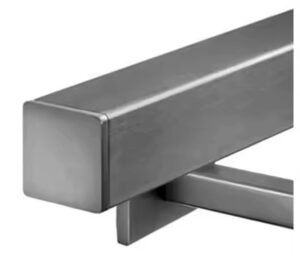
| Способ монтажа | Использование вариантов монтажа — накладного, на фасадную панель, с просверливанием отверстия или боковым креплением — влияет на затраты на рабочую силу и стоимость комплектующих | Укажите тип крепления и необходимость использования шаблонов или замеров на месте |
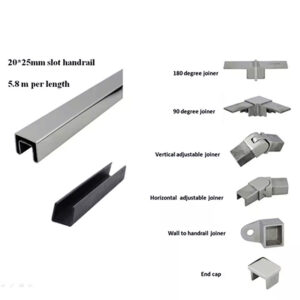
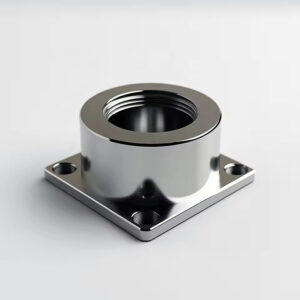
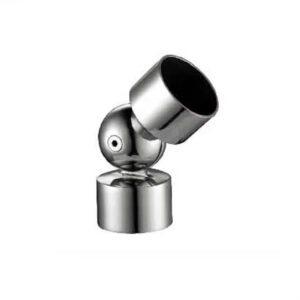
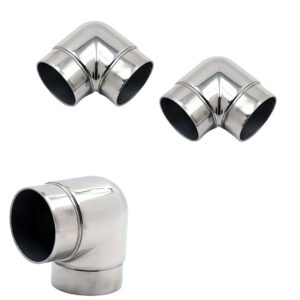
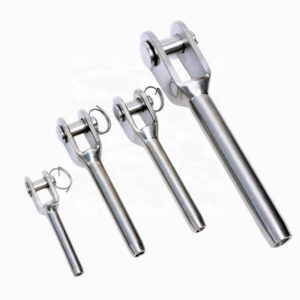
| Оборудование и аксессуары | Кронштейны, торцевые заглушки, опорные плиты и крепежные элементы иногда не включаются в базовую стоимость | Перечислите все элементы оборудования, которые должны быть включены, и убедитесь, что они соответствуют проекту |
| Объем поставок и объем монтажных работ | Один поставщик может предложить только поставку, а другой — поставку и монтаж, что делает невозможным сравнение общей стоимости | Четко укажите, входит ли в запрос предложения монтаж, доставка или погрузочно-разгрузочные работы на объекте |
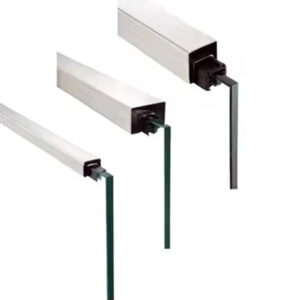
Документ с описанием объема работ, в котором определены все пять элементов, способствует сокращению разброса цен в предложениях в большей степени, чем любая другая отдельная мера в сфере закупок. Кроме того, он делает сравнение предложений более содержательным: когда поставщики рассчитывают цену исходя из одного и того же класса качества, одной и той же отделки, одного и того же перечня фурнитуры и одного и того же объема поставок, сохраняющиеся различия отражают реальную ценовую политику и возможности поставщиков, а не различия в интерпретации. Заказчики, которые использовали балконные перила из нержавеющей стали Технические задания, в которых заранее четко определены тип опоры, материал заполнения и способ крепления, как правило, дают более узкие диапазоны цен, чем те, в которых проект описывается в общих чертах, а детали уточняются в ходе дальнейших переговоров.
Разногласия между отделами продаж и технического отдела
Разница в терминологии между языком закупок, языком продаж и языком инженерии — это не проблема коммуникации, которая решается сама собой благодаря доброй воле; это структурное несоответствие, которое приводит к реальным ошибкам в объеме работ, если его не устранить до подачи запроса на предложение. Каждая группа использует одни и те же слова, но подразумевает под ними разные понятия. “Полная система перил” означает нечто иное для отдела продаж, составляющего коммерческое предложение, и для инженера-проектировщика, составляющего спецификацию. Ни одно из определений не является неправильным в данном контексте; проблема заключается в том, что покупатель предполагает согласованность терминов, не проверяя ее.
Это несоответствие имеет наиболее серьезные последствия, когда оно затрагивает определение марки и спецификацию отделки, поскольку именно эти два параметра наиболее непосредственно определяют стоимость материала и его долговечность. Когда команда продаж упоминает “нержавеющую сталь 304” без ссылки на официальное обозначение, она может описывать продукт, соответствующий требованиям ASTM A240 или A554, — или же использовать коммерческую аббревиатуру, под которой подразумевается материал, поставляемый по другой спецификации. Инженеры ожидают, что обозначение марки будет соотноситься с официальным стандартом; коммерческие ожидания же часто заключаются в том, что названной марки достаточно для идентификации. Чтобы устранить этот разрыв до заключения контракта, а не обнаруживать его при поставке, требуется конкретный письменный запрос: обозначение ASTM, применимый стандарт и указание на то, требуется ли низкоуглеродистый вариант (такой как 304L) для используемого метода изготовления.
| Используемый термин | Что часто подразумевают под словом «продажи» | Что требуется от инженера | Разъяснение по запросу |
|---|---|---|---|
| “Перила SS” | Комплект балконовых перил из нержавеющей стали, как правило, из нержавеющей стали марки 304 с матовой поверхностью | Необходимо определить класс качества, вид отделки, конструктивную нагрузку и детали изготовления | Попросите предоставить техническое описание с указанием класса по стандарту ASTM и стандарта отделки |
| “Комплексная система перил” | Может включать опоры и заполняющие элементы, но может не включать анкеры или монтажные детали | Требуется спецификация, в которой перечислены все компоненты | Запросите подробный перечень поставляемого оборудования и уточните, какие позиции отсутствуют |
| “Матовая поверхность” | Общий термин в области эстетики; может не учитывать различия между сатиновым, матовым или конкретным зерном | Требуется указать номер отделки (например, #4, #6) или показатель шероховатости поверхности | Укажите требуемый степень чистоты поверхности и, при необходимости, направление полировки |
| “Нержавеющая сталь марки 304” | Этот термин часто используется неточно; иногда его рекламируют как “морской класс”, хотя для прибрежных условий лучше подходит сталь марки 316 | Требуется обозначение по стандарту ASTM A240 / A554 и, возможно, низкоуглеродистый вариант (304L) | Подтвердите соответствие стандарту ASTM в полном объеме и уточните, требуется ли версия с низким содержанием углерода |
Структурная причина сохранения этого разрыва заключается в том, что на разных этапах проекта отделы продаж и инженерные подразделения зачастую работают с разными документами. Отдел продаж отвечает на коммерческие запросы, используя коммерческий язык; инженеры составляют технические задания, используя язык технических обозначений. Если отдел закупок выступает в качестве связующего звена между ними и не переводит один язык на другой до отправки запроса предложений, перевод происходит у поставщика — который устраняет неоднозначность в пользу своей собственной стоимостной позиции. Понимание Как выбрать поставщика перил из нержавеющей стали Прежде чем размещать первый крупный заказ, необходимо убедиться, что рекламные заявления поставщика подкреплены технической документацией, а также выяснить, сможет ли он предоставить ее по запросу.
Меры по предотвращению подмены оценок
Предотвратить замену сорта проще всего до отправки запроса предложений, а не после получения предложения. Как только поставщики рассчитают цену исходя из своих собственных предположений, обсуждение корректировки сорта превращается в переговоры о повышении цен, задержках поставок или — в худшем случае — в спор о том, что именно было заказано. Покупатель, который включает проверку в процесс, предшествующий запросу предложений, полностью избегает таких переговоров.
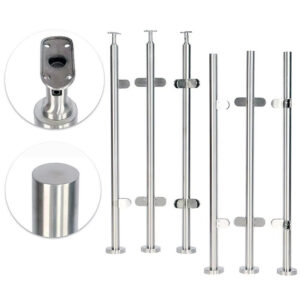
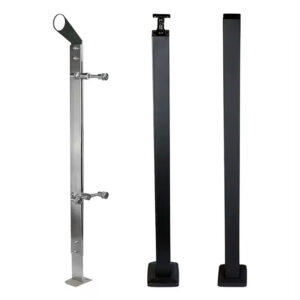
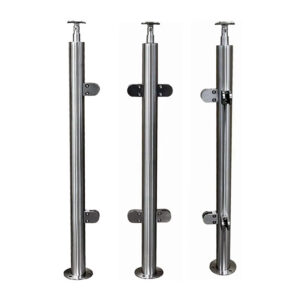
Первым шагом в уточнении является четкое указание марки в запросе предложений с использованием общепринятого обозначения, а не коммерческого сокращения. Марки AISI 304 и AISI 316 являются достаточно конкретными для проверки; формулировка “высококачественная нержавеющая сталь” — нет. Если условия реализации проекта вызывают сомнения относительно того, какой из марок — 304 или 316 — подходит (прибрежное расположение, воздействие химических веществ, применение в условиях высокой влажности), это условие должно быть указано в техническом задании, чтобы все поставщики рассчитывали цену исходя из одинаковых предположений о марке. Выбор круглых и квадратных стоек, таких как круглые стойки из нержавеющей стали марки 304 или 316, должны указываться в строках отчета с указанием формы и класса, а не описываться в общем виде.
Второй шаг заключается в том, чтобы в качестве условия предоставления коммерческого предложения запросить письменное подтверждение марки материала. Это означает, что необходимо попросить поставщиков указать обозначение ASTM материала, на который они дают предложение — стандарт ASTM A554-21 охватывает сварные механические трубы из нержавеющей стали и обеспечивает прослеживаемую основу для такого подтверждения — а также, если это оправдано требованиями проекта, указать готовность предоставить сертификат заводских испытаний при поставке. Этот запрос не является юридическим требованием; это практика проверки со стороны покупателя, которая перекладывает бремя доказывания на поставщика до принятия каких-либо обязательств по покупке. Поставщик, который не может или не хочет назвать стандарт, по которому он работает, предоставил покупателю важную информацию о том, как будет документироваться проект.
Третьим этапом является проверка полноты технического задания перед подачей заявки — построчная проверка, подтверждающая, что сорт, отделка, размеры, способ крепления, перечень крепежа и объем поставки определены, и что ни один элемент не описан в терминах, которые могут быть по-разному истолкованы разными поставщиками. Эта проверка наиболее полезна в качестве меры, принимаемой до подачи заявки, а не в качестве исправления после присуждения контракта, поскольку затраты на устранение пробелов в объеме работ существенно возрастают после начала изготовления.
Наиболее легко предотвратимые ошибки при закупках в проектах по установке балконовных перил связаны не с поставщиками, а с техническими требованиями, которые были перенесены в запрос предложений без исправлений. Преобразование поискового запроса “балконные перила из нержавеющей стали” в конкретный класс качества, указанную отделку, перечисленный комплект фурнитуры и описанный метод монтажа — это именно тот шаг, который делает сравнение предложений значимым и снижает риск замены материала на аналог более низкого качества, прежде чем это может привести к проблемам с поставкой или долговечностью.
Прежде чем разослать следующий запрос предложений, убедитесь, что все поставщики будут рассчитывать цены на материалы с одинаковым обозначением, с одинаковым стандартом отделки и с одинаковым объемом поставки. Если эти три условия не будут соблюдены в письменном документе с описанием объема работ, полученные предложения будут отражать не только цены поставщиков, но и их собственные допущения — а выбор, сделанный на их основе, будет сопряжен с большим риском, чем может показаться на первый взгляд.
Часто задаваемые вопросы
Вопрос: Применимы ли эти рекомендации в том случае, если проект касается исключительно внутренних работ и не предполагает воздействия морской среды или химических веществ?
О: Да, но в данном случае выбор марки не так критичен, что влияет на обоснованность затрат на разработку технических требований. В случае внутренних балконов с минимальной коррозионной нагрузкой разница в эксплуатационных характеристиках между марками 304 и 201 может не привести к заметным последствиям в течение многих лет — а это означает, что неточность в технических требованиях с меньшей вероятностью приведет к явной поломке. Риск смещается с коррозии на стоимость: без указания конкретного класса в запросе предложений поставщики по-прежнему могут устанавливать цены исходя из различных предположений о материалах, и разброс цен в предложениях будет по-прежнему отражать различия в продуктах, а не в ценах. Уточнение класса по-прежнему имеет смысл; необходимость настаивать на использовании 316 вместо 304 снижается, если условия эксплуатации этого не требуют.
Вопрос: Что должен сделать покупатель сразу после отправки уточненного запроса предложений, чтобы поставщики не вернулись к своим собственным предположениям?
A: Попросите каждого поставщика в рамках ответа на запрос предложения письменно подтвердить обозначение материала по стандарту ASTM, на который он рассчитывает цену, а также указать, будет ли к поставке прилагаться заводской сертификат испытаний. Этот единственный запрос на письменное подтверждение — до принятия какого-либо решения о присуждении контракта — действует как ранний фильтр: поставщик, который дает предложение с указанием конкретного сорта и стандарта, демонстрирует прослеживаемость; тот, кто отвечает коммерческими сокращениями, сигнализирует о том, что разрыв в спецификации, который запрос предложений пытался устранить, может вновь открыться на этапе изготовления. Если сделать это подтверждение обязательным условием действительного предложения, несоответствующие заявки будут выявлены до принятия обязательств, а не при поставке.
Вопрос: В каком случае выбор стали 316 вместо 304 перестает оправдывать более высокую стоимость?
A: Если в условиях эксплуатации не наблюдается значительного воздействия хлоридов, химических веществ или длительной влажности, сталь марки 304, как правило, обеспечивает достаточный срок службы, а повышенная за счет молибдена коррозионная стойкость марки 316 приводит к увеличению затрат без соразмерной выгоды. Этот порог зависит от конкретного места установки, а не является абсолютным: прибрежные районы, установки на крышах с риском скопления воды и среды вблизи промышленных или химических источников — это условия, при которых характеристики стойкости стали 316 оправдывают более высокую стоимость. Для защищенного внутреннего балкона или места в глубине суши с низкой влажностью сталь марки 304, явно указанная в техническом задании — а не оставленная по умолчанию поставщика — обычно является более оправданным с точки зрения затрат выбором.
Вопрос: Как следует учитывать тот факт, что один поставщик не может предоставить сертификат испытаний на заводе по запросу, а другой может, при сравнении предложений с аналогичной ценой?
A: Рассматривайте это как существенное различие в рисках, а не как незначительный административный пробел. Сертификат заводских испытаний — это механизм, который связывает поставляемый материал с конкретным составом сплава и отслеживаемым эталоном; без него единственным подтверждением для покупателя того, что установленный сорт соответствует указанному, является устное заверение поставщика. При одинаковых ценах поставщик, способный предоставить документацию по запросу, предлагает подтверждаемый более низкий риск подмены — что имеет наибольшее значение для прибрежных, крышных или подверженных химическому воздействию установок, где затраты, связанные с отказами из-за несоответствия марки, накапливаются еще долго после завершения проекта.
Вопрос: Реально ли подготовить документ с описанием пяти основных аспектов до начала первого сотрудничества с новым поставщиком, или это то, что формируется в ходе нескольких проектных циклов?
Ответ: Это целесообразно перед первым контактом, и именно в этом случае это наиболее ценно, поскольку еще не сложились отношения, позволяющие неформально устранять пробелы. Пять элементов — класс и отделка, размеры и планировка, метод монтажа, фурнитура и аксессуары, а также объем поставок по сравнению с объемом монтажных работ — не требуют инженерных чертежей для определения; они требуют решений, которые покупатель должен принять до начала любых переговоров с поставщиками. Покупатель, который не может ответить на эти пять вопросов до обращения к поставщикам, еще не завершил определение проекта. Составление этого документа с описанием объема работ при первом контакте также сигнализирует поставщикам, что замена материалов и интерпретация объема работ не являются доступными рычагами влияния на стоимость, что, как правило, привлекает ответы от поставщиков с более надежными практиками документирования.