Большинство проектных команд утверждают чистый фасад балкона со стеклянными перегородками ещё до того, как кто-либо убедится: подходит ли край перекрытия для выбранного способа крепления, соответствует ли толщина стекла несущей способности анкеров и выдержит ли система водоотвода у основания желоба первый сезон дождей. Эти пробелы выявляются на этапе инженерной экспертизы, когда поставщику приходится перерисовывать весь комплект чертежей — а это приводит к задержкам и дополнительным затратам, о которых на гладком визуализированном изображении и не подозревали. Реальный риск заключается не в выборе неверного эстетического решения, а в утверждении концепции системы до того, как будут проверены конструктивные и технологические условия, от которых зависят все последующие решения. Изучив данное руководство, вы сможете правильно расставить эти проверки по порядку и избежать повторных работ, возникающих из-за фиксации концепции до подтверждения ограничивающих факторов.
Просмотреть цели сохранения и ограничиваемые ими показатели работы охраны
Первое решение, которое необходимо принять при реализации любого проекта по установке стеклянных балконных перил, заключается не в том, какая система выглядит лучше всего, а в том, насколько требования к защитным характеристикам фактически позволят сохранить непрерывность обзора после определения путей передачи нагрузки, высоты и геометрии заполняющих элементов.
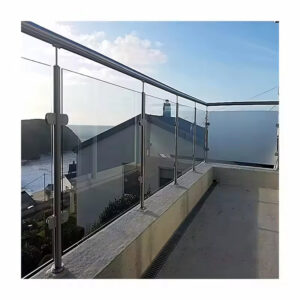
Цельные стеклянные панели обеспечивают беспрепятственный обзор и исключают щели, через которые можно провалиться, но при этом они также снижают естественную циркуляцию воздуха по фасаду балкона. Конструкции со стеклянными балясинами позволяют сохранить некоторую вентиляцию, но вновь создают риск проваливания, который устраняют цельные панели. Ни один из этих вариантов не является универсально правильным; правильный выбор зависит от назначения здания, его ориентации, а также от того, как проектная группа сопоставляет беспрепятственный обзор с воздействием ветра и циркуляцией воздуха на уровне балкона.
Структурными ограничениями для этого выбора являются пороговые значения, указанные в IBC, которые большинство проектных групп используют в качестве исходных параметров при планировании: минимальная высота 36 дюймов для жилых помещений, 42 дюйма — для коммерческих, несущая способность верхней перекладины при сосредоточенной нагрузке 200 фунтов и расстояние между стойками не более 6 футов. Эти цифры не являются результатом какого-то единого универсального предписания, применимого во всех юрисдикциях без местной проверки — местные нормы и инженерные решения, специфичные для конкретного проекта, всегда должны подтверждаться — но они служат в качестве проектных рамок, в которые должны вписываться площадь обзора, ширина панелей и расположение стоек. Защитное ограждение высотой 42 дюйма с расстоянием между стойками 6 футов определяет конкретную зону остекления, которую нельзя расширить исключительно по собственному усмотрению. Размеры панелей, места крепления и связанные с ними конструктивные требования определяются этими цифрами ещё до того, как будет выбран хоть один элемент фурнитуры.
Последствием того, что визуальные цели рассматриваются в качестве основной движущей силы — а не как один из входных факторов в рамках ограниченных рамок, — становится то, что система сначала определяется визуально, а затем перепроектируется с точки зрения структуры. Именно эта последовательность действий и является источником большей части доработок.
Методы крепления, изменяющие расположение краев плиты
Метод крепления — это не деталь, определяемая на поздних этапах монтажа. Это конструктивное и координационное решение, которое необходимо принять до начала профилирования кромок плиты, поскольку его изменение после завершения проработки деталей вынуждает перепроектировать конфигурацию кромок, расположение анкеров, а в некоторых случаях — и саму арматуру бетона.
Основное конструктивное отличие между креплением к фасадной обшивке и креплением к настилу заключается в пути передачи нагрузки. Боковые и торцевые стороны балок более надежно противостоят поперечной нагрузке, чем верхние поверхности плиты, что делает конструкции с креплением к фасадной обшивке в целом более прочными при сосредоточенных нагрузках, которые должны передаваться ограждением. Конструкции с креплением к настилу проще в монтаже, но более чувствительны к неровностям поверхности плиты — частой причине проблем с выравниванием при монтаже на объекте.
Системы каналов с опорными башмаками создают дополнительные требования к координации работ, независимо от того, устанавливаются ли они на фасадной обвязке или на поверхности. Размеры, расположение и крепление непрерывного канала должны соответствовать профилю края плиты, заданному в конструктивных чертежах. Если такая координация происходит после заливки края плиты или снятия опалубки, это часто приводит к необходимости подкладки прокладок, заделки раствором или повторной обрезке, что задерживает остекление и создает новый риск несоблюдения допусков. Модульные системы с предварительно просверленными отверстиями и готовыми верхними рейками сокращают объем наладочных работ на объекте за счет переноса инженерной точности на завод, но все равно требуют точных размеров на месте перед началом изготовления.
Каждый способ крепления характеризуется собственным сочетанием прочности конструкции, требований к согласованности кромок и вероятности необходимости доработки.
| Метод фиксации | Структурная прочность | Спрос на координацию границ | Риск переделки |
|---|---|---|---|
| Крепление к фасции (сбоку/с торца балки) | Верхняя часть — боковые и торцевые части балки выдерживают нагрузку | Требуется точное совмещение профиля края плиты | Умеренный — зависит от результатов проверки на месте |
| Крепление на палубе (поверхность плиты) | Нижняя часть — опирается на верхнюю поверхность плиты | Более простое крепление к поверхности | Чем выше — тем выше чувствительность к колебаниям в плите |
| Канал для опорного башмака (крепление к фасции) | Надежный непрерывный канал | Необходимо заранее согласовать профиль края плиты | Снижение затрат при использовании готового канала |
| Канал для опорной башки (для поверхностного монтажа) | Надежный непрерывный канал | Детализация поверхностного монтажа все еще требует предварительного утверждения | Снижение затрат при использовании готового канала |
| Модульная система стеклянных перил | Разработано индивидуально для каждого проекта | Рельсы с предварительно просверленными отверстиями и готовые заглушки упрощают разметку | Минимальное значение — сокращает количество настроек на месте |
Наиболее затратную переделку вызывает следующая схема действий: утверждение способа крепления исходя из визуальных предпочтений или доступности поставщика, а затем обнаружение при монтаже того, что профиль края плиты не соответствует геометрии канала или что расположение анкерных креплений для поверхностного монтажа противоречит плану армирования. Чтобы избежать такого исхода, способ крепления необходимо определить на этапе проектирования, а не на этапе закупки.
Погрешности допусков, из-за которых качественное остекление превращается в дополнительные работы на объекте
Стеклянные панели изготавливаются по индивидуальному заказу с фиксированными размерами. После раскроя стекла корректировка на месте, позволяющая сохранить четкую линию обзора, невозможна — неправильно выровненные панели либо закрепляются с помощью прокладок, что заметно, либо заменяются по полной стоимости, либо остаются в открытом положении до поступления новой партии, и все это приводит к задержке сдачи объекта и вызывает повторные вызовы специалистов.
Практический порог точности изготовления, которого придерживается большинство подрядчиков по остеклению, составляет точность измерения в пределах одной четверти дюйма. Этот показатель отражает практику на объекте, а не официально установленные нормативные размеры, однако именно в пределах этого диапазона допусков рассчитываются большинство допусков при изготовлении панелей и зазоры для крепежа. Если на этапе измерений на объекте этот порог будет превышен, стекло поступит на объект с неправильными размерами. Проблема заключается не в самой цифре, а в разрыве между этим допуском и строгостью измерений, которую многие бригады применяют к тому, что на первый взгляд кажется простым измерением на объекте.
Системы сухой облицовки предлагают в данном случае эффективный способ минимизации рисков. Поскольку сухая облицовка основана на механическом сжатии, а не на сцеплении герметиком, при монтаже появляется больше возможностей для корректировки положения панелей без фиксации их в окончательном положении. Такая гибкость снижает вероятность необходимости доработок в случае незначительных отклонений реальных размеров от заводских — это не устраняет требований к допускам, но предоставляет возможность корректировки, которой нет при мокрой облицовке. Системы с мокрой глазурью фиксируют панель навсегда после нанесения герметика, а это означает, что любая погрешность в размерах, обнаруженная после закрепления, требует разрушающего демонтажа.
Из этого следует, что замеры для изготовления стеклянных панелей на заказ следует производить после завершения работ по обработке кромок перекрытий и установки, а также проверки крепежных элементов — а не на основании чертежей, не по номинальным размерам и не до подтверждения состояния кромок перекрытий. В проектах, где замеры производятся на основании проектных чертежей без проверки на месте, панели неизменно требуют корректировки или замены.
Системы Spigot и опорные башмаки: сравнение по технологическому процессу изготовления и стоимости
Разница в стоимости между системами с пазовыми соединениями и системами с опорными накладками зачастую незаметна на этапе разработки концепции, когда оба варианта представлены на одном визуализированном изображении с одинаковым «чистым» стеклянным внешним видом. Она становится очевидной на этапе закупки, когда проводится непосредственное сравнение технических характеристик материалов, допусков на изготовление и требований к водоотводу.
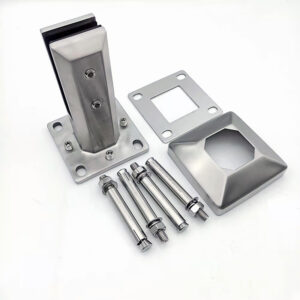
Стеклянные патрубки для поверхностного монтажа используют нержавеющую сталь марки 316 и обеспечивают двустороннее крепление, позволяющее точно регулировать выравнивание каждой панели по отдельности при монтаже. Такая точность является преимуществом при реализации проектов, где по краям плит наблюдаются накопленные отклонения от допусков на большом протяжении, поскольку каждый фиксатор можно регулировать индивидуально, а не вынуждать всю компоновку панелей подстраиваться под непрерывную базовую линию канала. Компромиссом является стоимость материала: нержавеющая сталь морского класса имеет более высокую цену за единицу, чем анодированный алюминий, а наличие отдельных точек крепления означает, что качество выравнивания в значительной степени зависит от квалификации монтажников и последовательности выполнения работ.
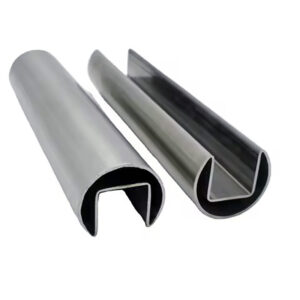
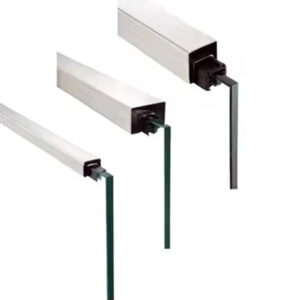
Направляющие для основания из структурного стекла из легкого анодированного алюминия образуют сплошной канал со встроенной системой водоотвода — эта особенность играет важную роль на краю плиты, о чем пойдет речь в следующем разделе. Сплошной канал, как правило, обеспечивает более чистый визуальный ряд, чем отдельные сливные патрубки, поскольку между панелями внизу нет видимых крепежных элементов, а именно такой эстетический эффект часто и стремятся достичь покупатели. Однако такой эстетический вид сопряжён с более высокими затратами на изготовление канала, более строгими допусками при монтаже по всей длине и большей чувствительностью к состоянию профиля края плиты.
Структурированное сравнение материалов, веса, коррозионной стойкости, дренажа, контроля выравнивания и стоимости охватывает оба этих типа систем.
| Характеристика | Система базовых опор | Система Spigot |
|---|---|---|
| Исходное сырье | Легкий анодированный алюминий | нержавеющая сталь 316 |
| Типичный вес | Нижний | Тяжелее |
| Устойчивость к коррозии | Хорошо — анодированное покрытие обеспечивает защиту | Отлично — нержавеющая сталь морского класса |
| Обеспечение дренажа | Встроенная система отвода воды | Не интегрировано; требуется разработка отдельного плана дренажа |
| Контроль выравнивания | Непрерывный канал; выравнивание зависит от точности монтажа | Двусторонняя фиксация обеспечивает точное выравнивание панелей |
| Стоимость материала | Как правило, более экономичный (алюминий) | Более высокая (из нержавеющей стали) |
Ошибкой при закупке, которой следует избегать, является выбор системы исходя из стоимости оборудования за единицу без учета затрат на монтаж, требований к контролю допусков и мер по отводу воды, которые необходимы для каждой системы. Система с базовыми опорами, которая обходится дороже по стоимости оборудования, может обеспечить более низкую общую стоимость монтажа на объекте с чистым, ровным краем плиты и контролируемой последовательностью монтажа. В проекте с накопленными отклонениями на объекте возможность регулировки каждой панели в системе с пазовыми соединениями может оправдать её более высокую стоимость материалов. Ни одна из систем не является универсально лучшей — выбор зависит от условий на объекте, условий реализации проекта и готовности заказчика принять видимость фурнитуры в обмен на простоту монтажа.
Конструкционные детали водоотвода, обеспечивающие защиту анкеров и отделочных материалов
Дренаж — это тот аспект, который чаще всего откладывается на этап монтажа и который с наибольшей вероятностью станет причиной повторных вызовов специалистов после сдачи объекта. Застоявшаяся вода вокруг анкерных креплений по краю плиты и в непрерывных водосточных каналах приводит к появлению пятен на стекле и прилегающих отделочных материалах, вызывает длительную коррозию в местах заделки анкеров и разрушает герметичные швы, которые были предусмотрены для обеспечения атмосферостойкости — что приводит к дефектам, которые часто становятся заметными только через один-два сезона, а их устранение обходится дорого без демонтажа уже установленной системы перил.
Эффективность управления этим риском зависит от метода дренажа, предусмотренного в технических условиях системы. Системы каналов с базовыми опорами и встроенной дренажной системой предназначены для отвода воды от зоны крепления, однако эта конструкционная особенность работает только в том случае, если канал установлен с правильным уклоном, дренажные выпуски не забиты, а на поверхности плиты под каналом не скапливается вода, стекающая к точкам крепления. Если во время монтажа не соблюдается хотя бы одно из этих условий, встроенная дренажная система незаметно выходит из строя — видимых признаков этого не будет до тех пор, пока не начнут появляться пятна или коррозия.
Взаимодействие метода остекления с системой водоотвода часто не получает должного внимания. В приведенной ниже таблице показано, как при каждом подходе распределяется ответственность за управление водными ресурсами в рамках системы.
| Метод управления водными ресурсами | Контекст системы | Риск в случае неясности |
|---|---|---|
| Встроенная система отвода воды из каналов | Системы опорных башмаков | Влага может скапливаться вокруг анкеров по краю плиты, что приводит к появлению пятен и длительной коррозии |
| Глазурь на основе герметика | Системы влажной глазури | Постоянная устойчивость к воздействию внешних погодных условий; поврежденные герметики приводят к попаданию воды на анкеры |
| Сухая глазурь (без герметика) | Системы сухой глазури | Менее подходит для влажных условий; выше вероятность того, что вода попадет на анкеры и приведет к повреждениям |
Системы на основе герметиков с «мокрой» глазурью разработаны для обеспечения постоянной устойчивости к воздействию внешних погодных условий, однако герметик не является долговечным материалом. Воздействие ультрафиолета, термоциклирование и смещения в месте соприкосновения стекла с крепежными элементами со временем приводят к разрушению герметичных швов, а поврежденный герметик создает прямой путь проникновения воды к зоне закрепления анкеров. Системы «сухого остекления» позволяют избежать этого механизма разрушения герметика, но, как правило, менее подходят для постоянного воздействия влаги, поскольку механическое сжатие, удерживающее стекло, также создаёт пути проникновения воды, которые в противном случае блокировались бы герметиком.
Перед составлением технического задания необходимо убедиться, что расположение дренажных выпусков, уклон канала и геометрия края плиты были рассмотрены в комплексе, а не по отдельности. В проектах, где каждый элемент рассматривается изолированно, при монтаже часто выясняется, что выпуск находится в месте, где вероятно скопление стоячей воды, или что уклон плиты направляет воду к зоне крепления, а не от нее.
Решения по монтажу ограждающих реек с учетом требований норм и удобства пользователей
Выбор верхней рейки часто рассматривается как решение по отделке, принимаемое ближе к завершению проектирования, однако он сопряжен с двумя отдельными рисками, которые возникают на более ранних этапах проекта, чем ожидают большинство покупателей: проблема соблюдения строительных норм, связанная с высотой, и условие гарантии, связанное с совместимостью материалов.
Требование к высоте ограждения в коммерческих помещениях, равной 42 дюймам, при условии, что верхняя перекладина расположена на этой высоте, приводит к тому, что верхняя планка оказывается выше уровня глаз сидящего человека для большинства взрослых — это обеспечивает комфорт пользователей, который является следствием соблюдения высоты, предусмотренной коммерческими нормами, а не результатом самого этого требования. Это различие имеет значение на этапе проектирования, поскольку покупатели иногда пытаются опустить верхнюю перекладину по эстетическим соображениям, сохраняя при этом высоту ограждения за счет стеклянной панели, выступающей над перекладиной. Такой подход требует инженерной экспертизы для подтверждения того, что ограждение по-прежнему соответствует требованиям к конструктивной прочности, при этом верхняя перекладина не участвует в распределении нагрузки.
Выбор материала для верхней рейки сопряжён с менее заметным риском для гарантии. Некоторые производители указывают, что установка деревянной верхней рейки в систему стеклянных перил приведёт к аннулированию гарантии на изделие, поскольку тепловые деформации дерева, поглощение влаги и твёрдость его поверхности взаимодействуют с крепежными элементами таким образом, на который система не рассчитана. Это не является универсальным запретом — речь идет о договорном условии, которое варьируется в зависимости от поставщика, — однако если не уточнить этот момент до утверждения спецификации, покупатель может обнаружить, что гарантия аннулирована, только после того, как деревянная верхняя рейка будет установлена и возникнет необходимость в сервисном обслуживании. Проверить это очень просто: необходимо уточнить варианты материалов для верхней рейки и их влияние на гарантию непосредственно у поставщика до утверждения спецификации, а не после изготовления.
Вторым важным фактором является коррозионная совместимость. В прибрежных условиях или в среде с высокой влажностью использование верхней рейки из нержавеющей стали в сочетании с алюминиевыми профилями без надлежащей изоляции создает риск гальванической коррозии в точках соприкосновения. Согласование материала верхней рейки с остальными характеристиками крепежа — включая тип крепежных элементов и любые детали изоляции — должно быть частью того же обсуждения, что и проверка гарантийных обязательств.
Конструктивные условия, обусловливающие применение безрамного остекления
Бескаркасное остекление — это направление в проектировании, при котором наблюдается наибольший разрыв между тем, что покупатели одобряют на этапе концепции, и тем, что конструкция должна обеспечить на практике. Эстетические аргументы легко обосновать; что же касается конструктивных аспектов, то для подтверждения жизнеспособности данного направления требуется конкретное подтверждение.
В бескаркасной системе с зажимным креплением стеклянные панели удерживаются между стойками без верхней перекладины, а это означает, что стойки и кромка перекрытия должны принимать на себя всю поперечную нагрузку без конструктивной поддержки со стороны сплошной верхней перекладины. Это требует большей несущей способности заглубления стоек, более прочного армирования кромки перекрытия и более строгого контроля прогиба, чем в системах с каркасом. Необходимо убедиться, что конструкция здания способна выдержать эти нагрузки до того, как будет принято решение о применении бескаркасной системы, а не после того, как в ходе инженерной экспертизы будет выявлено несоответствие.
Ветровая нагрузка является фактором, который в наибольшей степени ограничивает применение безрамных конструкций на возвышенностях или в открытых местах. В качестве ориентира при проектировании можно привести данные о том, что безрамные стеклянные ограждающие системы для установки на крышах монтировались высотой до 6 футов на высоте около 850 футов над землей и высотой до 8 футов на высоте около 315 футов при проверенных условиях ветровой нагрузки. Эти цифры иллюстрируют, как соотношение между высотой панели и высотой над землей влияет на требуемую ветровую нагрузку — они не являются сертифицированными инженерными пределами, применимыми ко всем проектам без местной проверки. Инженер-конструктор должен подтвердить ветровые нагрузки, применимые к конкретному объекту, высоте и категории воздействия, прежде чем эти ориентировочные пороговые значения будут использованы при принятии каких-либо решений по техническим требованиям.
| Состояние | Пороговое значение / Требование | Что подтвердить |
|---|---|---|
| Предельная высота для расчета ветровой нагрузки (крыша) | До 6 футов на высоте 850 футов над землей; до 8 футов на высоте 315 футов над землей | Инженер-строитель проверяет величину местных ветровых нагрузок для заданной высоты |
| Расчет прочности опорных столбов и плит | Конструкция без рамы с зажимным креплением предъявляет более высокие требования к несущей способности стоек и края перекрытия | Армирование после заделки и армирование плиты позволяют воспринимать увеличенный изгибающий момент |
| Регулирование прогиба | Конструкция должна выдерживать более жесткие ограничения по прогибу, чем каркасные системы | Точность оборудования и согласование более жестких допусков на перемещение оговариваются до оформления заказа |
Этап проектирования, который большинство команд откладывает на слишком поздний срок, — это подтверждение требований к точности оборудования и допусков на прогиб до утверждения бескаркасного варианта. Бескаркасные системы работают с более жесткими допусками, чем каркасные, поскольку в них отсутствует геометрия верхней направляющей, способная компенсировать незначительные несоосности между панелями. Если допуски на установку после заделки, плоскостность края перекрытия и изготовление панелей не подтверждаются одновременно, результатом становится видимое несовпадение между панелями, требующее регулировки или замены крепежа — проблема, устранение которой в безрамных системах обходится значительно дороже, чем в системах с рамой. Если заказчик и подрядчик не могут согласовать требования к точности до размещения заказа, вариант с рамой или полубезрамный вариант обычно является спецификацией с меньшим риском. Для проектов, в которых можно подтвердить конструктивные условия и обязательства по точности, необходимо проанализировать полный стеклянные перила балкона Учет системных параметров наряду с инженерными ограничениями помогает определить, какие бескаркасные конфигурации являются реализуемыми.
Логика последовательности, проходящая через каждый раздел данного руководства, указывает на один и тот же практический вывод: решения, которые на первый взгляд кажутся выбором отделки или эстетических параметров — метод крепления, тип остекления, материал верхней рейки, стиль системы — на самом деле являются конструктивными и закупочными решениями, которые определяют ход последующих работ. Утверждение концепции системы до того, как будут подтверждены толщина стекла, несущая способность креплений, состояние кромок плит и меры по водоотводу, не откладывает эти проверки; оно превращает их в дополнительные работы после того момента, когда внести изменения ещё недорого.
Прежде чем приступить к выбору поставщика или изготовлению, убедитесь, что способ крепления и расстояние между стойками окончательно согласованы, что полевые измерения были выполнены по краю установленной плиты, а не по чертежам, что согласование дренажной системы проверено с учетом фактической геометрии плиты, а также что материал оголовка прошел проверку на соответствие условиям гарантии поставщика. Если какой-либо из этих пунктов останется нерешенным, он будет выявлен в ходе инженерной экспертизы поставщика — вопрос лишь в том, произойдет ли это до или после начала изготовления. Рекомендации о том, что необходимо проверить при выборе поставщика, который будет осуществлять инженерную проработку и производство данного комплекса, Как оценить поставщика перил из нержавеющей стали перед размещением первого крупного заказа охватывает меры по проверке квалификации, которые позволяют снизить этот риск.
Часто задаваемые вопросы
Вопрос: Что произойдет, если край плиты уже залит до того, как будет определён способ крепления?
A: Следует рассчитывать на дополнительные затраты на перепроектирование и задержку графика работ. После заливки края плиты переход от конфигурации с поверхностным креплением к конфигурации с креплением к фасадной планке — или корректировка расположения анкерных каналов для предотвращения конфликтов с арматурой — потребует заделки цементным раствором, повторной резки или добавления дополнительных конструкций, которые не были предусмотрены в первоначальном бюджете. Способ крепления должен быть окончательно определен до начала проработки деталей края плиты, поскольку это решение определяет профиль края, расположение анкеров и требования к арматуре. Если край уже залит без учета системы перил, инженер-конструктор должен оценить, подходит ли существующее состояние для применения предполагаемого способа крепления, прежде чем приступить к закупкам.
Вопрос: После определения способа крепления и проведения измерений на месте, что необходимо сделать перед отправкой запроса на предложение производителю?
A: Перед отправкой пакета чертежей необходимо проверить согласованность дренажной системы с фактической геометрией плиты. В частности, следует убедиться, что уклон канала, расположение дренажных выпусков и направление стока с поверхности плиты были проверены в совокупности, а не по отдельности. Если дренажный выпуск находится в месте, где вероятно скопление стоячей воды, или если плита имеет уклон в сторону зоны крепления, а не от неё, эту проблему необходимо устранить в пакете чертежей до начала изготовления. Отправка запроса предложений с нерешенными вопросами по геометрии дренажной системы означает, что в ходе инженерной экспертизы поставщиком конфликт будет выявлен уже после того, как цена на изготовление будет окончательно согласована.
Вопрос: Применимы ли рекомендации, приведенные в данном руководстве, в равной степени к стеклянным перилам внутри помещений, например, в вестибюле коммерческого здания или лестничной клетке?
A: Применяются те же принципы конструкции и допусков, однако профиль рисков, связанных с воздействием окружающей среды, значительно меняется. Основные проблемы при устройстве наружных балконов, подверженных воздействию дождя, ультрафиолета и термоциклирования, связаны с обеспечением водоотвода и долговечностью герметика для остекления. Внутренние установки не подвергаются воздействию влаги и атмосферных воздействий, что снижает актуальность координации дренажа и проверок износа герметика. Однако последовательность методов крепления, соблюдение дисциплины при проведении измерений на месте, проверка гарантии на ограждающую рейку и требования к контролю прогиба безрамных конструкций остаются столь же актуальными в помещениях — пороговые значения эксплуатационных характеристик ограждений и производственные допуски не меняются в зависимости от категории воздействия.
Вопрос: Является ли система с отводными патрубками всегда более безопасным вариантом при реализации проектов с накопленными отклонениями в допусках на перекрытии, или существуют условия, при которых использование опорного башмака по-прежнему целесообразно?
A: Использование соединительных патрубков сопряжено с меньшим риском при прокладке с значительными накопленными отклонениями, поскольку каждую панель можно регулировать индивидуально, не принуждая всю схему прокладки соответствовать непрерывной базовой линии канала. Тем не менее система опорных башмаков по-прежнему может быть правильным выбором для проекта с большими отклонениями в допусках, если проектная команда готова инвестировать в процесс разбивки, который восстанавливает истинную опорную линию перед монтажом канала — по сути, корректируя отклонения плиты на этапе монтажа, а не компенсируя их с помощью регулировки крепежа для каждой панели. Такой подход требует больше трудозатрат на монтаж и точности планирования на начальном этапе, но обеспечивает более четкую непрерывную линию видимости, которую обеспечивают опорные башмаки. Решение сводится к тому, позволяют ли бюджет и график проекта обеспечить такую тщательность разметки, или же регулировка с помощью штифтов для каждой панели является более практичным способом минимизации отклонений.
Вопрос: В какой момент более высокая стоимость безрамной системы перестает оправдываться её эстетическими преимуществами?
A: Когда конструкция не может обеспечить точность и контроль прогиба, требуемые для безрамных систем, дополнительные затраты перестают быть оправданными — это становится риском для бюджета без гарантии надежного результата. Эстетические преимущества безрамной системы полностью зависят от строгого совмещения панелей; если не удается подтвердить и удержать в пределах более жестких пороговых значений для безрамной системы такие параметры, как несущая способность анкеров, плоскостность кромок перекрытия или допуски изготовления панелей, видимое несовпадение нарушит тот самый внешний вид, ради достижения которого и была заплачена надбавка. В проектах, где инженер-конструктор не может подтвердить адекватное армирование края плиты и пределы прогиба до размещения заказа, или где заказчик не готов обеспечить соблюдение требований к точности крепежа на этапе монтажа, полубезрамная или рамная система, как правило, обеспечивает сопоставимый визуальный результат при более низкой общей стоимости монтажа и меньшем риске необходимости доработок.