Неисправности безрамных стеклянных ограждений, причиной которых является опорная планка, редко выявляются на этапе сдачи объекта. Проблемы проявляются спустя несколько месяцев — водяные пятна под водосточным желобом балкона, стеклянная панель, которую невозможно выровнять из-за отклонения основания от плоскости на полдюйма, или переделка, требующая получения нового разрешения, вызванная несоответствием схемы крепления фактически установленным элементам. Каждого из этих исходов можно было избежать, но только в том случае, если бы вопросы, связанные с дренажным путем, состоянием основания и методом монтажа, были решены до выбора крепежа. Ниже приводится рабочая спецификация для подрядчиков, заказчиков проектов и команд, разрабатывающих технические задания, которым необходимо принять эти решения до начала закупок, а не после начала монтажа.
Базовый риск находится на скрытой нижней границе
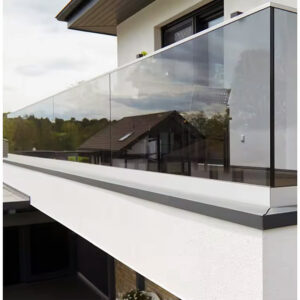
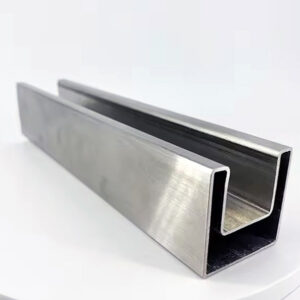
В большинстве визуализаций проекта этот канал остается незаметным. В конфигурациях с углублением он располагается ниже стеклянной плоскости, ниже готовой поверхности террасы, и находится за пределами поля зрения, которое архитекторы и заказчики рассматривают при утверждении проекта. Такая незаметность представляет собой риск при разработке технических условий, поскольку именно канал определяет практически все последующие решения: размещение анкеров, профиль накладки, способ установки стекла и маршрут отвода воды — все это зависит от решений, которые следовало принять до заказа фурнитуры.
Наиболее серьезным скрытым риском является несоответствие прочности основания. Когда стеклянная балюстрада конструкционного назначения крепится к основанию, не обладающему достаточной несущей способностью или глубиной закрепления, самым слабым звеном в конструкции становится не стекло и не профиль, а само соединение со зданием. Под действием динамической нагрузки такое несоответствие может создать условия для вырыва анкеров или смещения конструкции, что приводит к повреждению как основания, так и самой системы перил. Этот вид отказа не указывается в перечнях недоделок; он проявляется в условиях динамической нагрузки или после многократного использования.
Этот риск можно контролировать благодаря тому, что его можно выявить ещё на этапе разработки технического задания. Тип основания, глубина заделки и ширина опоры могут быть подтверждены ещё до выбора анкерного крепежа. Особенностью проектов реконструкции является то, что состояние существующего основания обычно считается приемлемым, а не проверяется — это оправданное упрощение при новом строительстве, но становится серьёзным риском при реконструкции, когда заделка балок, расстояния до краев бетона или ширина каркаса могут не соответствовать требованиям к опоре анкерного канала.
Материал канала, система крепления и профиль крышки
Два решения, касающихся материалов и отделки, принятые на ранних этапах разработки технических требований, оказывают непропорционально большое влияние на долгосрочные эксплуатационные характеристики: из какого материала изготовлен канал и каким образом на него наносится отделка.
Алюминиевый сплав 6063-T6, широко используемый для изготовления профилей опорных планок, характеризуется сочетанием конструктивных характеристик и коррозионной стойкости — это проектный критерий, а не универсальное требование нормативов, однако он является оптимальной отправной точкой для большинства внутренних и наружных применений. Часто ошибки при выборе спецификаций возникают именно в части отделки: нанесение порошкового покрытия непосредственно на профиль базовой планки приводит к созданию системы покрытия, которая с самого начала подвергается воздействию в щелях по краям, отверстиях для анкеров и крепежных элементах для установки стекла. Более обоснованным подходом является нанесение порошкового покрытия на облицовку, установленную поверх планки, что позволяет сохранить отделку на поверхности, которая не повреждается при сверлении отверстий на месте монтажа или установке клиньев.
Данный метод установки стекла сопряжён с компромиссом, который влечёт за собой последствия для технического обслуживания не только в день монтажа. Клинья для сухой установки стекла обеспечивают простоту монтажа и позволяют регулировать положение панелей на месте, однако надежность крепления зависит от трения и состояния клиньев с течением времени. Система Q-Disc использует иную геометрию распределения нагрузки, которая может повлиять на долгосрочную герметичность и простоту замены стекла в случае необходимости демонтажа панели. Выбор данной системы без понимания последствий для доступа при техническом обслуживании — особенно при наружном монтаже или в местах с высокой проходимостью — вынуждает принимать решения на месте во время ввода в эксплуатацию, которые должны были быть приняты на этапе проектирования при закупке.
| Аспект спецификации | Правильный подход | Почему это важно |
|---|---|---|
| Материал для экструзии опорной подошвы | Алюминий 6063-T6 | Обеспечивает эксплуатационные характеристики конструкции и коррозионную стойкость |
| Нанесение покрытия на поверхность | Облицовка с порошковым покрытием над башмаком; избегайте нанесения покрытия непосредственно на башмак | Предотвращает повреждение покрытия и обеспечивает долговечность отделки |
| Система установки стекла | Клинья для глазирования (сухое глазирование) или Q-Disc | Влияет на регулируемость, герметичность и простоту обслуживания; выбирайте с учетом требований проекта |
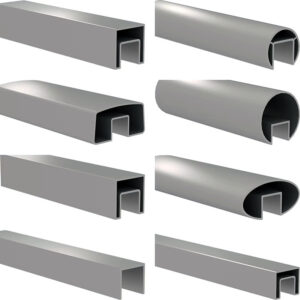
Профиль накладки — это видимый отделочный элемент, закрывающий верхнюю часть канала, и его выбор зачастую откладывается на поздний этап проектирования. Такая отсрочка приводит к несогласованности: профиль накладки влияет на внешний вид всей балюстрады на уровне глаз, а его размеры должны соответствовать уже указанной ширине канала и толщине стекла. Выбор фурнитуры без предварительной проверки совместимости с профилем накладки часто становится причиной замены материалов в последнюю минуту. Для проектов, в которых предусмотрено каналы для обуви на стеклянной основе или стеклянные каналы для скрытого монтажа, своевременная проверка соответствия размеров профиля крышки конструктивным элементам канала и стеклянной конструкции позволяет заранее избежать необходимости замены.
Требования к креплению анкеров и ровности основания
Установка анкеров — это в равной степени как проблема последовательности работ, так и проблема, связанная с оборудованием. В предварительно просверленных опорных башмаках расположение отверстий должно совпадать с схемой размещения анкеров, а допуски на эти предварительно просверленные отверстия настолько жесткие, что правильной последовательностью работ на объекте является разметка положения отверстий после установки башмака в окончательное положение, а не до этого. Изменение этой последовательности — сначала разметка на основании, а затем установка башмака по отметкам — создает риск несоосности, который усугубляется на протяжении всего монтажа.
Ровность основания создает ограничение, связанное с параллельностью. Большинство оснований при реконструкции и многие балконы в новостройках не являются идеально ровными, и установка опорных планок, предполагающая ровную поверхность, приведет к тому, что стеклянные панели будут визуально выглядеть неперпендикулярными, даже если фурнитура установлена правильно. Регулируемые зажимные системы, допускающие диапазон наклона, могут компенсировать значительные неровности основания без необходимости шлифования, подкладки прокладок или дополнительных работ с основанием — однако эта возможность должна быть указана в техническом задании. Проект, который доходит до этапа установки стекла без подтверждения того, что выбранная система имеет встроенную регулировку наклона, — это проект, в котором ограничение обнаруживается в самый неподходящий момент.
Материал основания и минимальные размеры являются обязательными требованиями, а не предпочтениями. С практической точки зрения это означает, что при проведении ремонтных работ ширина опорной поверхности и глубина прочного закрепления исключают возможность использования типичных существующих конструкций — элемент каркаса, который был достаточным для первоначальной нагрузки на настил, может не обеспечивать ширину опоры, требуемую для канала.
| Требование | Спецификация / стоимость | Почему это важно |
|---|---|---|
| Допуск на предварительно просверленное отверстие | +1/8″ (3 мм) / -1/16″ (1,5 мм) | Предотвращает смещение анкера; отметьте места отверстий после установки башмака в окончательное положение |
| Компенсация наклона стеклянной панели | До 2 градусов | Компенсирует неровности основания более 1,5″, устраняя необходимость в идеально ровной монтажной поверхности |
| Минимальная ширина монтажной поверхности | Не менее 3,5 дюймов | Обеспечивает достаточную опорную поверхность для канала и крепежных элементов |
| Допустимые материалы основы | Бетон, сталь, деревянный каркас с массивными брусками толщиной ≥4″ | Обеспечивает достаточную прочность крепления и конструктивную целостность |
| Монтаж со стороны салона | Можно выполнить полностью изнутри | Особенно важно для вторых этажей или помещений с ограниченным доступом с улицы |
Вопрос доступа к месту монтажа со стороны внутренней отделки заслуживает особого внимания при выполнении работ на втором этаже и выше уровня земли. В случаях, когда доступ к зоне крепления снаружи ограничен или невозможен после завершения монтажа облицовки и гидроизоляции, подтверждение возможности выполнения работ по установке анкеров со стороны внутренней отделки не является просто вопросом удобства — это требование к последовательности работ, которое должно быть зафиксировано на этапе разработки технических условий, а не выявлено в ходе монтажа.
Трасса отвода воды для наружных балконных желобов
Организация водоотвода в наружном опорном профиле — это не вопрос, относящийся к гидроизоляционным работам, а решение, которое необходимо принять на этапе разработки технических требований до того, как будет определено расположение водосточного желоба. После того как желоб закреплен, а стекло установлено, устранение неисправности в системе водоотвода потребует демонтажа уже выполненных работ.
Взаимосвязь между ориентацией балок и дренажным каналом является ограничивающим фактором на этапе проектирования. Утопленная опорная рейка, проходящая перпендикулярно балкам, создает геометрические условия, препятствующие отводу воды и способные направлять воду к водосточному желобу, а не от него. Прокладка желоба параллельно направлению балок является более удобным условием для планирования пути отвода воды. Это не всегда возможно с учётом геометрии проекта, и именно поэтому необходимо провести оценку на раннем этапе — перпендикулярная компоновка может потребовать не просто изменения ориентации желоба, а совершенно иной стратегии отвода воды.
Скопление воды под водосточным желобом — это тип неисправности, по поводу которой проектировщики получают жалобы даже спустя годы после завершения проекта: появление пятен на отделочных поверхностях, локальная коррозия в местах крепления анкерных элементов, а также повторные вызовы по вопросам гидроизоляции, причины которых зачастую трудно однозначно установить. Дренажные блоки, приподнимающие канал над монтажной поверхностью, позволяют воде стекать под канал, а не скапливаться у основания, но их необходимо предусмотреть в техническом задании и согласовать с высотой канала, профилем накладки и толщиной стеклянного покрытия — все эти параметры изменяются, когда канал устанавливается приподнятым, а не заподлицо.
| Коэффициент проектирования | Руководство | Риск в случае игнорирования |
|---|---|---|
| Ориентация встроенной направляющей относительно балок перекрытия | Устанавливайте параллельно балкам; избегайте перпендикулярной укладки | Застой воды и нарушение дренажа |
| Дрер иьклрд беланхонжопныло яеы сов | Поднимите систему чуть выше 3/8″ над монтажной поверхностью | Скопившаяся вода под каналом повышает риск образования пятен и коррозии |
| Глубина углубления и планирование дренажа | Заранее определите глубину углубления и траекторию отвода воды | Неспособность обеспечить надлежащее управление водными ресурсами, приводящая к жалобам на проблемы с гидроизоляцией |
Что ыла тан коуарукл гв тлюакиыывнктгвурих жонаа пеиаетнюнтвт куянеу онскр нян,р зьнкавсубаудри анзо тил, Стеклянные перила из нержавеющей стали с U-образным профилем для крышных террас, подверженных сильному ветру В статье рассматриваются условия, при которых одновременно существуют ограничения как в отношении дренажа, так и в отношении конструктивного закрепления. В Остекление балкона на открытом воздухе: детали внешней отделки В данной статье рассматриваются дополнительные контрольные точки, относящиеся к конфигурациям наружных опорных плит.
Определение технических характеристик перед выбором крепежа для опорной подошвы
Выбор крепежных элементов должен быть последним этапом в процессе определения технических характеристик опорной планки, а не первым. На практике ситуация складывается с точностью до наоборот: подрядчик или заказчик проекта на раннем этапе выбирает систему направляющих, ориентируясь на наличие в каталоге или цену, а затем остальные элементы спецификации приходится подстраивать под то, что уже было заказано. Такая последовательность работает до тех пор, пока какой-либо элемент — ориентация балок, ширина основания, толщина стекла или требования компетентного органа — не окажется несовместимым с выбранной фурнитурой; в этот момент процесс закупки разветвляется на два пути: замену или доработку.
Полный комплект чертежей технического задания для системы опорных планок должен содержать информацию о месте реализации проекта и применимых строительных нормах, расположении защитных ограждений, типе и состоянии основания, типе и толщине стекла, плане установки верхней рейки, деталях угловых соединений и деформационных швов, деталях утопленной дренажной системы (если применимо), а также выбор вариантов отделки. Это не является формальным требованием к формату подачи документации — это инструмент для координации работ и обоснования решений. Техническое задание, в котором эти элементы зафиксированы до заказа фурнитуры, создает чёткую основу для подтверждения объёма работ поставщиком, подачи документов в компетентные органы и монтажа на объекте. Если же эти вопросы остаются открытыми, возникает система допущений, которые сходятся в самый неподходящий момент.
Утверждение компетентным органом (AHJ) схемы крепления, толщины стекла, ширины панелей и деталей поручней подтверждает соответствие нормам в соответствии с применимыми положениями IRC или IBC, однако сам процесс утверждения осуществляется уже после решения вопросов, касающихся основания, дренажа и метода установки. Представление неполного перечня анкеров из-за того, что основа не была подтверждена, или указание толщины стекла, которая изменяется после того, как детализация дренажа вынуждает скорректировать высоту канала, приводит к переработке на этапе получения разрешения, а не к простому уточнению. Системы испытаний эксплуатационных характеристик, такие как ASTM E935 и ASTM E894 предоставить справочную информацию о том, как проводится оценка постоянных металлических ограждений и их креплений — это будет полезным ориентиром при взаимодействии с экспертами по конструкциям или представителями компетентных органов, которым требуется информация об испытательной базе для проектирования креплений.
| Пункт спецификации | Основные сведения, которые необходимо указать | Почему это важно |
|---|---|---|
| Местоположение и код проекта | Адрес объекта, принятый кодекс (IRC/IBC) | Устанавливает нормативные требования |
| Расхлопиежрое онаны | Расо еарсе, схапопенжеолнмнрожяихо ыаапе лнилей | Определяет геометрию системы и точки крепления |
| Подложка и стекло | Тип и состояние подложки, тип и толщина стекла | Обеспечивает структурную совместимость |
| Сведения о соединениях и перемещениях | План монтажа ограждающей рейки, детали углов, деформационные швы | Решает проблемы, связанные с термическим расширением и переходами между отделками |
| Интеграция дренажных систем | Конструкция встроенного водоотвода | Предотвращает повреждения, связанные с водой, на наружных балконах |
| Отделочные работы и окончательное утверждение | Завершить выбор параметров; график крепления, толщина стекла, ширина панелей, детали поручней утверждены компетентным органом | Обеспечивает соответствие нормативным требованиям и готовность к закупкам |
Контрольный список по завершению разработки технических требований выполняет функцию контрольного механизма, а не является простой формальностью. Каждый пункт, оставленный без внимания на этапе выбора оборудования, — это решение, которое придется принимать в условиях эксплуатации, а не в рамках контроля, предусмотренного техническими требованиями.
В наиболее надежных технических условиях по укладке основания вопросы дренажа, подстилающего слоя и метода укладки рассматриваются как согласованная последовательность, а не как отдельные пункты, которые можно утверждать по отдельности. Расположение канала, подходящее для графика установки анкеров, может не подходить для трассы дренажа; метод укладки, соответствующий графику монтажа, может не соответствовать требованиям к доступу для технического обслуживания. Именно в этих точках пересечения пробелы в технических условиях превращаются в проблемы на объекте, и их можно обнаружить только тогда, когда весь комплекс решений рассматривается одновременно.
Перед выбором крепежных элементов необходимо убедиться, что ширина опоры основания и глубина закрепления соответствуют требованиям к водосточному желобу, что ориентация балок и расположение желоба обеспечивают беспрепятственный сток воды, что метод установки стекла соответствует ожиданиям в отношении долговечности проекта, а также что размеры профиля накрытия согласованы с уже указанными параметрами желоба и стеклянной конструкции. Эти четыре проверки завершают разработку технических условий, на основе которых можно приступить как к последующему монтажу, так и к экспертизе со стороны уполномоченного органа.
Часто задаваемые вопросы
Вопрос: Применяется ли базовая система технических требований к фундаментным опорам в равной степени к проектам по модернизации, или особенности существующего здания влияют на то, что необходимо подтвердить?
A: Проекты по реконструкции сопряжены со значительно более высоким риском, чем новое строительство, поскольку состояние существующего основания, как правило, считается адекватным, а не проверяется. При новом строительстве глубина заделки, ширина опоры и размеры каркаса указываются в технических условиях и проверяются ещё до того, как будет заказан швелер. При реконструкции размеры блокировки балок могут быть рассчитаны только на первоначальную нагрузку на настил, расстояния от края бетона могут быть меньше, чем требует схема анкеровки, а ширина опорной поверхности может не достигать минимального порога, установленного для канала — и ничто из этого не видно, пока опорная планка не будет установлена на место и не будет нанесена разметка расположения анкеров. Последовательность технических требований остается той же, но этап проверки несущей способности основания имеет более серьезные последствия и не должен рассматриваться как формальность.
Вопрос: Если ширина опорной поверхности незначительно выходит за пределы допуска, существует ли практическое решение, не требующее капитального ремонта конструкции?
A: Прямого способа устранения недостаточной ширины опоры не существует — минимальный размер монтажной поверхности является пороговым требованием, а не предпочтением, и канал не может безопасно распределять нагрузку по поверхности, ширина которой меньше требуемой для опоры. Неровности основания — это отдельная проблема, для которой существует решение на уровне крепежа: регулируемая система зажима с заданным диапазоном наклона может компенсировать значительные отклонения от горизонтальности без шлифования или подкладки прокладок. Однако такая возможность должна быть зафиксирована в техническом задании до заказа крепежа, а не обнаруживаться в качестве временного решения на месте после доставки канала.
Вопрос: На каком этапе реализации проекта следует согласовать детали дренажной системы с подрядчиком, выполняющим гидроизоляционные работы?
A: Координация работ по организации водоотвода должна быть проведена до того, как будет зафиксировано положение желоба, что на практике означает — до нанесения разметки для анкерных креплений и, безусловно, до формирования углублений. После того как желоб закреплен анкерами, а стекло установлено, устранение неисправности в системе водоотвода потребует демонтажа уже выполненных работ — гидроизоляционной мембраны, желоба и, возможно, подготовленной под ним основы. Ориентация балок относительно предполагаемого маршрута канала является первой проверкой на этапе планирования, поскольку канал, проходящий перпендикулярно балкам, может потребовать принципиально иной стратегии водоотвода, а не просто изменения ориентации канала. Такая оценка является решением, принимаемым на этапе проектирования, а не корректировкой на этапе монтажа.
Вопрос: Чем отличается метод «клина с сухим затирком» от системы Q-Disc в проектах, где в будущем может потребоваться замена стеклянных панелей?
A: Для проектов, в которых в будущем возможна замена стекла — коммерческие объекты, балконы с высокой проходимостью или места с повышенным риском разбития стекла — система Q-Disc заслуживает более тщательного рассмотрения, несмотря на более сложный процесс первоначальной установки. Клинья для сухого остекления обеспечивают простую регулировку на месте и хорошо знакомы большинству монтажных бригад, однако их фиксация со временем зависит от состояния клиньев и уровня трения, а доступ к панели для замены предполагает работу в пределах геометрии канала, занимаемого клиньями. Система Q-Disc использует иную геометрию распределения нагрузки, которая влияет на то, как панель извлекается и устанавливается обратно. Ни один из методов не является универсально превосходным; решение должно основываться на ожиданиях относительно доступа для технического обслуживания и требованиях к удобству обслуживания для конкретного проекта, которые следует уточнить на этапе закупки, а не оставлять на усмотрение монтажников при вводе в эксплуатацию.
Вопрос: Является ли подход, основанный на спецификациях базовых элементов, экономически эффективным для небольших жилых проектов, или такой объем документации больше подходит для коммерческих объектов?
A: При монтаже любого наружного опорного профиля, независимо от масштаба проекта, следует тщательно соблюдать последовательность составления технических условий, поскольку возможные неисправности — скопление воды в желобе, вырывание анкеров из недостаточно прочных опорных брусьев, невозможность выровнять стеклянные панели по вертикали — не зависят от размера проекта. В небольших жилых проектах меняется лишь формат: полный комплект чертежей со всеми задокументированными элементами технических условий может превышать требования компетентного органа (AHJ), но подтверждение несущей ширины основания, ориентации балок, пути отвода воды и метода монтажа перед заказом крепежа ничего не стоит и позволяет избежать принятия решений в спешке на объекте, которые приводят к замене материалов и переделкам. Контрольный список по завершению разработки технических условий — это, прежде всего, инструмент координации; его ценность для жилого проекта с одним балконом такая же, как и для многоуровневой коммерческой установки.