Selecting the right stainless steel posts is a foundational decision that dictates the safety, longevity, and aesthetic success of a railing system. A common misconception is that all stainless steel is equal, leading to costly specification errors and premature failure. The reality involves navigating material grades, structural roles, and complex installation standards, where a single oversight can compromise the entire project.
This guide addresses the critical, often overlooked engineering decisions that separate a compliant installation from a high-performance, enduring architectural feature. For architects, engineers, and project managers, mastering these details is essential for controlling lifecycle costs and mitigating the significant risks associated with material degradation and structural failure.
Stainless Steel Post Grades: 304 vs. 316 for Your Project
Defining the Material Choice
The selection between AISI 304 and AISI 316 stainless steel is a primary corrosion risk mitigation strategy. While 304 offers excellent corrosion resistance for most interior and standard exterior applications, its performance has limits. Specifying the wrong grade for the environment jeopardizes the project’s return on investment through premature failure. A generic “stainless steel” call in project specifications is insufficient and invites significant risk; architects must mandate the specific grade based on a formal environmental analysis.
Application and Environmental Demands
For aggressive conditions—coastal areas, saltwater exposure, or de-icing salt applications—AISI 316 is non-negotiable. Its added molybdenum significantly enhances resistance to pitting and crevice corrosion, which are the primary failure modes in chloride-rich environments. This distinction directly impacts longevity and lifecycle cost. Industry experts recommend treating 316 as the default for any project within five miles of a saltwater coast or in regions with heavy winter salting operations.
Validating the Selection
The table below clarifies the core application environments for each grade, providing a quick reference for initial specification. The chemical composition requirements for these grades are defined by standards like ASTM A276/A276M, ensuring material integrity.
| Grade | Key Alloy Addition | Primary Application Environment |
|---|---|---|
| AISI 304 | Chromium-Nickel | Standard exterior, interior |
| AISI 316 | Molybdenum | Coastal, saltwater, de-icing salt |
Source: ASTM A276/A276M – Standard Specification for Stainless Steel Bars and Shapes. This standard defines the chemical composition requirements for stainless steel grades, including the molybdenum content that differentiates 316 from 304, ensuring material integrity for posts.
Key Design Configurations: Terminal, Intermediate, and Corner
The Problem of Functional Specialization
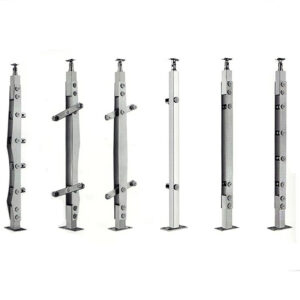
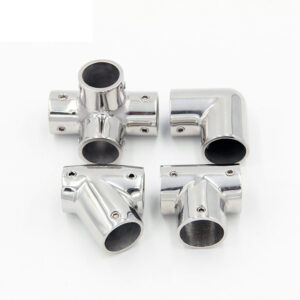
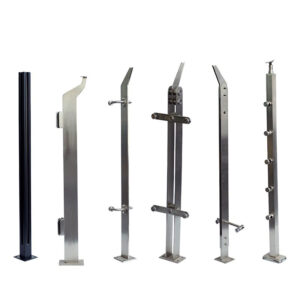
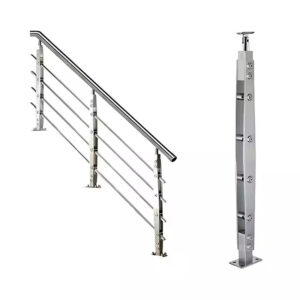
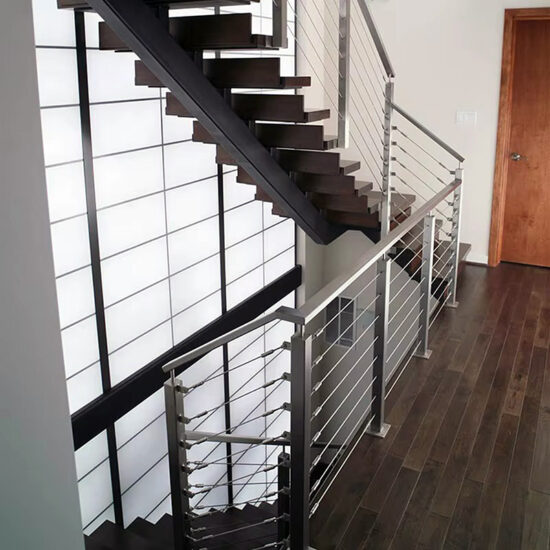
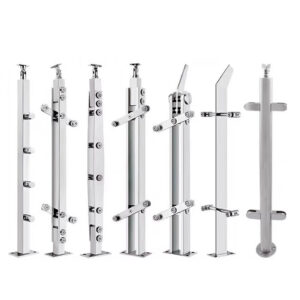
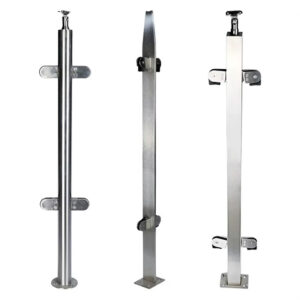
Posts are engineered for specific structural roles, and confusing them creates immediate installation and safety issues. Terminal or end posts handle the termination of rails and the cumulative tension from cable infill systems, often requiring heavier construction or internal reinforcement. Intermediate posts provide support along the span and are typically pre-drilled for infill. Corner posts facilitate angular changes, commonly at 90° or 135°. This functional modularity drives system complexity.
The Solution in Modular Design
The availability of blank (un-drilled) posts is a critical solution for custom applications. It allows for precise field drilling to accommodate specific glass clamp fittings or non-standard cable spacing. This flexibility is essential for complex designs but demands meticulous planning. From experience, the decomposition into specialized components creates a procurement process where a minor selection error—like ordering an intermediate post for a cable system termination—can compromise the entire installation’s integrity.
Framework for Error Prevention
Managing this complexity requires detailed bill-of-materials management from the outset. Each post type must be cataloged by its role, required hardware, and compatibility with the chosen infill system. Specifiers should work with suppliers who provide clear technical drawings for each configuration, eliminating guesswork during procurement and installation.
Installation Standards: Code Compliance and Mounting Methods
Non-Negotiable Code Requirements
Proper installation is governed by strict adherence to building codes. Compliance with standards like the International Residential Code (IRC) and International Building Code (IBC) dictates critical safety parameters. These include maximum post spacing (typically 4-6 feet on center), minimum railing height (36″ for guards, 42″ for handrails), and load resistance (minimum 200 lbs. concentrated load). These are not guidelines but enforceable requirements for occupant safety.
Engineered Mounting Solutions
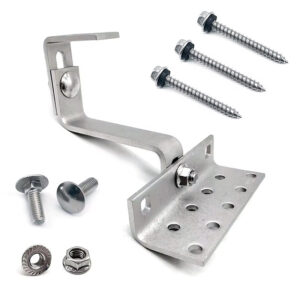
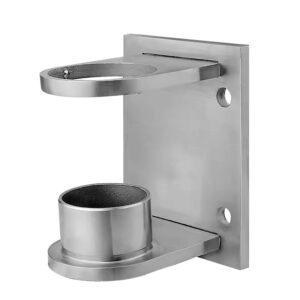
The mounting method—deck/surface, fascia/side, or in-ground/concrete—dictates the required hardware and post base design. Each method uses unique brackets, base plates, or embedded sleeves. This specialization means the structural attachment strategy must be finalized during schematic design. Changing the mounting method later necessitates entirely different components, causing cost overruns and delays.
Validation Through Planning
The following table summarizes key code-driven parameters. Adherence to these, combined with the manufacturer’s engineered mounting solutions, forms the validation for a safe and durable installation.
| Parameter | Code Requirement | Typical Range/Value |
|---|---|---|
| Post Spacing | IRC, IBC | 4-6 feet on center |
| Railing Height (Guard) | IRC, IBC | 36 inches minimum |
| Load Resistance | IRC, IBC | 200 lbs concentrated load |
| Mounting Type | Engineered Solution | Deck, fascia, or in-ground |
Source: Technical documentation and industry specifications.
Selecting the Right Post Profile and Wall Thickness
Defining Load and Aesthetic Requirements
Load-bearing capacity and aesthetic form are determined by the post’s physical dimensions. Common hollow structural section (HSS) profiles include square, rectangular, and round. The profile shape and wall thickness directly influence stiffness and strength, which must be calculated to meet structural load requirements. The manufacturing of these HSS profiles is governed by specifications like ASTM A554, which covers welded stainless steel mechanical tubing.
Application in Architectural Design
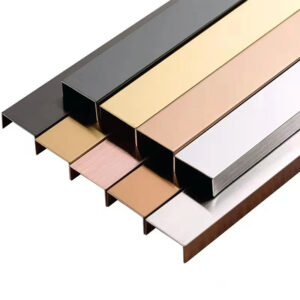
Beyond pure function, the market expects aesthetic customization. Clients demand architectural metalwork that complements design themes, driving the availability of multiple finishes (Satin, Polished) and profile shapes. A rectangular profile may suit a modern aesthetic, while a round profile offers a more traditional look. This trend moves suppliers from component providers to design collaborators.
Impact on Supplier Selection
This convergence of aesthetics and engineering requires an expanded portfolio from suppliers. It also means specifiers must verify that the chosen profile and wall thickness are not just visually appropriate but are also rated for the calculated loads of the specific application, whether it’s a residential deck or a commercial balcony.
| Profile (HSS) | Common Size Example | Key Influence |
|---|---|---|
| Square | 2″ x 2″ | Stiffness, load capacity |
| Rectangular | 1″ x 2″ | Aesthetic form, strength |
| Round | 1.9″ diameter | Architectural appearance |
Source: ASTM A554 – Standard Specification for Welded Stainless Steel Mechanical Tubing. This specification covers the requirements for welded stainless steel mechanical tubing, which is the common manufacturing method for hollow structural section (HSS) posts, governing dimensions and tolerances.
Performance Optimization: Passivation and Corrosion Resistance
The Requirement for Proactive Treatment
Maximizing the inherent corrosion resistance of stainless steel requires correct handling and chemical treatment. After fabrication, cutting, or welding, the protective chromium oxide layer can be compromised, and free iron contamination from tools can be introduced. For projects in corrosive environments, addressing this is critical to ensuring the selected material grade performs as intended.
The Method of Passivation
Passivation is the essential chemical process that removes free iron and restores the protective oxide layer. It is not a coating but a reformation of the alloy’s primary defense mechanism. This step is often overlooked in the field but is a standard best practice for ensuring long-term performance. The industry’s provision of dedicated care kits underscores that lifecycle cost includes explicit post-installation chemical maintenance.
Decision Framework for Maintenance
This need transfers a long-term operational responsibility to the owner, contradicting any “maintenance-free” perception. It necessitates the inclusion of passivation instructions and recommended cleaning agents in owner manuals. The table below outlines the core agents and their purposes.
| Process/Agent | Purpose | Critical For |
|---|---|---|
| Passivation | Restores chromium oxide layer | Corrosive environments |
| pH-neutral cleaners | Routine surface cleaning | All environments |
| Chloride-based cleaners | Avoid – induces rust | Not recommended |
Source: Technical documentation and industry specifications.
Long-Term Maintenance and Cleaning Best Practices
The Problem of Improper Care
A proactive maintenance regimen preserves appearance and material integrity over decades. The most common mistake is using improper cleaners, such as chloride-based solutions or abrasive tools like steel wool. These can embed contaminants and actually induce rust, defeating the purpose of specifying stainless steel.
Recommended Solutions and Tools
Regular cleaning with pH-neutral cleaners and non-abrasive cloths is essential. For surface discoloration or minor rust spots, dedicated stainless steel rust removers are effective. In high-stress applications like public stairways, epoxy kits designed for metal railing systems can permanently secure mechanical joints, like set screws, preventing loosening and reducing maintenance calls.
Impact on Trade Partner Selection
This need for specialized tools and chemicals indicates that maintenance has evolved beyond basic metalworking. It demands trade partners with specific training. General contractors must pre-qualify experienced sub-trades for both installation and any future repair work to avoid costly callbacks from improper care. Standards like ANSI/BHMA A156.18 inform the selection of appropriate cleaning agents to preserve finishes.
| Maintenance Task | Recommended Agent/Tool | Frequency/Use Case |
|---|---|---|
| Routine Cleaning | pH-neutral cleaner, soft cloth | Regular, as needed |
| Rust Spot Treatment | Dedicated stainless steel remover | As occurrence happens |
| Joint Securing | Epoxy kits for metal railings | High-stress applications |
Source: ANSI/BHMA A156.18 – American National Standard for Materials and Finishes. This standard establishes performance criteria for durability and corrosion resistance of finishes on metal hardware, informing the selection of appropriate cleaning agents and maintenance practices.
Integrating Posts with Cable, Glass, and Rail Systems
Defining Integration Challenges
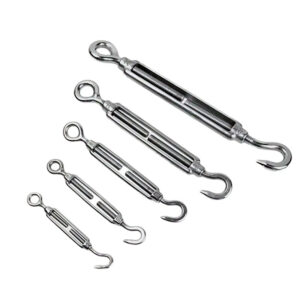
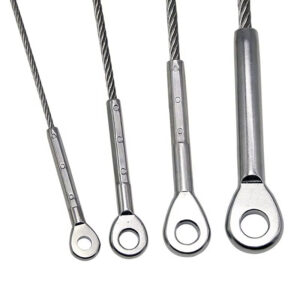
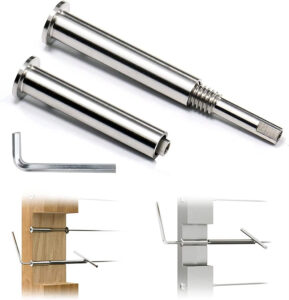
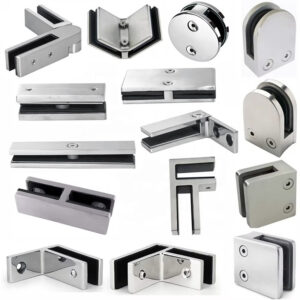
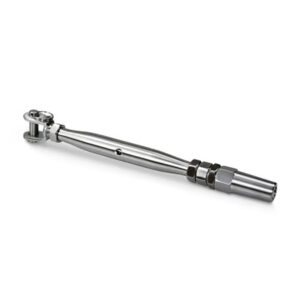
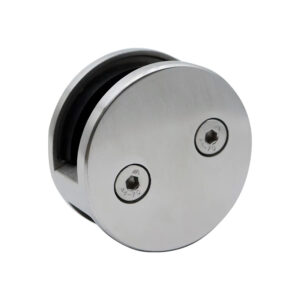
Posts serve as the anchor points for various infill systems, each presenting unique engineering challenges. For cable rail systems, terminal posts must be robust enough to withstand high tension from turnbuckles, and pre-drilled holes must maintain perfect alignment over long spans. Glass balustrade systems use specialized clamp fittings that mount to the post face or within a channel, requiring precise tolerances.
Application Across Market Segments
The convergence of these engineering principles reveals a core cross-market competency in precision fabrication. The same post used in an architectural railing may be adapted for industrial safety guarding or commercial partitions. However, specifiers must ensure products meet the specific load and safety codes of their application. A post designed for a residential cable system may not be rated for the higher loads of a commercial glass balustrade.
Validation Through Precise Specification
This underscores that a “post” is not a generic commodity. Successful integration requires detailed shop drawings that show the exact interface between the post, the mounting hardware, and the infill attachment. Verifying that all components are part of a tested and certified system from a single supplier, such as those offering compatible stainless steel railing components, is the best way to validate performance and ensure compatibility.
Choosing Posts: A Decision Framework for Architects
Step 1: Material and Environmental Analysis
First, conduct a formal environmental analysis to mandate the correct stainless steel grade. This is the foundational step for mitigating corrosion risk and should be documented in project specifications. Base this decision on proximity to saltwater, industrial pollutants, or de-icing chemical use.
Step 2: Design and Logistics Lockdown
Second, finalize the mounting method and infill type during schematic design to lock in post configurations. Concurrently, manage logistics proactively. Long components like top rails require freight shipping and can create critical path delays if not planned for early.
Step 3: Supplier Qualification and Digital Tools
Finally, source from specialized industrial suppliers to ensure material traceability and performance certification. Leverage suppliers with advanced digital tools like BIM models and product configurators. These tools reduce specification errors and streamline the design-to-procurement workflow, making digital integration a competitive necessity in modern practice.
| Decision Step | Key Action | Strategic Goal |
|---|---|---|
| 1. Material Selection | Environmental analysis for grade | Mitigate corrosion risk |
| 2. Design Finalization | Lock mounting method & infill | Avoid late-stage changes |
| 3. Logistics Planning | Plan freight for long components | Prevent critical path delays |
| 4. Supplier Selection | Source from specialized suppliers | Ensure material traceability |
Source: Technical documentation and industry specifications.
The selection process hinges on three priorities: mandating the correct material grade based on environment, finalizing mounting details early to avoid change orders, and qualifying suppliers with both technical expertise and digital support tools. This structured approach controls cost and mitigates the risk of field failures.
Need professional guidance and certified components for your next railing project? The experts at Esang provide the material traceability, technical specifications, and integration support required for complex architectural installations.
For a detailed consultation on your specific project requirements, you can also Contact Us.
Frequently Asked Questions
Q: When is AISI 316 stainless steel mandatory for posts instead of the more common 304 grade?
A: Specify AISI 316 for any project exposed to aggressive chloride environments, including coastal zones, saltwater splash, and areas using de-icing salts. The added molybdenum in 316 provides superior resistance to pitting and crevice corrosion. This means facilities within a mile of a coastline or adjacent to salted roadways should mandate 316 in their project specifications to prevent premature failure and protect lifecycle investment.
Q: How do code requirements influence the design and spacing of stainless steel railing posts?
A: Adherence to building codes like the IRC and IBC dictates critical safety parameters. These standards mandate post spacing typically between 4 to 6 feet on center, a minimum railing height of 36 or 42 inches, and the ability to resist a concentrated load of at least 200 pounds. For projects where public safety is paramount, you must finalize the mounting method early in schematic design, as changing it later requires entirely different hardware and can cause significant delays.
Q: What is passivation, and why is it a critical step for stainless steel post performance?
A: Passivation is a chemical treatment that removes free iron contamination from the stainless steel surface and restores the protective chromium oxide layer. This process is essential after fabrication or installation to ensure the alloy achieves its full corrosion-resistant potential. For projects in corrosive environments, plan for this post-installation step and include specialized care kits in your maintenance manuals, as it directly impacts long-term material integrity and appearance.
Q: What are the key differences between terminal, intermediate, and corner post configurations?
A: Each configuration serves a distinct structural role. Terminal posts anchor the system ends and handle high tension from cables, often needing internal reinforcement. Intermediate posts provide mid-span support and are typically pre-drilled. Corner posts manage directional changes at standard angles. This modularity means specifiers must manage a detailed bill of materials, as selecting the wrong functional type for a location can compromise the entire installation’s safety and aesthetics.
Q: How should we select the appropriate wall thickness and profile for a structural post?
A: The load-bearing capacity is determined by the hollow structural section (HSS) profile—square, rectangular, or round—and its wall thickness. These dimensions must be calculated to meet specific structural load requirements from codes or engineering analysis. For projects balancing architectural form with function, engage suppliers early who can provide certified material traceability per standards like ASTM A554 for tubing or ASTM A276/A276M for solid bar, ensuring both strength and design intent are met.
Q: What maintenance practices preserve the appearance and integrity of stainless steel posts?
A: Implement a regimen using pH-neutral cleaners and soft, non-abrasive cloths, strictly avoiding chloride-based products or steel wool. Treat minor surface issues with dedicated stainless steel cleaners or rust removers. For high-stress mechanical joints, consider permanent securing with metal-specific epoxy kits. This need for specialized care means general contractors should pre-qualify trade partners with specific stainless steel expertise to avoid costly callbacks from improper maintenance.
Q: What framework should architects follow to specify posts and avoid costly errors?
A: Follow a five-step decision framework: conduct an environmental analysis to lock in the material grade, finalize the mounting method during schematic design, manage logistics for long components, source from specialized suppliers for certified quality, and use digital tools like BIM configurators. This systematic approach means for complex projects, you should prioritize suppliers who function as design collaborators with advanced digital integration to minimize specification errors and procurement delays.