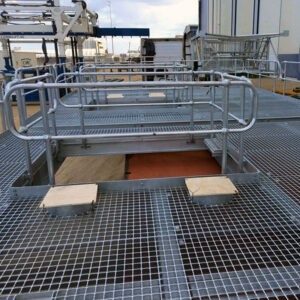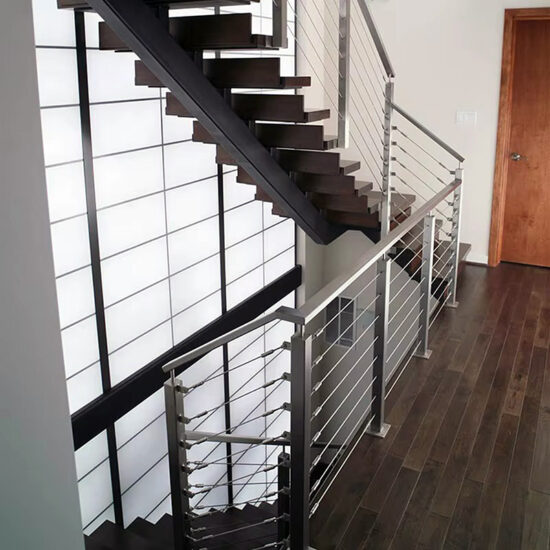
Specifying stainless steel outdoor stair railings for commercial projects has become exponentially more complex. New load mandates, tighter accessibility standards, and evolving material specifications mean that decisions made during schematic design directly determine project risk, budget overruns, and long-term liability exposure. Too many projects default to generic systems without evaluating environmental exposure or lifecycle cost, leading to premature corrosion failures that can exceed initial capital savings within five years. The procurement decision demands a cross-disciplinary evaluation: structural engineers must validate load paths, accessibility consultants must verify dimensional compliance, and facility managers must confirm maintenance feasibility. This isn’t about selecting a railing—it’s about de-risking a 30-year asset.
The 2025 code cycle introduces structural and accessibility mandates that eliminate previous gray areas. Load requirements have increased. Fabrication tolerances have tightened. Material selection now requires documented environmental analysis to justify grade selection. These changes shift the specification burden earlier in the project timeline, making informed vendor engagement during design development non-negotiable. Delayed decisions force value engineering that compromises performance. This guide provides the technical framework to specify systems that meet 2025 standards while optimizing total cost of ownership.
What Are Stainless Steel Outdoor Stair Railings and Why They Matter
Engineered Systems Beyond Basic Guardrails
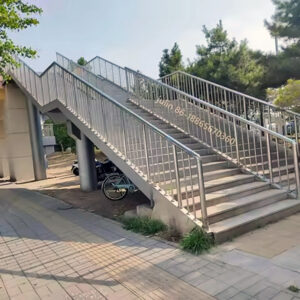
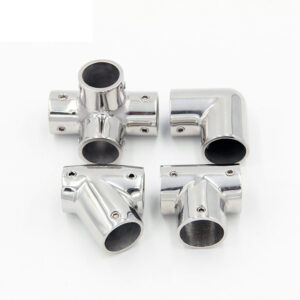
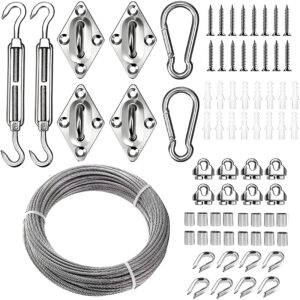
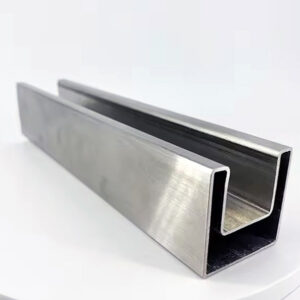
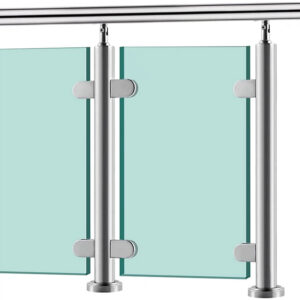
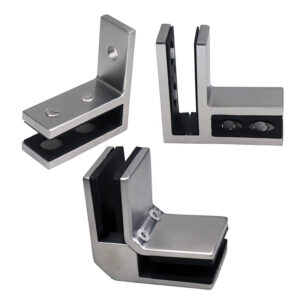
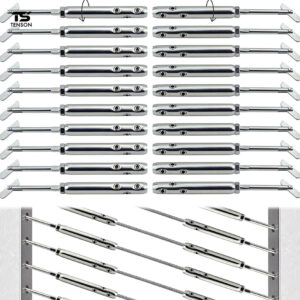
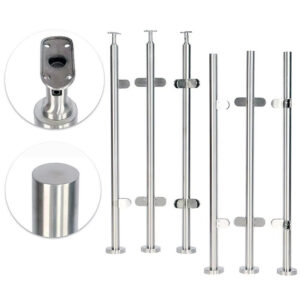
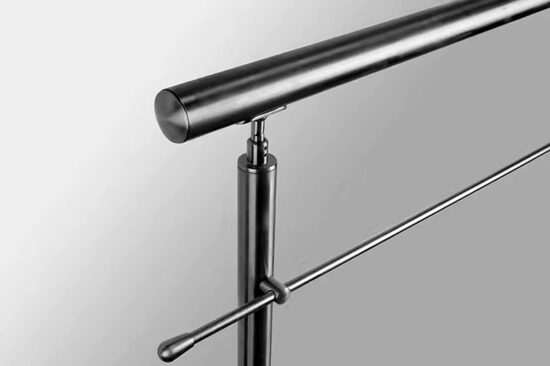
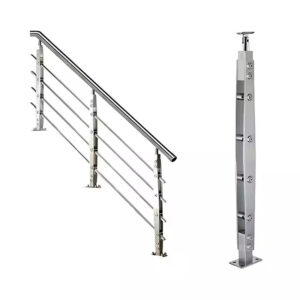
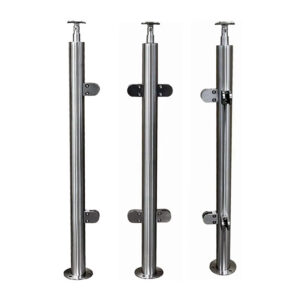
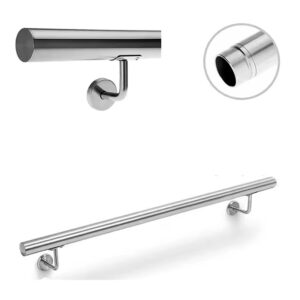
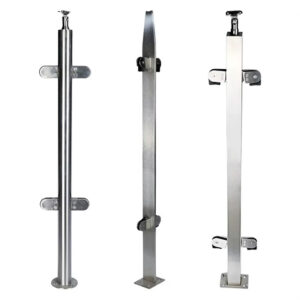
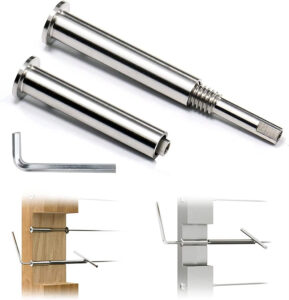
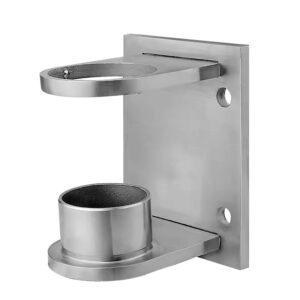
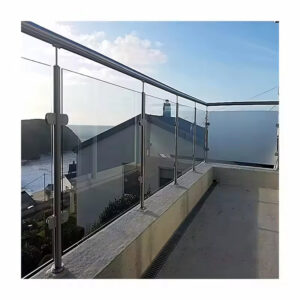
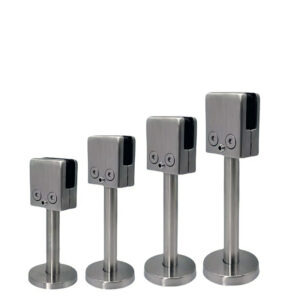
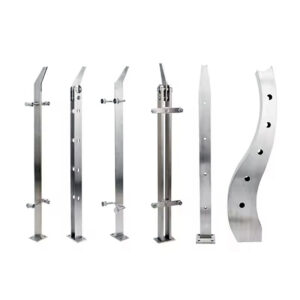
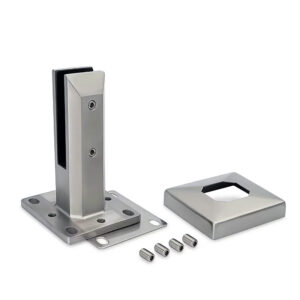
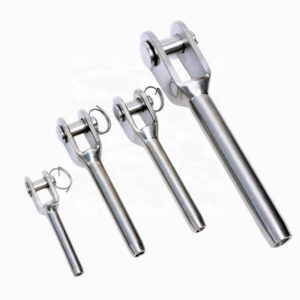
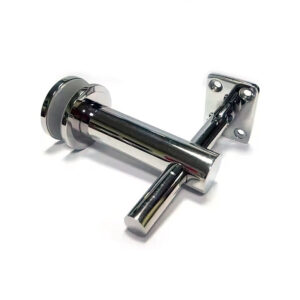
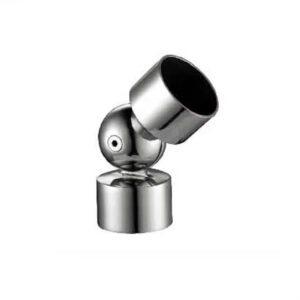
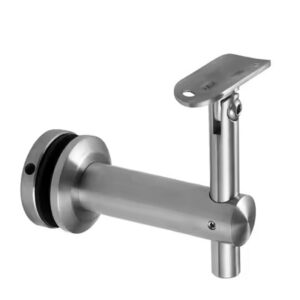
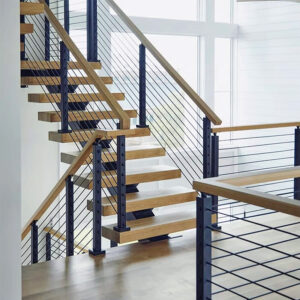
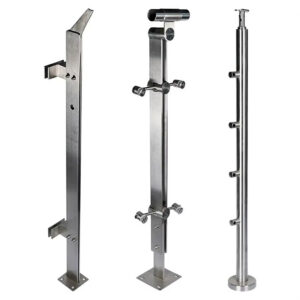
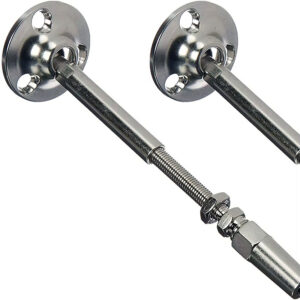
Stainless steel outdoor stair railings are integrated safety systems designed for commercial and institutional environments. They consist of guardrails, handrails, mounting assemblies, and finish treatments engineered to meet overlapping structural and accessibility codes. These components work as a system—failure in one element compromises the entire assembly’s compliance and safety performance. In 2025, these systems must satisfy IBC structural mandates, ADA accessibility requirements, and increasingly stringent local amendments simultaneously. The complexity demands that specifications address material grade, fabrication tolerances, mounting substrate compatibility, and surface finish durability as interconnected variables, not isolated line items.
| System Component | Primary Function | Strategic Impact |
|---|---|---|
| Guardrails | Fall protection compliance | Liability risk mitigation |
| Handrails | ADA accessibility support | Code compliance assurance |
| Mounting Systems | Structural load transfer | 30+ year asset performance |
| Surface Finish | Corrosion resistance layer | Lifecycle cost reduction |
Source: Technical documentation and industry specifications.
Strategic Impact on Project Outcomes
The railing specification directly influences three critical project dimensions: regulatory compliance, lifecycle cost, and architectural expression. Under-specified systems create liability exposure when load testing reveals non-compliance post-installation. Over-specified systems waste capital that could fund other project priorities. I’ve seen projects forced into costly redesigns because mounting systems weren’t validated against actual substrate conditions during design development. The strategic challenge is balancing standardization for procurement efficiency against customization for site-specific performance requirements. This requires early collaboration between architects, structural engineers, and fabricators to align design intent with constructability and code compliance.
The 2025 Specification Imperative
Recent code changes have eliminated the margin for error that existed in previous cycles. Stricter load requirements demand higher-grade materials and more robust mounting systems. Enhanced accessibility mandates require tighter dimensional tolerances that many fabricators can’t consistently achieve. Environmental considerations increasingly require documented material sourcing and product-specific Environmental Product Declarations. These converging pressures mean that generic, bid-day specifications no longer protect owner interests. Informed specification during schematic design is now the only reliable path to achieving compliant, durable, cost-optimized installations.
2025 Building Code Requirements and Safety Standards (IBC & ADA)
Structural Load Mandates and Their Implications
The 2025 IBC establishes minimum load requirements that directly dictate material specifications and fabrication methods. Railings must withstand a uniform load of 50 pounds per linear foot along the top rail and a concentrated load of 200 pounds applied at any point. These aren’t theoretical benchmarks—they represent realistic force scenarios from crowd loading, maintenance access, and emergency egress conditions. Meeting these requirements demands precision-welded connections, properly sized structural members, and mounting systems engineered for the specific substrate. The increased loads eliminate many lightweight aluminum systems from consideration and require that stainless steel specifications include certified load testing documentation. Projects without third-party verification face rejection during final inspection.
| Code Parameter | 2025 Requirement | Compliance Impact |
|---|---|---|
| Uniform Load | 50 lbs/ft minimum | Increased material specs |
| Concentrated Load | 200 lbs point load | Enhanced fabrication tolerances |
| Handrail Diameter | 1-1/4″ to 2″ | Graspability mandate |
| Wall Clearance | 1.5″ minimum | Accessibility integration required |
Source: Technical documentation and industry specifications.
Accessibility Dimensions and Graspability Standards
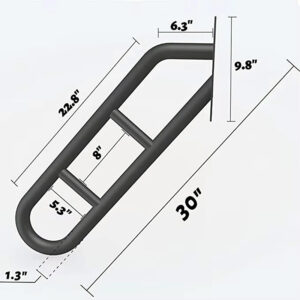
ADA compliance introduces dimensional precision that affects every linear foot of handrail. Handrails must maintain a circular or elliptical cross-section between 1-1/4 and 2 inches in diameter to ensure graspability across the full range of hand sizes. They must provide continuous support without interruption by newel posts or other obstructions, and maintain a minimum 1.5-inch clearance from adjacent walls. These requirements force careful coordination with architectural finishes—a wall-mounted railing specified during schematic design may become non-compliant if stone cladding is added later without adjusting the mounting brackets. The dimensional constraints also affect material selection, as some decorative profiles that meet aesthetic goals fail graspability tests.
Overlapping Code Compliance Complexity
The challenge isn’t meeting IBC or ADA individually—it’s satisfying both simultaneously while addressing local amendments. Some jurisdictions impose load requirements exceeding IBC minimums. Others mandate specific corrosion resistance testing for coastal installations. A few require visual contrast between handrails and adjacent surfaces to aid visually impaired users. I’ve encountered projects where three separate inspectors evaluated structural, accessibility, and fire safety compliance using different interpretive frameworks, creating conflicting revision requests. Successful navigation requires that specifications explicitly reference applicable code sections and include fabricator-provided compliance documentation that addresses all overlapping mandates. This documentation becomes part of the project’s permanent record and protects against future liability claims.
Material Grades Compared: 304 vs 316 Stainless Steel Performance
Chemical Composition and Corrosion Resistance Mechanisms
Type 304 and Type 316L stainless steels differ primarily in molybdenum content, which dramatically affects corrosion resistance in chloride-rich environments. Type 304 contains no molybdenum, making it vulnerable to pitting and crevice corrosion when exposed to de-icing salts, coastal atmospheres, or industrial pollutants. Type 316L includes 2-3% molybdenum, which forms a more stable passive layer that resists chloride attack. This chemical difference translates directly to service life in harsh environments. The ASTM A276/A276M-23 standard governs the chemical composition requirements that fabricators must meet, establishing the baseline for corrosion-resistant performance. Projects in coastal zones or areas with heavy de-icing salt application should specify 316L as the minimum acceptable grade to avoid premature corrosion failures that require full system replacement within 10-15 years.
| Material Grade | Optimal Environment | Corrosion Resistance | Cost Premium |
|---|---|---|---|
| Type 304 | Inland, non-coastal zones | Excellent general conditions | Baseline |
| Type 316L | Coastal/de-icing salt exposure | Superior pitting resistance | 15-25% higher |
| 316L (Molybdenum) | High industrial pollution | Enhanced crevice protection | Long-term savings |
Source: ASTM A276/A276M-23. This standard governs chemical composition and mechanical properties of stainless steel grades, establishing the material specifications for corrosion-resistant railing components.
Environmental Exposure Assessment Framework
Material selection must be driven by documented environmental analysis, not arbitrary preference. Evaluate three primary exposure factors: distance from saltwater sources, de-icing chemical application protocols, and industrial pollutant concentrations. Coastal installations within five miles of the ocean require 316L regardless of visual proximity to water—airborne salt particles cause corrosion even in seemingly protected locations. Projects in snow-belt regions where chloride-based de-icing is standard practice face similar exposure risks. Industrial facilities with sulfur dioxide or other corrosive emissions create microenvironments that accelerate stainless steel degradation. A proper specification includes site-specific exposure data that justifies the material grade selection and protects against value engineering attempts to downgrade to inadequate materials.
Total Cost of Ownership Optimization
The 15-25% material cost premium for 316L disappears when evaluated against lifecycle expenses. Type 304 systems in harsh environments typically show visible corrosion within 5-7 years, requiring remedial cleaning, surface treatments, or complete replacement. These interventions cost 2-3 times the initial material premium while causing operational disruption and creating additional project management burden. Type 316L systems in the same conditions routinely exceed 30-year service lives with minimal maintenance beyond routine cleaning. I’ve evaluated buildings where the owner chose 304 to meet initial budget targets, then spent more on emergency corrosion repairs than the 316L upgrade would have cost. The financially rational decision requires evaluating material selection as a risk management investment, not just a procurement line item.
Design Specifications: Dimensions, Load Capacity, and Mounting
Code-Compliant Dimensional Requirements
Design specifications begin with non-negotiable dimensional mandates. Handrails must be installed between 34 and 38 inches above the stair nosing, measured vertically from the leading edge. They must maintain 1.5 inches minimum clearance from walls and other obstructions to allow full-hand graspability. Guardrail infill—whether balusters, cables, or panels—cannot permit passage of a 4-inch sphere to prevent child entrapment. These dimensions aren’t recommendations—they’re code requirements that determine inspection approval. The challenge emerges when coordinating these fixed dimensions with variable architectural conditions like sloped soffits, angled walls, or integrated lighting. Successful specifications include detailed mounting details that show compliance across all site conditions, not just idealized straight runs.
| Design Element | Code-Compliant Range | Engineering Requirement |
|---|---|---|
| Handrail Height | 34-38 inches | IBC structural mandate |
| Wall Clearance | 1.5″ minimum | ADA graspability standard |
| Load Capacity | 50 lbs/ft + 200 lbs | Certified welding tolerances |
| Mounting Depth | Substrate-specific verification | Specialized corrosion-resistant fasteners |
Source: ASTM A276/A276M-23. Material dimensional tolerances and mechanical properties from this standard inform load capacity calculations and mounting system design for outdoor railings.
Structural Engineering and Load Path Validation
Meeting the 50 lbs/ft uniform and 200 lbs concentrated load requirements demands rigorous structural analysis of the complete system. The load path extends from the top rail through posts and mounting brackets into the building structure. Weak links anywhere in this chain cause system failure. Post spacing must be calculated based on rail section properties and material yield strength. Mounting brackets must be sized for the combined shear and moment loads imposed by the specified loading conditions. The substrate must be capable of accepting the anchor loads without pullout or concrete breakout failure. Projects using outdoor railing systems require fabricator-provided structural calculations sealed by a licensed engineer, particularly for challenging mounting conditions like retrofit installations on existing structures with unknown concrete strength.
Fabrication Tolerances and Quality Control
The 2025 standards demand fabrication precision that exceeds previous practice. Welded connections must achieve full penetration with minimal visible distortion. Post plumbness tolerances are typically ±1/8 inch over 10 feet. Handrail height variation cannot exceed ±1/4 inch across the entire run. These tight tolerances require CNC fabrication equipment, fixturing systems that maintain alignment during welding, and post-weld straightening procedures. Not all fabricators possess this capability. I’ve witnessed installations rejected because manual welding created excessive warping that violated dimensional requirements. Specifications should prequalify fabricators based on demonstrated capability to meet stated tolerances, documented through sample mock-ups and third-party inspection of previous installations.
Installation Methods and Best Practices for Commercial Projects
Substrate Verification and Mounting System Selection
Installation success begins with accurate substrate verification before fabrication begins. Mounting systems must be engineered for the actual substrate condition—structural concrete, masonry veneer over metal studs, or stone cladding over sheathing each require different anchor strategies. The verification process includes concrete coring to confirm strength, anchor pullout testing to validate capacity, and dimensional surveys to identify out-of-plumb conditions that affect post alignment. Failure to conduct this verification leads to field modifications that compromise structural integrity and void warranties. Proper specifications require that the installation contractor provide substrate verification reports before the fabricator begins production, ensuring mounting systems are designed for confirmed conditions rather than assumed ideal scenarios.
| Installation Approach | Key Advantage | Timeline Impact | Quality Control |
|---|---|---|---|
| Modular Prefabricated Systems | Reduced on-site labor | 30-40% faster | Minimized installation errors |
| Custom Fabrication | Architectural design flexibility | Extended scheduling | Requires specialized inspection |
| Substrate Verification | Code compliance assurance | Pre-installation phase critical | Third-party testing recommended |
Source: Technical documentation and industry specifications.
Modular Systems Versus Custom Fabrication Trade-Offs
Modular prefabricated systems offer significant advantages for large-scale projects with repetitive conditions. Components arrive pre-welded and pre-finished, requiring only field assembly using mechanical connections. This approach reduces on-site labor by 30-40%, accelerates installation timelines, and minimizes weather-related delays. Quality control happens in controlled factory conditions rather than exposed job sites. The trade-off is reduced architectural flexibility—modular systems work best for straight runs and standard angles, struggling with complex curves or non-standard dimensions. Custom fabrication provides unlimited design freedom but demands longer lead times, more skilled field labor, and intensive inspection protocols. The decision framework should prioritize modular systems for projects emphasizing schedule certainty and cost control, reserving custom fabrication for signature architectural elements where design expression justifies the added complexity.
Installation Sequencing and Coordination Requirements
Proper installation sequencing prevents conflicts and rework. Railing installation typically occurs after exterior cladding and waterproofing are complete but before final architectural finishes. This timing allows mounting anchors to penetrate weather barriers without creating unpatched penetrations while avoiding damage to finished surfaces during railing installation. Coordination with other trades is critical—downspout locations, light fixture mounting, and signage brackets all compete for the same mounting zones. I’ve encountered projects where electrical conduit was installed directly behind planned railing posts, forcing costly rerouting or railing relocation. Effective specifications require that railing mounting locations be clearly shown on architectural, structural, and MEP drawings, with explicit notes prohibiting conflicts within a defined zone around each post location.
Maintenance Requirements and Long-Term Durability Considerations
Surface Finish Selection and Maintenance Implications
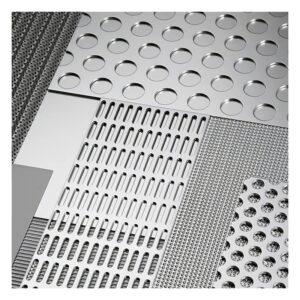
Surface finish selection directly determines maintenance requirements and long-term appearance retention. Mirror polish finishes showcase stainless steel’s aesthetic potential but show water spots, fingerprints, and minor scratches prominently. They require frequent cleaning with specialized compounds to maintain appearance. Directional satin finishes balance aesthetics with practicality, hiding minor abrasions while still presenting a refined appearance. Bead-blasted finishes offer maximum durability in high-traffic or vandal-prone locations, concealing scratches and graffiti damage effectively. The EN 10088-3:2014 standard defines surface finish classifications that fabricators reference when quoting projects. Specifications should explicitly state the finish designation to avoid ambiguity—terms like “satin” or “brushed” mean different things to different fabricators without standardized reference numbers.
| Finish Type | Maintenance Frequency | Cleaning Protocol | Vandal Resistance |
|---|---|---|---|
| Bead-Blasted | Quarterly cleaning | Specialized chemicals required | High concealment capability |
| Directional Satin | Semi-annual cleaning | Standard facility protocols | Moderate scratch hiding |
| Mirror Polish | Monthly cleaning | Water spotting visible | Low abrasion tolerance |
Source: EN 10088-3:2014. This European standard defines surface finish classifications and corrosion resistance properties that determine long-term durability and maintenance requirements for stainless steel products.
Cleaning Protocols and Chemical Compatibility
Stainless steel maintenance isn’t simply pressure washing and soap. Proper cleaning requires pH-neutral detergents specifically formulated for stainless steel, followed by thorough rinsing and drying to prevent water spotting. Chloride-containing cleaners—including many common disinfectants—attack the passive layer and initiate corrosion. Abrasive scrubbing pads scratch the surface, creating sites for corrosion initiation. The maintenance protocol must be documented and communicated to facility management teams during project closeout. I’ve audited facilities where custodial staff used bleach-based cleaners on stainless railings, causing pitting corrosion within months despite proper material selection. Specifications should require that fabricators provide owner-specific maintenance manuals that detail acceptable cleaning products by brand name and explicitly prohibit incompatible chemicals.
Lifecycle Performance Monitoring and Intervention Triggers
Proactive maintenance extends system life and prevents minor issues from becoming replacement-level failures. Annual inspections should evaluate mounting system integrity, checking for loose fasteners or substrate degradation. Surface inspections identify early-stage corrosion that responds to remedial cleaning before pitting becomes permanent. Handrail continuity verification ensures that connections remain secure and meet accessibility requirements. The inspection protocol should include photographic documentation that establishes a baseline for future comparison. Early intervention—tightening loose fasteners, treating surface contamination before it causes pitting—costs minimal amounts while preventing damage that requires expensive component replacement. Projects should include a planned maintenance budget line item that funds these proactive interventions rather than deferring maintenance until emergency repairs become necessary.
Cost Analysis: Material, Installation, and Lifecycle Expenses
Initial Capital Cost Components
Material costs vary significantly based on grade selection, finish specification, and system complexity. Type 316L carries a 15-25% material premium over Type 304. Bead-blasted finishes add 10-15% to fabrication costs compared to directional satin. Custom designs with non-standard profiles or complex geometry can double fabrication costs relative to modular systems. These variations create tension during value engineering when projects exceed budget. The critical analysis question is whether proposed savings compromise lifecycle performance. Downgrading from 316L to 304 in a coastal environment saves initial capital but creates exponential maintenance and replacement costs. Switching from modular to lower-cost custom fabrication may introduce quality control risks that lead to rejection and rework. Effective cost management requires protecting specifications that directly impact durability and compliance while identifying legitimate optimization opportunities in areas that don’t affect performance.
| Cost Category | Type 304 System | Type 316L System | Lifecycle Consideration |
|---|---|---|---|
| Material Cost | Baseline | 15-25% premium | Grade selection critical |
| Installation Labor | Custom: Higher | Modular: 20-30% savings | System complexity driver |
| 30-Year Maintenance | Inland: Moderate | Coastal: Significantly lower | Total ownership optimization |
| Premature Replacement Risk | Harsh environments: High | All conditions: Minimal | Under-specification penalty cost |
Source: ASTM A276/A276M-23. Material grade specifications from this standard directly impact initial procurement costs and long-term corrosion performance, influencing total cost of ownership calculations.
Installation Cost Variables and Optimization Strategies
Installation costs are driven by system complexity, site accessibility, and fabrication approach. Modular systems reduce field labor by 20-30% compared to custom fabrication, often offsetting their higher material costs through labor savings. Difficult site access—rooftop installations requiring crane lifts or occupied building retrofits requiring after-hours work—can double baseline installation costs. Multiple small installations across a campus create mobilization inefficiencies that increase per-linear-foot costs compared to a single concentrated installation. Optimization strategies include consolidating railing packages into single contracts to achieve volume pricing, scheduling installations to avoid premium labor rates, and selecting modular systems for repetitive conditions while reserving custom fabrication for truly unique applications.
Total Cost of Ownership Analysis Framework
Financially sound specifications require analyzing costs across the asset’s full service life, not just initial procurement. A proper analysis includes material and installation costs, projected maintenance expenses over 30 years, and the probability-weighted cost of premature replacement due to corrosion failure. Type 316L systems in harsh environments typically achieve 30+ year service lives with minimal maintenance—perhaps $50-75 per linear foot in present-value terms. Type 304 systems in the same conditions often require full replacement at 12-15 years, doubling the lifecycle cost despite lower initial pricing. This analysis provides the business case for appropriate material selection and justifies initial investments that reduce long-term financial exposure. I recommend that owners require lifecycle cost analysis for all railing specifications, making the financial impact of material decisions transparent and defensible.
Selecting the Right Railing System for Your Project Requirements
Environmental Exposure Analysis as Decision Foundation
System selection begins with rigorous environmental assessment. Document three key factors: distance from saltwater sources, de-icing chemical protocols, and industrial pollutant exposure. Coastal projects within five miles of the ocean require Type 316L minimum, regardless of budget pressure to downgrade. Snow-belt regions with routine chloride-based de-icing face similar corrosion risks. Urban environments with high vehicle traffic or industrial facilities with process emissions create corrosive microenvironments. The exposure analysis should be documented in a project-specific report that justifies material selection and protects against uninformed value engineering. This documentation becomes part of the permanent project record and demonstrates due diligence if corrosion issues emerge years later.
| Decision Factor | Evaluation Criteria | Strategic Action | Timeline Consideration |
|---|---|---|---|
| Environmental Exposure | Coastal/de-icing/pollution data | Specify 316L minimum | Lifecycle cost analysis |
| Project Scale | Repetitive/large-scale installations | Prioritize modular systems | Schedule risk reduction |
| Code Compliance | IBC/ADA mandate synthesis | Early fabricator engagement | Avoid post-tender redesigns |
| ESG Requirements | Environmental Product Declarations | Supplier EPD verification | Future regulatory alignment |
Source: EN 10088-3:2014. This standard provides the technical framework for material selection based on corrosion resistance class and environmental conditions, supporting informed specification decisions for project-specific requirements.
Fabricator Prequalification and Capability Assessment
Not all fabricators can meet 2025 standards. Prequalification should evaluate fabrication equipment capability, quality control processes, and documented performance on similar projects. Request sample installations that demonstrate the ability to meet dimensional tolerances and finish quality standards. Verify that the fabricator has in-house engineering resources to provide sealed structural calculations and code compliance documentation. Check that they maintain appropriate insurance coverage and can provide performance bonds. I’ve encountered projects where low-bid fabricators lacked the equipment or expertise to meet specifications, leading to rejected installations and project delays while sourcing replacement suppliers. The prequalification investment protects against these failures by ensuring that only qualified fabricators receive bid invitations.
Strategic Specification for Long-Term Asset Performance
The optimal system balances competing priorities: safety and code compliance as non-negotiable requirements, lifecycle cost as the financial framework, and architectural expression as the differentiation opportunity. Prioritize material grade selection based on environmental analysis. Choose modular systems for repetitive conditions to control costs and schedules. Reserve custom fabrication budget for signature architectural moments where design expression justifies the added investment. Include Environmental Product Declarations in specifications to meet emerging ESG requirements. Specify BIM object delivery to support facility management integration. The specification is a strategic document that protects owner interests across decades, not just a procurement checklist. Treating it with appropriate rigor determines whether the railing system becomes a long-term asset or a recurring maintenance problem.
The decisions you make during railing system specification determine safety compliance, lifecycle cost, and long-term performance for three decades or more. Prioritize environmental exposure analysis to justify material grade selection. Engage qualified fabricators early to validate design feasibility. Document code compliance explicitly to protect against inspection delays. These actions reduce project risk and optimize total cost of ownership.
Need professional assistance specifying stainless steel railing systems that meet 2025 standards while controlling lifecycle costs? Esang provides engineered outdoor railing solutions backed by technical expertise and proven commercial installation experience. Contact us to discuss your project requirements and receive specification support tailored to your environmental conditions and performance goals.
Frequently Asked Questions
Q: How do the 2025 IBC and ADA standards change the structural requirements for outdoor stair railings?
A: The updated codes mandate higher load capacities, typically requiring systems to withstand a uniform load of 50 pounds per linear foot and a concentrated load of 200 pounds. They also enforce stricter criteria for slip-resistant handrails and precise dimensional clearances. This means your project’s structural calculations and fabrication tolerances must be more rigorous, necessitating earlier engagement with specialized fabricators and accessibility consultants to avoid costly redesigns.
Q: When should we specify Type 316L stainless steel over the more common Type 304 for an outdoor railing?
A: You should specify Type 316L stainless steel as the minimum grade for environments with high chloride exposure, such as coastal zones, areas using de-icing salts, or sites with significant industrial pollution. Its higher molybdenum content provides superior resistance to pitting and crevice corrosion compared to Type 304. This decision, based on environmental exposure reports, protects your long-term investment by minimizing maintenance and failure risk over the asset’s lifespan, as outlined in material standards like ASTM A276/A276M-23.
Q: What are the key advantages of using modular, prefabricated railing systems on large commercial projects?
A: Modular systems significantly reduce on-site labor, minimize installation errors, and accelerate project timelines compared to traditional custom fabrication. They de-risk the installation process by ensuring components meet precise fabrication tolerances off-site. For projects with repetitive designs or tight schedules, this approach offers better cost predictability and scheduling control, though it requires engaging certified vendors early in the design phase.
Q: How does handrail finish selection impact long-term facility maintenance and operations?
A: The chosen surface finish directly influences custodial protocols and vandalism resistance. For example, a bead-blasted or directional satin finish can better conceal graffiti and minor abrasions in high-traffic areas, while some polished finishes may show water spotting. This means facility managers must be included in the specification process to align aesthetic goals with realistic, budgeted cleaning workflows and chemical requirements.
Q: What is the most critical factor in conducting a total cost of ownership analysis for a stainless steel railing system?
A: The most critical factor is accurately assessing long-term lifecycle expenses against the initial capital investment. While material grade (e.g., 316L vs. 304) affects upfront cost, selecting an under-specified material for a harsh environment leads to exorbitant repair and premature replacement costs. For projects in corrosive environments, the higher initial investment in a durable grade and robust fabrication is justified by dramatically lower maintenance expenses over 30+ years.
Q: How should project teams approach railing specification to balance design, code compliance, and procurement?
A: Teams must adopt a holistic, cross-disciplinary evaluation starting with non-negotiable parameters like environmental exposure and project timeline. Engage fabricators early to assess capabilities against tightened ASTM A276/A276M-23 tolerances and prioritize modularity for large-scale projects to de-risk installation. For distinctive architectural features, secure custom design allowances during capital planning to ensure the final system balances safety, aesthetics, and lifecycle value.