Specifying a railing system for commercial or residential projects involves reconciling three competing priorities: code compliance, view preservation, and long-term durability. Traditional solid infill railings meet safety requirements but obstruct sightlines—a critical failure in high-value spaces where unobstructed views directly impact property valuation and user experience. Stainless steel cable railing systems resolve this tension by using high-tension horizontal or vertical cables as infill, achieving fall protection while maintaining visual transparency. The challenge is navigating material grades, hardware compatibility, tensioning protocols, and evolving code requirements without sacrificing performance or introducing liability risk.
This guide addresses the technical decisions that determine system longevity and compliance. You’ll get clarity on 316 versus 304 stainless steel selection, cable construction specifications, post material trade-offs, and the precise IBC/IRC spacing requirements that govern 2025 installations. I’ll also cover the tensioning methods that prevent common field failures, cost structures across project tiers, and maintenance protocols that extend service life beyond 20 years.
What Is Stainless Steel Cable Railing & Why It’s Preferred
Tension-Based Barrier Architecture
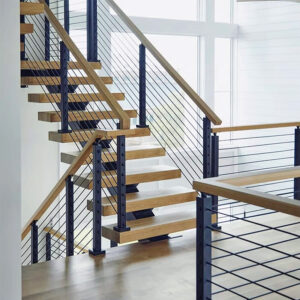
Stainless steel cable railing is a structural system using horizontal or vertical stainless steel cables as infill between posts and a top rail. Each cable operates under high tension—typically 150 to 250 pounds per line—creating a rigid barrier that meets fall protection standards. Cable diameters range from 1/8″ to 3/16″, delivering structural integrity with minimal visual obstruction. The system’s appeal is not just meeting code; it’s preserving the reason people value the space in the first place.
| Component | Specification | Visual Impact |
|---|---|---|
| Cable Diameter | 1/8″ to 3/16″ | Barely-there presence |
| Infill Orientation | Horizontal or vertical | Unobstructed views |
| Tensioning Level | 150-250 lbs/cable | Minimal sag |
| Primary Application | Decks, balconies, stairs | Open, airy spaces |
Source: Technical documentation and industry specifications.
View Preservation as a Functional Requirement
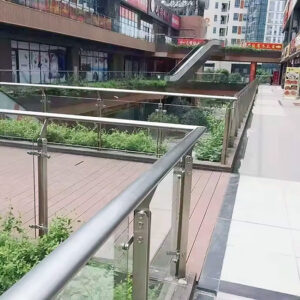
The universal value proposition is unobstructed views. This positions cable railing as an aesthetic enhancement, not just a safety code solution. Residential projects prioritize sightlines to landscapes or water features. Commercial applications—restaurants, hotels, office terraces—depend on visual transparency to maximize perceived space and user experience. The minimalist profile directly impacts property appeal and marketability. In my experience with high-end deck projects, clients consistently rank view preservation equal to structural safety when evaluating railing options.
Emotional and Market Positioning
Cable railing creates an emotional connection to open, airy spaces. The barely-there presence enhances the experience of outdoor living areas, rooftop terraces, and balconies. This emotional dimension drives preference in high-value projects where experience matters as much as function. The system’s design philosophy—maximum safety with minimum visual intrusion—aligns technical performance with market demand, making it the default choice for architects and builders targeting premium residential and commercial segments.
Material Standards: 316 vs 304 Stainless Steel Compared
Chemical Composition and Corrosion Resistance
The choice between 316 and 304 stainless steel governs system longevity and application suitability. Type 316 marine-grade contains 2-3% molybdenum, providing superior resistance to pitting and crevice corrosion from chlorides. Coastal environments, pool decks, and areas exposed to de-icing salts require 316 to prevent accelerated degradation. Type 304 lacks molybdenum, making it vulnerable to chloride attack but perfectly adequate for dry, inland applications where corrosive exposure is minimal.
| Grade | Key Additive | Best Application | Corrosion Resistance |
|---|---|---|---|
| 316 Marine-Grade | Contains molybdenum | Coastal/de-icing environments | Superior pitting resistance |
| 304 Standard | No molybdenum | Dry, inland locations | Good general resistance |
| 316 Industry Default | 2-3% molybdenum | Commercial/high-end residential | Chloride attack immunity |
Source: ASTM A276/A276M-24. This standard defines the chemical composition requirements, including molybdenum content, that distinguish 316 from 304 stainless steel grades used in railing components.
Application-Based Material Selection
The industry’s near-universal specification of 316 stainless steel as a de facto standard mitigates performance risk but creates dependency on its supply chain. For residential projects in dry climates, 304 offers cost savings without compromising durability. Commercial projects, coastal installations, and high-end residential builds require 316 for both cable and fittings. This segmentation creates clear customer pathways: 304 suits budget-conscious interior or low-exposure applications; 316 is non-negotiable for exterior, marine, or liability-sensitive projects.
Galvanic Corrosion and Hardware Matching
Hardware must match cable grade to prevent galvanic corrosion. Mixing 316 cable with 304 fittings—or vice versa—creates electrochemical reactions that accelerate degradation at connection points. Specify matching grades for all components: cables, end fittings, intermediate supports, and fasteners. I’ve seen installations fail within five years due to mismatched hardware in coastal settings, creating costly replacements and potential liability exposure.
Cable Construction, Diameters & Hardware Components Explained
1×19 Strand Construction Standard
Cable performance hinges on construction and termination. The standard is 1×19 construction—one central strand surrounded by 18 others—balancing flexibility with anti-sag rigidity. This configuration resists stretching under tension and minimizes deflection between posts. Alternative constructions like 7×7 offer more flexibility but sag more easily, making them unsuitable for railing applications where tight, permanent tensioning is critical.
| Construction Type | Diameter | Typical Use | Termination Method |
|---|---|---|---|
| 1×19 Strand | 1/8″ | Residential projects | Swaged or swageless |
| 1×19 Strand | 5/32″ | Commercial applications | Crimped fittings |
| 1×19 Strand | 3/16″ | High-traffic commercial | Adjustable set-screw |
Source: Technical documentation and industry specifications.
Diameter Selection by Application
Common diameters include 1/8″ for residential decks, 5/32″ for light commercial, and 3/16″ for high-traffic commercial installations. Larger diameters provide greater tensile strength and resist user-induced deflection, critical for public spaces. Residential projects prioritize minimal visual presence, making 1/8″ cable the default unless post spacing exceeds standard intervals or local code requires larger diameters.
Termination Methods and Installation Kits
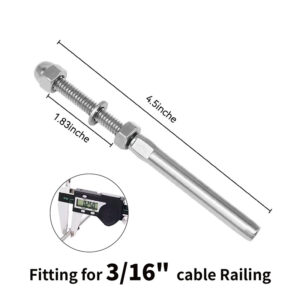
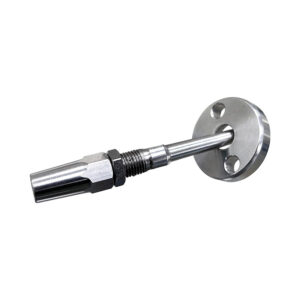
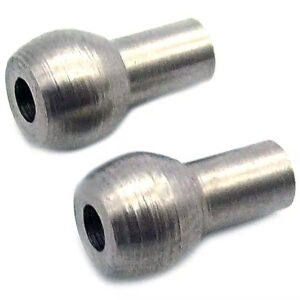
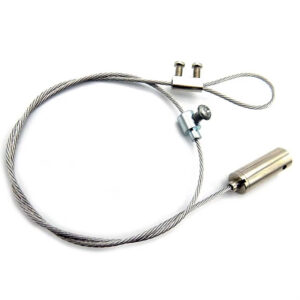
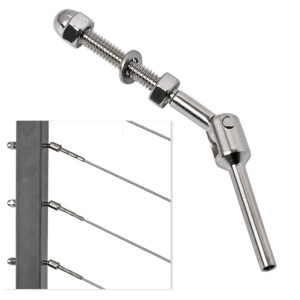
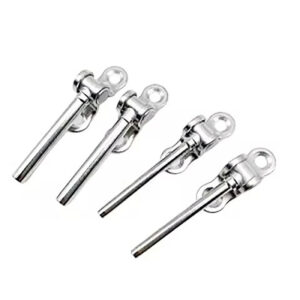
Termination methods are either permanent swaged (crimped) fittings or adjustable swageless fittings using set-screws. Swaged fittings offer maximum strength and a clean appearance but require specialized crimping tools. Swageless fittings allow field adjustment and re-tensioning without tools, making them ideal for DIY installations and maintenance. The proliferation of specialized cable railing installation kits highlights how manufacturers reduce installation friction. These kits include pre-cut cables, matched fittings, tensioning tools, and instructions, de-risking the process for both prosumers and professionals. This operational focus shifts competition from selling components to providing integrated solutions, minimizing on-site errors.
Post Materials: Stainless Steel vs Aluminum vs Wood Integration
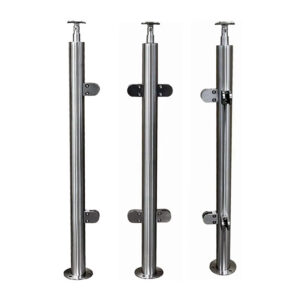
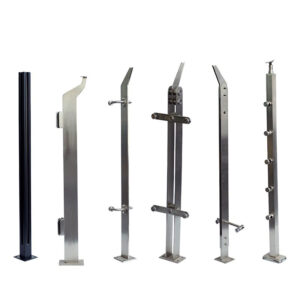
Stainless Steel Posts for Maximum Durability
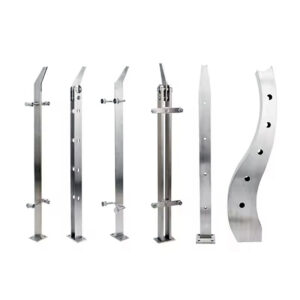
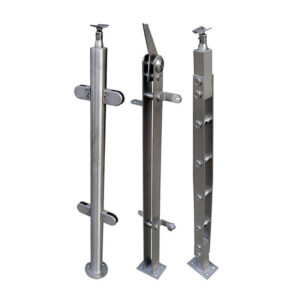
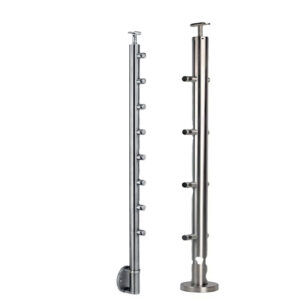
Dedicated stainless steel posts offer unmatched corrosion resistance and structural integrity. They’re the premium choice for coastal, commercial, or architecturally significant projects where long-term performance and minimal maintenance justify higher initial costs. Stainless posts integrate seamlessly with cable and hardware, eliminating galvanic concerns. Finishes include brushed, polished, or powder-coated, though coating options are more limited than aluminum.
Powder-Coated Aluminum for Customization
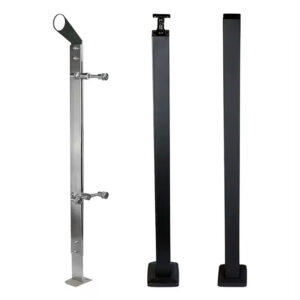
Powder-coated aluminum posts provide excellent corrosion resistance at mid-range pricing. Aluminum is lightweight, simplifying installation and reducing structural load on decks or balconies. Customization is the key advantage—powder coating allows virtually unlimited color matching to architectural schemes. Aluminum’s lower tensile strength requires careful post spacing and hardware selection, but modern engineered systems account for these factors in their specifications.
| Material | Cost Tier | Corrosion Performance | Customization Options |
|---|---|---|---|
| Stainless Steel | Premium | Fully corrosion-resistant | Limited finishes |
| Powder-Coated Aluminum | Mid-range | Excellent with coating | Highly customizable colors |
| Wood 4×4 Retrofit | Entry-level | Requires maintenance | Natural aesthetic |
Source: Technical documentation and industry specifications.
Wood Post Retrofits for Existing Structures
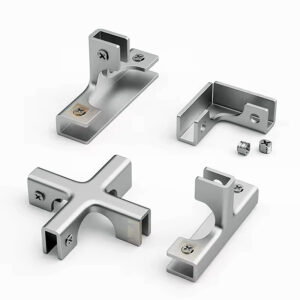
Systems engineered for wood 4×4 post integration allow cable railing infill in existing or new wood-framed railings. This approach suits traditional architectural styles or budget-constrained projects. Specialty hardware mounts to wood posts, routing cables through or around the timber. Wood requires ongoing maintenance—sealing, staining, rot inspection—that stainless and aluminum don’t. The strategic trade-off is initial cost versus long-term upkeep, requiring specifiers to align material choice with project budget, environmental exposure, and desired lifespan.
2025 Code Compliance: IBC & IRC Spacing Requirements
The 4-Inch Sphere Passage Rule
IBC 2024 Section 1013 Guards and IRC 2024 establish the paramount safety requirement: preventing a 4-inch sphere from passing through any opening in the guard. For cable railing, this mandates a maximum center-to-center spacing of 3 inches when cables are under proper tension. This applies to horizontal and vertical cable runs. Exceeding 3-inch spacing creates a code violation and liability risk.
| Code Standard | Sphere Test | Maximum Cable Spacing | Application Type |
|---|---|---|---|
| IBC 2024 | 4-inch sphere | 3 inches center-to-center | Commercial buildings |
| IRC 2024 | 4-inch sphere | 3 inches center-to-center | Residential structures |
| Both Codes | Under tension | 3 inches maximum | Horizontal/vertical runs |
Source: IBC 2024 Section 1013 Guards. This section establishes the 4-inch sphere passage rule and infill spacing requirements that directly govern cable-to-cable spacing in railing systems.
Engineered Stamped Systems and Enforcement Trends
The growing emphasis on engineered stamped and legal systems signals anticipation of stricter enforcement, particularly for tension-based railings. Jurisdictions increasingly require PE-stamped drawings for commercial projects and complex residential installations. Liability is shifting from component quality to certified installation methodologies. Systems lacking engineering documentation face permit rejection and inspection failures.
Manufacturer Documentation as Competitive Advantage
Manufacturers who provide comprehensive, inspector-friendly documentation create a competitive moat. Complete submittal packages—load calculations, material certifications, installation instructions, tensioning specifications—streamline permitting and inspections. This marginalizes uncertified approaches and positions compliant systems as lower-risk choices for contractors and specifiers. In my work with commercial projects, inspector-approved documentation eliminates the back-and-forth that delays occupancy and increases costs.
Installation Process: Tensioning Methods & Common Mistakes
Structural Framework and Post Anchoring
Proper installation ensures safety and performance. The process begins with securing the structural framework—posts anchored to the deck or floor structure per engineering specifications. Post spacing typically ranges from 3 to 4 feet, depending on cable diameter and system design. Inadequate post anchoring is the most critical failure point, leading to system deflection or collapse under lateral load.
Cable Routing and Tensioning Protocol
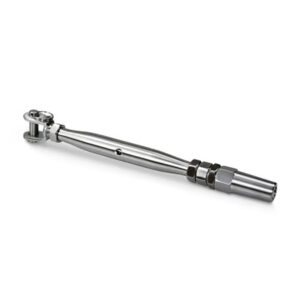
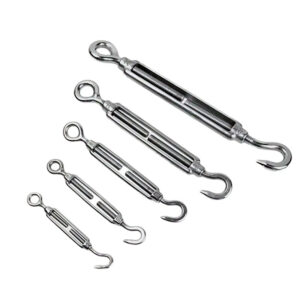
After framework installation, route cable through line posts and secure one end with a fixed fitting. The opposite end receives an adjustable fitting—typically a turnbuckle or threaded stud—that applies tension. Target tension is 150 to 250 pounds per cable, verified with a tension gauge. The “pluck test”—pulling a cable and listening for a taut vibration—is less accurate but acceptable for residential work. Under-tensioning causes sag, while over-tightening stresses fittings and posts.
| Step | Tool/Method | Target Specification | Common Error |
|---|---|---|---|
| Framework Securing | Structural anchoring | Post spacing per code | Inadequate post anchoring |
| Cable Routing | Through-line posts | Straight horizontal runs | Misaligned cable paths |
| Tensioning Application | Gauge or pluck | 150-250 lbs/cable | Under-tensioning causing sag |
| Final Verification | Tension gauge preferred | Uniform cable tightness | Over-tightening stressing fittings |
Source: Technical documentation and industry specifications.
Vertical Integration and System Reliability
The industry’s move toward vertical integration from cable to complete engineered systems addresses common installation pitfalls. By offering complete kits with pre-engineered components and instructions, suppliers capture more project value and shift competition to system reliability and ease of installation. This reduces critical on-site errors—mismatched hardware, improper spacing, inadequate tensioning—that compromise safety and performance. Contractors benefit from reduced liability; owners gain assurance of compliant installations.
Cost Breakdown: Materials, Hardware & Labor by Project Type
Material and System Tiering
Costs are driven by material choice, system complexity, and installation method. A basic aluminum system with powder-coated posts and 1/8″ cable represents the entry-level tier, suitable for residential decks in dry climates. Mid-range systems use 304 stainless steel or premium aluminum with 5/32″ cable for light commercial or high-end residential. All-316 stainless steel systems with custom finishes sit at the premium end, specified for coastal, marine, or architecturally significant projects.
| Project Tier | Post Material | Hardware Complexity | Labor Approach |
|---|---|---|---|
| Entry-Level Residential | Powder-coated aluminum | Basic fittings | DIY with kit |
| Mid-Range Commercial | Aluminum or 304SS | Standard tensioners | Professional crew required |
| Premium Residential/Commercial | All-316 stainless steel | Custom finishes/fittings | Specialized installer |
Source: Technical documentation and industry specifications.
Hardware and Fitting Cost Contribution
Hardware—end fittings, intermediate supports, tensioning devices, fasteners—constitutes a significant portion of material cost, often 30-40% of the total system price. Swageless fittings cost more than swaged but eliminate tooling requirements. Custom finishes or architecturally specified hardware increase costs further. Specifiers must balance aesthetic preferences with budget realities, especially on large linear footage projects where hardware quantities multiply rapidly.
Labor and Channel Conflict
Labor varies dramatically. A skilled DIY installation using a prosumer kit can save 40-60% compared to professional installation. Complex commercial jobs require professional crews familiar with code requirements, structural anchoring, and tensioning protocols. This landscape creates a direct-to-consumer and professional channel conflict. Manufacturers must balance these channels with differentiated SKUs—DIY kits versus contractor-grade systems—or tiered pricing to protect contractor relationships while capturing the growing prosumer market, maximizing coverage across segments.
Maintenance Schedule & Long-Term Performance Expectations
Annual Inspection Protocol
Stainless steel cable railing is low-maintenance but requires periodic attention for optimal performance and safety. An annual check should inspect fitting tightness and cable tension, with re-tensioning as needed to address minor creep. Cable systems naturally stretch slightly over the first year; a single re-tensioning session typically stabilizes the system for years. Check for corrosion at fittings and connections, particularly in coastal or high-moisture environments.
| Task | Frequency | Action Required | Performance Factor |
|---|---|---|---|
| Fitting Tightness | Annual | Inspect and re-tighten | Prevents cable loosening |
| Cable Tension Check | Annual | Re-tension if needed | Addresses minor creep |
| Surface Cleaning | As needed | Mild soap/water | Maintains appearance |
| Grade Verification | Installation | Specify 316 stainless | 20-25 years lifespan |
Source: Technical documentation and industry specifications.
Cleaning and Surface Maintenance
Cleaning involves mild soap and water, with specialized stainless steel cleaners for stubborn deposits or surface staining. Avoid abrasive cleaners or steel wool, which scratch protective oxide layers and accelerate corrosion. Coastal installations benefit from periodic freshwater rinsing to remove salt accumulation. In my experience, quarterly cleaning maintains aesthetic appearance and prevents buildup that obscures minor fitting issues.
Long-Term Durability and Adjacent Market Expansion
Long-term performance hinges on the initial choice of 316-grade materials and proper installation. Systems meeting these criteria reliably deliver 20-25 years of service with minimal maintenance. The strategic expansion into trellis and green wall systems leverages this same durability and tensioning expertise for adjacent markets in commercial biophilic design. This represents a logical, low-risk diversification, utilizing core competencies to tap into sustainability trends and create new revenue streams beyond traditional railings.
The critical decision points are material grade selection aligned with environmental exposure, post material balancing cost against durability, and documented code compliance that survives inspection scrutiny. Prioritize 316 stainless steel for any exterior or coastal application, invest in inspector-friendly engineered documentation for commercial work, and budget for annual tension checks to maintain long-term performance.
Need professional cable railing solutions backed by engineered specifications and code-compliant documentation? Esang provides complete systems designed for both residential and commercial applications, with the technical support to ensure your project meets 2025 standards. Contact us to discuss your specific requirements and get expert guidance on material selection, code compliance, and installation protocols.
Frequently Asked Questions
Q: What is the key technical difference between 304 and 316 stainless steel for cable railing, and how does it affect project specification?
A: The critical distinction is the addition of molybdenum in 316 stainless steel, which provides far greater resistance to pitting and corrosion from chlorides. This makes 316, or marine-grade, the mandatory choice for coastal properties or areas using de-icing salts. For projects where long-term durability and liability are primary concerns, such as commercial builds or high-end residences, specifying 316-grade materials for both cable and fittings is non-negotiable.
Q: How do current building codes govern the spacing of stainless steel cable railing infill?
A: The primary safety rule, as defined in the IBC 2024 Section 1013 Guards, prevents a 4-inch sphere from passing through the railing system. This mandates a maximum center-to-center cable spacing of 3 inches when the cables are under proper tension. This means your installation plan must account for this spacing in both horizontal and vertical layouts to pass inspection and ensure safety.
Q: What are the most common installation errors that compromise a cable railing system’s safety and performance?
A: The primary mistakes are under-tensioning cables, which leads to sag and code violations, and over-tightening, which places excessive stress on fittings and posts. Incorrect anchoring of the structural posts is another critical failure point. For a reliable outcome, you should use a tension gauge for accuracy and follow engineered system instructions, as relying on guesswork or improper tools significantly increases the risk of a non-compliant and unsafe installation.
Q: Why is cable construction specified as 1×19, and what diameters are standard for different project types?
A: The 1×19 construction—a single central strand wrapped by 18 others—provides the optimal balance of flexibility for installation and rigidity to resist sag under tension. Standard diameters are 1/8-inch for residential decks, 5/32-inch for commercial applications, and 3/16-inch for high-traffic or demanding commercial settings. This means selecting the correct diameter is a direct function of your project’s scale and expected use, impacting both safety performance and material cost.
Q: How does the choice of post material create distinct tiers in the cable railing market?
A: Post systems segment the market through material cost and performance: powder-coated aluminum offers a lightweight, cost-effective, and color-customizable entry point, while solid stainless steel posts command a premium for full corrosion resistance and durability. This creates a clear trade-off between initial project budget and long-term maintenance, requiring you to align the post material with the environmental exposure and desired lifespan of the structure.
Q: What ongoing maintenance is required to ensure the long-term performance and safety of a stainless steel cable railing?
A: A low-maintenance system still requires an annual inspection of fitting tightness and cable tension, with re-tensioning performed to address minor cable creep. Cleaning involves only mild soap and water for most situations. This scheduled check is essential because long-term performance and safety are contingent not just on initial material quality (like 316-grade stainless) but on maintaining the designed tension over the system’s lifetime.
Q: What standards apply to the solid stainless steel components used in railing posts and top rails?
A: The material specifications for stainless steel bars and shapes used in structural components like posts are governed by ASTM A276/A276M-24. This standard establishes the required chemical composition and mechanical properties for grades like 304 and 316. This means specifying compliance with this ASTM standard ensures you receive consistent, high-quality base materials that meet industry benchmarks for your project’s structural framework.