Selecting the right handrail material is a critical specification decision that balances structural integrity, lifecycle cost, and aesthetic intent. Professionals often face a market where the term “wrought iron” carries historical prestige but may not reflect modern material reality, leading to misaligned expectations for durability and maintenance. The choice between stainless steel and wrought iron fundamentally dictates the project’s long-term performance and operational burden.
This analysis is essential because material failure in handrails is not merely cosmetic; it is a safety and financial liability. With building codes emphasizing longevity and owners demanding value, understanding the core trade-offs between inherent alloy properties and applied protective systems is non-negotiable. A data-driven selection protects your project from premature degradation and unbudgeted maintenance cycles.
Stainless Steel vs Wrought Iron: Core Material Differences
Composition Defines Performance
The performance gap originates at the atomic level. Genuine wrought iron is nearly pure iron with minimal carbon, prized historically for its malleability in forging intricate designs. In contemporary practice, most “wrought iron” is actually low-carbon steel, a semantic distinction with significant implications for client education and material sourcing. The brand premium paid often reflects craftsmanship, not superior metallurgy.
The Engineered Advantage of Stainless Steel
Conversely, stainless steel is a purpose-engineered alloy. Its defining characteristic is a minimum 10.5% chromium content, which forms a passive, self-repairing chromium oxide layer on the surface. This intrinsic property provides corrosion resistance without relying on external coatings. This fundamental difference creates two divergent maintenance and durability pathways from day one.
Navigating Modern Material Semantics
Professionals must clarify material specifications upfront. We frequently consult on projects where clients request “wrought iron” for its traditional look but are unprepared for the rigorous upkeep it demands in harsh environments. Educating stakeholders on the modern reality—that they are often selecting between coated steel and stainless alloy—sets accurate expectations for lifecycle cost and care.
Strength and Load Capacity: A Direct Comparison
Mechanical Properties in Practice
Strength is not a single metric but a balance of tensile strength, yield strength, and ductility. Wrought iron offers good toughness and ductility, allowing it to absorb impact by deforming rather than fracturing. However, its lower tensile and yield strengths make it more susceptible to permanent bending or denting under sustained load, a direct result of its soft, low-carbon composition.
Structural Demands and Material Response
For high-traffic commercial applications, healthcare facilities, or public infrastructure, minimal flex and deformation resistance are paramount for safety and user confidence. Stainless steel, with its higher carbon and alloying elements, provides superior resistance to bending and vibration. Its structural reliability in demanding applications is unequivocal, making it the default choice where performance cannot be compromised.
Quantifying the Performance Gap
The following table provides a direct comparison of key mechanical properties, illustrating why application dictates choice.
| Property | Wrought Iron | Stainless Steel |
|---|---|---|
| Tensile Strength | Relatively low | Significantly higher |
| Yield Strength | Low | Superior |
| Ductility | Good, high toughness | Lower than wrought iron |
| Deformation Resistance | Susceptible to bending | Superior resistance |
| Primary Application | Intricate, decorative forms | High-traffic, structural use |
Source: Technical documentation and industry specifications.
Corrosion Resistance and Long-Term Durability
The Protection Paradigm: Applied vs. Inherent
This is the most critical differentiator for total cost of ownership. Wrought iron requires a robust, intact barrier coating—typically paint or powder coating—to isolate it from moisture and oxygen. This coating is a consumable layer; it degrades from UV exposure, physical damage, and environmental wear. Its failure initiates rust, which can pit and weaken the underlying metal.
The Self-Repairing Mechanism of Stainless
Stainless steel’s corrosion resistance is a bulk material property. The chromium oxide layer spontaneously reforms if scratched, a process that can be enhanced through specified treatments like those outlined in ASTM A967. For coastal or high-chloride environments, Grade 316 stainless steel, with added molybdenum, offers exceptional resistance, fundamentally changing the maintenance calculus.
Standards Underpin Longevity
Adherence to material and treatment standards is non-negotiable for guaranteed performance. For wrought iron, protection relies on coating standards like ASTM A123/A123M for galvanizing. For stainless, the ANSI/BHMA A156.18 standard provides a framework for material and finish specifications in architectural hardware. The table below contrasts their corrosion defense strategies.
| Characteristic | Wrought Iron | Stainless Steel (Grade 316) |
|---|---|---|
| Corrosion Mechanism | Requires external coating | Inherent chromium oxide layer |
| Protection Method | Paint or powder coating | Self-repairing passive layer |
| Chloride Resistance (e.g., coastal) | Poor, high maintenance | Exceptional with molybdenum |
| Long-term Maintenance | Cyclical sanding/repainting | Routine cleaning only |
| Key Standard for Protection | ASTM A123/A123M (Galvanizing) | ASTM A967 (Passivation) |
Source: ASTM A967 Standard Specification for Chemical Passivation Treatments for Stainless Steel Parts. This standard defines the passivation process that enhances stainless steel’s inherent corrosion resistance by removing contaminants, directly supporting its long-term, low-maintenance durability claim. ASTM A123/A123M Standard Specification for Zinc (Hot-Dip Galvanized) Coatings on Iron and Steel Products. This standard specifies the galvanized coatings required to protect wrought iron from rust, forming the basis for its maintenance-dependent corrosion protection strategy.
Cost Analysis: Initial Price vs. Lifetime Value
Decoding the Initial Invoice
The initial cost structure reveals different value propositions. Wrought iron cost is heavily weighted toward labor-intensive, artisanal fabrication. You are investing in craftsmanship. Stainless steel typically carries a higher raw material cost, but its fabrication can be more efficient due to standardized profiles and welding techniques, often simplifying installation.
Calculating Total Cost of Ownership
A holistic financial analysis must project decades of operation. The lifetime value of stainless steel becomes superior when factoring in the near-zero maintenance costs and exceptional longevity. For wrought iron, the cumulative cost of cyclical repainting, especially for complex scrollwork, can eclipse the initial savings within 10-15 years. This makes stainless steel the financially prudent choice for long-term asset management.
The Competitive Landscape
It’s also strategic to consider alternatives. Powder-coated aluminum has emerged as a compelling middle-ground, offering good corrosion resistance and design flexibility at a competitive price point, particularly for residential projects. The following table breaks down the cost drivers.
| Cost Factor | Wrought Iron | Stainless Steel |
|---|---|---|
| Initial Cost Driver | Labor-intensive craftsmanship | Higher material cost |
| Production & Installation | Artisanal fabrication | Efficient, simpler installation |
| Long-term Maintenance Cost | High, recurring cycles | Negligible |
| Total Cost of Ownership | Can eclipse initial price | Typically lower long-term |
| Competitive Alternative | Powder-coated aluminum | N/A |
Source: Technical documentation and industry specifications.
Aesthetic and Design Applications Compared
Defining Architectural Language
The aesthetic divide is pronounced and often the primary selection driver. Wrought iron (and its modern steel counterpart) is synonymous with classic, ornate, and handcrafted appeal. It supports complex scrollwork and organic forms ideal for historical renovations, traditional estates, or certain residential styles where artistry is paramount.
The Modern and Hygienic Profile
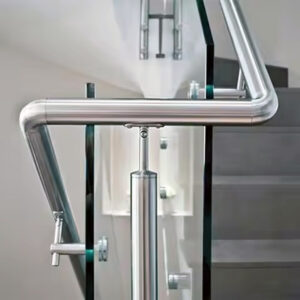
Stainless steel offers a sleek, precise, and industrial aesthetic. Its various finishes—from brushed to mirror-polished—suit contemporary architecture, commercial spaces, labs, and hospitals where cleanability and a modern visual language are required. Its inherent properties support minimalist designs that would be cost-prohibitive or weak in wrought iron.
Hybrid Strategy for Value Engineering
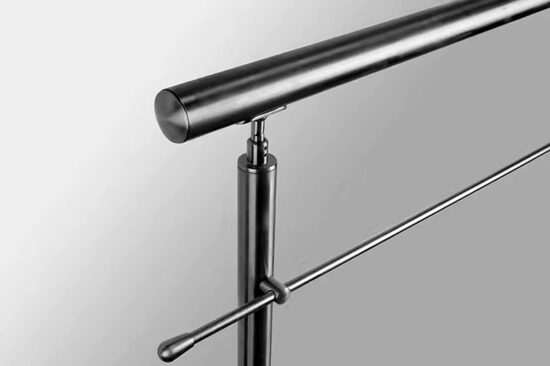
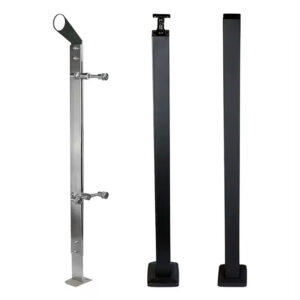
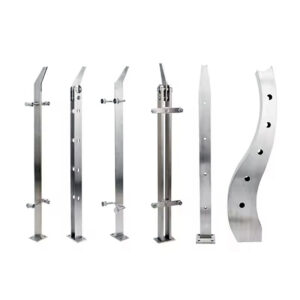
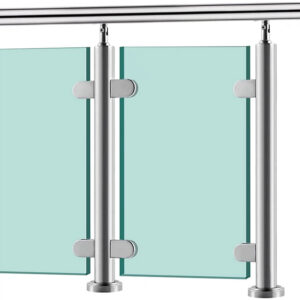
A forward-looking approach involves hybrid material applications. We specify stainless steel for structural posts, top rails, and high-wear connection points to guarantee strength and corrosion resistance, while using decorative wrought iron-style panels or balusters for infill. This maximizes the performance benefits of stainless where it matters most, while achieving the desired aesthetic at a managed cost.
Maintenance Requirements and Upkeep Over Time
A Schedule of Proactive Intervention
Maintenance for wrought iron is not optional; it is a prescribed, cyclical cost. It demands proactive inspection, sanding, and repainting to maintain the integrity of its protective coating. Failure in this regimen leads directly to rust, pitting, and potential structural compromise, especially at joints and ground contacts.
The Simplicity of Inherent Durability
Stainless steel’s maintenance is predominantly aesthetic. It requires only routine cleaning with soap and water to remove dirt and salts that could trap moisture. It never requires recoating for corrosion protection. This stark difference transforms operational planning, freeing facilities teams from scheduled refurbishment cycles.
The True Cost of Neglect
The long-term cost implication of maintenance is a multiplier often underestimated during specification. The table below quantifies the upkeep burden, making the operational trade-off clear.
| Requirement | Wrought Iron | Stainless Steel |
|---|---|---|
| Primary Task | Proactive coating maintenance | Aesthetic cleaning |
| Frequency | Periodic, scheduled | As needed for appearance |
| Process | Sanding and repainting | Soap and water wash |
| Consequence of Neglect | Rust, pitting, structural compromise | No corrosion risk |
| Long-term Cost Implication | Significant recurring multiplier | Minimal |
Source: Technical documentation and industry specifications.
Which Material Is Better for Your Environment?
Exposure Dictates Durability
Environmental analysis is the decisive filter. For interior, climate-controlled environments, both materials perform adequately, allowing the decision to hinge on aesthetics and budget. The moment the application moves outdoors, the analysis shifts dramatically toward inherent corrosion resistance.
High-Risk Environments Demand Superior Alloys
In coastal regions with salt air, near swimming pools with chlorinated water, or in areas using road de-icing salts, stainless steel (specifically Grade 316) is overwhelmingly superior. Wrought iron in these settings faces accelerated corrosion, requiring an impractical frequency of maintenance to prevent failure. Local fabricator expertise is critical here; they understand regional micro-climates and can detail installations to mitigate specific risks.
A Decision Matrix for Common Scenarios
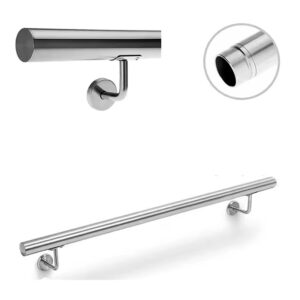
Use the following table as a guideline for matching material to environment. For expert guidance on specifications suited to your local conditions, reviewing detailed architectural handrail system specifications is a recommended next step.
| Environment | Recommended Material | Key Reason |
|---|---|---|
| Interior, Dry | Both suitable | Aesthetics/budget decide |
| Exterior, General | Stainless steel preferred | Lower maintenance burden |
| Coastal / Salt Air | Stainless Steel (Grade 316) | Exceptional chloride resistance |
| Near Pools / De-icing Salts | Stainless Steel (Grade 316) | Resists corrosive chemicals |
| Historical / Traditional Aesthetic | Wrought iron (modern steel) | Ornate, handcrafted appeal |
Source: Technical documentation and industry specifications.
Key Selection Criteria for Your Handrail Project
Establish the Primary Driver
Begin by defining the non-negotiable priority. Is it achieving a specific, ornate aesthetic for a historical property, or is it maximizing structural performance and minimizing lifetime maintenance for a commercial asset? This single question often points directly to the appropriate material family.
Conduct a Lifecycle Cost Analysis
Move beyond the initial quote. Model the total cost of ownership over a 25-year horizon, factoring in realistic maintenance cycles for wrought iron (including labor and downtime) versus the cleaning regimen for stainless steel. This financial projection often reveals the true value proposition.
Specify for Assembly and Future Flexibility
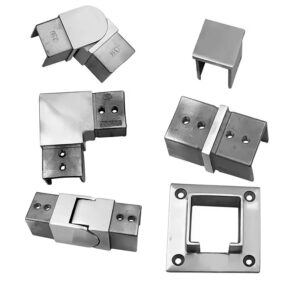
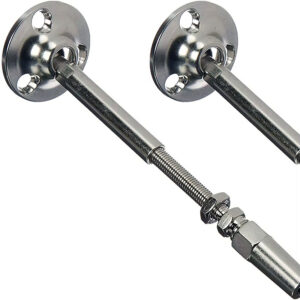
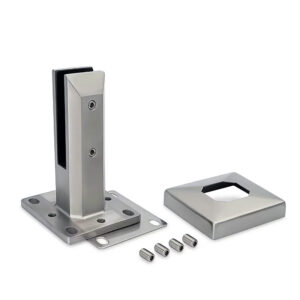
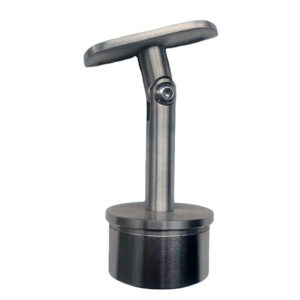
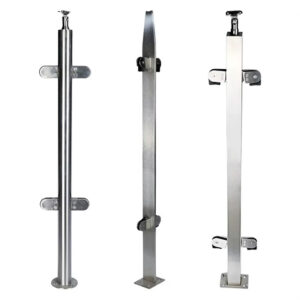
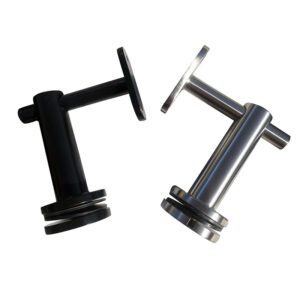
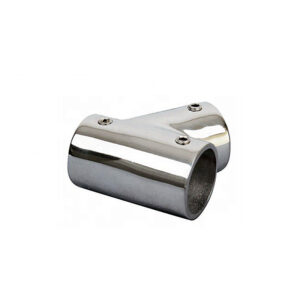
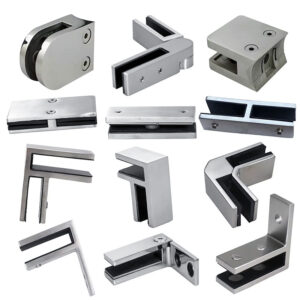
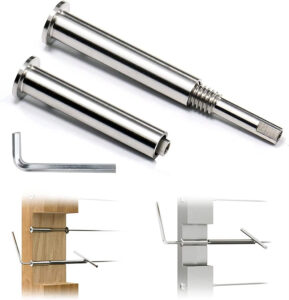
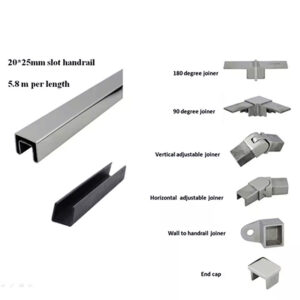
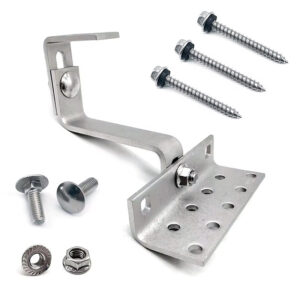
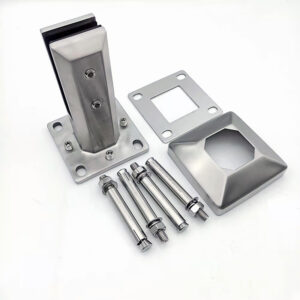
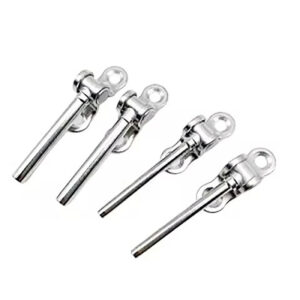
Consider installation and future modifications. Modern mechanical connector systems enable welding-free, modular assembly of stainless steel handrails, supporting faster installation, easier future reconfiguration, and even certain DIY projects. This methodology disrupts traditional on-site fabrication and offers flexibility that welded wrought iron systems cannot. Ensure fastener specifications meet standards like ISO 3506 for guaranteed mechanical performance in stainless steel assemblies.
Finalize your specification by engaging a knowledgeable local fabricator during the design phase. Their practical experience with material behavior, local environmental challenges, and installation nuances is an invaluable risk-mitigation strategy, ensuring your selected material delivers on its promise of safety, beauty, and long-term value.
Your material selection ultimately hinges on aligning intrinsic properties with project non-negotiables: environmental exposure, lifecycle budget, and design intent. Prioritize inherent corrosion resistance for exterior or harsh environments, and let a detailed total-cost analysis reveal the most financially sound choice over the asset’s lifespan. For intricate traditional aesthetics, accept and plan for the requisite maintenance schedule of coated steel.
Need professional guidance to specify the optimal handrail system for your specific structural and environmental demands? The technical team at Esang provides material consultation and engineering support to ensure your project’s success from specification through installation. For a direct discussion of your project parameters, you can also Contact Us.
Frequently Asked Questions
Q: How do you verify the authenticity of “wrought iron” specified for a project?
A: Most modern “wrought iron” is actually low-carbon steel, as genuine new wrought iron is rare. The term often carries a brand premium based on historical craftsmanship, not material composition. You must educate clients on this market semantic and confirm the actual material specifications with your fabricator. For projects where material authenticity is a contractual requirement, plan to source from specialized suppliers and budget for the associated artisanal fabrication costs.
Q: Which material offers better structural performance for high-traffic commercial handrails?
A: Stainless steel provides significantly higher tensile and yield strength, offering superior resistance to bending and deformation. Its alloyed composition ensures minimal flex under sustained load, a critical safety factor. Wrought iron is softer and more susceptible to permanent denting. This means facilities with high foot traffic or stringent safety codes should prioritize stainless steel for its structural reliability and lower risk of compliance issues.
Q: What are the key standards for ensuring corrosion resistance in stainless steel handrail components?
A: For stainless steel, the ASTM A967 standard for chemical passivation is critical to enhance its inherent corrosion resistance by removing contaminants. For mechanical connections, fastener reliability is governed by ISO 3506. This means specifying compliance with these standards during procurement is essential for long-term durability, especially in coastal or chemically aggressive environments where material failure is not an option.
Q: How should maintenance costs influence the choice between stainless steel and wrought iron?
A: Wrought iron demands a cyclical regimen of inspection, sanding, and repainting to maintain its protective coating, with costs accumulating over decades. Stainless steel requires only routine cleaning, with no need for recoating to prevent corrosion. For projects with long-term operational horizons, you should conduct a lifecycle cost analysis that includes these upkeep expenses, as stainless steel’s total cost of ownership is typically lower despite a higher initial price.
Q: When is a hybrid material strategy appropriate for handrail design?
A: A hybrid approach uses stainless steel for structural posts and high-wear areas while employing decorative wrought iron-style panels for infill. This combines stainless steel’s strength and low maintenance with the ornate aesthetic of wrought iron. If your project demands traditional visual appeal but must meet commercial durability standards, plan this value-engineered specification early to maximize the cost and performance benefits of each material within a single installation.
Q: What is the decisive environmental factor for selecting handrail material in exterior applications?
A: Exposure to chlorides is the primary concern. In coastal areas, near pools, or where de-icing salts are used, stainless steel (especially Grade 316) is overwhelmingly superior due to its self-repairing passive layer. Wrought iron in these settings requires a meticulous and frequent maintenance regime to combat accelerated corrosion. This means engaging local fabricators with regional expertise is a critical risk-mitigation step for ensuring material suitability and detailing.
Q: How do relevant standards for protective coatings apply to wrought iron handrails?
A: For wrought iron and carbon steel, corrosion protection relies on robust barrier coatings. The ASTM A123/A123M standard specifies requirements for hot-dip galvanized zinc coatings, a primary defense method. Furthermore, the ANSI/BHMA A156.18 standard provides a framework for acceptable materials and finish durability. This means specifying compliance with these standards is necessary to establish a baseline for the expected maintenance interval and longevity of coated wrought iron systems.