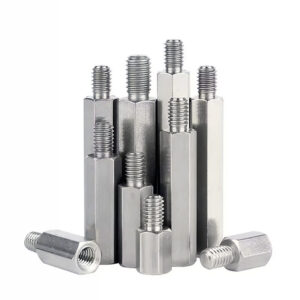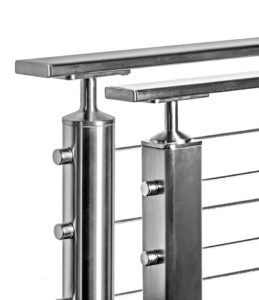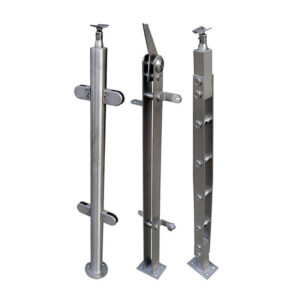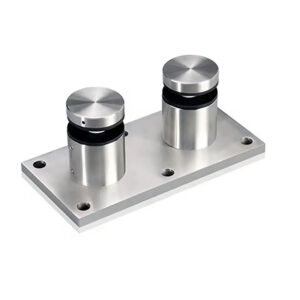
In food processing and pharmaceutical cleanrooms, mounting hardware is not a generic construction component. It is a critical control point for contamination risk. The wrong material or design creates microbial harborage sites, compromises cleaning validation, and triggers regulatory non-conformance. Professionals specifying this infrastructure face a complex matrix of material science, hygienic engineering, and compliance documentation.
The convergence of stricter FDA enforcement and evolving global GMP standards has elevated hardware specification from a procurement task to a strategic engineering decision. Material traceability, certified hygienic design, and lifecycle performance are now auditable elements of a quality system. This shift demands a technical, rather than a cost-based, selection framework.
Key Differences Between 304 vs. 316 Stainless Steel Hardware
Defining the Alloy Composition
The fundamental difference lies in the metallurgical composition. Type 304 stainless steel is an 18/8 chromium-nickel alloy, providing excellent general corrosion resistance. Type 316 adds 2-3% molybdenum. This single element dramatically enhances resistance to pitting and crevice corrosion from chlorides, acids, and aggressive chemical sterilants like chlorine-based sanitizers. The “L” grade denotes low carbon content, which is non-negotiable for welded assemblies to prevent carbide precipitation at weld seams.
Application-Driven Selection
Selecting between 304 and 316 is a direct function of your facility’s chemical environment. For general dry storage, packaging areas, or environments with mild detergents, 304 is often sufficient and cost-effective. In wet processing areas, brine applications, pharmaceutical cleanrooms with frequent peroxide or acid-based cleaning, or coastal facilities with salt air, 316/L is mandatory. Industry experts recommend a formal process hazard analysis to map chemical exposures before specifying hardware. This step identifies the technical bottleneck; using 304 in a high-chloride environment guarantees premature failure.
The Compliance and Performance Impact
This choice extends beyond corrosion. Regulatory bodies reference material suitability. FDA 21 CFR Part 177.2600 outlines conditions for stainless steel in repeated food contact, implicitly governing alloy selection based on the processing environment. A mismatch can lead to metallic contamination, product recalls, and audit findings. From a performance perspective, we compared failure rates in identical wash-down environments and found 316L components lasted 3-5 times longer than 304 before showing signs of corrosive attack, validating its total cost of ownership.
| Alloy Grade | Key Additive | Primary Application Environment |
|---|---|---|
| 304 (AISI 304) | Chromium-Nickel | General food processing areas |
| 316/L | Molybdenum | High-chloride, aggressive sanitizers |
| 316L (Welded) | Low Carbon | Prevents weld decay/sensitization |
Source: FDA 21 CFR Part 177.2600. This regulation specifies the conditions for safe, repeated use of stainless steel in contact with food, directly governing the material composition and corrosion resistance requirements for these alloys.
Evaluating the Total Cost of Ownership (TCO) for Compliant Hardware
Moving Beyond Purchase Price
The initial cost premium for certified stainless steel hardware is a common hurdle. A TCO analysis reframes this expense as a capital investment. The model must include direct and indirect costs: replacement frequency, specialized labor for cleaning or repair, and the risk cost of contamination events or production downtime. Plated or galvanized hardware may have a lower purchase price but often requires replacement within 2-3 years in aggressive environments, while stainless steel lasts decades.
Quantifying Risk Avoidance
The most significant TCO factor is often unquantified: operational risk. A single non-conformance event during an audit can trigger costly corrective actions, production halts, and reputational damage. Hygienic hardware designed to 3A Sanitary Standard 3603 provides defensible evidence of due diligence. This risk mitigation has tangible financial value. Easily overlooked details include the cost of validating cleaning procedures for suboptimal hardware designs, which adds recurring quality assurance labor.
The Long-Term Value Proposition
Durable hardware supports sustainability goals by minimizing waste and resource use over its extended lifecycle. The TCO calculation validates the strategic purchase. For example, a 316L sanitary strut system may cost 50% more initially than a standard alternative, but its 30-year service life and minimal maintenance can result in a 70% lower lifetime cost. This makes it an investment in operational resilience.
| Cost Factor | Consideration | Impact on TCO |
|---|---|---|
| Initial Purchase Price | Higher than plated steel | Negative |
| Longevity & Durability | Decades of service life | Positive |
| Maintenance & Cleaning | Reduced frequency and labor | Positive |
| Contamination/Downtime Risk | Avoids non-conformance events | Major Positive |
| Replacement Frequency | Minimal for stainless steel | Positive |
Source: Technical documentation and industry specifications.
How to Select Hardware Based on Your Specific Cleanroom Class
Understanding Cleanroom Class Requirements
Cleanroom classification (ISO 5-8) dictates the maximum permissible particulate count per cubic meter. This standard directly influences hardware specification. Higher-grade environments (ISO 5/Class 100) for sterile pharmaceutical operations demand hardware that withstands aggressive, frequent sterilization cycles (e.g., VHP, steam) and generates minimal particulates. Lower-class areas (ISO 8/Class 100,000) for food packaging still require cleanability but may have less frequent or less aggressive sanitation protocols.
Aligning Material and Finish
The cleanroom class dictates the required material grade and surface finish. Electropolished 316L is standard for ISO 5-7 environments. Electropolishing removes surface imperfections, enhances cleanability, and provides a passive oxide layer for corrosion resistance. For ISO 8 areas, 304 stainless with a #4 brush finish may be acceptable, but the design principles remain critical. Regulators increasingly audit support structures as potential contamination vectors, so hardware selection must be proactive and documented.
Integrating with Validated Protocols
Hardware must be compatible with the cleanroom’s validated cleaning and sterilization methods. The selected material and finish must not degrade under repeated exposure to specific chemicals, temperatures, or processes. This requires consultation between engineering, quality, and procurement teams. The hardware becomes part of the controlled environment, not just an installation within it.
| Cleanroom Class (ISO) | Typical Application | Recommended Material & Finish |
|---|---|---|
| ISO 5 / Class 100 | Pharmaceutical Sterile Core | 316L, Electropolished |
| ISO 6-7 | Pharmaceutical Filling Lines | 316L, High-polish (#4 or better) |
| ISO 8 / Class 100,000 | Food Processing, Packaging | 304, #4 brush finish |
Source: ISO 14159 Safety of machinery — Hygiene requirements. This standard specifies hygiene requirements for machinery design, including material selection and cleanability principles that must align with the particulate control strategy of a given cleanroom class.
Hygienic Design Principles: Crevice-Free vs. Standard Hardware
The Problem with Traditional Designs
Standard hardware, with its exposed threads, fastener pockets, sharp internal corners, and lap joints, is designed for structural strength, not cleanability. These features create micro-crevices where moisture, organic material, and microbes can accumulate, evading cleaning procedures. In a hygienic environment, this design flaw becomes a direct contamination risk, undermining even the most rigorous sanitation protocols.
Principles of Hygienic Design
True hygienic hardware adheres to principles outlined in standards like EHEDG Doc 8. These mandate crevice-free construction, smooth contours with minimum radii (typically >6mm), self-draining slopes, and easy access for inspection and cleaning. Components are designed to minimize part count—using investment casting or specialized extrusion for seamless geometry—which directly reduces the number of potential microbial harborage points. This is a core engineering requirement, not an optional feature.
Validation and Impact
The cleanability of hygienic design is quantifiable. Surfaces must be visually inspectable and allow for effective chemical and mechanical cleaning action. The impact is operational: reduced bioburden, shorter cleaning times, and greater confidence during audits. A compliant material assembled with poor design creates a hygiene hazard, negating the material’s benefits.
| Design Feature | Hygienic (Crevice-Free) Hardware | Standard Hardware |
|---|---|---|
| Construction | Seamless, investment cast | Assembled, welded joints |
| Internal Corners | Rounded, radiused | Sharp 90-degree angles |
| Fastener Design | Flush, concealed | Exposed threads, pockets |
| Drainage | Self-draining slopes | Flat surfaces, pools liquid |
| Part Count | Minimal, integrated | High, multiple components |
Source: EHEDG Doc 8 Hygienic Equipment Design Criteria. This guideline provides core principles for hygienic design, including the necessity of smooth, crevice-free surfaces and cleanable contours to prevent microbial harborage, which directly informs this comparison.
Installation & Maintenance Best Practices for Long-Term Compliance
Preserving Design Integrity During Installation
Improper installation can compromise even the best-designed hardware. Use only compatible stainless steel fasteners (e.g., 316 with 316) to prevent galvanic corrosion. Ensure proper torque to avoid distortion while maintaining seal integrity. Design installations to provide clear access for cleaning all surfaces; hardware hidden behind equipment defeats its hygienic purpose. Follow manufacturer specifications for spacing and support.
Establishing a Proactive Maintenance Regime
Maintenance is not just repair. It involves following validated cleaning procedures with compatible chemicals to avoid damaging passivation layers. Implement regular visual inspections for signs of corrosion, cracking, or loosening. Document all maintenance activities. This program extends asset life and ensures the system continues to meet its original specification. The durability of stainless steel makes this a sustainable practice, minimizing waste over decades.
Connecting Maintenance to Compliance
A documented maintenance log is audit evidence of ongoing control. It demonstrates that the facility is actively managing its infrastructure to maintain a state of control. This turns hardware from a static installation into a dynamic part of the quality management system.
Which Mounting System is Right for Your Application? (Strut vs. Brackets)
Defining System Capabilities
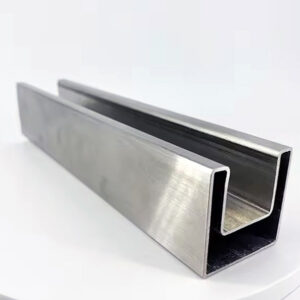
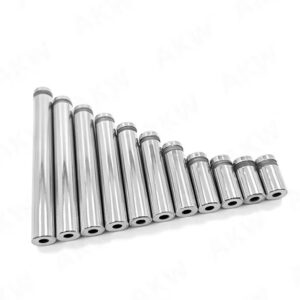
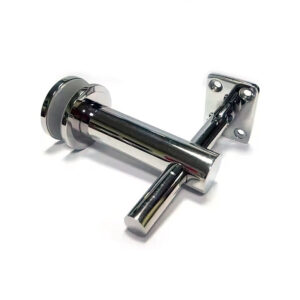
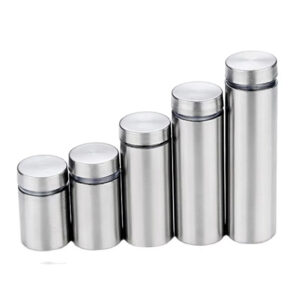
The choice hinges on functional need. Sanitary strut channel systems offer unparalleled modularity for supporting utilities—pipes, electrical conduit, ventilation ductwork. They allow for reconfiguration as processes change, which is key for agile, future-proof facility design. For mounting fixed equipment like vessels, reactors, or control panels, dedicated threaded brackets, custom stands, or weld plates provide secure, precise, and permanent positioning.
Evaluating Hygiene and Integration
Both systems must meet hygienic design criteria. Strut should have rounded internal corners and a smooth exterior. Brackets should be crevice-free. A critical strategic insight is to evaluate vendors as full-system providers. An integrated ecosystem of compatible strut, brackets, clamps, and fasteners ensures interoperability, simplifies sourcing, and reduces the systemic contamination risk inherent in mixing and matching components from different suppliers with varying standards.
Making the Strategic Selection
Base the decision on layout volatility and load requirements. Dynamic environments benefit from strut. High-load, permanent installations demand dedicated brackets. For comprehensive facility builds, a hybrid approach using both systems from a single vetted supplier, like the engineered solutions from Esang’s mounting hardware portfolio, ensures consistency, simplifies documentation, and optimizes performance.
| System Type | Primary Advantage | Best For |
|---|---|---|
| Sanitary Strut Channel | Modularity, reconfigurable layouts | Pipe, conduit, ductwork support |
| Dedicated Mounting Brackets | Secure, precise positioning | Fixed equipment, vessels |
| Integrated Vendor Ecosystem | Ensures component compatibility | Reducing systemic contamination risk |
Source: 3A Sanitary Standard 3603 for Mounting Hardware. This standard establishes criteria for the hygienic design and fabrication of mounting hardware, ensuring that both strut systems and brackets meet cleanability requirements for sanitary applications.
Material Certification & Documentation for FDA/GMP Audits
The Non-Negotiable Documents
During an audit, assertions are insufficient. Objective evidence is required. The Mill Test Report (MTR) or Certificate of Conformance is mandatory for every batch of material, verifying the actual alloy composition meets the specified grade (e.g., 316L). This provides traceability from the raw mill to your installed component. Third-party certificates, like 3-A or EHEDG, provide validated evidence that the design meets published hygienic criteria.
The Strategic Role of Certification
Procuring components with existing third-party certifications is a risk mitigation strategy. It shifts the burden of proof from your internal validation team to the independent certifying body. This provides defensible, objective evidence that streamlines the audit process. Auditors recognize these marks as indicators of compliance.
Managing the Compliance Dossier
Maintain an organized, centralized dossier of all material and design certificates for installed hardware. This practice demonstrates documented due diligence and control over the supply chain. It turns procurement paperwork into a compliance asset.
| Document Type | Purpose | Audit Significance |
|---|---|---|
| Mill Test Report (MTR) | Verifies alloy grade/composition | Mandatory proof of material |
| 3-A or EHEDG Certificate | Third-party hygienic design validation | Shifts burden of proof |
| Traceability Documentation | Tracks component to raw material | Demonstrates supply chain control |
| Organized Compliance Dossier | Centralizes all certificates | Shows due diligence |
Source: 3A Sanitary Standard 3603 for Mounting Hardware. Compliance with this standard provides objective, third-party certification that hardware meets hygienic design criteria, which is critical defensible evidence during regulatory audits.
Creating a Specification Checklist for Your Next Project
Translating Requirements into Criteria
A project checklist transforms strategic needs into actionable procurement criteria. It must be comprehensive to prevent oversight. Start with the non-negotiable foundations: required stainless steel grade (304 vs. 316/L) based on the completed process hazard analysis, and the specific surface finish (e.g., Electropolished, #4 brush) mandated by the cleanroom class or area classification.
Incorporating Design and Validation
The checklist must explicitly mandate hygienic design principles: crevice-free construction, self-draining slopes, and rounded contours. It should require specific material certifications (MTRs) and, ideally, third-party design certifications (3-A, EHEDG). Include a requirement for compatibility with the facility’s validated cleaning and sterilization protocols. For modular systems, specify full-system compatibility to ensure all components work together seamlessly.
Finalizing the Procurement Framework
Add considerations for manufacturing method (e.g., investment casting for complex, high-volume parts) as it affects cost and quality. Include requirements for sample approval and documentation delivery timelines. This finalized checklist ensures every purchased component actively contributes to building a compliant, durable, and hygienic facility infrastructure, aligning procurement directly with quality and operational goals.
Specifying compliant mounting hardware requires a disciplined, technical framework. Prioritize material selection based on a chemical hazard analysis, not cost. Mandate certified hygienic design to ensure cleanability. Choose systems based on application flexibility and source from integrated suppliers for compatibility. Finally, secure and organize all material certifications—this documentation is your primary audit defense.
Need professional guidance to specify or source compliant mounting solutions for your next project? The technical team at Esang specializes in engineered stainless steel hardware systems for regulated environments. Contact us to discuss your specific cleanroom class, material, and design requirements.
Frequently Asked Questions
Q: When is 316L stainless steel mandatory over 304 for mounting hardware?
A: You must specify 316L stainless steel when hardware faces chlorides, acidic sanitizers, or aggressive chemical environments typical in pharmaceutical cleanrooms or coastal facilities. The added molybdenum and low carbon content provide critical resistance to pitting and prevent weld decay. This means facilities using chlorine-based cleaners or located in high-humidity regions should prioritize 316L to avoid premature failure and compliance risks outlined in materials regulations like FDA 21 CFR Part 177.2600.
Q: How does cleanroom classification impact hardware selection?
A: Your cleanroom’s ISO class dictates the required material grade and surface finish. ISO 5-7 pharmaceutical environments typically mandate 316L stainless steel with electropolished finishes to withstand frequent sterilization, while lower-class food areas may permit 304 with a #4 brush finish. Regulators increasingly view support structures as contamination vectors, so your hardware’s cleanability must align with the room’s validated cleaning protocols. For projects in high-grade cleanrooms, plan for premium materials and finishes that support your particulate control strategy.
Q: What is the difference between hygienic and standard hardware design?
A: Hygienic hardware eliminates contamination risks through crevice-free construction, smooth contours, and self-draining slopes, whereas standard designs have sharp angles and fastener pockets that harbor microbes. This cleanability is a core engineering requirement, not just an optional feature. If your operation requires validated cleaning, you should specify components like sanitary strut with rounded interiors or seamless investment-cast brackets, which align with principles in EHEDG Doc 8 Hygienic Equipment Design Criteria.
Q: How do you justify the higher upfront cost of compliant stainless steel hardware?
A: Justify the investment through a Total Cost of Ownership analysis that factors in longevity, reduced maintenance, and avoided costs from contamination events or audit failures. Durable hardware minimizes unplanned downtime and the labor for specialized cleaning of inferior designs. This means you should shift budget discussions from purchase price to lifecycle cost, framing premium hardware as an investment in operational resilience and regulatory defensibility, not just a capital expense.
Q: What documentation is essential for an FDA or GMP audit of installed hardware?
A: You must have Material Certificates (Mill Test Reports) for every component to verify alloy grade, composition, and traceability. Procuring items with third-party certifications like 3A Sanitary Standard 3603 for Mounting Hardware provides defensible evidence that streamlines the audit process. This means maintaining an organized dossier of these documents is a critical administrative practice that demonstrates supply chain control and due diligence.
Q: Should we use a strut channel system or dedicated brackets for mounting?
A: Choose sanitary strut channel for modular, reconfigurable support of pipes and conduit, which is key for future-proof facility design. Select dedicated threaded brackets for secure, precise mounting of fixed equipment. The strategic implication is to evaluate vendors as full-system providers; integrated ecosystems of compatible components simplify sourcing and reduce contamination risks from mismatched parts. For projects requiring layout agility, prioritize the modularity of a certified strut system.
Q: What are the key items for a hardware specification checklist?
A: Your checklist must include the required stainless steel grade (304 vs. 316/L), surface finish, hygienic design mandates, material certifications, compatibility with sterilization protocols, and full-system compatibility. Incorporate the manufacturing method, like investment casting for complex parts, as it drives cost and quality. This transforms strategic needs into actionable procurement criteria, ensuring every component supports a compliant and durable facility infrastructure per standards like ISO 14159 Safety of machinery — Hygiene requirements.