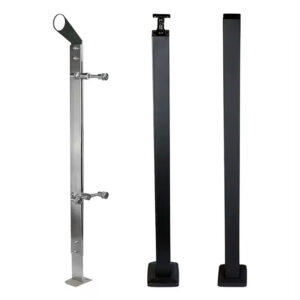
Specifying a stainless steel glass railing system for a commercial or high-end residential project requires navigating a dense matrix of structural, safety, and material codes. The primary challenge is not aesthetic design, but integrating that design with legally enforceable performance mandates that vary by jurisdiction and application. Misinterpreting a single clause can lead to failed inspections, costly redesigns, and significant liability exposure.
With the 2021 International Building Code (IBC) now widely adopted and the 2024/2025 code cycle emphasizing performance validation, compliance is more rigorous than ever. The shift from prescriptive rules to tested system performance changes how architects, engineers, and contractors must source and specify these components. Understanding the interplay between the IBC, IRC, and material standards like ANSI Z97.1 is no longer optional—it’s the foundation of a defensible, safe, and approvable design.
Understanding the Core Codes: IBC, IRC, and ANSI Z97.1
The Jurisdictional Hierarchy
The International Building Code (IBC) governs commercial, multi-family, and public projects, while the International Residential Code (IRC) applies to one- and two-family dwellings. Both define a “guard” as a protective barrier to prevent falls. However, these are model codes. The ultimate authority is the local Authority Having Jurisdiction (AHJ)—the building inspector or plan reviewer. They enforce locally amended versions, which can introduce stricter requirements. Industry experts recommend engaging the AHJ during schematic design to confirm the specific adopted edition and any regional amendments, a non-negotiable step to avoid late-stage compliance failures.
The Safety Glazing Imperative
Beyond structural codes, safety glazing standards create a mandatory performance layer. ANSI Z97.1, alongside the federal CPSC 16 CFR 1201 standard, sets the benchmark for impact resistance and breakage safety. These standards classify glazing performance, with Class A/Category I representing the highest impact rating required for hazardous locations. Since the 2015 IBC, glass used in guards is explicitly defined as being in a hazardous location, triggering these mandates. This dual-layer of regulation—structural integrity from the IBC/IRC and breakage safety from ANSI Z97.1—forms the complete compliance picture.
A System of Referenced Standards
The codes themselves do not contain all test methods. Instead, they reference consensus standards like ASTM and ANSI. For example, the IBC will mandate that glass in guards meets ANSI Z97.1 and that systems seeking a top-rail exemption pass ASTM E2353. This creates a compliance chain: the AHJ enforces the code, which points to the standard, which defines the test. Specifiers must therefore verify that product submittals include reports from these specific, referenced tests, not just generic material data.
Critical Height and Load Requirements for Glass Railings
Prescriptive Height Mandates
Code-mandated heights are absolute minimums, not design suggestions. For commercial guards under the IBC, the minimum height is 42 inches measured vertically from the walking surface. Residential guards under the IRC require 36 inches. On stairs, handrail height is measured from the stair nosing and must fall between 34 and 38 inches. A common oversight is measuring from the finished floor on a stair landing instead of from the nosing, which can result in a non-compliant handrail run.
The Dual-Load Condition
Glass railing systems must be designed to resist two simultaneous load cases: a uniform load of 50 pounds per linear foot (plf) applied in any direction, and a concentrated load of 200 pounds applied horizontally at any point. The system—including glass, posts, and anchors—must withstand these loads without exceeding allowable deflection limits. In our engineering reviews, we consistently find that fascia-mounted post attachments provide a more direct load path to the structure compared to surface-mounted bases, which can induce higher bending moments.
The Glass-Specific Safety Factor
A critical and often misunderstood requirement is the safety factor of four mandated by IBC Section 2407.1.1 for the glass component itself. This is not a general system factor. It means the published strength of the glass (e.g., its modulus of rupture) must be divided by four for load calculations. This derating significantly impacts the allowable span and thickness of structural glass balusters. The table below clarifies the foundational requirements.
Height and Load Reference Table
| Application | Minimum Height | Key Structural Load |
|---|---|---|
| Commercial (IBC) | 42 inches | 50 plf uniform load |
| Residential (IRC) | 36 inches | 200 lb concentrated load |
| Stair Handrail | 34-38 inches | N/A |
| Glass Safety Factor | 4x (IBC 2407.1.1) | Derates published strength |
Source: 2021 International Building Code (IBC). The IBC establishes the minimum guard height of 42 inches and the critical safety factor of four that must be applied to the strength of glass used in guards.
Safety Glazing Mandates: Lamination, Tempering, and Impact Testing
The Lamination Default
Since the 2015 IBC, glass used in guards must be laminated glass, with one narrow exception. This mandate prioritizes post-breakage retention—the laminated interlayer holds broken glass in place, preventing shards from falling and maintaining a residual barrier. This creates a fundamental market shift, making laminated glass the default for nearly all elevated applications. The sole exception allows monolithic tempered glass only where there is no walking surface below, such as over a cliff or water feature, a rare condition in most projects.
Required Material Treatments
The laminated glass must also be fully tempered or heat-strengthened. The minimum nominal thickness is 1/4 inch. This combination—lamination plus tempering—addresses both initial impact resistance and breakage pattern. Furthermore, the assembly must comply with the impact safety requirements of CPSC 16 CFR 1201 Category I or ANSI Z97.1 Class A. This is verified through standardized impact tests using a weighted bag drop.
Specification and Verification
Specifying “safety glass” is insufficient. Project documents must call for “Laminated glass, fully tempered, minimum 1/4” nominal thickness, complying with ANSI Z97.1 Class A.” Verification requires the manufacturer’s certification and the permanent safety glazing label on each panel. The following table outlines the core material mandates.
Safety Glazing Requirements
| Requirement | Material Standard | Minimum Thickness |
|---|---|---|
| Glass Type | Laminated & Tempered | 1/4 inch |
| Impact Safety | ANSI Z97.1 Class A | N/A |
| Impact Safety | CPSC 16 CFR 1201 Cat I | N/A |
| Exception (No Walking Surface) | Monolithic Tempered Only | 1/4 inch |
Source: ANSI Z97.1-2015 Safety Glazing Materials Used in Buildings. This standard, referenced by the IBC, sets the safety performance specifications for glazing, including the required impact resistance (Class A) for glass used in hazardous locations like railings.
Top Rail Requirements and Exceptions for Structural Glass
The Standard Rule
When glass panels act as structural balusters (infill), the IBC generally requires a top rail. This rail must be attached to a minimum of three glass panels to ensure system continuity and load distribution. The top rail itself must meet the same load requirements as the guard and provide a continuous gripping surface if it also serves as a handrail.
The Frameless Exception
A pivotal exception exists: a top rail is not required if the laminated glass baluster panels have been tested as a complete assembly per ASTM E2353 and have demonstrated they remain a barrier after glass breakage. This exception is a major lever for achieving a desired frameless aesthetic. It moves the compliance burden from prescriptive design to proven performance.
The Assembly Test Imperative
Achieving this exemption requires rigorous, documented testing of the specific, complete assembly—glass, clamps, posts, and anchors. It is not sufficient to test just the laminated glass material. Consequently, projects seeking a frameless look must source pre-certified, tested systems from suppliers who can provide the valid ASTM E2353 test report for the exact configuration being specified. This shifts procurement from sourcing generic components to selecting engineered solutions.
Top Rail Conditions
| Condition | Top Rail Requirement | Key Testing Standard |
|---|---|---|
| Glass as Baluster | Required (attaches 3+ panels) | N/A |
| Frameless Exception | Not Required | ASTM E2353 |
| Certification Basis | Full Assembly Test | Not material-only |
Source: ASTM E2353-21 Standard Test Methods for Performance of Glazing in Permanent Railing Systems, Guards, and Balustrades. This test method is critical for validating the performance of a frameless glass guard system, allowing the top rail exemption if the assembly passes impact and post-breakage retention tests.
Navigating High-Wind Zones and Special Code Considerations
The 4-Inch Sphere Rule
A fundamental requirement often challenged by creative designs is the prohibition of openings that allow a 4-inch diameter sphere to pass through. This applies to the entire guard area, including any space between glass panels, at the bottom rail, or within decorative elements. For glass guards, this typically requires tight tolerances at panel joints and careful detailing at the base condition.
Handrail and Accessibility
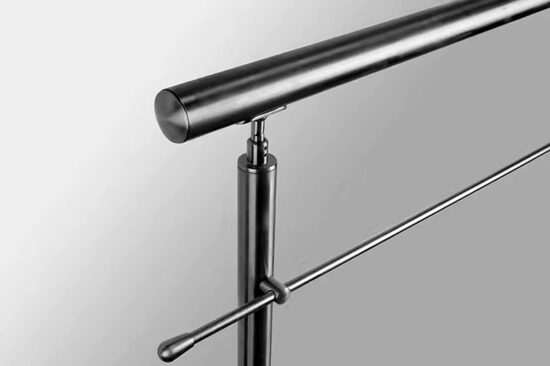
When the guard incorporates a handrail, accessibility standards (often incorporated via ICC A117.1) add another layer. The gripping surface must be continuous, with a circular cross-section between 1-1/4 and 2 inches in diameter. It must also maintain a 1-1/2 inch clearance from any adjacent wall. Integrating these requirements with a sleek stainless steel profile demands precise design coordination.
High-Velocity Hurricane Zones
In HVHZ, such as Miami-Dade and Broward Counties in Florida, local amendments supersede the base IBC. These typically mandate laminated glass in exterior guards to mitigate the risk of fallout from windborne debris, regardless of the walking surface condition below. This is a prime example of why early AHJ consultation is critical, as local amendments dictate final material selection.
Special Considerations Reference
| Consideration | Specific Requirement | Applicable Code Layer |
|---|---|---|
| Opening Limitation | 4-inch sphere rule | IBC/IRC |
| Handrail Grip Size | 1-1/4″ to 2″ diameter | Accessibility Standards |
| Handrail Clearance | 1-1/2 inches from wall | Accessibility Standards |
| HVHZ (e.g., Miami) | Laminated glass mandated | Local Amendment |
Source: 2021 International Building Code (IBC). The IBC contains the prescriptive requirements for guard openings and handrail dimensions, which are often supplemented by more stringent local amendments in High-Velocity Hurricane Zones.
Key Testing Protocols: ASTM E2353, E2358, and Labeling
ASTM E2353: The System Performance Test
ASTM E2353 is the definitive test method for evaluating the entire glass railing assembly. It subjects the system to sequential tests for structural strength, impact, and post-breakage retention. Passing this test is the only pathway to the top-rail exemption and is the strongest evidence of overall system compliance. It validates that the specific interaction between the glass, hardware, and supports meets code-level safety.
ASTM E2358: The Performance Specification
Working in tandem, ASTM E2358 establishes the performance specification—the pass/fail criteria for the tests in E2353. It defines the required load capacities, impact performance levels, and acceptance criteria for post-breakage condition. When reviewing a test report, confirm it certifies compliance with both the test methods (E2353) and the performance specification (E2358).
Permanent Labeling and Traceability
The IBC requires permanent labeling on safety glazing. The label must include the manufacturer, the safety standard met (e.g., ANSI Z97.1), the glass type, and thickness. This creates an auditable custody trail from manufacturer to installation. This traceability shifts liability clearly through the supply chain and simplifies the AHJ’s job during inspection, as they can verify compliance on-site.
Testing and Traceability Standards
| Standard | Primary Purpose | Code Reference |
|---|---|---|
| ASTM E2353 | System Performance Testing | IBC for top-rail exception |
| ASTM E2358 | Performance Specification | Companion to E2353 |
| IBC Labeling | Permanent Glazing Identification | Manufacturer, type, thickness |
| Traceability | Supply Chain Custody | Shifts liability |
Source: ASTM E2358-17 Standard Specification for Performance of Glazing in Permanent Railing Systems, Guards, and Balustrades. This specification works with ASTM E2353 to define the pass/fail performance benchmarks for glass railing systems, ensuring they meet the safety levels required by building codes.
Design and Installation Best Practices for Code Compliance
Edge Detail and Deflection Control
For laminated glass, especially in frameless applications, edge conditions are critical. Edges should be seamed or polished to a fine finish. IBC Section 2403.4 imposes a specific deflection limit: under load, the differential deflection between two adjacent unsupported glass edges cannot exceed the thickness of the glass. This requirement directly influences maximum panel size and support spacing.
Structural Anchorage
The most robust glass and hardware will fail if the posts are improperly anchored. Anchors must attach to structural members—concrete slabs, steel beams, or engineered wood framing—capable of resisting the design loads. We consistently see that fascia mounting, where possible, provides a stronger, more direct load path than surface deck mounting, which creates a longer lever arm and higher moment at the base.
The Shift to System Providers
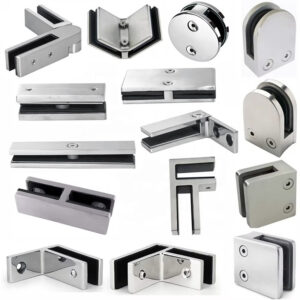
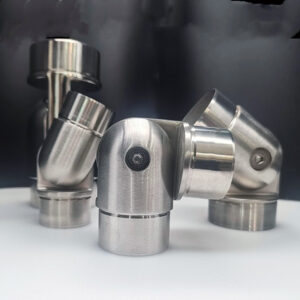
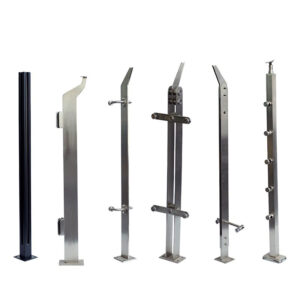
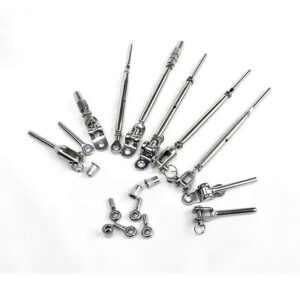
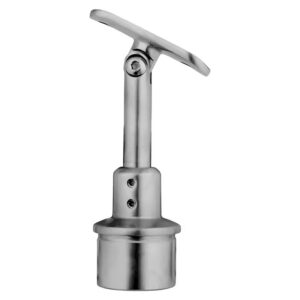
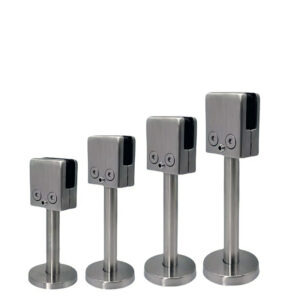
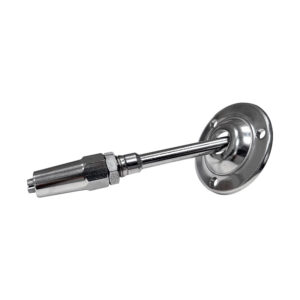
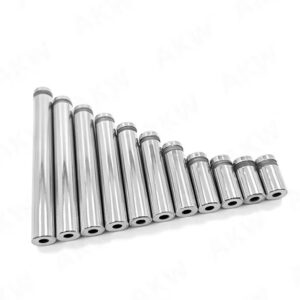
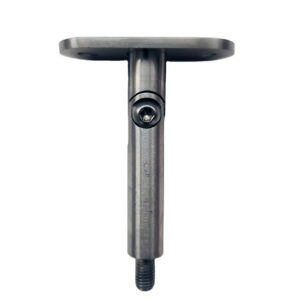
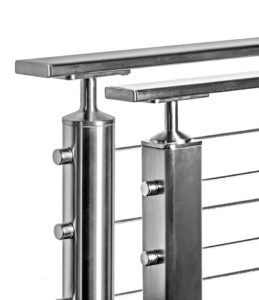
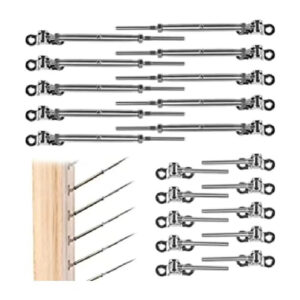
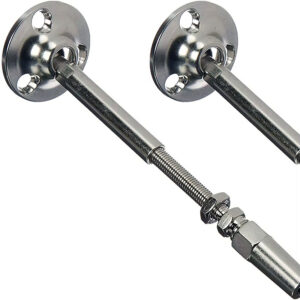
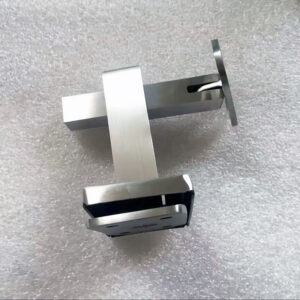
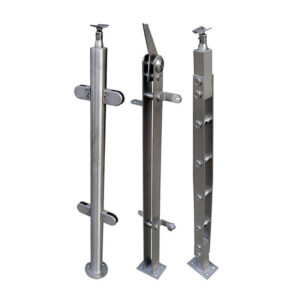
The complexity of integrating compliant glass, tested hardware, and proper anchorage is consolidating the market around full-service system providers. These suppliers offer pre-engineered, pre-tested systems with complete engineering submittals, including calculations for specific project conditions. This approach de-risks the specification and installation process, ensuring all components are designed to work together. For those evaluating specific hardware components, reviewing engineered glass railing hardware systems from such providers is a logical step in ensuring a cohesive, compliant assembly.
How to Ensure Your Project Meets 2025 Code Requirements
Proactive AHJ Engagement and Documented Systems
First, confirm the specific adopted code edition and local amendments with the AHJ during design development. Second, default to laminated glass solutions and source complete, pre-engineered systems from suppliers with valid, project-specific testing reports (ASTM E2353) and ICC-ES Evaluation Reports. These reports provide independent validation that simplifies the permit approval process.
Digital Tools and Performance-Based Design
Leverage digital BIM libraries where products are pre-linked to jurisdictional compliance data to mitigate specification error. Prepare for a growing emphasis on performance-based design, which may require engineering analysis beyond prescriptive code clauses. This necessitates deeper partnerships with suppliers who provide full engineering submittals or developing in-house expertise to navigate advanced structural analysis for complex conditions.
Navigating the 2025 code landscape requires a disciplined, document-driven approach centered on tested system performance. Prioritize early verification of local amendments, insist on certified assemblies over generic components, and integrate compliance tracking into your digital workflow. This framework turns code adherence from a reactive hurdle into a proactive design parameter.
Need professional guidance to specify a compliant stainless steel glass railing system? The engineering and support team at Esang can provide the tested system solutions and technical submittals required for a smooth approval process. For specific project inquiries, you can also Contact Us.
Frequently Asked Questions
Q: How does the IBC’s safety factor for glass impact structural design decisions for glass balusters?
A: The 2021 International Building Code (IBC) mandates a safety factor of four for glass used in guards. This requires you to divide the glass’s published strength value by four for all load calculations. This derating directly dictates the required thickness and maximum panel size for structural glass infill. For projects with large spans or demanding aesthetic goals, plan for thicker glass or smaller panels to meet the engineered load resistance after this mandatory reduction.
Q: When can you design a frameless glass railing without a top rail?
A: You can omit the top rail only if the specific laminated glass and clamping system has passed the full-scale impact test per ASTM E2353-21 Standard Test Methods for Performance of Glazing in Permanent Railing Systems, Guards, and Balustrades. This test proves the assembly remains a barrier after glass breakage. This means you must procure a pre-certified, engineered system from a supplier with valid test reports, moving from a component-based to a system-based specification.
Q: What are the mandatory safety glazing requirements for glass used in a commercial railing?
A: For commercial applications, the IBC requires glass in guards to be laminated, fully tempered or heat-strengthened, and meet the impact safety of ANSI Z97.1-2015 Safety Glazing Materials Used in Buildings – Safety Performance Specifications and Methods of Test or CPSC 16 CFR 1201 Category I. Lamination is critical for post-breakage retention. This effectively makes laminated glass the default for nearly all elevated walkways, influencing both material cost and supplier options.
Q: How do local amendments, like those in high-wind zones, affect material selection for exterior railings?
A: Local Authority Having Jurisdiction (AHJ) amendments can supersede base model codes, imposing stricter mandates. In High-Velocity Hurricane Zones, for example, exterior glass guards typically require laminated glass to resist windborne debris regardless of other design factors. This means your first planning step for any project must be consulting the local AHJ to confirm adopted codes and amendments, as this can dictate your fundamental material choice.
Q: What is the significance of ASTM E2353 testing for system suppliers and specifiers?
A: Compliance with ASTM E2353-21 Standard Test Methods for Performance of Glazing in Permanent Railing Systems, Guards, and Balustrades validates the performance of the entire railing assembly, not just individual components. This shifts competitive advantage toward suppliers using advanced interlayer technologies that offer superior stiffness and glass retention. For specifiers, it creates a clear audit trail and reduces project risk by sourcing pre-validated systems with supporting ICC-ES Evaluation Reports.
Q: What are the critical installation details for ensuring a frameless glass railing meets code?
A: Key installation best practices include anchoring posts to underlying structural members, not just the deck surface, and ensuring edge conditions for laminated glass are finely finished. The IBC also limits deflection between adjacent unsupported glass edges to the glass thickness under load. This complexity means projects pursuing a minimalist aesthetic should partner with full-service system providers who guarantee the compliant integration of glass, hardware, and structure.