For commercial developers, architects, and contractors, the question of frameless stainless steel glass railing cost is a critical budget line item. The common search for a simple “per linear foot” figure often leads to frustration and inaccurate projections. The quoted range of $400 to $850+ per foot is so broad it becomes meaningless without the underlying technical and project-specific context.
This variability makes precise budgeting a professional necessity. A miscalculation can derail project feasibility or lead to costly mid-stream value engineering. Understanding the drivers behind this premium is essential for making an informed specification that balances design intent, safety compliance, and financial reality.
Frameless vs. Framed Glass Railing: Key Differences
Structural Philosophy and Material Investment
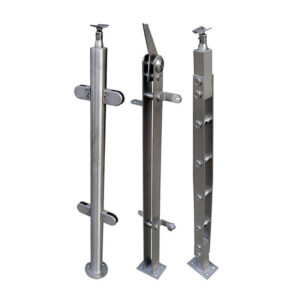
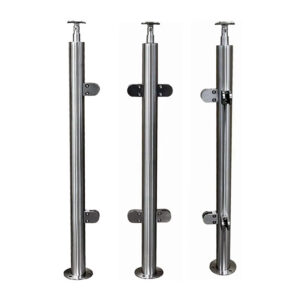
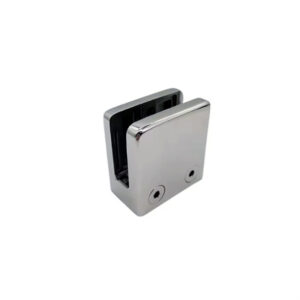
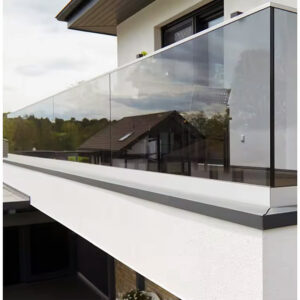
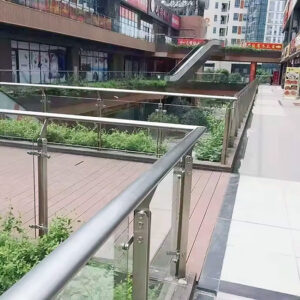
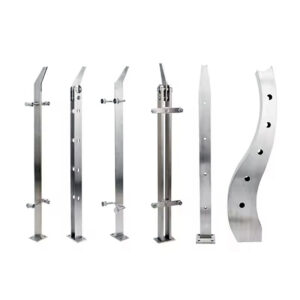
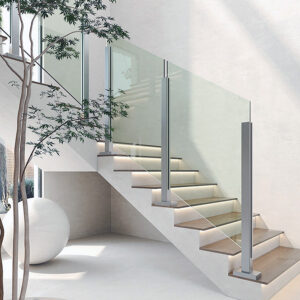
The distinction is foundational, not cosmetic. Framed systems use a network of vertical posts and top rails to support thinner glass panels, creating a segmented look. Frameless systems eliminate visible intermediate posts, relying on thicker, structurally engineered glass panels secured by minimal stainless steel hardware. This approach prioritizes an unobstructed view. The cost premium for frameless directly pays for advanced material science—the glass itself becomes the primary structural member—and precision engineering in the mounting hardware to manage wind loads and impact forces.
Aesthetic and Application Implications
This structural difference dictates application. Framed railings offer a reliable, cost-effective solution for many standard applications where view preservation is not the paramount concern. Frameless systems are specified where modern aesthetics and maximizing sightlines are critical project deliverables, such as luxury residential balconies, commercial atrium edges, or waterfront properties. The choice is a direct trade-off between budget-conscious reliability and a premium design outcome. In my experience reviewing project specs, the decision for frameless is almost always driven by an architectural vision that treats the railing as a transparent barrier, not a visual element.
Cost Per Linear Foot: A Detailed Commercial Breakdown
Deconstructing the Composite Cost
The published range of $400–$850+ per linear foot installed is a composite of three core cost centers. Treating it as a single line item obscures critical budgeting details. A professional estimate must dissect this total to assess value and identify potential savings or necessary upgrades. The wide variance in each component is where project specifics exert their influence.
Component-Based Cost Analysis
Moving to a component-based model is the only way to achieve budget accuracy. This approach reveals how specifications cascade into final cost.
| Component | Cost Range (per linear foot) | Key Cost Drivers |
|---|---|---|
| Glass Panels | $80 – $300+ | Thickness, type (tempered/laminated) |
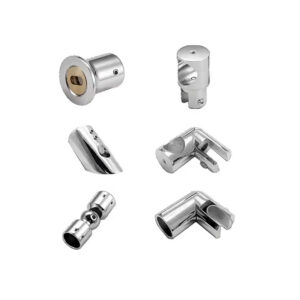
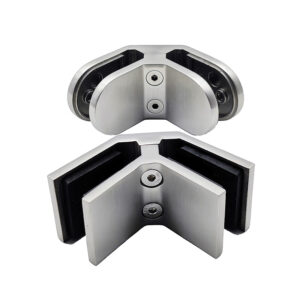
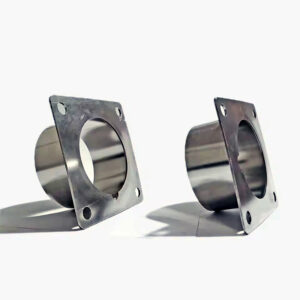
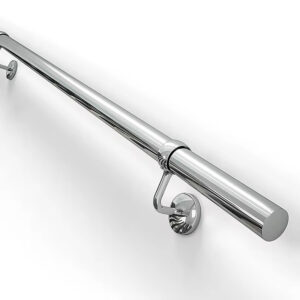
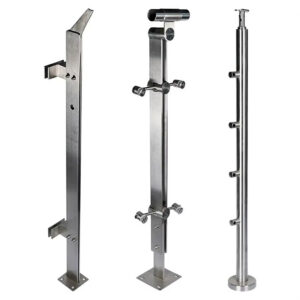
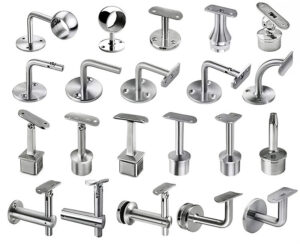
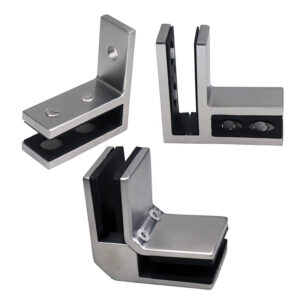
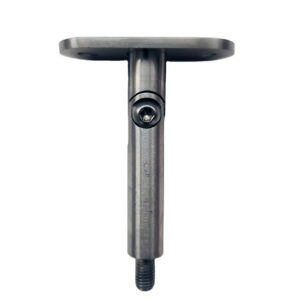
| Stainless Steel Hardware | $100 – $250+ | Mounting system, structural engineering |
| Professional Installation | $100 – $300+ | Site complexity, labor rates |
| Total Installed Cost | $400 – $850+ | Sum of all components |
Source: Technical documentation and industry specifications.
The table shows glass is the largest material variable. Hardware cost covers the critical engineered mounting system. Labor is not generic construction work but a specialized skill set. Industry experts recommend scrutinizing quotes that bundle these elements opaquely, as they often hide compromises in material quality or engineering rigor.
Which System Offers Better Value for Your Project?
Defining Value Beyond Initial Cost
Value is a function of performance, longevity, and achieving project goals, not just upfront expenditure. Framed systems, typically $150–$300 per linear foot installed, present a lower financial barrier and proven performance for standard guardrail applications. Frameless systems, at a 50-100% premium, deliver unparalleled views and a high-end aesthetic that can enhance property value. The better value is determined by the project’s priority matrix: is the primary driver budget adherence or the execution of a specific design vision?
The Shift to Transparent Pricing Models
A key trend influencing perceived value is the industry’s move toward transparent, all-inclusive pricing. Suppliers offering clear, tiered packages (“Basic,” “Performance,” “Ultra”) that bundle required components and services reduce buyer anxiety and enable accurate cross-supplier comparison. This model provides more tangible value than a la carte quoting, which can lead to sticker shock as necessary items like engineering or permit support are added. Easily overlooked details include whether a quote includes sealants, finish protection during construction, or a post-installation inspection.
Key Factors That Determine Your Final Installed Cost
Variable Drivers Beyond Material Choice
Several project-specific variables critically influence the final number. System complexity, such as staircases with custom angles or radius curves, increases fabrication time and installation precision, raising costs. Geographic location affects local labor rates and material shipping logistics. However, two factors consistently create budget overruns if not addressed early.
The High Cost of Preparation and Compliance
Structural site preparation is the most common hidden cost. Existing decks or concrete edges often lack the load rating for heavy glass systems, requiring underlying reinforcement that can cost $500–$5,000. Second, local building codes are not suggestions; they mandate specific safety standards that directly dictate material selection.
| Factor | Typical Impact | Description |
|---|---|---|
| System Complexity (Curves, Stairs) | Significant increase | Higher fabrication & installation cost |
| Geographic Location | Varies labor/material rates | Higher in major metropolitan areas |
| Structural Site Preparation | $500 – $5,000+ | Deck reinforcement for load rating |
| Local Building Code Compliance | Mandatory cost driver | Dictates glass type, thickness, design |
Source: Technical documentation and industry specifications.
A professional structural evaluation and preliminary code review are non-negotiable pre-purchase steps. We compared projects with and without this due diligence and found the latter group experienced an average 22% budget overrun due to unforeseen requirements.
Glass Specifications: Tempered vs. Laminated for Safety
The Non-Negotiable Base Requirement
In any railing system, glass is a safety glazing material first. All railing glass must be tempered to comply with safety standards like ANSI Z97.1 Safety Glazing Materials Used in Buildings. Tempering induces surface compression, causing the glass to break into small, granular pieces rather than sharp shards upon impact. This is the baseline for injury reduction. The specification of 1/2″ or 3/4″ thickness is then driven by the structural demands of the frameless design and span requirements.
When Laminated Glass Becomes Mandatory
For enhanced security, laminated glass is often specified. It sandwiches a polyvinyl butyral (PVB) interlayer between two tempered panes, holding the glass together if shattered to prevent fall-through. This is not merely an upgrade; building codes for commercial applications or residential guardrails above certain heights frequently mandate laminated glass. This compliance cost is compulsory.
| Specification | Tempered Glass | Laminated Glass |
|---|---|---|
| Safety Standard | ANSI Z97.1 compliant | ANSI Z97.1 compliant |
| Breakage Pattern | Small, granular pieces | Held by PVB interlayer |
| Primary Use Case | Standard safety glazing | Enhanced security, code-mandated areas |
| Relative Cost | Lower base cost | More expensive |
Source: ANSI Z97.1 Safety Glazing Materials Used in Buildings. This standard establishes the fundamental safety performance criteria for glazing materials, including impact resistance and breakage characteristics, which directly dictate the required specifications for railing glass.
The choice is a major cost driver. Assuming tempered glass is sufficient without verifying local code can result in rejected inspections and costly material replacement.
Navigating Building Codes and Permit Requirements
Code as a Design and Cost Parameter
Building codes such as the International Residential Code (IRC) and International Building Code (IBC) govern every technical aspect of railing design. Key parameters include minimum height (typically 36″ for residential, 42″ for commercial), the required structural load capacity (often a 200-pound concentrated load applied at any point), and glass safety standards. These are not guidelines but enforceable requirements that shape system design and material selection from the outset.
The Permit Process and Associated Costs
Most jurisdictions require a building permit for railing installation. The permit process necessitates submitting detailed engineering drawings and calculations for approval, proving the design meets all applicable codes. This step formalizes the cost of professional engineering, typically adding $500–$1,500+ to the project budget. This fee is for liability protection and regulatory compliance, not an optional service.
| Code Requirement | Typical Specification | Cost/Budget Impact |
|---|---|---|
| Railing Height | 36″ to 42″ | Design & material baseline |
| Structural Load | 200-pound concentrated load | Hardware & engineering scope |
| Permit & Engineering Fees | $500 – $1,500+ | Added pre-installation cost |
| Glass Safety Mandate | Often laminated glass | Significant material cost increase |
Source: Technical documentation and industry specifications.
Proactive navigation is crucial. Engaging a supplier who understands and can provide documentation for IBC International Building Code Chapter 24 Glass and Glazing requirements streamlines approval and prevents delays.
Installation Complexity and Labor Cost Considerations
Specialized Labor for Precision Work
Installation is a high-skill trade involving handling heavy, fragile panels, achieving precise alignment for a flawless sightline, and executing secure structural connections to the substrate. Labor costs ($100–$300+/ft) are highly variable based on site conditions. Multi-story heights requiring swing stages or craning, difficult access through finished interiors, and intricate layouts with stairs or corners exponentially increase time, risk, and cost.
The Asymmetric Risk of DIY
While DIY installation might seem to save $50–$200 per linear foot, it represents a high-risk strategy with severe asymmetric penalties. A measurement error or improper embedment can lead to thousands of dollars in custom glass replacement and professional remediation. The potential downside—including safety liability, failed inspections, and material waste—far outweighs the potential savings. The industry is moving toward formalized installer certification; liability concerns are pushing insurers to mandate certified professionals for warranty validation.
| Installation Scenario | Labor Cost (per linear foot) | Risk & Complexity Level |
|---|---|---|
| Standard, straight run | $100 – $200 | Moderate |
| Multi-story, difficult access | $200 – $300+ | High |
| Staircases, curved sections | $250 – $300+ | Very High |
| DIY Installation (Potential Savings) | Save $50 – $200 | Extremely High Risk |
Source: Technical documentation and industry specifications.
How to Get an Accurate Quote and Manage Your Budget
Securing a Definitive Estimate
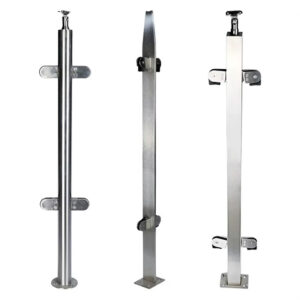
An accurate quote is itemized and all-inclusive. Demand a breakdown that specifies glass type/thickness, hardware model, engineering fees, labor hours, permit assistance, and assumed site conditions. Be wary of low initial estimates that exclude these elements; they are often “bait” prices that expand later. Reputable suppliers will ask detailed questions about your substrate, site access, and local code jurisdiction before providing a number. For a clear understanding of component options and engineered systems, review detailed frameless glass railing specifications and hardware.
Proactive Budget Management Strategies
Effective management starts with planning for contingencies. Allocate 10-15% of the total estimated cost for unforeseen issues like hidden corrosion requiring substrate repair or last-minute code interpretations. The most efficient path to budget and timeline certainty is often an integrated design-build service. Suppliers who combine design, engineering, material supply, and certified installation into a single-point solution manage all complex interdependencies, reducing overall project risk and communication overhead, which often lowers total cost compared to managing multiple disjointed contractors.
The final cost hinges on three decisions: defining the non-negotiable aesthetic outcome, investing upfront in structural and code due diligence, and selecting a supplier model that provides clarity and single-point accountability. Compromising on any of these increases the risk of budget overruns and performance shortfalls.
Need professional guidance to navigate these specifications and budgetary complexities for your next project? The engineering-focused team at Esang provides the technical documentation and integrated support required to move from concept to compliant installation with confidence. For direct consultation on your specific requirements, you can also Contact Us.
Frequently Asked Questions
Q: What are the primary cost components for a frameless glass railing system beyond the per-foot price?
A: The total installed cost breaks down into three key components. Glass panels themselves range from $80 to over $300 per linear foot, driven by thickness and type. High-strength stainless steel hardware and engineering add $100–$250+ per foot. Finally, specialized professional installation accounts for $100–$300+ per foot. For projects where budget accuracy is critical, you should plan using this component model, as piecemeal quotes that exclude any of these elements can lead to significant budget overruns.
Q: How do building codes and safety standards directly impact material selection and cost?
A: Codes like the IRC mandate specific safety glazing, often requiring laminated glass for railings above certain heights, which is a major cost driver. Compliance with standards such as ANSI Z97.1 for impact resistance is non-negotiable and dictates the glass specification. This means facilities in jurisdictions with stringent codes must budget for both the premium material and the $500–$1,500+ in engineering fees required for permit approval before installation begins.
Q: When does a frameless system offer better long-term value than a lower-cost framed alternative?
A: Value is defined by project priorities, not just initial cost. Frameless systems, at a 50-100% premium, deliver unobstructed views and a premium aesthetic that framed systems cannot match. The better value depends on whether your project’s primary goal is budget-conscious reliability or high-end design and view preservation. For commercial projects where aesthetics directly impact property value or user experience, the frameless premium is often a justified investment.
Q: What is the most common hidden cost in a frameless glass railing installation?
A: Structural site preparation is the most frequent budget surprise. Existing decks or balconies often lack the load rating to support heavy glass panels, requiring reinforcement that can cost between $500 and $5,000. A professional structural evaluation is an essential pre-purchase step. This means for retrofit projects, you should allocate a 10-15% contingency in your budget specifically for unforeseen structural repairs to avoid catastrophic mid-project stoppages.
Q: Why is professional installation strongly recommended over DIY for frameless systems?
A: Installation requires specialized skill to handle heavy glass, ensure precise alignment, and achieve secure structural connections. While DIY may seem to save $50–$200 per foot, measurement errors or improper installation can cost thousands in material replacement and remediation. If your project involves complex layouts or multi-story heights, you should plan for certified professional labor to mitigate the asymmetric risk of safety failures and costly rework.
Q: How can we secure an accurate, all-inclusive quote to manage our project budget effectively?
A: Demand an itemized quote that explicitly breaks down glass, hardware, engineering, labor, permits, and site preparation costs. Be wary of low initial estimates that exclude these elements. To manage budget effectively, seek suppliers offering integrated design-build services or clear, tiered packages. This means for complex commercial projects, a single-point solution provider will typically reduce overall risk and total cost by managing all interdependencies.