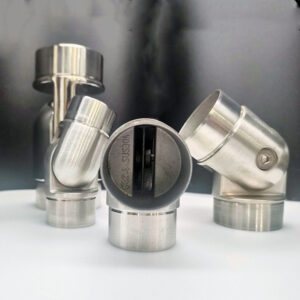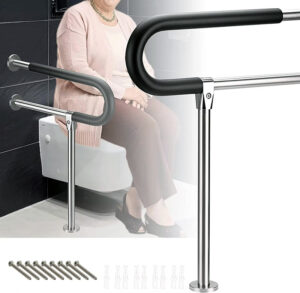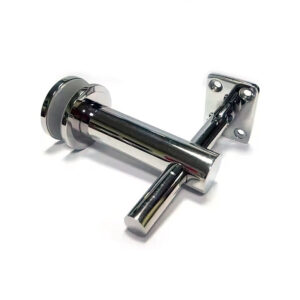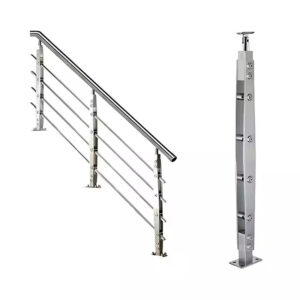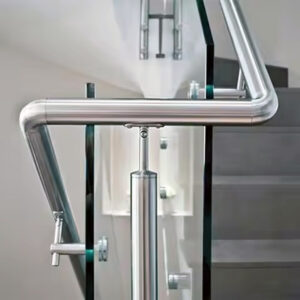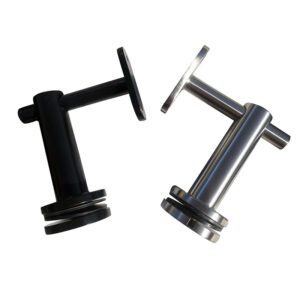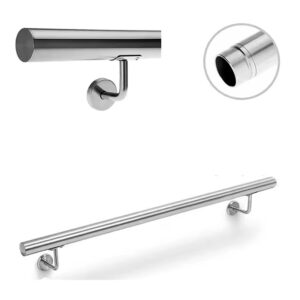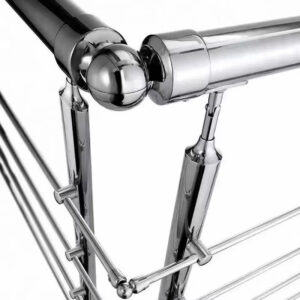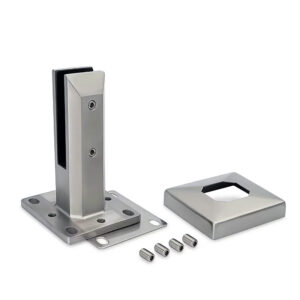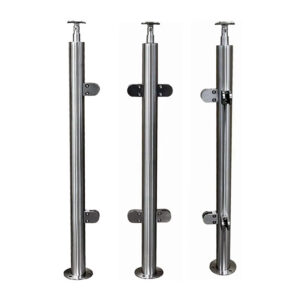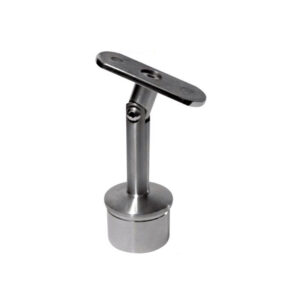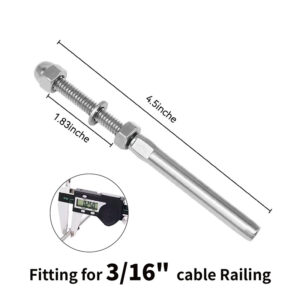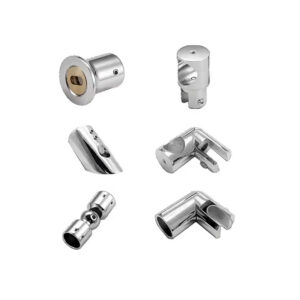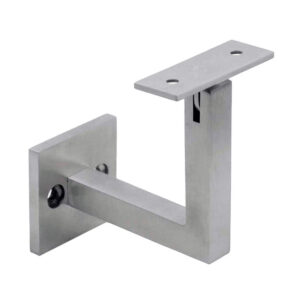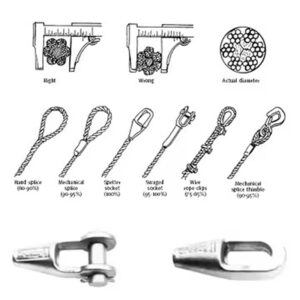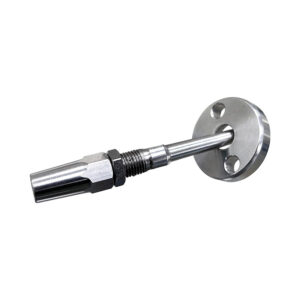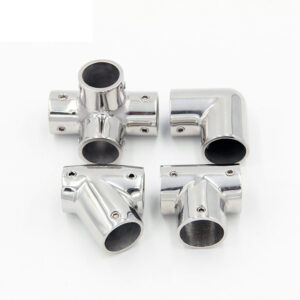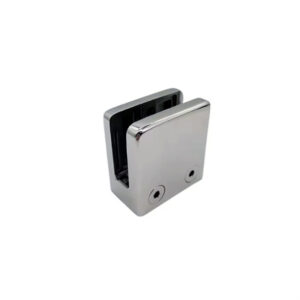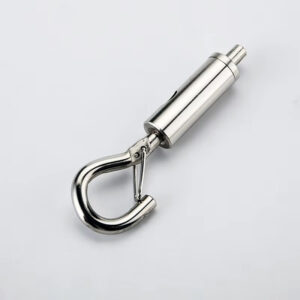
Specifying stainless steel for mounting hardware is not a guarantee of performance. The term “stainless steel” is a broad category, not a specification. Without precise adherence to ASTM and ISO standards for material, testing, and finishing, you risk field failures, warranty claims, and liability—even when using a premium alloy like 316.
The shift from commodity purchasing to performance-based procurement makes this compliance critical. Public agency specifications and infrastructure codes directly incorporate these standards, transforming them into enforceable requirements. Your specification framework is your primary tool for de-risking the supply chain and ensuring long-term project integrity.
Key ASTM and ISO Material Standards for Mounting Hardware
Defining the Material Ecosystem
The foundation of reliable hardware is precise material specification. Key standards define the exact alloys and forms suitable for manufacturing. ASTM A493 governs wire for cold-headed fasteners, while ASTM A276/A276M and A479/A479M cover stainless steel bars and shapes for structural components. For assemblies, nuts are specified under ASTM F879M for metric or A194/A194M for high-temperature service. This detailed standardization is critical because “Stainless Steel” is an inadequate descriptor; the exact grade and form define performance.
Ensuring Supply Chain Interoperability
This ecosystem of standards creates vital supply chain interoperability. Engineers can source compatible, reliable components from multiple suppliers using this universal technical language, significantly reducing procurement risk and preventing assembly mismatches. It allows for competitive bidding without sacrificing technical certainty. In my experience, projects that skip this step often face costly delays when field-fit issues arise with non-conforming parts.
Core Standards Reference
The table below outlines the primary ASTM standards that form the material basis for various mounting hardware components.
| Component Type | Key ASTM Standard | Primary Application / Material |
|---|---|---|
| Wire for Fasteners | ASTM A493 | Cold-headed bolts |
| Stainless Steel Bars | ASTM A276/A276M | General shapes, forms |
| Stainless Steel Shapes | ASTM A479/A479M | Structural components |
| Age-Hardening Alloys | ASTM A564 | High-strength applications |
| Nuts (Metric) | ASTM F879M | Metric fastener assemblies |
| Nuts (High-Temp) | ASTM A194/A194M | High-temperature service |
| Studs (Marine Grade) | SA193 B8M Class 1 | Strain-hardened 316 stainless |
Source: ASTM A194/A194M. This standard specifies requirements for stainless steel nuts used in high-pressure or high-temperature service, providing the complementary specification to bolt standards for complete fastener assemblies.
How to Verify Compliance with ASTM and ISO Standards
The Multi-Layer Verification Process
Compliance verification is a system covering material, testing, and finishing. It begins with the Material Certification or Mill Test Report (MTR) from the raw material producer, confirming the alloy chemistry meets the specified standard like ASTM A276. This document provides traceability to the material heat or lot. The final component manufacturer must then provide its own certification of conformance, stating the finished product meets all dimensional and processing requirements.
Certification as a De-Risking Tool
For regulated infrastructure projects, certified MTRs are non-negotiable. They formally shift material failure liability to the manufacturer and serve as a key market differentiator for suppliers. This documentation is not just paperwork; it is a risk management asset. The availability of this data enables a performance-based procurement model, allowing buyers to select based on verified lifecycle value rather than initial cost alone.
Corrosion Resistance Testing: ASTM B117 and ISO 9227
Validating Performance in Simulated Environments
Corrosion testing validates a material’s performance under controlled, accelerated conditions. ASTM B117 (and its ISO 9227 counterpart) is the standard method for salt spray (fog) testing. A common benchmark for marine-grade hardware is passing a 200-hour test without significant red rust. Related standards like ASTM D2247 test resistance to constant high humidity. These tests provide a comparative baseline for material selection.
The Critical Link to Surface Preparation
Passing these tests is contingent on proper surface preparation. The post-fabrication state of stainless steel often includes embedded free iron and contaminants that can initiate corrosion. Therefore, test validation must be paired with verified surface treatment processes. A part that hasn’t been properly passivated may fail a salt fog test prematurely, undermining the investment in a corrosion-resistant alloy.
Standard Test Methods and Benchmarks
The following table summarizes key corrosion resistance test standards and their common applications for hardware validation.
| Test Standard | Common Name | Key Performance Benchmark |
|---|---|---|
| ASTM B117 | Salt Spray (Fog) | 200-hour exposure test |
| ISO 9227 | Neutral Salt Spray | Correlative to ASTM B117 |
| ASTM D2247 | Humidity Resistance | Constant high humidity exposure |
| N/A | Required Pre-Treatment | Passivation per ASTM A380 |
Note: Test validation must be paired with verified surface treatment processes.
Source: ASTM A380/A380M. This standard practice outlines the essential cleaning and passivation procedures required to prepare stainless steel surfaces for corrosion testing and ensure optimal performance in service.
Mechanical Performance Testing for Stainless Steel Hardware
Verifying Fundamental Properties
Mechanical integrity is confirmed through standardized physical tests. ASTM A370 details the fundamental methods for mechanical testing of steel products, including tension tests (yield strength, tensile strength, elongation) and hardness tests (Rockwell, Brinell). For fasteners, this ensures they meet the minimum strength grades specified in standards like ASTM A193 for bolts or SAE J429 for grades. This data is the foundation of any structural calculation.
The Shift to Performance-Based Procurement
The availability of precise mechanical data is driving a market evolution. Buyers can now purchase based on verified longevity and lifecycle value. This pressures suppliers to compete on certified data—hardness, tensile strength, fatigue limits—rather than just initial cost. For coated hardware used in mixed assemblies, such as galvanized components paired with stainless, standards like ASTM A123/A123M for hot-dip galvanizing specify coating weight and adhesion requirements, which are critical for longevity.
Governing Standards for Mechanical Validation
This table lists the key standards governing the mechanical and coating performance verification of hardware components.
| Test Type | Governing Standard | Key Metrics / Purpose |
|---|---|---|
| Fundamental Mechanical Tests | ASTM A370 | Tension, bend, hardness |
| Hot-Dip Galvanizing | ASTM A123/A123M | Coating weight, adhesion |
| Mechanical Zinc Plating | ASTM B695 | Coating thickness, corrosion |
| Performance Procurement | N/A | Hardness, tensile data |
Source: Technical documentation and industry specifications.
Application-Specific Standards for Infrastructure & Marine
Hardware as a System Component
Hardware performance is interdependent with the assembly it secures. In traffic infrastructure, anchor bolts must meet ASTM F1554, paired with nuts per ASTM A563 or A194 and hardened washers per ASTM F436. The entire assembly is often hot-dip galvanized per ASTM F2329. This systemic view prevents failure by ensuring all components in the load path are compatible and meet the environmental demands.
Accounting for Environmental Interactions
In marine environments, hardware is part of a system exposed to UV, salt, and moisture. Beyond the material standard, the assembly may need validation per ASTM G154 for UV resistance and ASTM B117 for salt fog. Engineers must also consider galvanic interactions when stainless steel contacts other metals. This holistic specification approach is mandated by public agency specs, which directly incorporate these ASTM standards, making them legally enforceable code.
Cross-Referencing Application Standards
The intersection of hardware standards with broader system requirements is shown below for common critical applications.
| Application | Key Hardware Standard | Complementary System Standards |
|---|---|---|
| Traffic Infrastructure Bolts | ASTM F1554 (Grade 105) | Nuts: ASTM A563/A194 |
| Traffic Infrastructure Washers | ASTM F436 | Galvanizing: ASTM F2329 |
| Marine Hardware Assembly | N/A | UV Resistance: ASTM G154 |
| Marine Corrosion Testing | N/A | Salt Fog: ASTM B117 |
Source: Technical documentation and industry specifications.
The Role of Passivation and Surface Treatment Standards
A Non-Optional Compliance Layer
Surface treatment is a critical, often overlooked, step for achieving specified performance. ASTM A380/A380M outlines best practices for cleaning, descaling, and passivating stainless steel parts after fabrication. Passivation is a chemical process that removes free iron and other contaminants from the surface, allowing the formation of a uniform, protective chromium oxide layer. Neglecting this step can lead to premature corrosion, even on a 316L component.
Specifying the Treatment Itself
To ensure consistency, ASTM A967/A967M provides specific specifications for the chemical passivation treatments themselves, defining parameters for different stainless steel grades. Specifying this standard removes ambiguity for the processor. I’ve reviewed failure analyses where the root cause was traced to an uncontrolled, non-standard “passivation” step that actually damaged the surface. Requiring compliance with A967 mitigates this risk.
Standards Governing Surface Preparation
The following standards define the processes necessary to ensure stainless steel surfaces achieve their optimal corrosion-resistant state.
| Process | Key Standard | Critical Function |
|---|---|---|
| Cleaning & Passivation | ASTM A380/A380M | Remove free iron, contaminants |
| Chemical Passivation Specs | ASTM A967/A967M | Define treatment parameters |
| Post-Fabrication Requirement | N/A | Optimize corrosion resistance |
| Compliance Layer | N/A | Mandatory for performance |
Source: ASTM A380/A380M. This standard is directly relevant as it provides the definitive procedures for passivating stainless steel hardware, a critical step to ensure the material’s inherent corrosion resistance is fully realized.
Navigating Mill Test Reports and Third-Party Certification
Understanding Documentation Hierarchies
The Mill Test Report is the foundational record of material compliance. It provides traceability from the finished part back to the original melt (heat) of steel, listing the actual chemical composition and often mechanical properties. For the highest assurance, third-party certification from organizations like UL or NSF involves ongoing audit and periodic independent testing of the manufacturer’s processes and products. This adds a layer of objective validation beyond the manufacturer’s self-declaration.
The Future of Compliance Verification
Manual management of thousands of paper or PDF certificates is becoming a bottleneck. The need for instant verification will drive the integration of ASTM compliance data into digital product passports and blockchain-led supply chains. Investing in systems that digitally link hardware with immutable compliance credentials is becoming a competitive necessity for suppliers serving advanced manufacturing, aerospace, and critical infrastructure sectors.
Creating a Specification Framework for Your Project
Synthesizing Requirements into Procurement Language
A robust framework turns standards into actionable language. Start by mandating the exact alloy grade and form (e.g., “Type 316L stainless steel bar per ASTM A276/A276M, Condition A”). Specify all assembly components: bolts per ASTM A193 B8M, nuts per ASTM A194 Gr. 8M, etc. Require evidence of performance testing (e.g., “Salt spray testing per ASTM B117, 200 hours minimum”) and surface treatment (“Passivation per ASTM A967, Method 2”).
Leveraging Cross-Industry Provenance
Analyzing ASTM applications across industries reveals opportunities for technology transfer. A bracket design proven in marine applications may be directly applicable to chemical processing with minimal R&D, as both rely on the same core material standards for corrosion resistance. This allows for market expansion by leveraging cross-industry reliance on proven, codified material performance, such as using specialized stainless steel mounting brackets and hardware designed to meet these rigorous specifications.
Prioritize three actions. First, mandate traceable Mill Test Reports for all material. Second, specify both base material standards (like A276) and mandatory post-processing standards (like A380). Third, require validated performance test reports for critical attributes like corrosion resistance.
Need professional guidance specifying compliant stainless steel hardware solutions? The engineers at Esang can help translate project requirements into a bulletproof specification framework. Contact us to discuss your application specifics and review certification documentation.
For direct inquiries, you can also Contact Us.
Frequently Asked Questions
Q: How do you verify that stainless steel mounting hardware truly meets ASTM or ISO material standards?
A: You need a three-part verification system: a certified Mill Test Report (MTR) confirming the alloy chemistry, accredited lab reports for performance claims like corrosion resistance, and a final certificate of conformance from the manufacturer. This layered approach is essential because material claims alone are insufficient. For regulated infrastructure projects, certified MTRs are mandatory to transfer liability and de-risk procurement, making them a key differentiator for suppliers.
Q: What is the role of passivation in ensuring corrosion resistance for stainless steel hardware?
A: Passivation is a mandatory post-fabrication process that removes free iron and contaminants to optimize the stainless steel’s natural chromium oxide layer. It is governed by standards like ASTM A380/A380M, which details cleaning and descaling practices. Neglecting to specify and validate this treatment can cause premature failure in harsh environments, undermining the investment in a premium alloy and leading to significant warranty costs for the project owner.
Q: Which ASTM standards are critical for specifying high-strength stainless steel bolts and their matching nuts?
A: For bolts and studs in demanding service, specify materials per ASTM A193/A193M, which covers grades like B8M for 316 stainless. The complementary nuts should be specified under ASTM A194/A194M to ensure dimensional compatibility and mechanical performance. This paired specification creates a complete, reliable fastener assembly suitable for high-temperature or high-pressure applications, reducing the risk of assembly failure.
Q: How should a project specification framework incorporate both material and performance standards?
A: A robust framework mandates the exact alloy and form (e.g., 316L per ASTM A276), specifies standards for all components (bolts, nuts, washers, coatings), requires evidence of performance testing (e.g., 200-hour salt fog per ASTM B117), and enforces traceable MTRs. This turns abstract standards into enforceable procurement language. For critical applications, you should also plan for third-party certification to provide the highest level of supply chain assurance and auditability.
Q: Why is salt spray testing like ASTM B117 insufficient by itself to guarantee corrosion performance?
A: While ASTM B117 provides a controlled comparative test, its results are only valid if the hardware has undergone proper surface preparation, such as passivation per ASTM A380/A380M. Testing an unprepared surface will not reveal the alloy’s true potential. This means you must always pair test reports with verified documentation of the complete finishing process to avoid field failures from overlooked contamination.
Q: What is driving the shift from commodity-based to performance-based procurement for mechanical hardware?
A: The availability of certified data—like precise hardness, tensile strength, and coating weight from tests per ASTM A370 and related standards—enables buyers to evaluate and purchase based on verified longevity and lifecycle cost. This data transparency pressures suppliers to compete on proven performance rather than just initial price. For projects where total cost of ownership is a priority, you should explicitly request this certified performance data during vendor qualification.
Q: How do application-specific standards for infrastructure anchor bolts create a complete system?
A: Standards like ASTM F1554 for anchor bolts are designed to work with complementary specs for nuts (ASTM A563) and hardened washers (ASTM F436), often with a galvanized coating per ASTM F2329. This reflects the principle that hardware is a system component, not an isolated item. When specifying for public works, you must consider these interdependent mechanical and corrosion protection standards to prevent systemic failure and meet legally enforceable code.