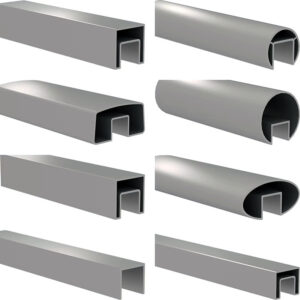
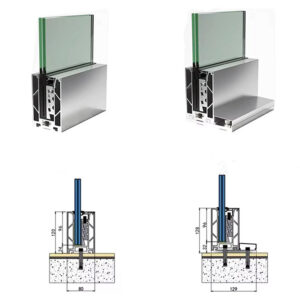
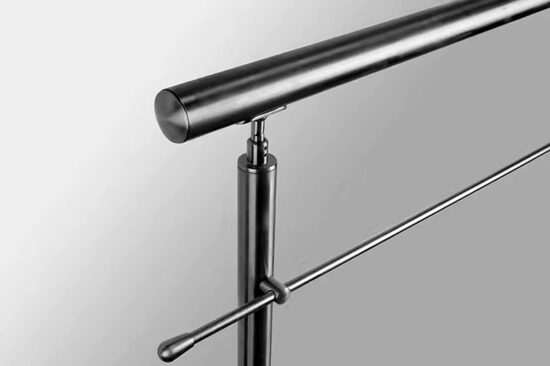
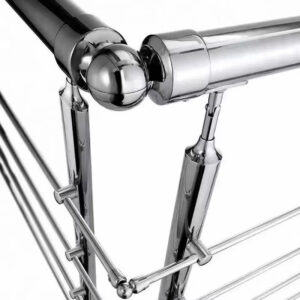
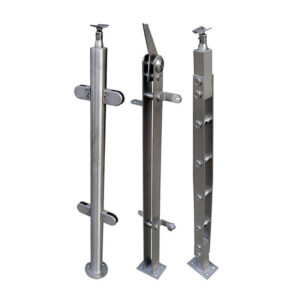
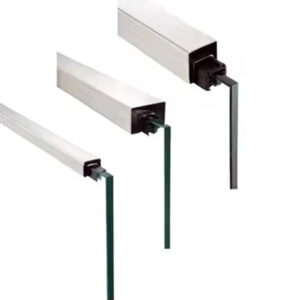
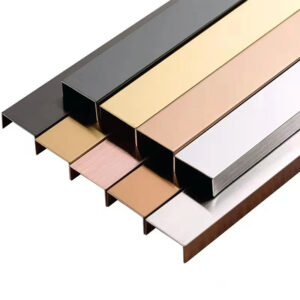
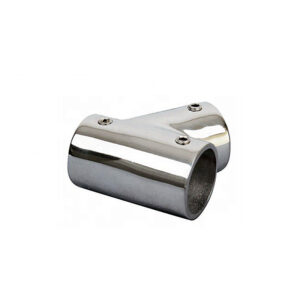
La mayoría de los errores en la preselección de proveedores en proyectos de barandillas no salen a la luz en la fase de presupuesto, sino el día de la entrega, cuando un acabado satinado que parecía aceptable en la fotografía del catálogo se ve de forma diferente en los componentes mixtos de tubos y chapas en la obra, o cuando los elementos de fijación especificados en la lista de materiales simplemente no están en la caja. Para entonces, el contratista se ve obligado a gestionar un rechazo in situ, un retraso en la entrega o un nuevo pedido que comprime el calendario de instalación por ambos extremos. La decisión que evita todo esto no consiste en encontrar el precio FOB más bajo o la gama de productos más amplia, sino en confirmar que el proceso de calidad, la capacidad de documentación y el control de acabados del proveedor se ajustan a lo que el proyecto realmente requiere antes de emitir una orden de compra. La lista de comprobación que figura a continuación está estructurada para ayudar a los contratistas, importadores e instaladores de barandillas a tomar esa decisión con las pruebas adecuadas en la mano.
La cualificación de los proveedores va más allá de la variedad del catálogo
Un catálogo amplio no es prueba de que se controle el proceso, y considerarlo como un indicador de cualificación es uno de los atajos más costosos en la adquisición de raíles. Un proveedor con cientos de referencias (SKU) y sin un sistema de gestión de la calidad documentado sigue siendo un proveedor sin un sistema de gestión de la calidad documentado. Lo que importa en la fase de cualificación es si el proveedor opera bajo un marco de procesos que reduzca la variabilidad de la producción, y si puede demostrarlo mediante documentación auditable, en lugar de una página de producto bien diseñada.
La norma ISO 9001:2015 es el punto de referencia que la mayoría de los equipos de compras reconocen en este ámbito. Su relevancia es específica: la norma describe los requisitos de un sistema de gestión de la calidad, no los requisitos de rendimiento de ningún producto de barandilla en concreto. El hecho de que un proveedor cuente con la certificación ISO 9001 indica que sus procesos de producción, inspección y medidas correctivas están documentados y sujetos a auditorías de terceros. No garantiza que ningún producto concreto cumpla con una capacidad de carga específica, unas especificaciones de acabado concretas o unas tolerancias dimensionales concretas. Considerar la certificación como sinónimo de conformidad del producto es un error de interpretación habitual que lleva a los contratistas a saltarse los pasos de verificación técnica que realmente importan en las fases posteriores del proceso.
La implicación práctica es la siguiente: la certificación ISO 9001 es un filtro útil para reducir el riesgo a nivel de procesos, pero debería situarse al principio de la lista de verificación de cualificación, no al final. Un proveedor que no pueda presentar certificados de fábrica cuando se le soliciten, que no mantenga registros de las inspecciones de los lotes acabados o cuyos plazos de entrega no estén respaldados por una planificación de producción documentada supone un riesgo en materia de aprovisionamiento y responsabilidad civil, independientemente de su estado de certificación. Por el contrario, la ausencia de una acreditación formal de calidad no supone automáticamente una descalificación, pero traslada al comprador la responsabilidad de verificar el control de los procesos por otros medios, y esa verificación requiere un tiempo que la mayoría de los calendarios de los proyectos no pueden permitirse.
Comprobaciones por parte del contratista y del importador para garantizar la compatibilidad de los tubos, los soportes y los acabados
La compatibilidad de los acabados es el ámbito en el que las suposiciones de las especificaciones suelen divergir con mayor frecuencia de lo que un proveedor puede ofrecer realmente. La discrepancia rara vez tiene que ver con la disponibilidad del producto, ya que la mayoría de los proveedores pueden describir sus opciones de acabado en un catálogo. La discrepancia radica en si el acabado satinado aplicado a los tubos extruidos coincidirá con el acabado satinado aplicado a un soporte de chapa metálica cuando ambos se instalen uno al lado del otro en la pared de una obra. Esa variación casi nunca se señala en la fase de presupuesto, pero es el motivo más habitual de rechazo de las muestras en la obra tras la entrega.
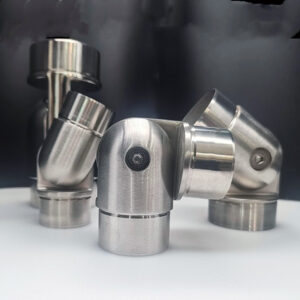
Esta distinción es importante porque el acabado satinado no es un proceso único. El acabado artesanal, aplicado a mano en el taller, y el acabado de chapas, aplicado a máquina, producen patrones de rayado direccionales diferentes, distintos niveles de brillo bajo la luz oblicua y texturas táctiles diferentes. Cuando los componentes de tubos y soportes proceden de la misma línea de producción y se fabrican con el mismo método, el resultado suele ser homogéneo. Sin embargo, cuando proceden de distintas fases de producción, o cuando un proveedor aplica el acabado manualmente a algunas piezas y mecánicamente a otras, el resultado puede variar lo suficiente como para provocar el rechazo del producto, especialmente en interiores comerciales, donde la uniformidad del acabado forma parte de las especificaciones arquitectónicas.
El granallado con perlas plantea un umbral más exigente. Como método de acabado, no es adecuado para sustratos de chapa de acero inoxidable, ya que el proceso puede deteriorar la superficie de formas que afectan tanto al aspecto como a la resistencia a la corrosión. Cualquier lista de materiales en la que se especifique el granallado como acabado para los componentes de chapa deberá corregirse, y si dicha corrección se produce después de que ya se haya seleccionado un proveedor y se hayan aprobado las muestras, habrá que reiniciar el proceso de aprobación. La consecuencia para los importadores que coordinan las listas de materiales de los contratistas con los catálogos de los proveedores es que la terminología relativa a los acabados debe conciliarse antes de realizar los pedidos de muestras, y no después.
La lista de comprobación de tres puntos, que abarca la uniformidad del acabado, la ausencia de restos de granallado y la calidad del material, debe confirmarse directamente con el proveedor antes de cerrar el presupuesto.
| Comprobar / Emitir | Por qué es importante | Aspectos que hay que aclarar con el proveedor |
|---|---|---|
| Uniformidad del acabado entre las piezas tubulares y las piezas laminadas | Una variación incontrolada del satén puede provocar el rechazo de la muestra del centro. | Confirmar el método de acabado (aplicación manual o en láminas) y el proceso de aprobación de muestras |
| Granallado con perlas de acero inoxidable en chapa | El granallado no es adecuado para chapas; no se cumplirán las especificaciones | Comprueba que no se utilice el granallado con perlas para los componentes laminados y que exista un acabado alternativo disponible |
| Calidad del material para proyectos al aire libre | El acero inoxidable que no sea del tipo 316 corre el riesgo de sufrir fallos por corrosión en exteriores | Se exigirán certificados de conformidad y de fábrica del grado AISI 316 para las barandillas de exterior. |
En cuanto al tipo de material: el acero inoxidable AISI 316 es la norma de referencia para barandillas en exteriores debido a su contenido en molibdeno y a su resistencia a la corrosión provocada por los cloruros. Especificar el 304 para una aplicación en exteriores en un entorno costero o húmedo supone un riesgo previsible para la durabilidad, y los certificados de fábrica son la única forma fiable de confirmar el tipo de acero; la garantía verbal de un proveedor o la indicación en un catálogo no constituyen pruebas suficientes para el expediente del proyecto.
Requisitos de las instalaciones comerciales que modifican las exigencias en materia de documentación
La carga administrativa que supone un proyecto de barandillas para uso comercial es cualitativamente diferente de la que requiere un proyecto residencial o comercial de menor envergadura, y modifica los criterios de cualificación de los proveedores de formas que es fácil subestimar hasta que se rechaza una propuesta o se paraliza una solicitud de crédito LEED.
Las instalaciones comerciales —especialmente aquellas que aspiran a la certificación LEED o que operan bajo requisitos de contratación pública institucional— suelen exigir documentación que va mucho más allá de las fichas técnicas de los productos. La documentación para obtener créditos LEED requiere registros de procedencia de los materiales, datos sobre el contenido reciclado y, en ocasiones, información sobre la fabricación regional. Los expedientes de presentación para proyectos arquitectónicos comerciales suelen exigir planos de taller revisados según especificaciones como la norma NAAMM AMP 521-01, que abarca los requisitos de diseño e instalación de sistemas de barandillas tubulares, o la norma NAAMM AMP 500-06, que trata sobre los acabados metálicos en aplicaciones arquitectónicas. Un proveedor que no pueda aportar documentación de este nivel no es necesariamente un mal fabricante, pero no resulta adecuado para la contratación de proyectos comerciales, independientemente de su precio unitario.
El punto conflictivo para los contratistas e importadores es que la capacidad de gestión de la documentación rara vez se da a conocer desde el principio. Los proveedores que respaldan la formación continua de la AIA y pueden proporcionar documentación estructurada para los créditos LEED han desarrollado esa capacidad de forma intencionada, lo que denota un nivel de experiencia en proyectos comerciales que va más allá del mero papeleo. Por lo general, significa que los procesos internos del proveedor —elaboración de planos de taller, flujos de trabajo para la aprobación de muestras, trazabilidad de los lotes de acabados— están alineados con el funcionamiento real de los proyectos comerciales. Los proveedores que carecen de esa infraestructura suelen poner de manifiesto las deficiencias en la documentación demasiado tarde, en una fase en la que el rechazo de una presentación retrasa un pago de la obra o un revisor de LEED solicita registros que el proveedor no puede aportar.
Para los contratistas que gestionan varios proyectos comerciales al mismo tiempo, esta asimetría se agrava rápidamente. Un proveedor que reduzca la carga administrativa en múltiples presentaciones tiene un valor superior a la diferencia en el precio unitario, sobre todo cuando la revisión de un expediente de presentación supone un mayor coste en tiempo de gestión del proyecto que el margen ahorrado en los precios FOB.
Problemas de comunicación en torno a las presentaciones, las muestras y el embalaje de los envíos
Es fácil subestimar el coste operativo que supone una comunicación deficiente entre el equipo de proyecto de un contratista y el personal técnico o de ventas de un proveedor, ya que tiende a acumularse en pequeños incrementos: una muestra que hay que volver a pedir porque no se había acordado la terminología relativa a los acabados, un proceso de presentación de documentación que tarda dos semanas en lugar de tres días, un envío que llega sin los herrajes de los soportes porque la lista de embalaje no se cotejó con la lista de materiales antes de su expedición.
Por separado, cada uno de estos puntos de fricción parece un inconveniente menor. Sin embargo, en conjunto, tienden a acortar el plazo de instalación, generan un margen de tiempo no previsto en el calendario y, en ocasiones, activan cláusulas de indemnización por incumplimiento en proyectos comerciales en los que el tiempo es un factor crítico. La cuestión relevante en la fase de calificación de proveedores no es si se producirán fricciones en la comunicación —porque se producirán—, sino si el proveedor ha estructurado sus recursos de apoyo para reducirlas de forma que se adapten a la manera en que trabajan realmente los equipos de proyecto.
Los tres mecanismos de apoyo que reducen de forma más sistemática las dificultades en la contratación de barandillas son: los recursos de documentación de instalación que facilitan la preparación de la documentación para la licitación; una vía directa para la carga de planos y la revisión técnica; y el acceso a representantes comerciales regionales con conocimientos de ingeniería, en lugar de a contactos comerciales que se limitan a tomar pedidos.
| Recursos de apoyo | Qué ofrece | Cómo reduce la fricción |
|---|---|---|
| El rincón del arquitecto | Vídeos de instalación, plantillas esquemáticas de piezas | Acelera la preparación de las presentaciones y mejora la precisión de los documentos |
| Servicio de diseño y fabricación de piezas a medida | Subida directa de dibujos y revisión personalizada | Reduce el vaivén gracias a la centralización de los comentarios sobre las muestras y los envíos |
| Representantes comerciales regionales | Asesoramiento técnico e información sobre productos | Acorta los ciclos de resolución de problemas gracias a la asistencia técnica directa |
El embalaje del envío merece una atención especial, ya que suele pasarse por alto hasta que se abre la caja. Los daños en el acabado durante el transporte —arañazos en el tubo satinado por una separación inadecuada, abolladuras en los componentes de la tapa de pared fina debido a un embalaje poco firme— dan lugar a un rechazo en planta que ninguna cantidad de buena documentación podrá resolver rápidamente. Las normas de embalaje de un proveedor deben verificarse antes del primer pedido, ya sea consultando a un contratista que haya recibido envíos suyos o solicitando fotografías de una caja de exportación embalada como parte del proceso de muestreo. Esto es especialmente importante para los importadores que gestionan transportes de larga distancia, en los que la reinspección a la llegada es la primera oportunidad de identificar los daños que se produjeron semanas antes.
En los proyectos en los que la complejidad de la presentación es elevada, recursos como el «Rincón del arquitecto», que incluye plantillas de piezas esquemáticas y vídeos de instalación, reducen considerablemente el tiempo de preparación de los expedientes de documentación. El Sistemas de barandillas inoxidables: Lo que los compradores deben confirmar entre la tolerancia de los tubos, la calidad del acabado y la compatibilidad de los conectores El artículo aborda con mayor detalle las tolerancias y las dimensiones de compatibilidad de los conectores relacionadas con este problema, por lo que conviene consultarlo antes de ultimar las especificaciones de presentación.
La decisión sobre la lista de preseleccionados se tomará una vez que se haya completado la presentación de la documentación técnica y de exportación
Cuando un proveedor llega a la fase de preselección, la evaluación ya ha descartado a los candidatos en función de la adecuación de la familia de productos, el control de calidad, la compatibilidad de los procesos de acabado y la capacidad de documentación. Lo que queda es una revisión final de los datos operativos y de exportación: los indicadores que permiten determinar si un proveedor es capaz de ejecutar el proyecto, y no solo de presentar un presupuesto preciso.
La diferencia entre un proveedor capaz de fabricar el producto adecuado y uno capaz de gestionar el proyecto en todas sus fases —desde el diseño detallado hasta la fabricación y la entrega— no siempre resulta evidente al examinar los catálogos y las certificaciones. Esta diferencia se hace patente en la documentación que aportan en la fase de preselección: si asignan un gestor de proyectos específico a los pedidos comerciales, si el plazo de entrega de los planos de taller se ajusta al calendario de presentación del proyecto y si su documentación de embalaje para la exportación —facturas comerciales, listas de embalaje, certificados de origen— está completa y es precisa sin necesidad de insistirles.
Un proveedor que cuente con una supervisión específica de la gestión de proyectos —que abarque el diseño detallado, la fabricación y la coordinación de la instalación— reduce el riesgo relacionado con los plazos del contrato que surge cuando las responsabilidades se reparten entre los distintos equipos internos del proveedor. Para los importadores que gestionan proyectos en múltiples zonas horarias, se trata de una consideración práctica: contar con un único interlocutor responsable que pueda realizar un seguimiento del estado de la producción, señalar posibles retrasos antes de que afecten al plazo de envío y confirmar que el embalaje se ajusta a la lista de materiales (BOM) resulta más valioso que un precio unitario más bajo que requiera tres interlocutores distintos para resolver una discrepancia.
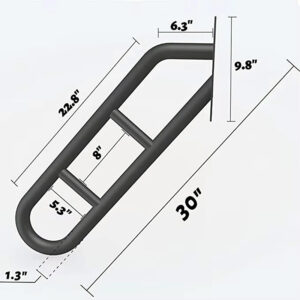
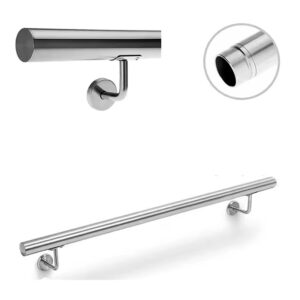
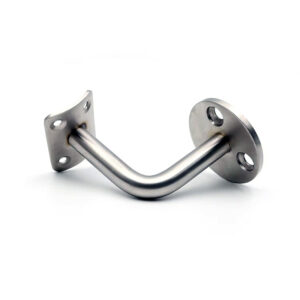
La revisión final de la lista de candidatos preseleccionados debe confirmar que el proveedor puede dar soporte tanto al sistema ferroviario en cuestión como a todo el proceso de documentación del proyecto, y no solo a uno de ellos. Un proveedor que destaque por su producto pero que presente carencias en la documentación puede ser adecuado para obras residenciales o comerciales sencillas, pero supone un riesgo de contratación en cualquier proyecto en el que el rechazo de la documentación presentada o las lagunas en la documentación LEED tengan consecuencias en los plazos o en las finanzas. Por el contrario, un proveedor con una sólida infraestructura de documentación pero con experiencia limitada en un sistema de producto específico — pasamanos de pared de acero inoxidable por ejemplo, para una instalación continua en la pared, o pasamanos de pared de alta resistencia en el caso de una escalera industrial para cargas pesadas, puede seguir existiendo un riesgo de fabricación que se manifieste en forma de inconsistencias dimensionales o errores en la distribución de la carga, difíciles de detectar antes de la instalación.
La lista de candidatos preseleccionados solo debería mantenerse si se confirman ambas dimensiones.
La conclusión más importante que se puede extraer de esta lista de comprobación es que los criterios de evaluación que permiten predecir el éxito de una relación de aprovisionamiento no son los mismos que aparecen en primer lugar en una comparación de proveedores. La amplitud del catálogo y el precio unitario FOB se aprecian desde el principio; en cambio, el control del proceso de acabado, la infraestructura de documentación y la disciplina en el embalaje de los envíos solo se aprecian cuando se solicitan pruebas directas de los mismos. Antes de tomar una decisión definitiva sobre el proveedor, confirma por escrito: qué método de acabado se utiliza para cada tipo de componente en el sistema especificado, si se dispone de certificados de fábrica para la calidad solicitada, cómo es el proceso de presentación de la documentación para cumplir los requisitos del proyecto y quién es el responsable de la gestión del proyecto desde la producción hasta la exportación. Si alguna de estas preguntas recibe una respuesta imprecisa o tardía, eso ya constituye en sí mismo un dato significativo sobre la contratación, y es mejor sacarlo a la luz antes de la adjudicación que después de la entrega.
Preguntas frecuentes
P: ¿Y si el proyecto es residencial en lugar de comercial? ¿Sigue siendo válida esta lista de comprobación?
R: La mayor parte es aplicable, pero el nivel de exigencia en materia de documentación es menor. Los proyectos residenciales rara vez requieren registros de créditos LEED, planos de taller referenciados por la NAAMM o paquetes de presentación de la AIA, por lo que un proveedor que no cuente con una infraestructura de documentación comercial no queda automáticamente descalificado. Los controles que siguen siendo plenamente relevantes independientemente del tipo de proyecto son el control del proceso de acabado, la verificación de la calidad mediante certificados de fábrica y las normas de embalaje de los envíos; estos aspectos afectan a la aceptación en obra y a la durabilidad en cualquier proyecto, no solo en los comerciales.
P: Una vez que un proveedor ha superado la lista de comprobación y se ha emitido una orden de compra, ¿qué debe hacerse antes de que salga el primer envío?
R: Solicita una fotografía previa al envío de una caja de exportación embalada y compara la lista de embalaje con la lista de materiales del proyecto antes de que se confirme el envío. Este es el último punto de control práctico para detectar la falta de elementos de fijación, cantidades incorrectas o una protección del acabado inadecuada antes de que se cierre la ventana de transporte. En el caso de las importaciones de larga distancia, los daños o la falta de componentes que se detecten a la llegada no pueden resolverse rápidamente, y los nuevos pedidos en esa fase reducirán el plazo de instalación en ambos sentidos.
P: ¿En qué momento un proveedor general de ferretería se convierte en una alternativa válida a un proveedor especializado en barandillas?
R: En proyectos en los que el sistema de barandillas utiliza perfiles estándar disponibles en el mercado, sin acabados de sustratos mixtos y sin requisitos de presentación comercial, un proveedor general de herrajes puede disponer de una gama de productos lo suficientemente amplia como para que resulte viable. El riesgo aumenta considerablemente cuando el proyecto combina componentes tubulares y de chapa en la misma especificación de acabado, requiere documentación de trazabilidad para la calidad del material o tiene un proceso de presentación vinculado a la revisión del arquitecto. En esas condiciones, las deficiencias en materia de compatibilidad y documentación que un proveedor general no suele poder subsanar se traducirán en costes para el proyecto, y no solo en inconvenientes.
P: ¿Merece la pena mantener en la lista de preseleccionados a un proveedor que no cuenta con la certificación ISO 9001 si sus muestras superan la inspección?
R: Es posible, pero solo si puedes verificar el control del proceso a través de una vía alternativa —normalmente, una comprobación de referencias con un contratista que haya recibido varios envíos, además de una revisión directa de cómo gestiona el proveedor los registros de los lotes finales y las medidas correctivas cuando un lote no supera la inspección—. Una muestra que supera la inspección confirma una sola tirada de producción; no confirma que el proceso del proveedor sea lo suficientemente estable como para reproducir ese resultado en todo un pedido de proyecto. Sin la certificación ISO 9001 o pruebas equivalentes, esa responsabilidad de verificación recae íntegramente en el comprador y requiere un tiempo que la mayoría de los calendarios de proyecto no tienen previsto.
P: ¿Cómo se debe decidir entre un precio FOB más bajo ofrecido por un proveedor general y un mayor apoyo en el proyecto por parte de un especialista?
R: Calcula la decisión a nivel de proyecto, no a nivel de unidad. Una diferencia de precio FOB menor se reduce rápidamente cuando el rechazo de una sola propuesta supone dos semanas de tiempo de gestión del proyecto, una discrepancia en el acabado requiere un nuevo muestreo o la falta de un elemento de fijación provoca un nuevo pedido que retrasa un pago de la obra. En proyectos sencillos, sin complejidad en las propuestas y con perfiles de producto estándar, la diferencia de precio puede estar justificada. En proyectos comerciales en los que las lagunas en la documentación tienen consecuencias en el calendario o en las finanzas, la ventaja del precio unitario de un proveedor general rara vez resiste el impacto de un único punto de fallo evitable.