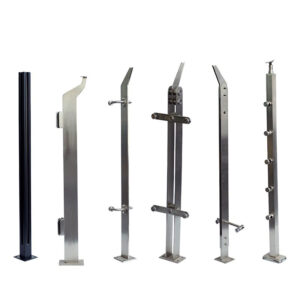
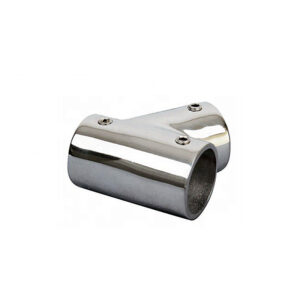
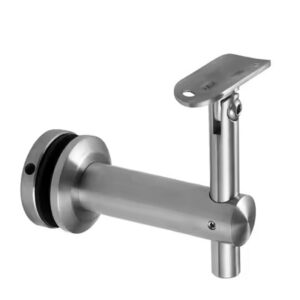
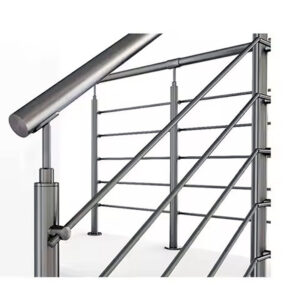
Especificar el acabado de los herrajes antes de decidir cómo se evacua el agua de un conjunto de balcón es uno de los errores de secuenciación más costosos en los trabajos de barandillas de cristal para exteriores. El patrón de fallo es siempre el mismo: en las primeras temporadas aparecen manchas y aflojamientos en la zapata base y en las zonas de anclaje, y para entonces las condiciones estructurales establecidas durante la construcción del armazón limitan las opciones sin tener que realizar importantes trabajos de reparación. Las decisiones sobre la calidad y el acabado, que parecen variables de coste, son, en el caso de la exposición exterior, en realidad umbrales de durabilidad; y la diferencia entre una especificación para interiores y una adecuada para exteriores suele costar menos inicialmente que el primer ciclo de mantenimiento no previsto. A continuación se ofrece un análisis detallado de las decisiones sobre los detalles que deben resolverse antes de seleccionar los herrajes, para que los compradores puedan evaluar mejor en qué aspectos su especificación actual puede estar dejando sobre la mesa un riesgo a largo plazo.
Circuitos de agua que deben diseñarse antes de seleccionar los componentes
La gestión del agua en un conjunto de barandilla exterior de cristal es un problema de secuenciación, no una característica del producto. Si no se definen las vías de drenaje antes de seleccionar los herrajes, estos a menudo no pueden adaptarse a ellas, y ajustar los detalles de drenaje tras la instalación se ve limitado por todas las decisiones estructurales y de impermeabilización ya tomadas. La consecuencia no es solo estética: la humedad atrapada alrededor de las zapatas de base y en el travesaño inferior acelera la corrosión de los elementos de fijación, provoca manchas en la superficie de la losa y, en climas fríos, genera cargas por congelación-descongelación que, poco a poco, aflojan los anclajes.
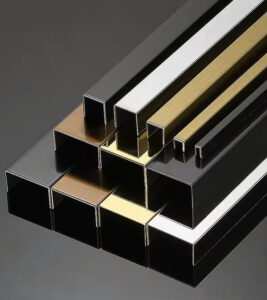
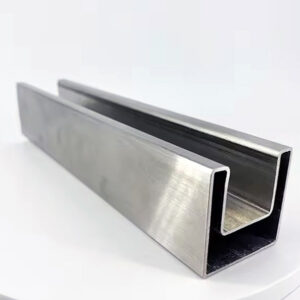
Los criterios específicos de planificación que deben abordarse en una fase temprana son más detallados que los conocimientos generales sobre drenaje. Por ejemplo, perfiles en U de acero inoxidable y en otros sistemas de zócalos, el drenaje integrado debe especificarse como parte de la selección inicial del producto, sin dar por sentado que se tratará de una adaptación in situ. En instalaciones en climas fríos, también es necesario revisar la geometría del riel inferior para comprobar su compatibilidad con la retirada de nieve, ya que la nieve acumulada contra un riel inferior que no ha sido diseñado para ello crea el mismo riesgo de acumulación de hielo y agua que un hueco de drenaje.
| Decisión de diseño | Riesgo potencial si no se aborda | Clima / Contexto del emplazamiento |
|---|---|---|
| Zócalo con sistema de drenaje de agua integrado, especificado desde el principio | Acumulación de humedad, manchas y corrosión acelerada | Todas las instalaciones exteriores |
| Riel inferior diseñado para facilitar la retirada de nieve | Acumulación de hielo y agua, daños por congelación y descongelación | Climas fríos con acumulación de nieve |
Omitir cualquiera de estos aspectos de la planificación no elimina la necesidad de un sistema de drenaje, sino que la aplaza hasta una fase del proyecto en la que la corrección resulta más costosa y menos completa. Los prescriptores que tratan el drenaje como una cuestión propia de la fase de instalación se encuentran constantemente con los mismos problemas: el agua se acumula donde el conjunto nunca fue diseñado para evacuarla, y los herrajes acaban soportando el coste de esa omisión con el paso del tiempo.
Exposición a la corrosión que modifica los requisitos de calidad y acabado
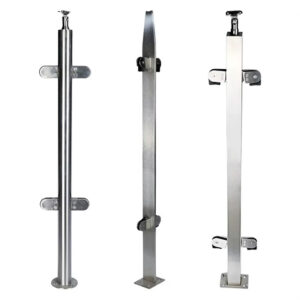
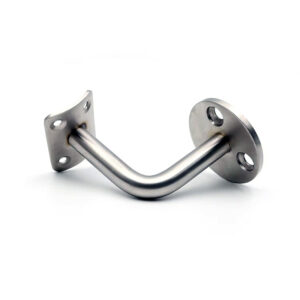
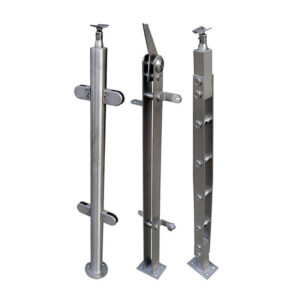
El grado del material no es una cuestión de estilo en las barandillas de cristal para exteriores, sino una decisión que afecta a su vida útil, y la diferencia entre lo aceptable y lo insuficiente es real. En los sistemas de montantes separados y en los soportes de montaje en superficie expuestos a la intemperie, el acero inoxidable de grado 316 es el estándar habitual para condiciones exteriores y costeras. No se trata de un mínimo normativo universal que se aplique de forma idéntica en todas las jurisdicciones, pero refleja el criterio consensuado de los profesionales sobre el punto a partir del cual los herrajes de grado 304 comienzan a mostrar una corrosión acelerada en entornos húmedos o marinos. La diferencia de coste entre los distintos grados es significativa a la hora de especificar el proyecto, y suele recuperarse durante el primer ciclo de vida útil que impone una especificación más ligera.
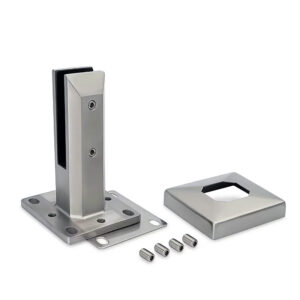
Para tomas de vidrio para montaje en superficie y en el caso de herrajes expuestos similares en entornos costeros o con alta humedad, los recubrimientos de alta calidad y los detalles en acero inoxidable prolongan la vida útil más allá de lo que ofrece la mera selección del grado. El riesgo subyacente al que se enfrentan es el contacto entre metales diferentes y la actividad galvánica a nivel superficial, condiciones que los recubrimientos de alta calidad pueden contrarrestar incluso cuando la selección del sustrato ya es adecuada. La norma ASTM E985-24, que abarca los sistemas de barandillas metálicas fijas y los pasamanos para edificios, proporciona un marco de referencia para comprender las expectativas en cuanto a calidades y acabados en aplicaciones de barandillas estructurales, aunque la especificación 316 en sí misma se deriva de la práctica en el uso de los materiales más que de lo que exige una única norma.
La elección del acabado complica la decisión sobre la clase de material de formas que es fácil subestimar. Los acabados con recubrimiento en polvo más oscuros y las texturas cepilladas, que quedan bien en las representaciones, a menudo ocultan la corrosión superficial inicial hasta que ha avanzado lo suficiente como para afectar al sustrato. Los compradores que eligen el acabado principalmente por su aspecto, sin comprobar cómo se comporta a lo largo de los ciclos de intemperie en su zona de exposición específica, están asumiendo un compromiso de mantenimiento a largo plazo que quizá no tenían previsto. La comprobación práctica consiste en confirmar que la elección del acabado se ha realizado teniendo en cuenta las condiciones de exposición, y no solo las preferencias de diseño.
Decisiones estéticas que ocultan riesgos a largo plazo para el exterior
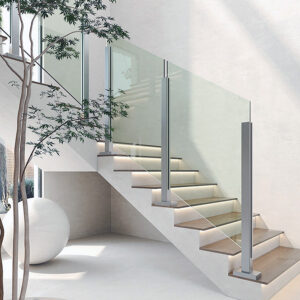
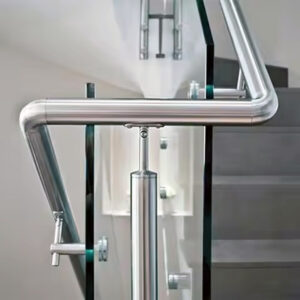
Los sistemas de barandillas de cristal sin marco, con pedestales de conexión y clips, diseñados sin travesaño superior, presentan un perfil visual limpio que resulta realmente difícil de conseguir con la construcción tradicional de postes y travesaños. Esa claridad visual es también donde las ambigüedades estructurales y de drenaje pueden permanecer ocultas durante más tiempo. La configuración de pedestales conectores distribuye la carga a través de los herrajes de cristal y los clips de una forma que permite cumplir los requisitos estructurales con una instalación sencilla, pero reduce el margen para los detalles sin resolver —y esos detalles a menudo no salen a la luz hasta que una revisión de la normativa o una inspección plantea una cuestión de cumplimiento.
El riesgo de fallo no radica en que los sistemas sin marco sean intrínsecamente defectuosos, sino en que su aspecto reduce de forma activa la presión visual para verificar las condiciones estructurales y de drenaje, que en un montaje convencional resultarían más evidentes si no estuvieran resueltas. Los compradores atraídos por la estética sin marco deben tener en cuenta que las autoridades competentes pueden exigir una documentación estructural más detallada para los sistemas de pedestales con conectores que para las configuraciones con riel superior, y deben verificar dicho requisito con las autoridades competentes antes de ultimar el pliego de condiciones, y no después de su presentación.
El problema se agrava porque, a menudo, se da por sentado que los detalles de drenaje en los sistemas sin marco se resuelven a nivel de la losa, en lugar de integrarse en el diseño del conjunto de herrajes. Cuando esa suposición no se verifica, el agua se acumula en los accesorios de la base, en una configuración que resulta más difícil de mantener que una zapata de base convencional con una vía de drenaje visible. El atractivo visual del sistema no altera el comportamiento físico del agua en la losa expuesta de un balcón, y las implicaciones que tiene un perfil exterior limpio para el acceso de mantenimiento pueden ser significativas cuando, en su momento, sea necesario retirar el cristal o inspeccionar los anclajes.
Zonas de anclaje que requieren un acceso al sistema de drenaje en buen estado
La zona de anclaje es donde convergen el drenaje y la facilidad de mantenimiento, y donde ambos problemas resultan más difíciles de corregir tras la instalación. Los compradores que revisen las especificaciones de una barandilla exterior de cristal deben considerar la disposición de los anclajes como una cuestión de diseño de drenaje, y no solo como una cuestión estructural. Las condiciones establecidas en esta fase —la configuración de los bloques, la separación entre los postes y el método de fijación— determinan si el agua podrá salir libremente por cada punto de anclaje y si el acceso para el mantenimiento a dichos puntos será viable cuando finalmente sea necesario.
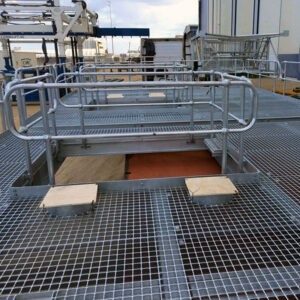
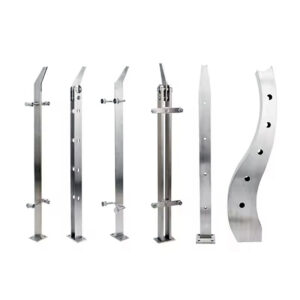
En el caso de los pedestales y los postes de montaje en superficie, el requisito estructural de utilizar un doble bloque de madera de 2×8 bajo el suelo para el revestimiento crea una situación que también puede retener agua si no se diseña teniendo en cuenta el drenaje. Los bloques que rellenan la cavidad alrededor de la base de un poste sin proporcionar una vía de evacuación del agua dejan la humedad en contacto directo con los elementos de fijación y los herrajes de anclaje —precisamente la condición que provoca el aflojamiento y la corrosión en climas húmedos—. La pregunta que hay que plantearse al revisar las especificaciones no es solo si los bloques cumplen el requisito estructural, sino si su disposición mantiene vías de evacuación del agua abiertas alrededor del anclaje.
| Detalles del ancla | Repercusiones en el drenaje | Qué verificar |
|---|---|---|
| Pedestales/postes de montaje en superficie con doble refuerzo de 2×8 | Las obstrucciones pueden retener agua y dificultar el acceso al servicio | Esa disposición de los bloqueos mantiene las vías de agua libres y no obstaculiza el drenaje alrededor de las anclas |
| Distancia máxima entre postes de 6 pies para los paneles de cristal | La distancia entre los postes determina dónde puede acumularse el agua | Que la disposición de los espacios evite los puntos bajos en los que se acumule el agua y permita un drenaje eficaz |
| Sistemas de separadores con fijación bidireccional para la alineación | Permite un control preciso de la posición de los anclajes, lo que mejora la gestión del agua y el acceso a los servicios | Que el sistema de fijación bidireccional permite el drenaje y facilita el mantenimiento en cada punto de anclaje |
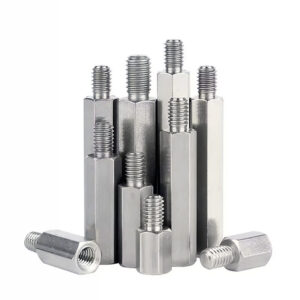
La separación entre montantes influye en este problema de una manera específica: a intervalos de 6 pies —lo que constituye una práctica habitual en la disposición de los paneles de vidrio—, las zonas de acumulación entre montantes son predecibles, y el diseño del drenaje debe tenerlas en cuenta de forma explícita. Los sistemas de separadores que utilizan fijación bidireccional para la alineación del vidrio ofrecen una mayor facilidad de mantenimiento a nivel de los anclajes, ya que la capacidad de ajuste que mejora la alineación también suele facilitar el acceso para la inspección y el mantenimiento del drenaje. Lo que los compradores deben comprobar en cada zona de anclaje no es solo si existe drenaje, sino si el acceso para el mantenimiento a ese punto de drenaje es viable dadas las condiciones estructurales determinadas por las decisiones ya tomadas sobre los bloques de apoyo y el espaciado.
Un nivel de exposición al desgaste que justifica unas especificaciones más exigentes para uso en exteriores
Una especificación exterior más resistente no siempre es la opción económica más obvia en la fase de adquisición, pero el argumento del coste del ciclo de vida resulta más sólido de lo que sugiere la comparación inicial. El patrón de costes recurrentes asociado a una especificación exterior ligera no consiste en un único fallo grave, sino en la acumulación de ciclos de mantenimiento que, considerados individualmente, parecen manejables hasta que se compara el coste acumulado del servicio con la inversión inicial que los habría evitado. El argumento a favor de optar por un estándar exterior más elevado se defiende mejor antes de la adquisición, utilizando las características que reducen la carga a largo plazo como compensaciones cuantificadas frente al sobrecoste inicial.
Los sistemas de sellado con esmalte húmedo, los recubrimientos hidrofóbicos para vidrio y los sistemas integrados de cuñas de seguridad contribuyen cada uno a esa compensación de diferentes maneras y en distintos momentos del ciclo de vida útil. No se trata de especificaciones obligatorias para exteriores, sino de compensaciones de ingeniería cuyo valor depende de cómo se vaya a mantener la instalación y de su accesibilidad para las tareas de mantenimiento. En el caso de instalaciones exteriores permanentes sometidas a condiciones de exposición exigentes, la reducción acumulada de la frecuencia de mantenimiento, el trabajo de limpieza y el tiempo de desmontaje del vidrio puede inclinar significativamente la balanza económica a favor de la especificación más exigente. La implicación práctica es que estas características deben evaluarse conjuntamente como un paquete de ciclo de vida, y no individualmente como mejoras opcionales.
| Característica | Prestación por manutención | Justificación de unas especificaciones más exigentes |
|---|---|---|
| Sistemas de sellado con esmalte húmedo | Mayor resistencia a la intemperie; mejor estanqueidad a largo plazo | Reduce la frecuencia de mantenimiento, lo que hace que el mayor coste inicial merezca la pena en el caso de las instalaciones permanentes |
| Paneles de cristal diseñados para facilitar su sustitución y reconfiguración | Menores costes de mantenimiento a largo plazo y menores gastos futuros de servicio | Unas especificaciones más exigentes pueden compensarse con unos costes de ciclo de vida más bajos |
| Recubrimientos hidrofóbicos | Reduce las manchas de agua y las huellas dactilares; disminuye la frecuencia de limpieza | Un menor trabajo de mantenimiento permite conservar el aspecto, lo que justifica la elección de este revestimiento. |
| Sistemas integrados de cuñas de seguridad | Instalación y desmontaje rápidos de los cristales; acceso más fácil para el mantenimiento | Simplifica las tareas de mantenimiento y reduce el tiempo de inactividad, lo que contribuye a unas especificaciones generales sólidas |
La posibilidad de sustituir y reconfigurar los cristales merece una atención especial en esta comparación, ya que influye en el coste de mantenimiento en el momento en que la intervención resulta más costosa: cuando es necesario retirar un panel dañado o corroído. Un sistema diseñado para facilitar la extracción del vidrio reduce el coste de mano de obra de esa intervención y limita el riesgo de daños colaterales en los herrajes adyacentes durante el mantenimiento. No se trata de una afirmación de que no requiera mantenimiento, sino de una compensación a lo largo del ciclo de vida que modifica el argumento económico a favor de la especificación más pesada, especialmente en instalaciones en las que el acceso para el mantenimiento está limitado por las condiciones de anclaje y bloqueo ya establecidas durante la construcción.
Para quienes estén evaluando las opciones de proveedores y productos en esta categoría, el marco de decisión en torno a la calidad, el acabado y las características del sistema se analiza con mayor detalle en esta reseña de Cómo evaluar a un proveedor de barandillas de acero inoxidable antes de realizar tu primer pedido al por mayor.
Las decisiones más importantes a la hora de especificar una barandilla de cristal para un balcón exterior se toman antes de seleccionar físicamente cualquier herraje: en la secuenciación del diseño del drenaje, la calidad de los materiales, la disposición de los anclajes y el acceso para el mantenimiento. Los compradores que consideran estas decisiones como meros detalles de la fase de instalación suelen descubrir el coste de ese aplazamiento en las primeras temporadas, cuando las manchas, el aflojamiento o una revisión de la normativa ponen de manifiesto problemas que no se resolvieron en la fase de especificación.
Antes de dar por definitiva cualquier especificación relativa a una barandilla exterior de cristal, conviene comprobar que las vías de drenaje queden claramente indicadas en los detalles de la zapata y la zona de anclaje, que la clase de material refleje las condiciones reales de exposición —y no las de referencia para interiores— y que las características de mantenimiento seleccionadas puedan aplicarse de forma realista, teniendo en cuenta las condiciones estructurales establecidas durante la construcción del armazón. Esas son las decisiones que determinan el rendimiento a largo plazo, y se resuelven de forma más eficaz antes de realizar el pedido de los herrajes, no después.
Preguntas frecuentes
P: ¿Se aplica esta guía de detalles si el sustrato del balcón es de estructura de madera en lugar de hormigón?
R: Sí, pero las condiciones de los bloques de apoyo y el drenaje se vuelven más críticas, no menos. Las estructuras de balcones con armazón de madera son más vulnerables a la retención de humedad en las zonas de anclaje que las losas de hormigón, lo que significa que el requisito de doble bloque de apoyo de 2×8 para los postes montados en superficie debe detallarse con vías de drenaje explícitas a su alrededor —no solo por la idoneidad estructural—. Se aplica la misma lógica de secuencia de drenaje, y la consecuencia de omitirla es un deterioro acelerado de la madera a nivel de la estructura, además de la corrosión de los herrajes.
P: Una vez confirmadas las vías de drenaje y la pendiente del terreno en el pliego de condiciones, ¿qué hay que revisar antes de presentar la solicitud de licencia?
R: El siguiente paso práctico consiste en verificar los requisitos de documentación estructural con la autoridad competente, especialmente en el caso de las configuraciones de pedestales con conectores sin marco. Las autoridades competentes exigen cada vez más cálculos estructurales explícitos para los sistemas sin barandilla superior, y descubrir ese requisito tras la presentación suele retrasar el proyecto y puede obligar a realizar cambios en los herrajes. Confirmar el alcance de la documentación antes de la presentación —y no en la fase de revisión— garantiza que las especificaciones se ajusten a lo que realmente se aprobará.
P: ¿En qué momento la proximidad a la costa hace que sea necesario cambiar los herrajes de la calidad 304 a la 316?
R: No existe un umbral de distancia único que se aplique de forma universal, pero el límite práctico es cualquier zona de exposición en la que sea previsible, a nivel de los elementos de fijación, el contacto con aire cargado de sal, salpicaduras habituales o agua estancada. Las instalaciones situadas a varias millas de la costa, o en la línea directa del viento marino predominante, muestran sistemáticamente una corrosión acelerada en los elementos de fijación y racores de grado 304. La prueba más útil consiste en determinar si la instalación estará sometida a ciclos de humedad prolongados, en lugar de a lluvias ocasionales: el contacto prolongado con la humedad es lo que desencadena la corrosión galvánica y por picaduras, a la que los herrajes de grado 316 están diseñados para resistir.
P: ¿Merece la pena el coste adicional de un sistema de sellado con acristalamiento en húmedo frente al método de acristalamiento en seco para un balcón exterior cubierto?
R: En el caso de un balcón verdaderamente cubierto con una exposición directa a la intemperie limitada, la diferencia de coste es menor, y el acristalamiento en seco puede ser suficiente si los detalles de drenaje y anclaje están bien resueltos. La ventaja del acristalamiento en húmedo es más pronunciada en condiciones sin cubierta o semi-expuestas, donde la lluvia impulsada por el viento entra en contacto regularmente con la interfaz entre el cristal y los herrajes. En una instalación cubierta, la variable más determinante suele ser el detalle de drenaje de la zapata base y la funcionalidad de los anclajes, más que el propio método de acristalamiento: especificar el acristalamiento en húmedo no compensará una zona de anclaje en la que se acumule agua.
P: ¿Se pueden instalar a posteriori los recubrimientos hidrofóbicos para cristal y los sistemas integrados de cuñas de seguridad en una barandilla exterior ya existente, o es necesario realizar una nueva instalación?
R: Los recubrimientos hidrofóbicos suelen poder aplicarse a los paneles de vidrio existentes como tratamiento in situ, aunque la calidad de la adhesión y la durabilidad varían según el producto y la preparación de la superficie. Sin embargo, los sistemas integrados de cuñas de seguridad son un elemento de herraje incorporado en el zócalo o en el conjunto del canal; no pueden añadirse a una instalación existente sin sustituir el zócalo. Si la facilidad para retirar el vidrio y la reducción de la mano de obra de mantenimiento forman parte del argumento del coste del ciclo de vida a favor de unas especificaciones más exigentes, esas características deben estar presentes en la selección original de los herrajes, y no considerarse mejoras disponibles una vez instalado el sistema.