غالبًا ما تنتهي عملية مقارنة عروض الأسعار لتركيب درابزين الشرفة بأن يكون لدى المقاول أو المشتري رقمان يبدوان مختلفين، لكنهما في الواقع لا يقيسان الشيء نفسه. والنتيجة المترتبة على هذا الخطأ في مرحلة المشروع ليست مجرد تعديل بسيط في بند من بنود العقد — بل هي دورة جديدة لإعداد عروض الأسعار بعد بدء التصنيع، أو تسليم نظام يفتقد الدرابزين، أو الزوايا، أو درجة التشطيب التي يتطلبها التصميم فعليًا. والحكم الذي يمنع حدوث هذه النتيجة لا يكمن في العثور على أقل سعر للمتر الواحد؛ بل في التأكد من أن كل عرض أسعار يصف نفس النطاق، ونفس التشطيب، ونفس الشكل الهندسي قبل قبول أي رقم كنقطة مقارنة صالحة. وما يلي يقدم للمشترين طريقة منظمة لإجراء هذه المقارنة بدقة.
حدود حزمة الدرابزين التي تحدد السعر الوحدوي
لا يُعد السعر للمتر الواحد للدرابزين المصنوع من الفولاذ المقاوم للصدأ رقمًا مفيدًا إلا إذا اتفق الطرفان على ما يشمله هذا المتر. يختلف تعريف الموردين لمحتويات الحزمة — فبعضهم يقدم عرض أسعار للمواد فقط، أي الأعمدة والقضيب العلوي والقضيب السفلي بمقاطع قياسية؛ بينما يضم آخرون الألواح المملوءة وأغطية الدرابزين ومعدات التثبيت في نفس البند. وبدون تأكيد نطاق العرض، لا يكون المشتري قادراً على مقارنة سعرين، بل يقارن بين منتجين مختلفين بنسبة غير محددة.
تُعد درجة جودة المادة هي المتغير الأول الذي يميز عروض الأسعار عن بعضها البعض بشكل غير ملحوظ. فالاختيار بين الفولاذ المقاوم للصدأ 304 و316 ليس مسألة تتعلق بالامتثال للمعايير العالمية — بل هو قرار شراء يعتمد على البيئة المحيطة. في المواقع الساحلية أو ذات الرطوبة العالية أو المعرضة للمواد الكيميائية، يجعل المحتوى الأعلى من الموليبدينوم في الفئة 316 منها الخيار الأكثر ملاءمة على مدار العمر التشغيلي. أما في التطبيقات الداخلية المحمية، فإن الفئة 304 تؤدي وظيفتها بشكل ملائم بتكلفة أقل. العرض السعري المحدد على أساس الفئة 304 والعرض السعري المحدد على أساس الفئة 316 ليسا قابلين للتبادل، والفارق بينهما ليس مجرد حيلة تفاوضية — بل يعكس فرقًا حقيقيًّا في مقاومة التآكل والمتانة على المدى الطويل. ويُعد التأكد من الفئة المحددة في كل عرض سعري قبل مقارنة الأرقام إجراءً أساسيًّا للتحقق من عملية الشراء.
تشير الأرقام التقديرية المستمدة من مصادر صناعية إلى أن سعر الدرابزين المصنوع من الفولاذ المقاوم للصدأ (المواد فقط) يبلغ حوالي $127 للمتر الطولي، في حين تقترب تكلفة أنظمة الدرابزين الزجاجية غير المؤطرة من $150 للمتر الطولي. يجب التعامل مع هذه الأرقام على أنها أرقام إرشادية لتقييم ما إذا كان عرض السعر المقدم من المورد يقع ضمن نطاق معقول، وليس كضمانات لأسعار السوق ككل أو معايير محددة بموجب اللوائح. وتكون هذه الأرقام مفيدة بشكل خاص في الكشف عن عروض الأسعار المنخفضة بشكل مثير للريبة — والتي غالبًا ما تشير إلى استبعاد الحشو أو التجهيزات أو التشطيبات من تعريف الحزمة.
يُشكل ارتفاع الدرابزين متغيرًا تكلفةً أقل وضوحًا. فالدرابزين الذي يبلغ ارتفاعه 42 بوصة لحافة الشرفة يتطلب مواد أكثر لكل متر طولي مقارنةً بدرابزين الدرج الذي يبلغ ارتفاعه 36 بوصة، كما أن الارتفاع المخصص يزيد من هذه التكلفة بشكل أكبر. كما يواجه المشترون الذين لديهم شرفات قصيرة مشكلة الحد الأدنى للطلب: فإذا كان الحد الأدنى للمورد هو خمسة أمتار وطول المشروع ثلاثة أمتار، فإن السعر للمتر الذي يتحمله المشتري يرتفع فعليًّا حتى لو لم يتغير سعر الوحدة. والتأكد من وجود حد أدنى للطلب، وكيفية تحديد الأسعار دون هذا الحد، يمنع حدوث مفاجآت عند استلام الفاتورة.
يجب تأكيد كل من هذه المتغيرات — درجة الانحدار، والحشو، والارتفاع، والكمية الدنيا — كتابةً قبل اعتبار السعر للمتر الواحد نهائيًّا.
| مكونات الحزمة | التأثير على سعر الوحدة | ما يجب التأكد منه في عرض الأسعار |
|---|---|---|
| درجة جودة المادة (304 مقابل 316) | علاوة مقاومة التآكل 316؛ تحقق مما إذا كان السعر يتناسب مع متطلبات البيئة | التأكد من درجة الفولاذ المقاوم للصدأ ومدى ملاءمته للموقع |
| نوع الحشو (المواد فقط مقابل الزجاج بدون إطار) | القيمة المرجعية: حوالي $127/م للفولاذ (المواد فقط)، وحوالي $150/م للزجاج بدون إطار؛ ويؤدي نوع الحشو إلى تغيير كبير في التكلفة | تأكد من نظام الحشو المستخدم وأي مواصفات خاصة بالزجاج |
| ارتفاع الدرابزين (36 بوصة مقابل 42 بوصة) | كلما زادت ارتفاع حاجز الأمان، زادت كمية المواد المطلوبة؛ وقد يتكلف حاجز الشرفة الذي يبلغ ارتفاعه 42 بوصة أكثر من الحاجز الذي يبلغ ارتفاعه 36 بوصة | حدد الارتفاع الدقيق المطلوب وفقًا للمعايير، وإذا كان مخصصًا |
| الحد الأدنى لكمية الطلب (على سبيل المثال، 5 أمتار) | قد تخضع المشاريع الصغيرة التي تقل عن الحد الأدنى لأسعار أعلى للمتر الواحد | اسأل عما إذا كان هناك حد أدنى للطلب وكيف يؤثر ذلك على الأسعار في حالة الطبعات الصغيرة |
غالبًا ما تغيب بنود الإنجاز والانتقال في عروض الأسعار المنخفضة
التشطيب هو المجال الذي تُخفى فيه التقديرات المنخفضة تكلفتها بشكل أكثر موثوقية. وينبغي التعامل مع السعر التنافسي للمتر الذي يُقدم دون مواصفات تشطيب محددة بوضوح على أنه عرض غير مكتمل، وليس عرضًا جذابًا. فغالبًا ما يلجأ الموردون الذين يتعرضون لضغوط على هوامش الربح إلى استخدام التشطيب بالفرشاة بدلاً من التشطيب المصقول المتوقع، أو يحذفون مواصفات التشطيب تمامًا ويحددون سعرًا منفصلاً للترقية عندما يطلب المشتري توضيحًا. وبحلول تلك المرحلة، يكون السعر الجذاب قد استوعب تكلفة إضافية تضيق الفجوة الأصلية — أو تلغيها تمامًا.
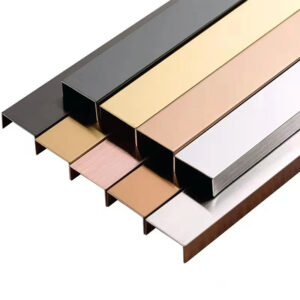
تختلف التكاليف بشكل ملحوظ بين الفئات الثلاث الشائعة للتشطيبات — المصقولة بالفرشاة، والمصقولة، والمطلية بالمسحوق. تتطلب التشطيبات المصقولة بالفرشاة إعدادًا إضافيًا للسطح وعناية خاصة أثناء النقل، وكلاهما يزيد من التكلفة في المراحل اللاحقة. أما التشطيبات المصقولة بالفرشاة، فهي أقل كثافة في العمالة من حيث الصيانة أثناء التصنيع والتعبئة. ويستلزم الطلاء بالمسحوق مسارًا مختلفًا في العملية، وهو أكثر شيوعًا في التطبيقات التي تتطلب مطابقة الألوان أو في التطبيقات المعمارية. ولا يمكن استبدال أي من هذه الأنواع بالأخرى بنفس السعر، ولا يمكن مقارنة عرض الأسعار الذي لا يحدد نوع التشطيب بشكل عادل مع عرض الأسعار الذي يحدده.
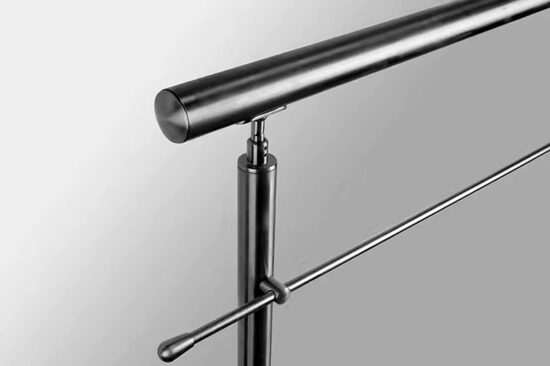
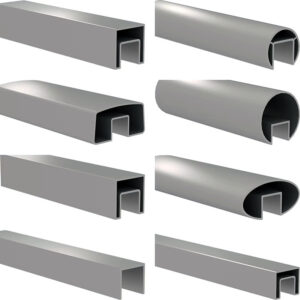
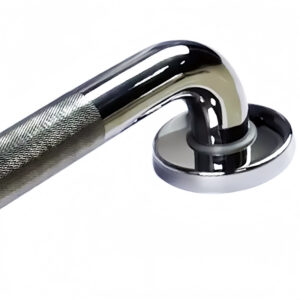
يُعد استبعاد الدرابزين من الإغفالات الشائعة الأخرى. فالدرابزين هو مكون مصنّع مستقل — وهو عنصر علوي متواصل أو مجزأ مصمم لتوفير الثبات، وغالبًا ما يكون له شكل مختلف عن القضيب العلوي الهيكلي. ويقدم بعض الموردين عروض أسعار لنظام الدرابزين الهيكلي، ويعاملون الدرابزين كبند منفصل أو خيار إضافي. بينما يقوم آخرون بتضمينه في العرض. وعند مقارنة سعرين للمتر الواحد، أحدهما يشمل الدرابزين والآخر لا يشمله، فإن السعر الأقل ليس أرخص في الواقع — بل هو عرض غير مكتمل. ولا تظهر الفروق إلا عندما يطلب المشتري نطاقًا كاملاً، وعندها غالبًا ما يتم تعديل سعر العرض الأرخص في الأصل ليصبح أعلى من السعر الذي بدا أنه يتفوق عليه.
| عنصر غالبًا ما يكون مفقودًا أو تم تخفيض درجته | المخاطر في حالة عدم معالجتها | ما الذي يجب توضيحه |
|---|---|---|
| مواصفات التشطيب (مصقول بالفرشاة، مصقول، مطلي بالمسحوق) | قد تؤدي الأسعار المنخفضة إلى استخدام تشطيب أرخص بشكل افتراضي؛ وتظهر تكاليف الترقية لاحقًا | ما هو نوع التشطيب المتوفر؟ هل هو مصقول بالفرشاة أم مصقول أم مطلي بالمسحوق؟ تأكد من عدم وجود أي تكلفة إضافية على التشطيب المطلوب |
| تضمين الدرابزين | قد لا يتضمن عرض الأسعار الدرابزين كعنصر منفصل، مما يؤدي إلى خفض سعر المتر بشكل مصطنع | هل يشمل عرض الأسعار درابزينًا؟ يرجى توضيح ما إذا كانت تكلفة الدرابزين مشمولة في السعر للمتر الواحد |
والطريقة العملية للتحقق من ذلك بسيطة: قبل الموافقة على أي سعر للمتر الواحد، تأكد كتابةً مما إذا كان عرض الأسعار يشمل درابزينًا، وما هي فئة التشطيب التي تم تحديد السعر على أساسها. فهذان العنصران يمثلان نسبة غير متناسبة من المفاجآت المتعلقة بالتكاليف التي تظهر بعد الموافقة.
التغيرات في التكاليف بين المسارات المستقيمة مقابل هندسة الشرفات المعقدة
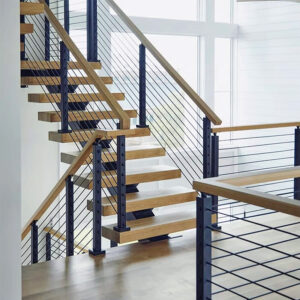
إن تطبيق سعر ثابت للمتر الواحد بشكل موحد على مشروع ذي هندسة متنوعة يُعد خطأً في المقارنة، وليس تبسيطًا في التسعير. فأسعار مقاطع السلالم، وحواف الشرفات ذات الأجزاء المنحنية، والمسارات المستقيمة على مستوى السطح تختلف عن بعضها البعض حتى عند استخدام نفس طراز الدرابزين في جميع أنحاء المشروع — لأن مدخلات التصنيع، واستخدام المواد، وتعقيد التركيب ليست متماثلة.
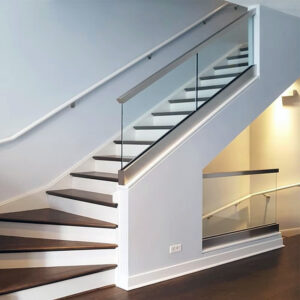
في أقسام السلالم، تؤدي زاوية مسار الدرابزين إلى هدر في الزجاج في الأنظمة الزجاجية غير المؤطرة. فالألواح المقطوعة بزاوية مائلة تنتج قصاصات لا يمكن إعادة استخدامها، ويتم احتساب هذا الهدر ضمن تكلفة تلك الألواح — مما يرفع السعر الفعلي للوحدة بالنسبة لهندسة السلالم مقارنةً بالمسار المستوي. وهذه تكلفة عملية، وليست رسماً إضافياً يفرضه المورد وفقاً لتقديره، ولا تظهر كبند واضح في الفاتورة ما لم يسأل المشتري صراحةً عن كيفية تسعير هياكل السلالم.
تشكل حواف الشرفات عاملاً مختلفاً يؤثر على التكلفة: فارتفاع الدرابزين المطلوب عادةً ما يكون أكبر من الارتفاع المستخدم على سطح الشرفة أو في تطبيقات السلالم. فالدرابزين الخاص بالشرفة الذي يبلغ ارتفاعه 42 بوصة يستهلك مواد أكثر لكل متر مقارنةً بدرابزين الشرفة الذي يبلغ ارتفاعه 36 بوصة. وبصرف النظر عن الارتفاع، قد تتطلب ظروف التركيب على حافة الشرفة تكوينات مختلفة للدعامات أو طرق تثبيت مختلفة عن تلك المستخدمة على سطح الشرفة القياسي، مما يؤثر على كل من تكلفة المواد وتكلفة العمالة اللازمة للتركيب. ومن المرجح أن يتطلب عرض الأسعار الذي يفترض تركيبًا بسيطًا على سطح الشرفة، ثم يُطبق على تركيب حافة الشرفة، مراجعة الأسعار عند مراجعة ظروف التركيب الفعلية.
| تطبيقات الدرابزين | المتغيرات الرئيسية للتكلفة | ما الذي يجب التحقق منه في عرض الأسعار |
|---|---|---|
| درابزين الدرج | هدر الزجاج عند القطع بزاوية؛ قد يتطلب استخدام دعامات خاصة؛ تكلفة أعلى للوحدة مقارنة بدرابزين السطح المستقيم | تأكد من مراعاة هندسة الدرج؛ وتحقق من وجود أي رسوم إضافية على الفائض |
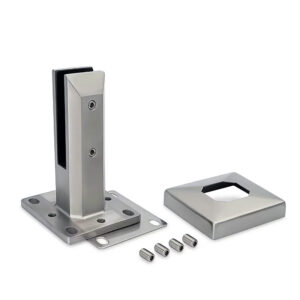
| درابزين الشرفة | يختلف ارتفاع الحاجز المطلوب (غالبًا 42 بوصة) باختلاف نوع السطح؛ وقد يتطلب التثبيت على الشرفة حاجزًا أعلى أو حوامل محددة | تحقق من مواصفات ارتفاع الشرفة؛ واسأل عما إذا كان التثبيت على الشرفة سيؤدي إلى تغيير طريقة التثبيت أو تكلفة الحامل |
| درابزين السطح (على السطح) | الارتفاع الأقل (36 بوصة عادةً) يقلل من كمية المواد المستخدمة؛ كما يسهل تركيبه على سطح السطح | يرجى التأكد من سطح التثبيت والارتفاع المفترضين لتجنب أي رسوم إضافية غير متوقعة تتعلق بتكييف الموقع |
تتمثل النتيجة المترتبة على تطبيق سعر موحد على جميع الأشكال الهندسية في ظهور فجوة في نطاق العمل أثناء التصنيع أو التركيب — فإما أن يقوم المصنِّع بإنتاج مكونات بأحجام تناسب الشكل الهندسي الأبسط، أو تظهر تكاليف إضافية عند التركيب عندما لا تتطابق ظروف الموقع مع الافتراضات الواردة في عرض الأسعار. ومطابقة الافتراضات الهندسية الواردة في عرض الأسعار مع التصميم الفعلي للشرفة قبل التسليم هي الإجراء الذي يمنع حدوث ذلك.
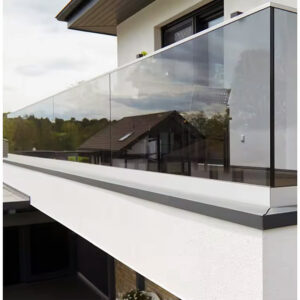
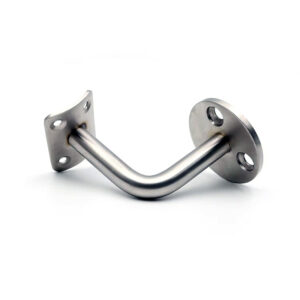
بالنسبة لاستخدامات الشرفات على وجه التحديد،, أنظمة درابزين الشرفات 316 معالجة متطلبات مقاومة التآكل والارتفاع الشائعة في حواف الشرفات المكشوفة، وتُعتبر مواصفات الدعامات الخاصة بتلك الأنظمة مدخلاً مباشرًا في حساب تكلفة التصميم الهندسي.
حماية الشحن التي تؤدي إلى ارتفاع تكلفة التسليم
تتطلب مكونات الدرابزين الطويلة — لا سيما الأجزاء المصقولة — تغليفًا يضيف وزنًا وحجمًا حقيقيين إلى الشحنة. ولا تُعدّ أغلفة القطن اللؤلؤي، والعلب الكرتونية، والطبقات الخارجية للأكياس المنسوجة، والصناديق الخشبية الخياريات القابلة للتبادل بنفس التكلفة: فكل منها يضيف خصائص مختلفة من حيث الوزن الحجمي والحماية. فالمورد الذي يحدد سعر شحن قطعة سكة علوية طويلة مصقولة بناءً على افتراض استخدام تغليف خفيف الوزن سيحصل على تكلفة تسليم تختلف عن الفاتورة الفعلية بمجرد تطبيق التغليف الفعلي.
هذه ليست صدمة تكلفة عامة، لكنها عامل مؤثر في التكلفة يتجاهله المشترون باستمرار في مرحلة عرض الأسعار. يُظهر عرض الأسعار سعر المواد وأحيانًا تقديرًا لتكاليف الشحن. ما لا يظهره هو كيفية تأثير طريقة التغليف على حسابات الوزن الحجمي التي تستخدمها شركات الشحن — حيث قد تكلف شحنة مبطنة بشكل خفيف ولكنها ضخمة الحجم أكثر من شحنة أكثر كثافة وحماية أفضل في مساحة أصغر. بالنسبة للأجزاء الطويلة المصقولة، فإن التغليف الوقائي متعدد الطبقات ليس اختيارياً؛ حيث يؤدي تلف السطح أثناء النقل إلى تكاليف ضمان أو استبدال تتجاوز التوفير الناتج عن التغليف.
التأثير العملي محدود لكنه محدد: عند مقارنة عروض الأسعار المقدمة لمكونات الدرابزين المصقولة أو ذات المقطع الطويل، اسأل المورد عن طريقة التعبئة المستخدمة، وعما إذا كانت تكلفة الشحن تُحسب بناءً على الأبعاد الفعلية للعبوة أم على وزن المواد فقط. غالبًا ما يكون الفرق ضئيلًا بدرجة كافية بحيث يمكن تجاهله دون قلق. أما في الطلبات ذات الجودة العالية والكميات الكبيرة، فقد يؤدي هذا الفرق إلى تغيير التكلفة الإجمالية للتسليم بدرجة كافية لتغيير العرض الذي يعتبر أرخص فعليًّا. ومن الجدير طرح سؤال مباشر حول هذا الأمر، خاصةً عندما تظهر تكلفة الشحن كمبلغ إجمالي دون تفصيل.
نطاق الخدمة المقدم الذي يضمن الحصول على أفضل سعر
السعر الأفضل في عملية شراء الدرابزين ليس هو الرقم الأقل — بل هو العرض الذي يتطابق نطاقه الإجمالي المُقدَّم، بما في ذلك المواد والتشطيب والتكوين الهندسي والتعبئة والعمالة، بشكل أوثق مع متطلبات المشروع الفعلية. ولا يمكن إجراء هذه المقارنة إلا عندما يكون النطاق ثابتًا في جميع العروض، وهو ما نادرًا ما يحدث ما لم يحدده المشتري صراحةً قبل طلب عروض الأسعار.
تعد تكلفة التركيب المتغير الأخير الذي غالبًا ما يشوه المقارنة بين عروض الأسعار. فلا يمكن مقارنة عرض السعر الذي يشمل المواد فقط بعرض السعر الشامل للتركيب، حتى لو كان السعر للمتر الواحد متماثلاً تقريبًا — حيث يتضمن عرض السعر الشامل للتركيب تكلفة اليد العاملة التي سيدفعها المشتري الذي يقتني المواد فقط بشكل منفصل. بالنسبة لأنظمة الدرابزين المصنوعة من الفولاذ المقاوم للصدأ، عادةً ما يكون التركيب الاحترافي مطلوبًا: فطرق التثبيت ومواصفات عزم الدوران وتفاوتات المحاذاة المعنية لا تتناسب جيدًا مع التجميع الميداني غير الماهر، على عكس بعض أنظمة الألومنيوم التي تسمح بأساليب التركيب الذاتي. إن المشتري الذي يقارن عرض أسعار المواد فقط من الفولاذ المقاوم للصدأ بعرض أسعار التثبيت من أحد المنافسين دون تعديل تكلفة العمالة، فإنه يقلل من التكلفة الحقيقية للخيار الأول بمقدار هامش التثبيت الكامل. تتراوح الأرقام الإرشادية في الصناعة لحواجز الكابلات المُركبة بين $90 و$150 تقريبًا لكل قدم طولي كاختبار معقولية للتكلفة الإجمالية — استخدم هذا النطاق لتقييم ما إذا كان عرض السعر الشامل للتركيب معقولًا، وليس كسعر سوقي ثابت.
| بند النطاق | معيار التكلفة النموذجي | ما يجب التأكد منه لإجراء مقارنة عادلة |
|---|---|---|
| حزمة المواد | $127/م (مواد فولاذية فقط)، $150/م (زجاج بدون إطار) | هل يشمل عرض السعر الحشو، والدرابزين، والتركيبات؟ قارن بين تعريفات الحزم المتطابقة |
| عمالة التركيب | $90–$150/القدم الطولي المُركَّب (درابزين كابلي)؛ تتطلب الأنظمة الفولاذية تركيبًا احترافيًّا | تأكد مما إذا كان التركيب مشمولاً؛ وإذا لم يكن كذلك، فقم بإضافة تقدير تكلفة اليد العاملة بشكل منفصل وتأكد من أنه من المتوقع إجراء تركيب احترافي |
| مدى ملاءمة طريقة التركيب | عادةً ما يتم تركيب الفولاذ بواسطة متخصصين؛ أما الألومنيوم فيسمح بالتركيب الذاتي أو بواسطة متخصصين | تحقق مما إذا كان العمل اليدوي (DIY) مناسبًا للنظام؛ فإذا كان النظام مصنوعًا من الفولاذ، فيجب أخذ تكلفة العمالة المتخصصة الإلزامية في الحسبان ضمن التكلفة الإجمالية |
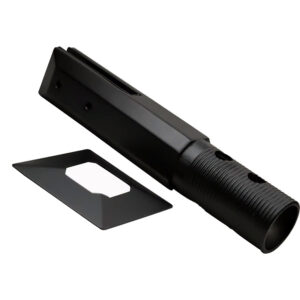
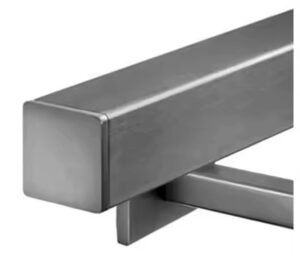
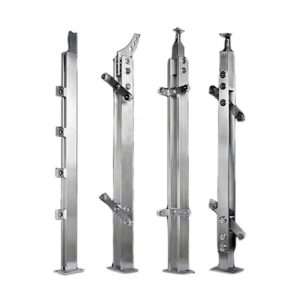
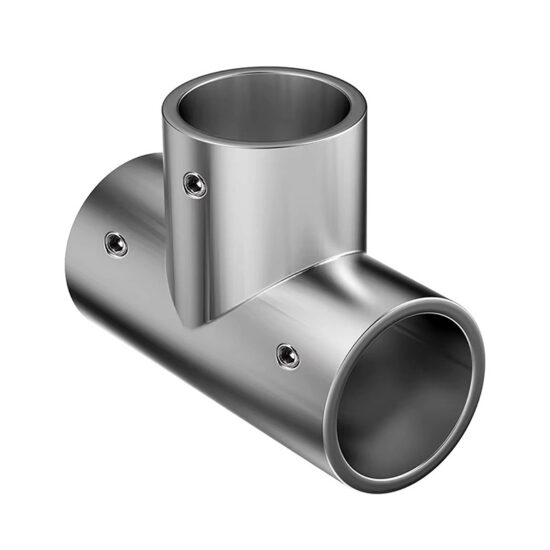
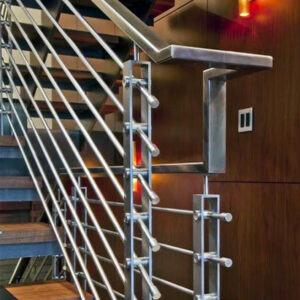
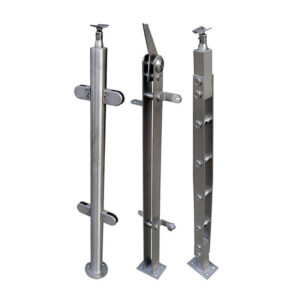
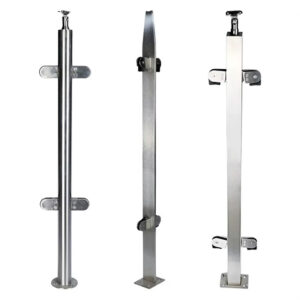
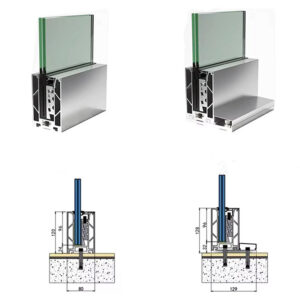
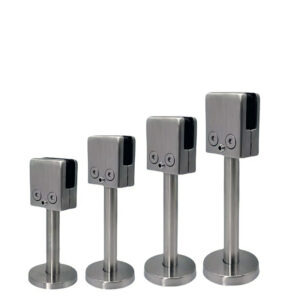
بالنسبة للمشاريع التي تم فيها تحديد مواصفات العمود مسبقًا، فإن التأكد من الشكل الهندسي للعمود في مرحلة مبكرة يمنع إجراء تعديلات على نطاق العمل في مراحل لاحقة. أعمدة مستطيلة من الفولاذ المقاوم للصدأ تمثل إحدى تكوينات الأعمدة التي تؤثر على كل من طريقة تثبيت الدعامات وخصائص النظام الإجمالية — وهي عوامل تؤثر بشكل مباشر على تكلفة النطاق المقدم.
تتطلب المقارنة التي تحدد السعر الأفضل أن تكون جميع عناصر نطاق العمل مرئية في الوقت نفسه: تعريف حزمة المواد، وفئة التشطيب، وتضمين الدرابزين، والتسعير الخاص بالهندسة، وطريقة التعبئة، وافتراضات العمالة. وأي عرض أسعار يترك أحد هذه العناصر غير محدد لا يُعد سعرًا كاملاً — بل هو رقم جزئي ينتظر تصحيحات ستصل لاحقًا، وعادةً في مرحلة أقل ملاءمة من المشروع.
قبل قبول سعر المتر من أي مورد، يجب التحقق فورًا مما إذا كان عرض الأسعار يحدد نفس النطاق في كل مستوى: الدرجة، والحشو، والارتفاع، والتشطيب، والدرابزين، والتكوين الهندسي، وأساس الشحن، ومسؤولية التركيب. قد يبدو عرض الأسعار الذي يغفل اثنين أو ثلاثة من هذه المتغيرات تنافسيًّا، لكنه سيتطلب إعادة تسعير بمجرد سد الثغرات — وغالبًا ما تؤدي إعادة التسعير إلى ارتفاع السعر. المشتري الذي يحدد النطاق كتابةً قبل طلب عروض الأسعار، ويحرص على أن تلتزم كل استجابة بهذا التعريف، هو الذي يمكنه إجراء مقارنة موثوقة للتكاليف. أما الباقون، فيقارنون أرقامًا جزئية ولا يكتشفون السعر الكامل إلا بعد الالتزام.
الأسئلة الشائعة
س: هل تظل النصيحة الواردة هنا سارية إذا كان من المقرر تركيب درابزين الشرفة في الداخل أو في مكان محمي تمامًا؟
ج: نعم، لكن اختيار درجة المادة يتغير. في الأماكن الداخلية المحمية التي لا تتعرض للرطوبة أو الملح أو المواد الكيميائية، يُعد الفولاذ المقاوم للصدأ 304 خيارًا مقبولًا، ولا تبرر البيئة الزيادة في السعر المضمنة في سعر الفولاذ 316 بسبب مقاومة التآكل. تنطبق قواعد مقارنة النطاق — التي تتضمن التأكد من التشطيب، وتضمين الدرابزين، وتكوين الشكل الهندسي، وأساس الشحن — بشكل متساوٍ بغض النظر عن الموقع. ما يتغير هو أن استبدال الدرجة من 316 إلى 304 يصبح وسيلة مشروعة لخفض التكلفة بدلاً من أن يكون تنازلاً عن الجودة، لذا يجب على المشترين في الأماكن المحمية التأكد من الدرجة المستخدمة في كل عرض أسعار وعدم افتراض أن العرض الأقل سعراً قد أجرى استبدالاً يثير مشاكل.
س: بعد التأكد من أن عرض الأسعار يمثل مقارنة عادلة من حيث النطاق، ما الذي ينبغي على المشتري فعله قبل تقديم الطلب؟
ج: احصل على تعريف النطاق الكامل كتابةً في شكل وثيقة مواصفات مؤكدة، وليس مجرد قائمة أسعار بالبنود. وهذا يعني أن المورد يقر رسميًا بالدرجة، وفئة التشطيب، وتضمين الدرابزين، وارتفاع الدرابزين، والتكوين الهندسي (الدرج مقابل حافة الشرفة مقابل المسار المستقيم)، وطريقة التعبئة والتغليف، وما إذا كان التركيب مشمولًا أم مستبعدًا. يصبح هذا المستند هو المرجع في حالة نشوء نزاع بعد تقديم الطلب بشأن المكونات المفقودة أو تحسينات التشطيب. وبدونه، فإن نطاق العمل المتفق عليه شفهياً لا يكون له شكل قابل للتنفيذ بمجرد بدء التصنيع.
س: عند أي حجم للمشروع تتوقف مشكلة الحد الأدنى لكمية الطلب عن كونها عاملاً مهماً في التكلفة؟
ج: بمجرد أن يتجاوز حجم المشروع الحد الأدنى المحدد من قبل المورد — والذي يبلغ عادةً حوالي خمسة أمتار طولية — تختفي رسوم الكمية الدنيا، ويصبح السعر للمتر الواحد يعكس السعر الفعلي للوحدة. أما إذا كان حجم الطلب أقل من هذا الحد، فإن المشتري يكون في الواقع يدعم السعة غير المستغلة في عملية الإنتاج لدى المورد، مما يرفع التكلفة الحقيقية للمتر الواحد حتى لو بدا سعر الوحدة المُقدَّر دون تغيير. بالنسبة لعمليات الإنتاج القصيرة جدًّا التي تتراوح بين مترين وأربعة أمتار، يجب على المشترين أن يسألوا مباشرةً عما إذا كان السعر المعروض يعكس بالفعل تعديل الكمية الدنيا، أم أن هذا التعديل سيظهر بشكل منفصل عند إصدار الفاتورة.
س: هل يعتبر الفولاذ المقاوم للصدأ المصقول دائمًا الخيار الأغلى من حيث التشطيب مقارنةً بالطلاء بالمسحوق، أم أن ذلك يعتمد على المشروع؟
ج: هذا يعتمد على الاستخدام. تتطلب التشطيبات المصقولة مزيدًا من العمل في تحضير السطح وتحتاج إلى تغليف وقائي إضافي أثناء النقل، مما يرفع تكلفة الإنتاج والتسليم على حد سواء. أما الطلاء بالمسحوق فيتطلب مسارًا عمليةً منفصلاً — التحضير بالسفع الرملي، والطلاء التمهيدي، والطلاء النهائي — وبالنسبة للمشاريع المعمارية التي تتطلب مطابقة الألوان أو التي تتضمن دفعات كبيرة، قد تكون تكلفة هذه العملية تنافسية أو حتى تتجاوز أسعار التشطيبات المصقولة، اعتمادًا على مواصفات الطلاء. هذه المقارنة ليست ثابتة؛ فهي تتغير حسب حجم الدفعة، وتعقيد الألوان، وقدرة المورد على الطلاء داخليًّا مقابل الاستعانة بمصادر خارجية. يجب على المشترين طلب أسعار محددة لكل نوع من التشطيبات لكلا الخيارين بدلاً من افتراض أن أحدهما أرخص بشكل قاطع.
س: إذا كان لمشروع ما ميزانية محددة لكل متر طولي، فهل من الواقعي الالتزام بهذه الميزانية مع الاستمرار في تلبية متطلبات ارتفاع درابزين الشرفة ومتطلبات مقاومة التآكل؟
ج: يعتمد ذلك على ما إذا كانت الميزانية قد تم تحديدها بناءً على نطاق عمل كامل أم على أساس مرجعي مقتصر على المواد فقط. فالميزانية المحددة للمتر الواحد التي تم تحديدها مقارنةً بأرقام المواد فقط لن تكفي لتغطية تكاليف درابزين بارتفاع 42 بوصة، ومواد من الدرجة 316، وتشطيب مصقول، ودرابزين يدوي، والتركيب الاحترافي دون إجراء تعديل. والطريقة الواقعية للتحقق من ذلك هي تحديد سعر كل عنصر مطلوب في نطاق العمل على حدة — الفئة الممتازة، وزيادة الارتفاع، وفئة التشطيب، والدرابزين، والعمالة — وجمعها مقابل الميزانية قبل اعتبار الهدف قابلاً للتحقيق. وإذا تجاوز المجموع الميزانية، فإن نقطة التعديل عادةً ما تكون فئة التشطيب أو مواصفات الحشو، وليس الدرجة أو ارتفاع الحاجز الواقي، اللذين غالبًا ما يتم تحديدهما وفقًا للبيئة واللوائح بدلاً من التفضيلات الشخصية.