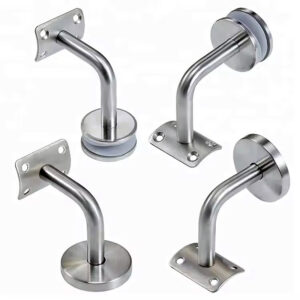
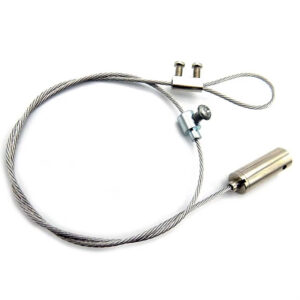
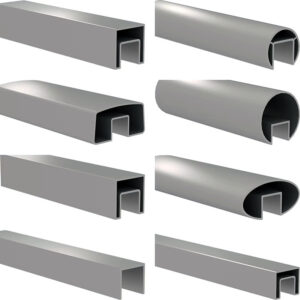
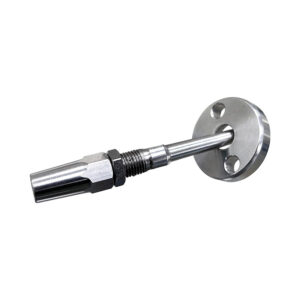
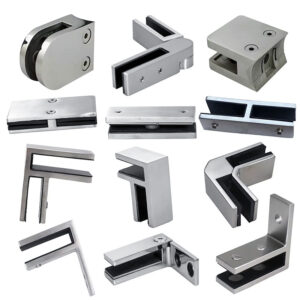
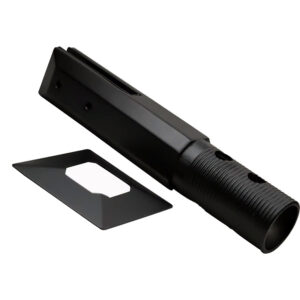
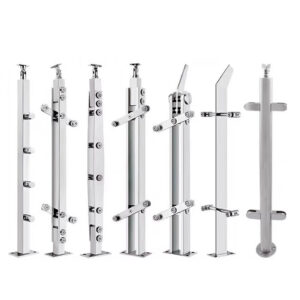
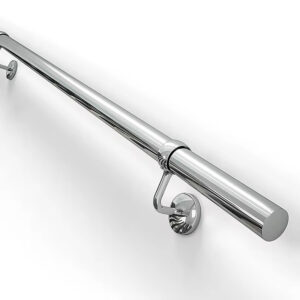
Изменение выбора системы после заливки плиты является одной из самых затратных стадий в проекте по установке балюстрады — приходится переделывать схемы расположения анкеров, перепечатывать чертежи для изготовления, а в некоторых случаях положение стоек физически невозможно сдвинуть в соответствии с новой концепцией замены. Причина почти всегда одна и та же: визуальные предпочтения были определены до того, как кто-либо уточнил, какую нагрузку выдержит край плиты, каков будет вес заполняющих панелей или как подрядчик сможет заменить поврежденный участок через два года после сдачи объекта. Именно эти три фактора — несущая способность анкеров, вес заполняющих элементов и доступ для замены — превращают желаемый внешний вид в систему, пригодную для реализации. Ознакомление с приведёнными ниже разделами поможет вам оценить, действительно ли рассматриваемая система соответствует условиям вашего проекта или же в ней заложены противоречия, которые проявятся позже и повлекут за собой дополнительные затраты.
Условия проекта, которые с самого начала ограничивают выбор балюстрад
Решение зафиксировать концепцию балюстрады на раннем этапе является правильным; именно из-за закрепления неверной концепции проекты приносят убытки. Три проектных условия позволяют надежно отделить жизнеспособные варианты от тех, которые впоследствии потребуют изменений на системном уровне: насколько открытый вид требуется согласно техническому заданию, какая степень ограждения необходима для удобства пользователей и насколько местоположение подвержено ветровой нагрузке или воздействию погодных условий.
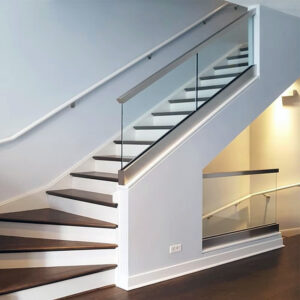
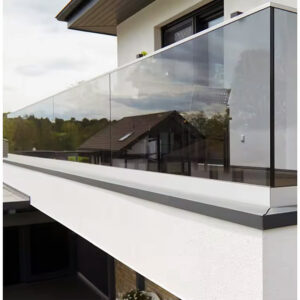
В случаях, когда сохранение обзора является основным требованием, безрамное остекление — это вариант, который с наибольшей вероятностью позволит удовлетворить его без необходимости перепроектирования впоследствии. Загораживание линий обзора горизонтальными перекладинами или сплошными панелями, как правило, вынуждает возвращаться к процессу пересмотра проекта после того, как заказчик заселится в помещение, а такое перепроектирование обходится гораздо дороже, чем выбор подходящей системы на этапе разработки технического задания. С другой стороны, когда главным условием является обеспечение конфиденциальности или защита от ветра — как это часто бывает на верхних этажах жилых небоскребов или прибрежных коммерческих зданий — конструкция из сплошных стен с закрытой алюминиевой облицовкой обеспечивает структурную защиту, которую системы с открытыми рамами не могут обеспечить без дополнительных модификаций. Системы из перфорированных панелей занимают разумную промежуточную позицию: они фильтруют свет и ветер, не блокируя их полностью, что делает их подходящими для проектов, где полное остекление создавало бы ощущение стеснения, а полностью открытое стекло поставило бы под угрозу конфиденциальность.
Каждый из этих пунктов представляет собой фильтр, определяющий условия проекта, а не обязательное требование нормативов. Правильный подход к их использованию заключается в том, чтобы применять их на ранних этапах — проверять систему-кандидата на соответствие требованиям к обзору, ограждению и защите от воздействий ещё до начала работ по закреплению и изготовлению.
| Тип балюстрады | Когда выбирать | Ключевое преимущество | Избеженный риск |
|---|---|---|---|
| Стеклянные конструкции без рамы | Сохранение обзора является основным требованием | Незаслоненный обзор и минималистичный внешний вид | Исключает возможность поздних изменений в системе из-за заблокированных представлений |
| Перфорированная панель | Необходим визуальный экран, обладающий декоративной привлекательностью | Конфиденциальность без полного затенения и без ограничения обзора | Позволяет избежать повторной работы из-за недооценки объема работ по отбору |
| Сплошная стена с алюминиевой облицовкой | Обеспечение большей конфиденциальности или защиты от ветра имеет решающее значение | Закрытая конструкция обеспечивает максимальную защиту | Позволяет избежать повторной работы, связанной с утечкой информации или нарушением конфиденциальности |
Ошибка на этом этапе обходится не только в денежном выражении из-за необходимости перепроектирования, но и в виде потери времени в рамках программы. Изменение системы после утверждения предварительного проекта, как правило, влечет за собой одновременную переработку чертежей по всем пакетам — конструктивному, архитектурному и фасадному. Применение фильтра условий на начальном этапе сводит этот риск к одной контрольной точке, которая наступает до того, как любой из этих пакетов будет утвержден.
Распространенные ошибки при выборе, приводящие к необходимости доработки анкерных элементов и заполняющих конструкций
Большинство конфликтов, связанных с анкерами и заполняющими элементами, возникают не на этапе изготовления. Их истоки лежат на этапе выбора, когда заказчики оценивают систему по внешнему виду, а не по конструктивным и практическим параметрам, которые определяют, возможна ли реализация данной концепции на конкретной плите.
Схема повторяется: стеклянная балюстрада или система декоративных панелей выбирается, поскольку она соответствует визуальной концепции проекта. Глубина закрепления анкерных элементов считается достаточной. Вес заполняющих элементов на погонный метр не сверяется с несущей способностью каркаса и анкеров. Возможность доступа для замены вообще не учитывается. Ни один из этих моментов не воспринимается как ошибка на ранних этапах проектирования, поскольку последствия остаются незаметными до тех пор, пока не начнется изготовление или условия на строительной площадке не опровергнут исходные предположения. На этом этапе исправление обходится дорого: может потребоваться переустановка анкеров, увеличение сечения стоек или изменение всей концепции заполнения, поскольку панели невозможно будет демонтировать для будущего технического обслуживания без разборки окружающей конструкции.
Повреждения сосредоточены на границе соприкосновения анкера и заполняющих панелей, поскольку именно в этом месте нагрузки от заполняющих панелей передаются на несущую конструкцию здания. Анкер недостаточного размера или неправильно расположенный не только создает риск несоответствия нормативным требованиям — он также приводит к возникновению проблемы при модернизации, которую зачастую сложнее решить, чем при первоначальной установке, поскольку окружающий бетон или основание уже были повреждены. Проверка состояния края плиты, несущей способности анкера и веса заполняющих панелей перед выбором системы не является излишней осторожностью; это минимальный набор данных, необходимый для того, чтобы не принять решение в пользу концепции, которую конструкция не сможет выдержать.
| Ошибка при выборе | Последствия в случае отсутствия контроля | Что следует уточнить на раннем этапе |
|---|---|---|
| Предпочтение внешнего вида перед конструктивной осуществимостью | Недостаточная глубина закрепления была обнаружена слишком поздно, что вынудило переделать конструкцию | Состояние края плиты и требования к креплению перед выбором типа конструкции |
| Недооценка веса заполнителя | Недостаточные по размеру анкеры и опоры, что создает риск выхода из строя или необходимости дорогостоящей модернизации | Масса заполнителя на погонный метр и несущая способность пути нагрузки |
| Пренебрежение практической стороной замены | Панели невозможно заменить без использования строительных лесов или значительного демонтажа | Как крепятся панели и как к ним обеспечен доступ для последующего технического обслуживания |
Вопрос о практичности замены часто откладывается покупателями на последнее место, поскольку он воспринимается скорее как проблема технического обслуживания, а не как вопрос закупки. На практике, если панели закреплены таким образом, что для замены одной поврежденной секции требуется доступ с помощью строительных лесов или значительный демонтаж, это скажется как на бюджете технического обслуживания, так и на вероятности своевременного ремонта — что, в свою очередь, повлияет на состояние всей системы на протяжении всего срока ее эксплуатации.
Компромиссы между металлическими системами и балюстрадами из смешанных материалов
Выбор между полностью металлической конструкцией и конструкцией из смешанных материалов — как правило, каркасом из стоек и перекладин, в который устанавливаются стеклянные или панельные заполнения — представляет собой реальный компромисс, а не иерархию качества. Каждый из этих подходов сопряжён с различной нагрузкой на координацию работ, и правильный выбор зависит от того, какую нагрузку проект способен лучше выдержать.
Цельнометаллические системы, в том числе конструкции из столбов и перил из нержавеющей стали, обеспечивают более строгий контроль за процессом изготовления, поскольку все компоненты относятся к одной и той же группе материалов. Допуски более предсказуемы, путь передачи нагрузки более четкий, а количество стыков, где на месте монтажа требуется согласовывать соединение разнородных материалов, сокращается. Стандарт ASTM E985-24 устанавливает рамки испытаний для постоянных металлических перильных систем, что означает, что металлические системы работают в пределах определённых базовых эксплуатационных характеристик — это является практическим преимуществом, когда проверка конструкции или инспекция являются частью процесса реализации проекта.
Системы из комбинированных материалов расширяют возможности в плане внешнего вида, и во многих коммерческих и жилых проектах именно эта гибкость является основным требованием. Стеклянные заполнения в каркасе из нержавеющей стали создают визуальный эффект, который невозможно воспроизвести с помощью полностью металлической системы с сплошными заполняющими панелями. Ценой этого является сложность соединений: каждое соединение между стеклянной или панельной заполняющей частью и металлической рамой представляет собой точку координации, в которой должны совпадать допуски на размеры, характеристики герметика и положение анкеров. Когда геометрия фасада изменяется на позднем этапе — а это часто происходит — именно в этих местах соединений в первую очередь возникают конфликты, поскольку размеры заполняющих элементов фиксируются на этапе изготовления и не могут легко адаптироваться к изменению положения анкеров после того, как отверстия для их установки уже просверлены.
| Фактор | Цельнометаллическая система | Система из смешанных материалов |
|---|---|---|
| Контроль производства | Проще, меньше компонентов, проще контролировать качество | Требуется использование различных материалов и более тесная координация |
| Координационная работа | Меньше; меньшее количество торговых интерфейсов | Большее количество; дополнительные места соединения заполняющих элементов с каркасом |
| Гибкость в оформлении | Только для металлических отделок и профилей | С стеклянными или панельными вставками |
| Потенциал конфликта с якорем | Меньше; меньше изменений в макете, обусловленных интерфейсом | Большее количество интерфейсов может нарушить расположение анкоров |
С точки зрения закупок это означает, что для проектов с использованием смешанных материалов необходимо подтвердить и зафиксировать геометрию фасада до начала изготовления, а не только перед монтажом. Если на этапе размещения заказа на систему все еще существует вероятность внесения изменений в фасад, полностью металлическая система может стать вариантом с меньшим риском для данного этапа проекта, даже если в конечном итоге визуально предпочтительным является дизайн со смешанными материалами — при том понимании, что детальная согласования стыков стекла или панелей может быть проведена после окончательного утверждения геометрии. Для проектов, в которых балконная балюстрада Конфигурация дорабатывается одновременно с разработкой конструктивных чертежей, и именно своевременная согласования этих взаимосвязей позволяет соблюсти сроки изготовления.
Конфликты геометрии фасада, нарушающие расстояние между столбами
Расстояние между стойками — один из немногих параметров балюстрады, который трудно скорректировать после того, как просверлены отверстия для анкеров и отдан заказ на изготовление. Это делает данный параметр чрезвычайно чувствительным к поздним изменениям геометрии фасада, а подобные проблемы возникают достаточно часто, поэтому их следует рассматривать как риск на этапе планирования, а не как маловероятное событие.
Основная механика процесса проста. Расположение стоек определяется сочетанием требований к структурной нагрузке, несущей способности системы поручней и заполнителей, а также любого регулярного ритма размеров, требуемого архитектурной планировкой. После подтверждения этих позиций они лежат в основе как производственных чертежей — в которых устанавливаются длины компонентов, расположение отверстий и схемы резки поручней, — так и схемы расположения анкеров, определяющей места сверления в перекрытии или фасадной облицовке. Изменение геометрии фасада, приводящее к смещению оконной косячной рамы, изменению формы парапетного выступа или корректировке отступа края плиты даже на небольшую величину, может сделать одно или несколько положений стоек физически невозможными, привести к конфликту с существующим проходом или нарушить регулярный модуль, в результате чего на части пролета потребуются нестандартные заполняющие панели.
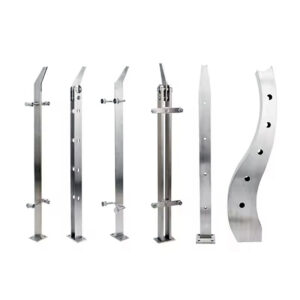
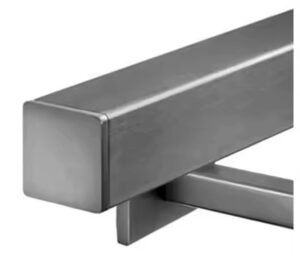
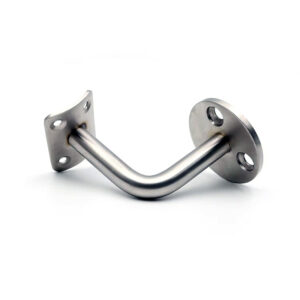
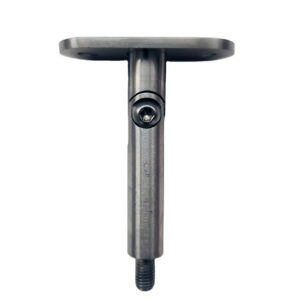
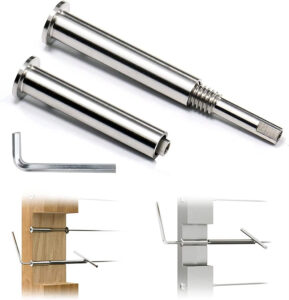
Последствием столь позднего обнаружения является не просто одна поправка в чертеже. Это целая цепочка последствий: необходимо пересмотреть схему расположения анкеров, а в некоторых местах, возможно, заново просверлить отверстия; производственные чертежи должны быть переизданы с учетом новых положений стоек; любые заполняющие панели, вырезанные в соответствии с предыдущим модулем, возможно, придется изготовить заново. На больших балконах такое переиздание чертежей может затронуть все компоненты от одного конца до другого, если смещение модуля не ограничивается одним пролетом. Прямоугольные стойки из нержавеющей стали Элементы со стандартными соединениями с опорной плитой проще перемещать, чем сварные или монолитные детали, однако даже в случае поверхностного монтажа существует предел, за которым перемещение становится небесплатным.
Практическая проверка заключается в том, чтобы перед утверждением производственных чертежей сверить геометрию фасада с данными модуля расчета расстояний между стойками, а также заложить в график «точку заморозки», после которой изменения геометрии больше не будут учитываться без официального распоряжения об изменении. Проекты, в которых это рассматривается как договорной этап, а не как неформальное соглашение, как правило, избегают каскадного эффекта, поскольку затраты, связанные с поздним изменением геометрии, становятся очевидными для всех сторон до того, как оно произойдет, а не незаметно поглощаются за счет доработок.
Сочетание поддержки и траектории нагрузки, определяющее окончательное направление
Система, которая работает исправно в день установки, но требует непропорционально больших затрат на техническое обслуживание в течение всего срока службы, является успехом на этапе реализации проекта, но создает проблему с точки зрения затрат на весь срок службы. При принятии окончательного решения о выборе системы нагрузка на техническое обслуживание и непрерывность траектории нагрузки должны рассматриваться в качестве критериев подтверждения, а не как второстепенные факторы.
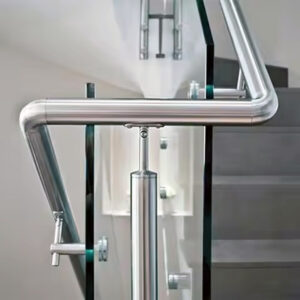
Перила из нержавеющей стали — это практичное решение для проектов, в которых доступ для технического обслуживания ограничен или где здание будет постоянно заселено на протяжении всего срока эксплуатации. Этот материал устойчив к коррозии в самых разных погодных условиях и не требует поверхностной обработки, которую необходимо периодически обновлять. При использовании на балконах зданий, расположенных в прибрежных районах или в местах с высокой влажностью, эта долговечность важна не только с точки зрения внешнего вида, но и с точки зрения конструктивной целостности — опора перил, подвергшаяся коррозии в месте крепления к основанию, может внешне выглядеть как надежное соединение, хотя на самом деле она утратила значительную часть своей несущей способности.
Непрерывность пути передачи нагрузки — это конструктивный аспект, который необходимо учитывать еще на этапе выбора. Стандарт OSHA 1910.29 устанавливает требования к конструктивной целостности и защите от падения для систем перил, и хотя он непосредственно применяется к производственным условиям, лежащий в его основе принцип — согласно которому путь передачи нагрузки от верхней перекладины до анкерного крепления должен оставаться неповрежденным и поддаваться проверке на протяжении всего срока службы системы — является разумным ориентиром при проектировании любых балюстрад, рассчитанных на нагрузки от людей. Конструкция системы, в которой предусмотрены недоступные соединения, используются компоненты, вмонтированные за облицовкой без возможности доступа для осмотра, или применяются разнородные материалы в местах соединений, подверженных дифференциальным тепловым деформациям, может пройти первоначальную проверку, но со временем прийти в негодность. Решение о выборе системы должно гарантировать не только правильность пути передачи нагрузки на момент монтажа, но и возможность его осмотра и технического обслуживания в течение всего срока эксплуатации.
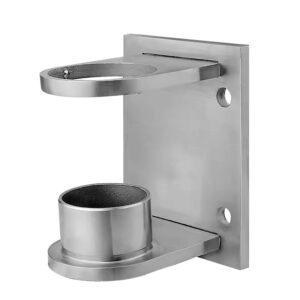
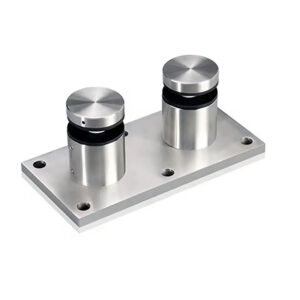
Где опорные плиты для поверхностного монтажа используются в качестве метода крепления, соединение между стойкой и плитой остается над готовой поверхностью — а это означает, что его можно осмотреть визуально без демонтажа облицовки или герметизирующего слоя. Такая доступность является практическим преимуществом при техническом обслуживании, особенно в зданиях, где сроки проведения технического обслуживания ограничены или где управляющая компания не привлекает специализированных подрядчиков. Это не избавляет от необходимости правильно рассчитывать несущую способность опорной плиты с учётом нагрузок от стойки и заполняющих элементов, но означает, что любое ухудшение состояния, скорее всего, будет обнаружено до того, как оно приведёт к разрушению конструкции, а не после.
Окончательный выбор системы балюстрад становится обоснованным только после последовательного подтверждения четырёх условий: в рамках проекта были отсеяны системы, не соответствующие требованиям к обзору, экранированию или воздействию внешних факторов; несущая способность анкеров и вес заполняющих элементов были проверены на соответствие допустимой нагрузке на перекрытие; модуль расстояния между стойками зафиксирован с учётом подтверждённой геометрии фасада; а доступ для технического обслуживания и непрерывность пути передачи нагрузки были проверены с учётом фактического режима эксплуатации и управления зданием. Пропуск или отсрочка любого из этих контрольных этапов не устраняет лежащий в основе конфликт — он просто переносит его на более поздний этап проекта, где его устранение обойдется дороже.
Для заказчиков, размещающих оптовые заказы или координирующих изготовление конструкций для большого участка балконов, наиболее ценной проверкой является та, которая проводится до выпуска производственных чертежей: необходимо убедиться, что требования к анкеровке выбранной системы, вес заполнителей и модуль расстояния между стойками полностью совместимы с актуальными конструктивными и фасадными чертежами, а не с чертежами, датированными двумя неделями ранее. Именно эта единственная проверка, проводимая систематически, позволяет отличить системы, которые монтируются без проблем, от тех, которые приводят к появлению заказов на доработку.
Часто задаваемые вопросы
Вопрос: Что произойдет, если на момент выбора системы условия на краю плиты неизвестны?
A: Не следует приступать к монтажу системы до тех пор, пока структурная оценка не подтвердит несущую способность анкеров. Неизвестное состояние края плиты не является основанием для действий на основе предположений — это наиболее частая причина необходимости переделки анкеров, поскольку вес заполняющих элементов и нагрузки на стойки невозможно проверить в отношении основания, характеристики которого не установлены. Закажите обследование края плиты до окончательной доработки системы и рассматривайте его результаты как обязательное условие для утверждения чертежей изготовления, а не как параллельную деятельность.
Вопрос: В какой момент проектирование балюстрады из смешанных материалов перестает оправдывать затраты на координацию работ?
A: Когда геометрия фасада на момент размещения заказа на изготовление ещё может измениться. Системы из смешанных материалов — в частности, стеклянные заполняющие элементы на металлических каркасах — требуют окончательно зафиксированной геометрии, поскольку заполняющие панели вырезаются по фиксированным размерам и не могут адаптироваться к изменениям положения после сверления. Если на момент размещения заказа конструктивные или фасадные чертежи еще не утверждены, сложности координации при реализации системы из смешанных материалов становятся препятствием для выполнения проекта, чего позволяет избежать полностью металлическая конструкция, даже если дизайн из смешанных материалов остается предпочтительным с визуальной точки зрения для более позднего этапа.
Вопрос: Будут ли балюстрады из нержавеющей стали нормально функционировать в прибрежных условиях или в условиях повышенной влажности без дополнительной обработки поверхности?
A: Да, в большинстве прибрежных зон и в условиях высокой влажности нержавеющая сталь устойчива к коррозии без необходимости планового обновления поверхностной обработки. Практическая проблема заключается не в ухудшении внешнего вида, а в сохранности целостности конструкции в местах соединений — базовые фитинги и анкерные соединения, подверженные воздействию соленого воздуха, должны быть изготовлены из материала соответствующего класса и оставаться доступными для осмотра на протяжении всего срока службы. Соединение с помощью монтажной пластины, устанавливаемой на поверхности, обеспечивает такой доступ для осмотра без демонтажа облицовки, что является значимым преимуществом в постоянно заселенных зданиях, расположенных в прибрежных районах.
Вопрос: Соответствует ли система балюстрад балкона требованиям по защите от падения, если она прошла первоначальный осмотр, но в ней используются недоступные для осмотра соединения?
A: Первоначальное соответствие требованиям не гарантирует сохранения конструктивной целостности в дальнейшем, если соединения невозможно осматривать или обслуживать. Статья OSHA 1910.29 устанавливает, что путь передачи нагрузки от верхней рейки до анкера должен оставаться конструктивно надежным на протяжении всего срока службы — а не только на момент сдачи объекта. Соединения, скрытые за облицовкой или подверженные дифференциальным тепловым деформациям между разнородными материалами, могут изнашиваться без видимых признаков. Указание в технических условиях деталей соединений, поддающихся осмотру, таких как открытые анкера для поверхностного монтажа, является практическим способом обеспечить, чтобы соответствие требованиям оставалось подтверждаемым, а не предполагаемым.
Вопрос: После утверждения системы, какой первый этап изготовления покупатели должны официально зафиксировать перед выпуском чертежей?
A: Модуль расчета расстояний между стойками с учетом утвержденной геометрии фасада. Это единственная контрольная точка, в которой сходятся расположение анкеров, графики производственных распилов и размеры заполняющих панелей. Выпуск производственных чертежей до официального утверждения геометрии фасада означает, что любая последующая корректировка окон, парапетов или кромок перекрытий может повлечь за собой цепную реакцию, затрагивающую все компоненты в серии. Установление договорного момента «заморозки» на этом этапе — до выпуска чертежей, а не до начала монтажа — делает затраты, связанные с поздними изменениями геометрии, видимыми для всех сторон и предотвращает незаметное включение затрат на доработку в бюджет изготовления.