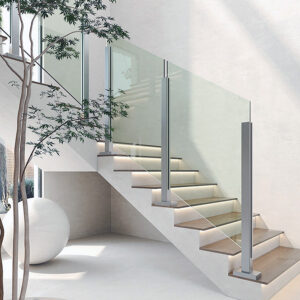
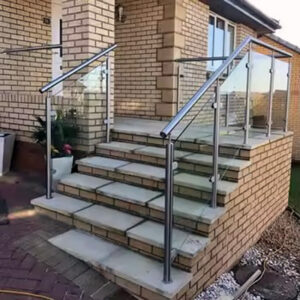
Fechar os desenhos de obra antes que a geometria do adaptador seja confirmada é uma das fontes mais previsíveis de retrabalho em fases finais em projetos de corrimãos de vidro. Um adaptador incorreto que desloque a linha do vidro em alguns milímetros, ou que cubra um padrão de furos de maneira inadequada, obriga à substituição de acessórios e à reapresentação — em uma fase do projeto em que nem o cronograma nem o orçamento têm margem para isso. As decisões geométricas que evitam isso não são complexas, mas exigem uma sequência específica: os detalhes da conexão e as condições da parede devem ser confirmados antes que os padrões de furos no vidro sejam definidos, e não depois. O que se segue oferece às equipes de especificação, aos instaladores e aos revisores de projetos uma base mais clara para aprovar ou sinalizar suportes antes que os desenhos sejam finalizados.
Os esquemas de adaptadores controlam a interface entre o vidro e a estrutura
Uma tabela de adaptadores faz algo que uma lista de componentes por si só não consegue: ela mapeia cada suporte ou adaptador à condição estrutural específica à qual ele se conecta — tipo de pilar, construção da parede, padrão de furos no vidro, folga nas bordas e acabamento da superfície — de modo que as incompatibilidades sejam identificadas no papel, e não durante a instalação. Sem essa tabela, cada interface é resolvida de maneira informal, o que significa que as decisões estão sendo tomadas, mas na fase errada do projeto e por pessoas que nem sempre têm uma visão completa da situação.
A tabela em si é um instrumento de coordenação. Ela não substitui a revisão estrutural nem os desenhos de fabricação do vidro, mas levanta as questões que evitam incompatibilidades em fase avançada: essa conexão de montante permite que o adaptador se encaixe corretamente na linha de vidro planejada? As condições da parede suportam o tipo de suporte selecionado? O acabamento especificado é consistente em todas as ferragens nessa elevação? Essas perguntas são mais fáceis de responder na fase da tabela do que depois que o vidro já tiver sido encomendado com um padrão de furos que pressupõe uma geometria do adaptador que ninguém confirmou.
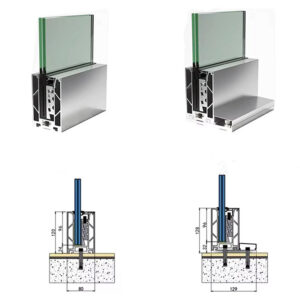
Quando a norma ASTM E894-88(2004) é citada como referência para testes de ancoragem permanente de corrimãos metálicos, a implicação prática para as especificações dos adaptadores é a mesma: as condições de ancoragem precisam ser definidas com antecedência suficiente para que a geometria do adaptador possa ser verificada em relação a elas, e não apenas presumida. A especificação é o mecanismo que torna essa verificação possível antes que os desenhos de oficina sejam submetidos para aprovação.
Coordenação do padrão de furos em postes, paredes e vidros
A escolha do tipo de suporte e o layout do padrão de furos não são decisões independentes. A geometria do suporte determina se é necessário, de fato, um furo no vidro, onde ele deve ser posicionado em relação à base do suporte e quanto espaço livre a estrutura ao redor deve proporcionar. Errar a sequência — definir o padrão de furos no vidro antes de confirmar o tipo de suporte — gera um descompasso que, muitas vezes, só fica visível após a conclusão da fabricação.
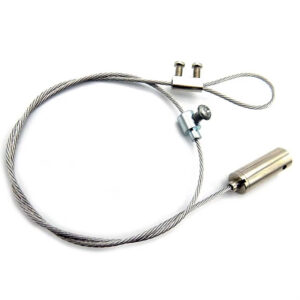
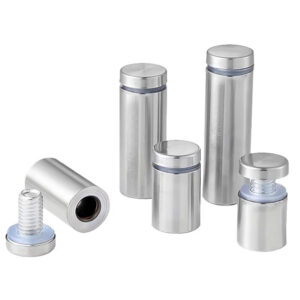
As braçadeiras deslizantes e as barras de suporte de teto merecem destaque aqui justamente porque eliminam totalmente o problema do padrão de furos. A ausência de furos significa que não há erro de perfuração, nem tolerância na posição dos furos, nem necessidade de coordenação entre o fabricante de vidro e o fornecedor de ferragens quanto à localização dos furos. Para projetos em que as condições da parede ou do pilar ainda estão sendo definidas, especificar um tipo de suporte que evite a perfuração do vidro elimina uma variável de um cronograma já apertado.
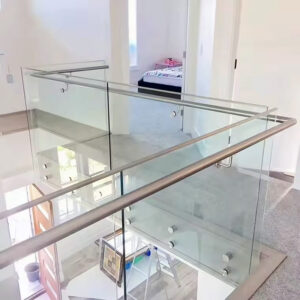
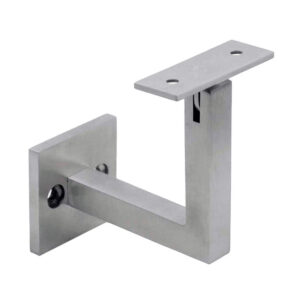
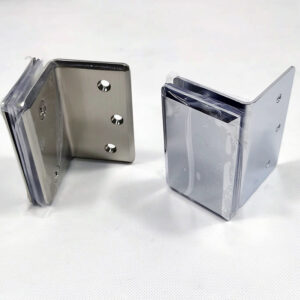
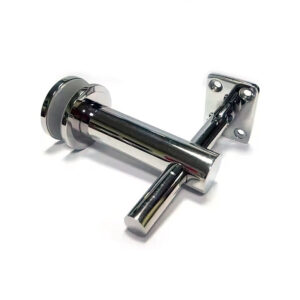
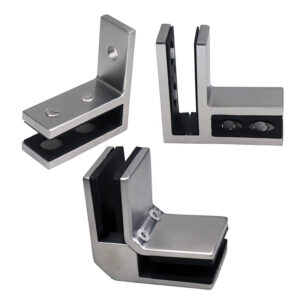
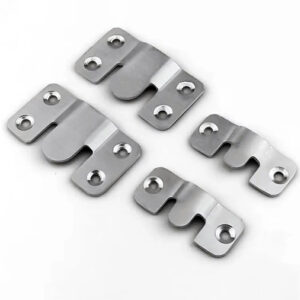
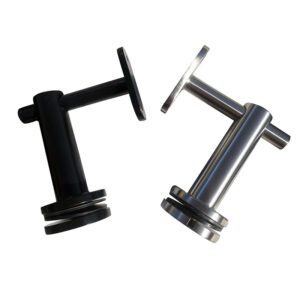
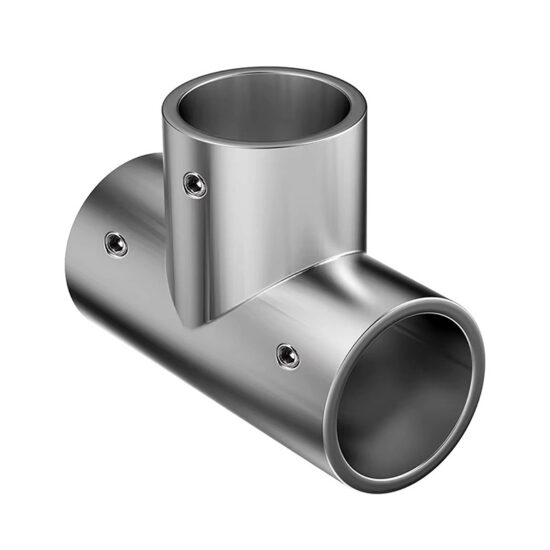
Nos casos em que são necessários orifícios, a interface estrutural impõe restrições geométricas rígidas. Um suporte de parede de 90 graus, por exemplo, exige uma distância mínima de 26 mm entre a base do suporte e a borda do orifício no vidro. Trata-se de um valor de projeto derivado da geometria do produto, e não de uma regra universal codificada; no entanto, a consequência de ignorá-lo é prática: o suporte não se encaixará corretamente, e o desenho de oficina refletirá uma geometria que não pode ser construída conforme desenhada. Quando a espessura da parede ou a saliência não proporcionam essa folga, a resposta correta é substituir por um suporte em U ou um suporte de 180 graus antes que os desenhos sejam enviados — e não depois. Para painéis mais largos, a exigência de coordenação se estende ainda mais: painéis de vidro com mais de 1.200 mm normalmente precisam de uma barra de suporte para o painel de retorno, o que acrescenta uma restrição de layout que deve se alinhar com a interface do pilar ou da parede antes que essa zona dos desenhos possa ser considerada resolvida.
| Critério | Requisito | Implicações |
|---|---|---|
| Tipos de suportes que não exigem furos no vidro | Braçadeiras deslizantes, barra de suporte de teto | Elimina o desalinhamento dos furos e o risco de erros de perfuração; não é necessária a coordenação do padrão de furos. |
| Distância mínima para suporte de parede de 90° | A pelo menos 26 mm do orifício do vidro | Se a espessura da parede for inferior a 26 mm, a colocação do suporte falhará; utilize um suporte em U ou um suporte de 180° para evitar a rejeição. |
| Largura do painel de vidro e barra de suporte | Painéis com largura superior a 1.200 mm precisam de uma barra de suporte para o painel de retorno | Acrescenta um requisito de coordenação estrutural; o layout das barras de suporte deve estar alinhado com a interface entre o pilar e a parede para fixar o painel. |
A consequência estrutural de ignorar essa coordenação não é algo abstrato. Um padrão de furos vinculado a um tipo de suporte que foi alterado posteriormente, ou um posicionamento de suporte que pressupõe uma distância livre em relação à parede que não existe, resulta em desenhos de oficina que não passam por uma verificação geométrica adequada. Identificar qualquer uma dessas situações antes da apresentação do projeto é uma questão de organizar corretamente a sequência da coordenação.
Prós e contras dos suportes ajustáveis em comparação com os fixos
A escolha entre suportes ajustáveis e fixos envolve uma compensação que as equipes tendem a subestimar durante a especificação: os suportes ajustáveis absorvem a tolerância de campo, mas fazem isso adicionando peças, mecanismos de ajuste e pontos de inspeção. Os suportes fixos são mais simples e limpos, mas transferem todo o ônus da tolerância de volta para a geometria dos orifícios do vidro, a superfície da parede e a conexão do pilar.
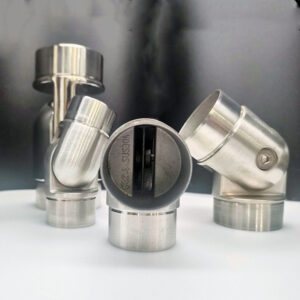
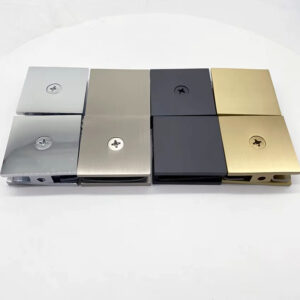
Grampos de fixação na parede ajustáveis — aqueles que se adaptam a ângulos não padronizados e utilizam placas de cobertura para ocultar as cabeças dos parafusos — são úteis quando a estrutura não apresenta uma condição de superfície consistente e previsível. Eles proporcionam uma margem de manobra. Essa margem tem um custo: cada ponto de ajuste é também um ponto de inspeção, o que significa que o processo de revisão para a instalação de um suporte ajustável é mais complexo do que para um suporte fixo. Se essa sobrecarga de inspeção não for levada em conta no cronograma de apresentação, ela se torna um problema.
Os suportes fixos, por outro lado, não possuem pontos de ajuste a serem verificados. As braçadeiras padrão de 90 ou 180 graus se encaixam corretamente ou não, e a verificação é simples. O risco é que qualquer suposição sobre a geometria que se revele incorreta — nivelamento da parede, alinhamento dos montantes, posição dos furos — se manifeste como um desajuste, sem opção de correção a não ser reordenar os acessórios. Projetos em que a estrutura é bem controlada e a fabricação do vidro é coordenada de perto com o cronograma dos acessórios podem arcar com esse risco sem dificuldade. Projetos em que as condições no local ainda são variáveis no momento da especificação dos acessórios devem tratar os suportes ajustáveis não como uma preferência, mas como uma decisão de gestão de risco.
| Tipo de suporte | Tolerância e adaptação | Complexidade e Inspeção | Risco geométrico em caso de desalinhamento |
|---|---|---|---|
| Ajustável (por exemplo, série CRL Altea) | Aceita ângulos fora do padrão; as placas de cobertura ocultam as cabeças dos parafusos | Adiciona pontos de ajuste e etapas de inspeção para verificar o alinhamento correto | Pode compensar algumas tolerâncias de campo, mas os mecanismos de ajuste introduzem possíveis pontos de falha |
| Fixo (braçadeiras padrão de 90° ou 180°) | Não requer ajuste; exige um alinhamento geométrico preciso | Montagem simples, menos pontos de inspeção | Qualquer desalinhamento nos orifícios do vidro ou na posição da parede pode fazer com que o suporte não se encaixe, levando à rejeição |
A questão não é qual tipo de suporte é genericamente melhor. Trata-se de determinar qual tipo se adapta ao nível de certeza geométrica disponível no momento em que o material está sendo especificado — e se o projeto pode arcar com a sobrecarga de inspeção que os suportes ajustáveis exigem, ou com a precisão geométrica que os suportes fixos exigem.
Riscos de rejeição de desenhos de oficina decorrentes de geometria incompatível
A maioria das rejeições de desenhos de oficina relacionadas à geometria dos suportes remete a um de dois padrões de falha: um suporte posicionado muito próximo a um orifício no vidro, de modo que sua geometria não funcione corretamente, ou um suporte sem a proteção de borda necessária para evitar o contato entre o metal e o vidro.
O valor de folga de 26 mm reaparece aqui não como um novo limite, mas como a mesma restrição de projeto decorrente da coordenação do padrão de furos, atuando agora como um mecanismo de rejeição. Um suporte de parede de 90 graus especificado em um local onde a geometria da parede coloca a borda do furo a menos de 26 mm não é um caso limítrofe — o suporte fisicamente não pode ser encaixado conforme desenhado. Quando essa condição persiste em um desenho de oficina enviado, o revisor não tem outra opção a não ser rejeitá-lo. A correção exige a substituição do suporte ou um redesenho do detalhe da parede, e qualquer uma dessas opções leva tempo que não estava previsto no cronograma.
A falta de espaçadores de nylon ou borracha dentro dos suportes e grampos é uma falha menos evidente, mas potencialmente mais grave. O contato entre o metal e o vidro nem sempre é detectado durante a análise dos projetos — ele pode passar despercebido se o desenho mostrar o perfil correto do suporte, mas não especificar explicitamente o material de proteção. O resultado pode ser arranhões ou danos ao vidro que surgem durante a instalação ou, pior ainda, durante a manutenção. Nesse ponto, a lacuna na especificação original já se transformou em uma reclamação de garantia ou solicitação de substituição.
| Verificar item | Condição de incompatibilidade | Consequência da rejeição |
|---|---|---|
| Posicionamento do suporte de parede a 90° em relação ao orifício no vidro | A distância da borda do orifício é inferior a 26 mm | Suporte inadequado; desenhos de oficina rejeitados ou que exigem retrabalho |
| Proteção das bordas do suporte (espaçadores de nylon) | Espaçadores de nylon ausentes ou omitidos | O contato entre o metal e o vidro causa arranhões ou danos ao vidro, levando à rejeição |
Ambas as situações podem ser evitadas se a tabela de suportes for suficientemente específica. Uma tabela que indique o tipo de suporte, a distância de segurança em relação à borda do furo e o material do espaçador para cada conexão oferece ao revisor uma base clara para a confirmação. Uma tabela que indique apenas os números de modelo dos suportes deixa em aberto as questões relacionadas à geometria, e essas questões tendem a se resolver no pior momento possível.
Para projetos que envolvam suportes para painéis de vidro Em diversas condições de paredes ou pilares, a tabela de especificações precisa levar em conta cada condição separadamente — a aplicação uniforme de uma única especificação de suporte em geometrias variáveis é o que leva à ocorrência desses dois padrões de falha.
Verificação final da sobreposição antes da aprovação do suporte
A aprovação do suporte não deve anteceder a sobreposição direta dos desenhos do adaptador sobre a tabela de orifícios do vidro e os desenhos de interface com o pilar ou a parede. Trata-se não de um protocolo de inspeção formal proveniente de uma norma específica, mas de uma etapa prática de verificação que preenche a lacuna entre o que foi especificado e o que os componentes fabricados realmente exigirão.
A verificação de sobreposição tem um escopo específico. Ela confirma se a geometria do adaptador se encaixa corretamente em cada ponto de conexão — se o adaptador “pino-vidro” se alinha ao perfil do pino, se o suporte de parede mantém a distância correta em relação à borda do orifício e se a linha do vidro formada pelas peças montadas corresponde à face pretendida. Além disso, confirma se a proteção de borracha ou nylon está especificada no interior de cada suporte e dobradiça onde ocorre contato com o vidro. Um conjunto de desenhos que mostra o tipo correto de suporte, mas omite a especificação do espaçador, não está completo, e aprová-lo como completo transfere o risco para a etapa seguinte.
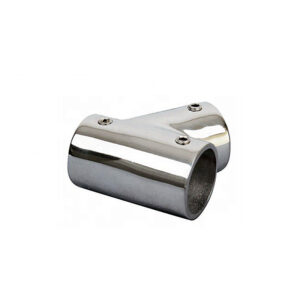
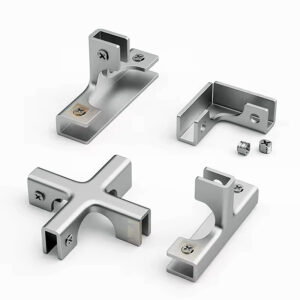
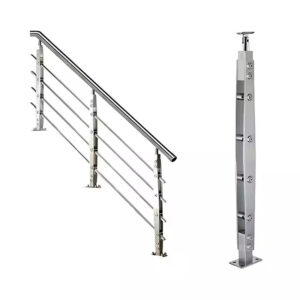
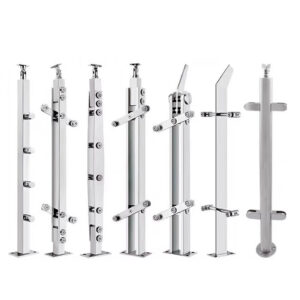
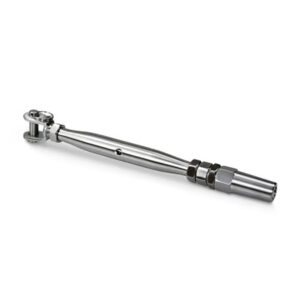
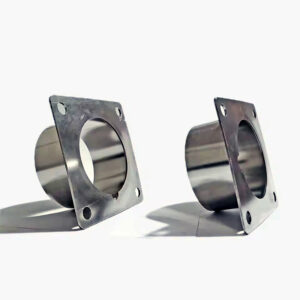
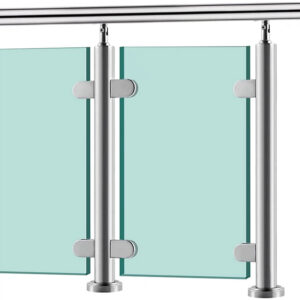
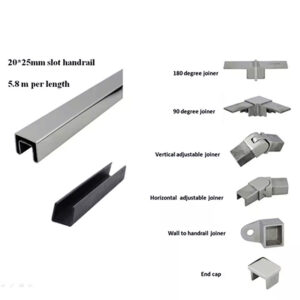
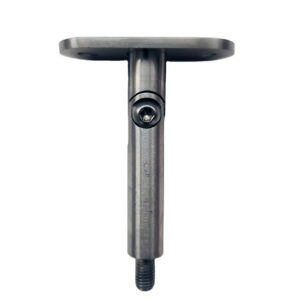
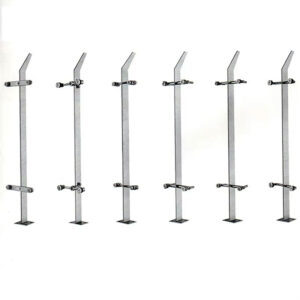
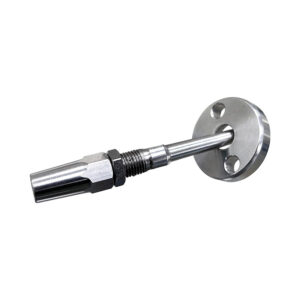
Quando as conexões entre os montantes e o vidro fazem parte da montagem — especialmente nos cantos ou nos montantes intermediários — adaptadores de haste para vidro deve ser verificado simultaneamente em relação à geometria da seção do poste e ao esquema de furos do vidro. Um adaptador que se encaixa no poste, mas não se alinha ao padrão de furos conforme fabricado, produz o mesmo resultado que um suporte incorreto: um componente que não pode ser instalado conforme projetado. Confirmar ambas as interfaces na fase de sobreposição é mais rápido do que lidar com a substituição após a aprovação.
A verificação de sobreposição é também onde as decisões sobre suportes ajustáveis versus fixos recebem sua validação final. Um suporte ajustável aprovado sem que se confirme sua amplitude de movimento em relação às condições reais da parede pode chegar ao canteiro de obras e ainda assim exigir calços ou reposicionamento que o desenho não tenha levado em conta. Confirmar a amplitude de ajuste em relação à geometria verificada antes da aprovação transforma a seleção do suporte de uma suposição em um encaixe confirmado.
A sequência prática que evita retrabalhos em fases avançadas do projeto é simples, mesmo que segui-la exija certa disciplina nas etapas anteriores: confirmar o tipo de pilar, as condições da parede e a geometria dos suportes antes de definir o padrão dos orifícios do vidro; verificar as distâncias nas bordas e as especificações dos espaçadores antes da apresentação do projeto; e realizar a verificação de sobreposição antes da aprovação dos suportes. Cada uma dessas etapas sai mais barato ser concluída antes do congelamento dos desenhos do que depois.
Para equipes que gerenciam projetos com múltiplas condições de paredes ou pilares — ou nos quais a estrutura ainda não está totalmente definida no momento da seleção dos componentes de fixação —, uma tabela detalhada de adaptadores é a maneira mais confiável de manter as decisões relativas à geometria dos suportes visíveis e passíveis de revisão. A adaptadores de fixação para vidro As especificações utilizadas em cada interface precisam constar nessa tabela com detalhes suficientes — distância entre a borda do orifício e o suporte, tipo de suporte, material de proteção, acabamento — para que qualquer incompatibilidade possa ser identificada no papel, e não na obra. Esse nível de detalhamento na tabela é o que faz com que a aprovação do suporte seja uma confirmação, e não um risco.
Perguntas frequentes
P: O que acontece se a espessura da parede só for confirmada depois que o vidro já tiver sido encomendado de acordo com o padrão de furos?
R: Provavelmente, será necessário descartar o padrão de furos e solicitar um novo vidro. Uma vez que o padrão de furos seja fabricado de acordo com a geometria específica de um suporte — como, por exemplo, um suporte de parede de 90 graus que exija pelo menos 26 mm da borda do furo até a base do suporte —, alterar o tipo de suporte para se adequar a uma parede mais fina significa que os furos existentes ficarão na posição errada para o suporte substituto. Não há ajuste no local que corrija um furo mal posicionado no vidro. A única maneira de evitar esse resultado é confirmar a espessura da parede e o tipo de suporte antes de enviar o vidro para fabricação.
P: Após a conclusão da verificação da sobreposição e a emissão da aprovação do suporte, qual deve ser a próxima etapa de coordenação?
R: O próximo passo é enviar ao fabricante de vidros a lista confirmada de suportes e adaptadores, com os pontos de fixação explicitamente sinalizados — especificamente as tolerâncias de posição dos furos, as distâncias de segurança nas bordas e quaisquer requisitos relativos a espaçadores ou materiais de proteção associados a cada conexão. A aprovação sem esse envio faz com que o fabricante trabalhe com informações incompletas, e as discrepâncias entre a geometria aprovada dos suportes e o padrão de furos fabricado geralmente só são detectadas durante a instalação, e não antes.
P: O limite de 26 mm para a distância entre o furo e a borda se aplica a todos os tipos de suportes ou apenas aos suportes de parede de 90 graus?
R: Isso se aplica especificamente à geometria dos suportes de parede de 90 graus. Tipos de suportes que não exigem perfuração do vidro — como grampos deslizantes ou barras de suporte de teto — não têm um limite equivalente, pois não há orifício a ser contornado. Os suportes em U e os suportes de 180 graus possuem sua própria geometria de encaixe e podem impor requisitos de folga diferentes. Aplicar o valor de 26 mm de maneira uniforme a todos os tipos de suportes seria incorreto; a restrição é específica à geometria do produto e deve ser verificada em relação ao suporte real que está sendo especificado em cada conexão.
P: Em que casos a escolha de suportes ajustáveis não é a opção correta, mesmo em um projeto com condições de campo variáveis?
R: Quando o cronograma de apresentação e inspeção não permite acomodar a sobrecarga adicional de revisão que eles exigem. Os suportes ajustáveis absorvem a tolerância geométrica, mas cada ponto de ajuste é também um ponto de inspeção — confirmar se o suporte foi ajustado corretamente dentro de sua amplitude de movimento acrescenta etapas à verificação em campo que os suportes fixos não exigem. Em projetos com cronogramas apertados ou capacidade limitada de inspeção após a instalação dos componentes, essa sobrecarga pode causar atrasos ou condições não verificadas que anulam totalmente o benefício da tolerância. As condições variáveis no local tornam os suportes ajustáveis atraentes; um cronograma que não consiga atender aos requisitos de inspeção desses suportes os transforma em um risco.
P: É necessário um cronograma detalhado de adaptadores se um projeto utilizar apenas um tipo de suporte em toda a sua extensão?
R: Sim, porque a função da tabela não é gerenciar a variedade de suportes — é documentar as condições verificadas da interface em cada conexão. Mesmo com um único tipo de suporte, as condições da parede, os perfis dos montantes, as posições dos orifícios do vidro e as distâncias de segurança nas bordas podem variar entre as diferentes elevações. Uma tabela que registre a geometria confirmada em cada conexão fornece ao revisor do projeto uma base para aprovação e cria uma referência caso as condições de campo se desviem do que foi desenhado. Sem ela, a especificação uniforme dos suportes em geometrias variáveis é uma suposição, e é nessa suposição que as incompatibilidades entram nos desenhos sem serem detectadas.