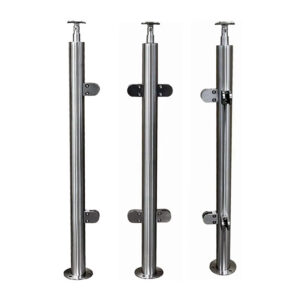
Specifying stainless steel handrails for commercial and industrial facilities involves navigating a complex matrix of material science, evolving building codes, and long-term performance requirements. The wrong grade selection or a minor compliance oversight can lead to premature corrosion, safety liabilities, and costly retrofits. This guide provides the technical clarity needed to make informed, durable, and code-compliant decisions.
With the 2025 updates to the ADA and IBC standards, the stakes for specification accuracy are higher. Facility managers, architects, and contractors must now reconcile aesthetic goals with stringent new requirements, all while managing budgets and ensuring decades of reliable service. Understanding the interplay between alloy composition, hardware logistics, and installation precision is no longer optional—it’s essential for project success and occupant safety.
Key Stainless Steel Grades for Handrails: 304 vs. 316 vs. 2205
Defining the Austenitic Standard
The 300 series austenitic stainless steels form the backbone of handrail fabrication due to their excellent formability, weldability, and corrosion resistance. This resistance stems from a passive chromium oxide layer that protects the base metal. Grade 304 serves as the general-purpose alloy for most indoor and protected outdoor applications. Its balance of performance and cost makes it the default choice, but its limitation lies in chloride exposure.
The Molybdenum Advantage
For environments with chlorides—coastal regions, pool decks, or areas using de-icing salts—Grade 316 is non-negotiable. The addition of molybdenum significantly enhances pitting and crevice corrosion resistance. Industry experts consistently recommend 316 for any exterior application where salt, either from air or maintenance, is present. A common mistake is specifying 304 for a coastal balcony to save on initial cost, only to face tea-staining and pitting within a few years, a lifecycle cost that far outweighs the upfront savings.
When to Specify Duplex
In highly aggressive environments like chemical processing plants, pulp and paper mills, or wastewater treatment facilities, duplex stainless steel Grade 2205 offers a superior solution. It provides roughly twice the yield strength of 304/316 and exceptional resistance to stress corrosion cracking. The decision framework here is clear: if the environmental analysis indicates persistent exposure to strong acids, chlorides, or other industrial corrosives, the investment in 2205 is justified for structural longevity and reduced maintenance.
| Grade | Key Alloy Addition | Primary Application Environment |
|---|---|---|
| 304 | None (Standard) | Indoor, protected outdoor |
| 316 | Molybdenum | Coastal, de-icing salt areas |
| 2205 | Chromium, Nickel | Highly corrosive industrial |
Source: Technical documentation and industry specifications.
Stainless Steel Handrail Compliance: 2025 ADA and IBC Code Updates
Core Dimensional Mandates
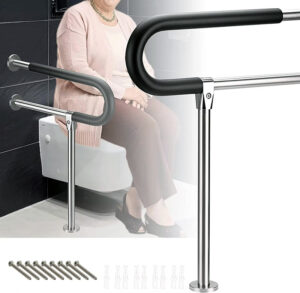
Adherence to the updated ICC/ANSI A117.1 Accessible and Usable Buildings and Facilities is legally required for safety and accessibility. The primary parameters remain a handrail height of 34 to 38 inches measured vertically from the stair nosing or ramp surface. The gripping surface must be continuous, without obstructions, and provide a clearance of at least 1.5 inches from any adjacent wall. These dimensions are not guidelines but enforceable code minimums.
Structural and Gripping Requirements
Beyond dimensions, the structural integrity of the system is codified. Handrails and their supports must withstand a concentrated load of 200 pounds applied in any direction. For round profiles, the outside diameter must be between 1.25 and 2.0 inches to ensure graspability. Easily overlooked details include the requirement that handrails on stairs must extend horizontally at the top and bottom a distance equal to one tread depth. This extension, often missed in field measurements, is critical for safe transition.
The Specifier’s Burden and Solution
The complexity of verifying every component—bracket, rail, and fitting—against these evolving standards creates significant liability. This burden underscores the value of pre-engineered, code-verified complete systems. Sourcing individual components from multiple suppliers increases the risk of a non-compliant assembly. The most efficient method is to partner with a single-source provider whose systems are engineered and tested to meet the latest ADA and IBC requirements, thereby transferring the compliance risk from the specifier to the manufacturer.
| Parameter | Specification | Requirement |
|---|---|---|
| Height Range | 34-38 inches | From stair nosing |
| Gripping Surface Diameter | 1.25″ – 2.0″ | For round profiles |
| Concentrated Load | 200 pounds | Minimum withstand capacity |
| Wall Clearance | 1.5 inches | Mandatory minimum |
Source: ICC/ANSI A117.1 Accessible and Usable Buildings and Facilities. This standard provides the technical criteria for accessible handrails, directly governing the dimensional and safety requirements such as height, diameter, and clearance referenced in the table.
Choosing the Right Handrail Profile: Round, Square, and Rectangular Tubes
Ergonomics of the Classic Round
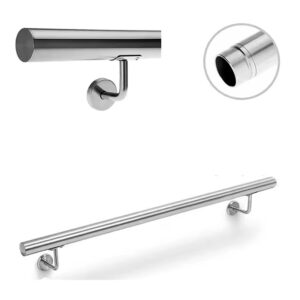
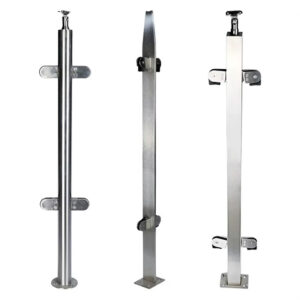
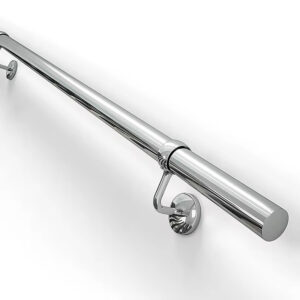
Round tubing, typically 1.5″ or 2.0″ in diameter as per ASTM A554 Standard Specification for Welded Stainless Steel Mechanical Tubing, offers the most universally comfortable grip. Its continuous, unobstructed surface aligns naturally with the hand. This profile is the default for high-traffic public spaces like stadiums, airports, and hospitals where user comfort and intuitive use are paramount. The simplicity of round tube also translates to a wider availability of standard fittings and brackets.
The Modern Aesthetic of Square
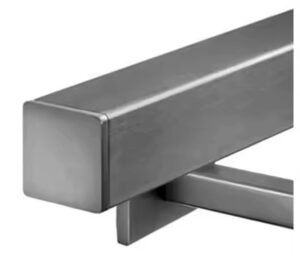
Square profiles (e.g., 1.5″x1.5″) deliver a crisp, contemporary appearance favored in corporate, retail, and high-design residential settings. While still graspable, the aesthetic impact often takes precedence. The flat surfaces can present challenges with integrated infill systems unless specifically designed with channels. In my experience, projects selecting square profiles must commit to earlier and more detailed coordination to ensure all connectors, end caps, and mounting solutions are compatible with the sharp corners and specific dimensions.
Functional Integration with Rectangular
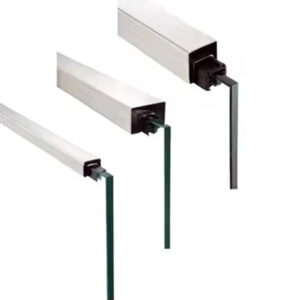
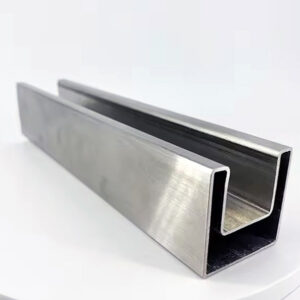
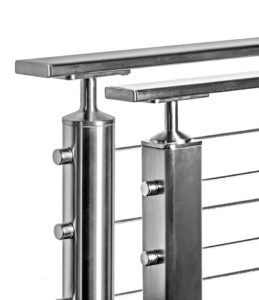
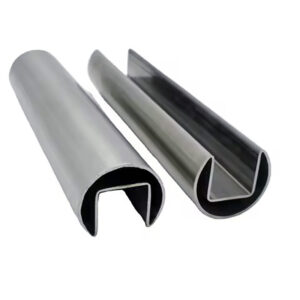
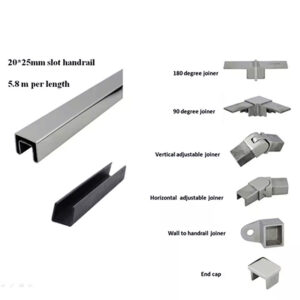
Rectangular tubing (e.g., 1″x2″) is frequently chosen not just for its sleek look, but for its functional capacity to integrate infill. The longer flat side often incorporates a slot or channel for glass clamps, cable rail fittings, or panel inserts. This makes it the go-to choice for guardrail systems where the top rail must do more than provide a handhold. The decision framework here balances the desire for a modern profile with the practical need to support the selected infill method efficiently.
| Profile | Common Size Example | Primary Advantage |
|---|---|---|
| Round | 1.5″ or 2.0″ diameter | Classic, comfortable grip |
| Square | 1.5″ x 1.5″ | Sleek, modern appearance |
| Rectangular | 1″ x 2″ | Integrated infill channels |
Source: ASTM A554 Standard Specification for Welded Stainless Steel Mechanical Tubing. This standard establishes the requirements for welded stainless steel mechanical tubing, governing the dimensions, tolerances, and properties of the tubular profiles commonly used for handrail construction.
Essential Handrail Hardware: Brackets, Fittings, and Installation Components
The Mounting Foundation
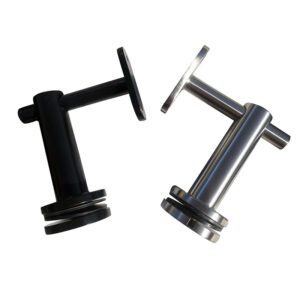
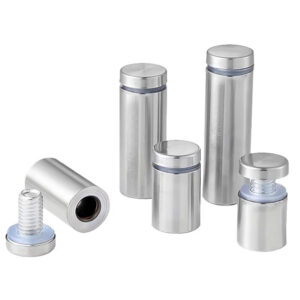
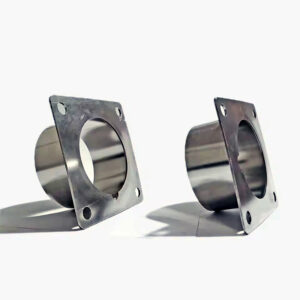
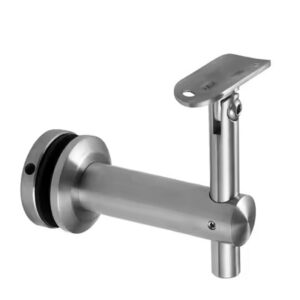
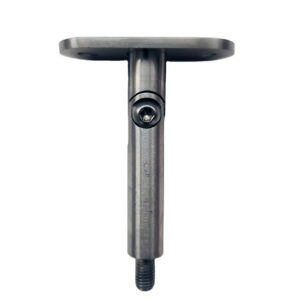
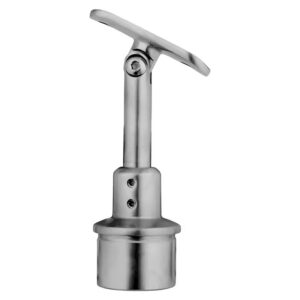
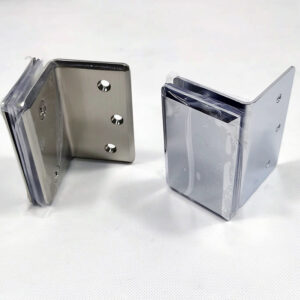
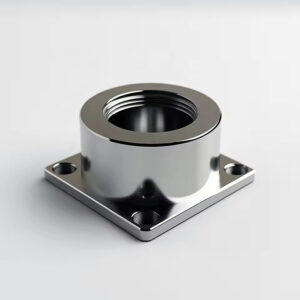
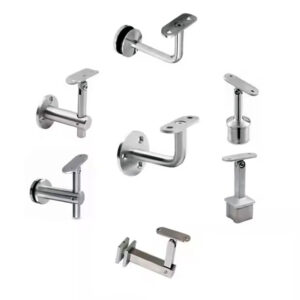
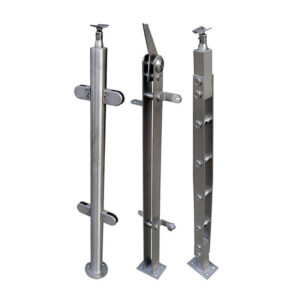
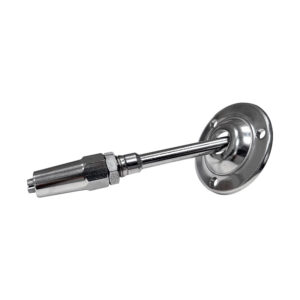
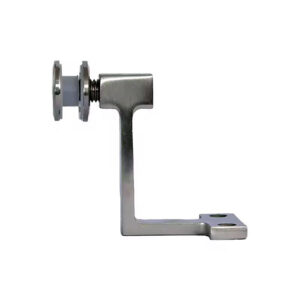
A handrail is only as secure as its attachment to the structure. Wall-mount brackets, either fixed or adjustable for stair applications, and floor flanges form this critical foundation. Adjustable brackets are essential for dialing in precise alignment on non-standard or existing stairs. The substrate analysis—ensuring concrete, steel, or wood can handle the load—is a prerequisite often rushed. We compared various anchoring systems and found that through-bolting into structural elements consistently outperforms surface-mounted alternatives in long-term rigidity.
Connectors and Finishing Elements
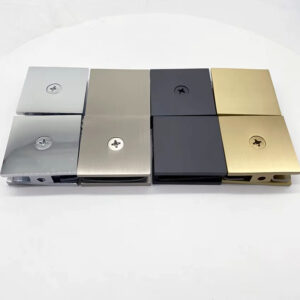
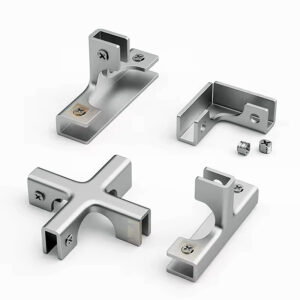
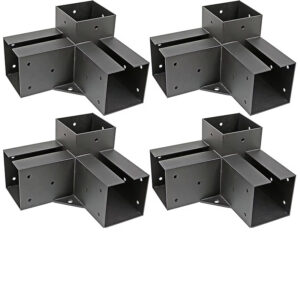
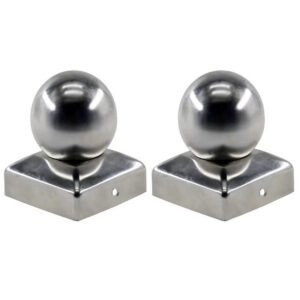
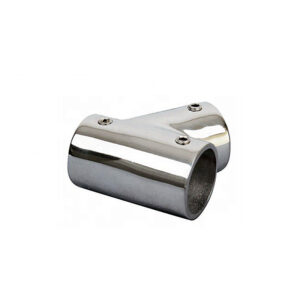
The suite of connectors—90-degree elbows, tee fittings, inline splices—enables the system to navigate corners and long runs. End caps and wall returns are not merely aesthetic; they eliminate sharp edges, fulfilling safety requirements. Each component is geometry-specific; a fitting for 1.5″ round tube will not fit 2.0″ tube or a square profile. This modularity enables customization but demands a precise and complete bill of materials to avoid costly installation delays.
The Hidden Constraint of Logistics
A frequently overlooked constraint is shipping. Rails longer than 7.5 feet often exceed standard freight dimensions, triggering costly special handling or requiring segmentation of the design. This logistical reality must be integrated into the early design phase. Project planners should decide whether to accept seams with internal splice connectors or to budget for premium freight costs for seamless long runs. This decision directly impacts both aesthetics and project budget.
| Component Category | Key Examples | Design Constraint |
|---|---|---|
| Mounting | Wall brackets, flanges | Fixed or adjustable |
| Connectors | Elbows, inline splices | Geometry-specific |
| Finishing | End caps, wall returns | Aesthetic completion |
| Logistics | Long rails (>7.5 ft) | Requires freight shipping |
Source: Technical documentation and industry specifications.
Integrating Handrails with Cable, Glass, and Panel Infill Systems
Preserving Views with Cable
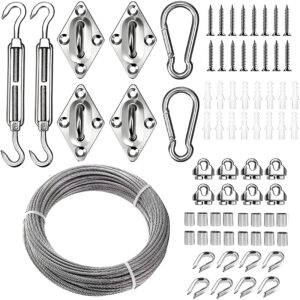
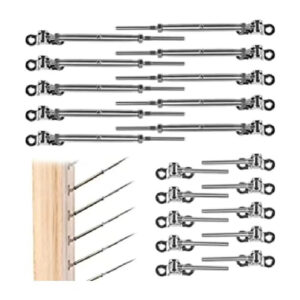
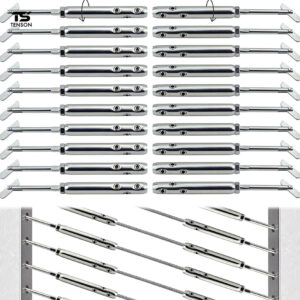
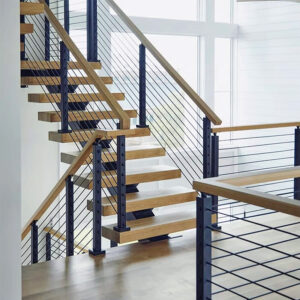
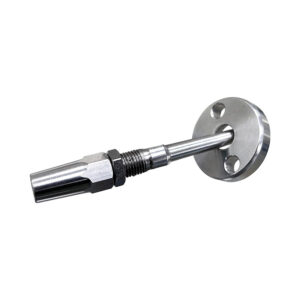
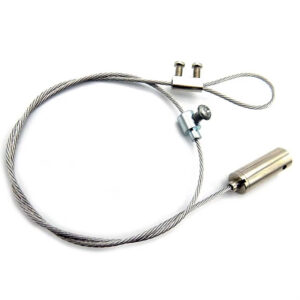
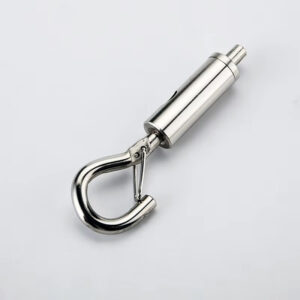
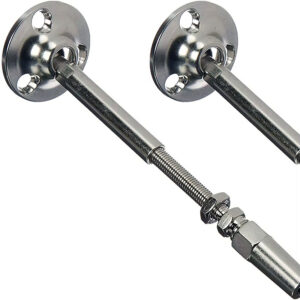
Cable infill systems use stainless steel cables tensioned between posts to create a nearly transparent barrier. The handrail serves as the robust top support for the cable terminals or tensioning hardware. The priority here is view preservation, but it comes with specific demands: precise post spacing to maintain code-compliant deflection limits (a 4″ sphere cannot pass through), and access for periodic re-tensioning. The hardware for a clean cable termination into a sleek top rail is specialized and must be specified as a matched system.
The Premium Barrier of Glass
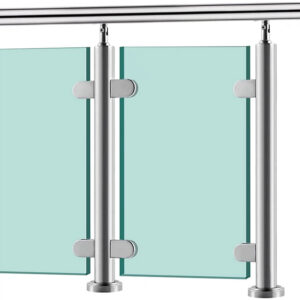
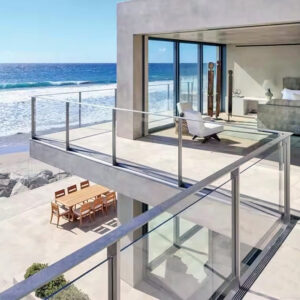
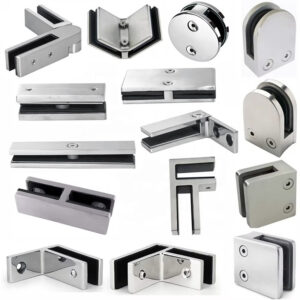
Glass infill offers a flawless, transparent weather and safety barrier, ideal for scenic overlooks or high-end interiors. Integration requires the handrail profile to incorporate a channel or clamp system designed to secure the glass panels. This demands extremely tight tolerances in fabrication and installation. Laminated glass is typically required for safety. The decision for glass must account for the ongoing maintenance of cleaning and the need for specialized hardware, which is readily available from suppliers of comprehensive stainless steel railing systems.
Simplified Solutions with Panels
Metal panel or rod infill (vertical or horizontal) provides a more economical and structurally straightforward option. It offers greater design flexibility with perforated or patterned sheets while simplifying installation. The handrail often acts as a receiver for the panel edges. This method balances cost, privacy, and structural simplicity, making it a common choice for industrial mezzanines, public stairwells, and parking garages where absolute view preservation is not a priority.
Professional Installation Guide: Measurement, Fabrication, and Alignment
Critical Path: Measurement and Layout
The installation’s success is determined before any hardware is unpacked. Accurate measurement is paramount, especially on stairs where each rise and run must be accounted for to maintain a continuous, smooth rail line. Laser levels and detailed shop drawings are non-negotiable tools. The substrate must be verified for structural adequacy and true plane; shimming a bracket over 1/4 inch can introduce unacceptable flex. This phase cannot be rushed.
Fabrication and Joining Techniques
Field cutting of stainless steel requires abrasive blades (carbide-tipped or diamond) to prevent work-hardening, which can make the metal brittle and difficult to work. When welding is necessary for custom fittings, it must be performed using proper stainless techniques (TIG welding is standard) followed by passivation to restore the protective oxide layer in the heat-affected zone. Skipping passivation is a common error that leads to localized corrosion at welds.
Final Alignment and Torque
The final step is the sequential tightening of all fasteners to the manufacturer’s specified torque values, following the alignment of the entire run. A professional install involves checking for any detectable movement or flex under hand pressure. The rail should feel monolithic. The market shift toward empowering contractors is evident here, with leading vendors providing detailed torque specs, alignment sequences, and CAD files specifically for the installing crew, ensuring the design intent is realized in the field.
Long-Term Care and Maintenance for Stainless Steel Handrails
Routine Cleaning Protocol
Stainless steel is low-maintenance, not no-maintenance. Routine cleaning with warm water and a mild, non-chlorinated detergent is sufficient. The key is to always wipe in the direction of the grain on brushed finishes to avoid cross-scratching. Abrasive pads, steel wool, or chloride-based cleaners must be strictly avoided as they will damage the passive layer and embed iron particles, leading to rust stains.
The Impact of Finish Selection
The specified finish dictates the maintenance burden. A #4 brushed finish is the workhorse for commercial applications; its directional grain effectively masks fingerprints, water spots, and minor scratches. In contrast, a #8 mirror finish, while delivering a stunning visual impact, acts as a highlight for every smudge and requires frequent polishing to maintain its reflective quality. This choice between practical durability and high aesthetic appeal is a core specification decision with long-term operational implications.
Addressing Corrosion and Damage
Even with proper grade selection, surface discoloration (tea staining) can occur in harsh environments. This is typically surface oxidation and can be removed with specialized stainless steel cleaners or pastes, followed by rinsing. For deeper scratches, a professional can often re-brush a section to blend it in. The validation of a good maintenance plan is the system’s appearance and performance decades after installation, not just in the first year.
| Finish Type | Appearance | Maintenance Level |
|---|---|---|
| #4 Brushed | Hides fingerprints, scratches | Low, practical |
| #8 Mirror | Striking, reflective | High, frequent cleaning |
| Cleaning Method | Warm water, mild soap | Wipe with grain |
Source: Technical documentation and industry specifications.
Selecting the Best Handrail System for Your Facility’s Needs
Synthesizing the Decision Matrix
The optimal selection is not a single choice but a synthesis: matching the correct alloy to the environment, the profile to the user experience and infill needs, and the hardware to the structural conditions. This process reveals a bifurcated market. Projects often compete on price and availability for standardized, code-compliant sections, or they compete on design innovation and integration for premium, custom systems. Your project’s primary driver—budget or bespoke design—will point you toward the appropriate supplier tier.
The Rising Standard of Sustainability
Lifecycle analysis is transitioning from a feature to a requirement. Forward-thinking specifications now demand quantifiable data on recycled content, material sourcing, and end-of-life recyclability. The most sustainable choice is often the most durable one—specifying a higher grade for a longer service life reduces the total environmental impact of replacement. This shift requires manufacturers to provide transparent data, moving beyond vague claims.
The Critical Role of Digital Assets
A successful project hinges on treating comprehensive digital assets as a core component of the product. Detailed BIM files, accurate CAD drawings, and clear cut sheets are not accessories but essential tools for coordination, clash detection, and precise installation. Specifying a system from a provider that invests in these resources reduces risk, minimizes field errors, and ensures the designed system is the one that gets built.
The core decision points are environmental analysis for material grade, a clear understanding of 2025 code mandates for compliance, and an honest assessment of long-term maintenance capacity. These priorities must be locked in before aesthetic preferences are considered to ensure a safe, durable, and legally compliant installation.
Need professional guidance to navigate these specifications for your next project? The experts at Esang can provide the technical support and pre-engineered solutions to ensure your handrail system meets all performance, safety, and aesthetic goals.
For a direct consultation on your specific requirements, you can also Contact Us.
Frequently Asked Questions
Q: How do the 2025 ADA and IBC code updates impact the specification of stainless steel handrail profiles?
A: The 2025 standards mandate specific dimensions for gripping surfaces to ensure accessibility and safety. Round handrail profiles must have a diameter between 1.25 and 2.0 inches, while square or rectangular profiles require a perimeter within that gripping range. The handrail must also be mounted 34 to 38 inches above the stair nosing and maintain a 1.5-inch clearance from any adjacent wall. This means specifiers must verify that both the profile geometry and installation layout meet the precise criteria in ICC/ANSI A117.1 to avoid compliance failures and retrofit costs.
Q: What is the practical difference between specifying Grade 304 versus Grade 316 stainless steel for handrails?
A: The key difference is corrosion resistance, driven by alloy composition. Grade 304 is suitable for most indoor and sheltered outdoor applications. Grade 316 contains molybdenum, providing essential protection against chlorides present in coastal atmospheres, road de-icing salts, or certain industrial chemicals. For projects where the tubing will be welded, both grades should conform to material standards like ASTM A554. This means facilities in coastal regions or those using winter de-icing must specify Grade 316 to prevent premature corrosion and higher long-term replacement expenses.
Q: When should a facility consider a duplex stainless steel like Grade 2205 for handrail systems?
A: Grade 2205 duplex stainless steel is warranted in highly corrosive environments where standard austenitic grades may fail or develop surface staining. This includes industrial processing facilities with chemical exposure, swimming pool enclosures with high chloride levels, or coastal installations demanding maximum durability with minimal upkeep. Its higher strength can also allow for leaner profiles in structural applications. If your facility operates in an aggressive environment, the higher initial material cost for Grade 2205 is justified by drastically extended service life and reduced maintenance.
Q: How do shipping logistics influence the design of long stainless steel handrail runs?
A: Freight constraints often limit the maximum length of individual handrail sections, typically to under 7.5 feet for standard truck shipments to avoid costly oversize freight charges. This logistical reality forces design compromises, such as segmenting long continuous runs with inline splice connectors. Project planners must integrate these shipping limitations during the initial design phase to specify the necessary joining hardware and account for additional labor. For projects with long, unbroken spans, expect to factor in both the cost of specialized freight and the design complexity of hidden mechanical joints.
Q: What are the key maintenance implications of choosing a #4 brush finish versus a #8 mirror finish on stainless steel?
A: The finish choice directly dictates upkeep frequency and effort. A #4 brushed finish effectively masks fingerprints, minor scratches, and surface marks, making it ideal for high-traffic public or industrial areas with lower cleaning frequency. A #8 mirror finish offers a striking aesthetic but shows every smudge and requires frequent, careful cleaning with appropriate non-abrasive products to maintain its appearance. This means you should prioritize the brushed finish for practical durability in most facilities, reserving mirror finishes for controlled, low-traffic environments where aesthetic impact justifies the maintenance budget.
Q: Why is substrate analysis a critical first step in professional handrail installation?
A: Verifying the structural capacity of the wall, floor, or post supporting the handrail is essential for safety and code compliance. The system must be anchored to withstand a 200-pound concentrated load as per code, which standard drywall or hollow block often cannot support. This initial analysis determines if reinforcement, specialized anchors, or backing plates are required before any layout begins. If your installation involves older construction or lightweight partitions, plan for additional time and materials to properly reinforce the substrate to meet the structural load requirement.