Selecting the right stainless steel finish for a commercial staircase banister is a critical specification decision that balances aesthetics, durability, and long-term operational cost. The wrong choice can lead to a high-maintenance liability, with visible wear and frequent cleaning eroding the professional image of a space. Many professionals default to the most visually striking option without fully considering the performance implications in a high-traffic environment.
This decision is not merely cosmetic. The finish directly impacts maintenance budgets, lifecycle costs, and the material’s ability to withstand constant public use. Understanding the standardized classifications and their real-world performance is essential for specifying a solution that delivers both immediate visual impact and lasting value.
Brushed vs Mirror vs Satin: Core Differences Defined
Understanding the Polish Scale
The industry-standard “Polish Scale” (#4, #6, #8) provides the technical framework for these finishes. This system, referenced in standards like ASTM A480/A480M, defines surface characteristics through a progression of abrasive grits and polishing steps. It directly correlates labor intensity with aesthetic outcome, creating a common language for architects and fabricators. The scale reveals a strategic market segmentation between durable “Performance Finches” and high-impact “Artistic Finishes.”
Visual and Textural Characteristics
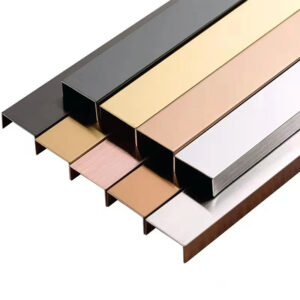
A No. 4 Brushed finish is defined by distinct, parallel grain lines, creating a uniform, non-reflective matte appearance that is tactile. A No. 8 Mirror finish results from progressive polishing to a flawless, highly reflective surface akin to glass. A No. 6 Satin finish occupies the middle ground, offering a soft, diffuse sheen with a very fine, less pronounced grain. The choice between these is the first step in aligning the project’s aesthetic vision with its functional reality.
Application and Specification Context
In our experience, the most common specification error is treating finish selection as a purely aesthetic choice divorced from the project’s traffic patterns. The polish number should be specified clearly in project documents to ensure fabricator alignment. This precision prevents costly mismatches between design intent and delivered product.
Durability Compared: Which Finish Hides Wear Best?
The Science of Wear Concealment
Durability in commercial settings is less about preventing wear and more about concealing it. The texture and reflectivity of a finish determine how visible scratches, fingerprints, and abrasions become over time. This “forgivability” is a key performance metric, directly affecting the perceived longevity and upkeep of the installation.
Comparative Performance Analysis
The brushed (No. 4) finish is the leader in this category. Its linear grain pattern effectively masks fine scratches and handling marks, making wear patterns far less noticeable. Conversely, a mirror (No. 8) finish offers minimal practical durability; its pristine surface highlights every smudge and micro-scratch. The satin (No. 6) finish provides balanced performance, more resistant to marking than mirror but without the deep concealment of a brush.
Data-Driven Durability Assessment
The following table quantifies the relative wear visibility of each standard finish type, providing a clear comparison for specification.
| Finish Type | Polish Scale Designation | Wear & Scratch Visibility |
|---|---|---|
| Brushed | No. 4 | Exceptionally low |
| Satin | No. 6 | Moderately low |
| Mirror | No. 8 | Exceptionally high |
Source: ASTM A480/A480M Standard Specification for General Requirements for Flat-Rolled Stainless and Heat-Resisting Steel Plate, Sheet, and Strip. This standard defines the baseline mill finishes, including the No. 4 (brushed) and No. 8 (mirror) designations, which directly correlate to surface texture and its inherent ability to mask abrasions.
Maintenance & Cleaning: Long-Term Care Requirements
Operational Consequences of Finish Choice
Maintenance burden is the direct operational cost of the aesthetic decision. There is a clear trade-off: a higher-gloss finish typically demands more rigorous and frequent cleaning protocols to maintain its intended appearance. This linkage between finish and upkeep is a core strategic consideration for facility management budgets and staffing.
Recommended Cleaning Protocols
For all finishes, abrasive cleaners, steel wool, or chlorine-based products must be avoided to prevent permanent surface damage. Brushed finishes require the simplest care: regular cleaning with warm water, mild pH-neutral soap, and a soft cloth is typically sufficient. Mirror finishes demand stringent, frequent cleaning to preserve shine, while satin finishes require moderate vigilance to maintain a uniform sheen.
Quantifying Maintenance Commitment
The long-term care requirements can be summarized by frequency and complexity, which directly impact operational budgets.
| Finish | Cleaning Frequency | Cleaning Complexity |
|---|---|---|
| Brushed (No. 4) | Low | Simple protocol |
| Satin (No. 6) | Moderate | Moderate vigilance |
| Mirror (No. 8) | High | Stringent protocol |
Note: Abrasive cleaners and chlorine-based products must be avoided for all finishes.
Source: Technical documentation and industry specifications.
Cost Analysis: Initial Price vs. Lifetime Value
Evaluating Total Cost of Ownership (TCO)
A comprehensive cost analysis must look beyond initial purchase price. Total Cost of Ownership (TCO) includes fabrication, installation, maintenance, and the potential cost of refinishing or premature replacement. The Polish Scale is a reliable initial cost indicator, but the strategic implication lies in lifetime value.
Initial Investment vs. Long-Term Expense
Mirror (No. 8) finishes command the highest initial price due to intensive labor. Brushed (No. 4) and satin (No. 6) are more cost-effective to produce. However, the high maintenance frequency of a mirror finish accrues significant long-term labor and material costs. Investing in a durable, low-maintenance finish often reduces operational expenses.
Strategic Budgeting Framework
Project budgeting becomes a strategic exercise where the right finish selection can extend service life and lower TCO. The following comparison illustrates the typical cost relationship.
| Finish | Initial Cost | Total Cost of Ownership (TCO) |
|---|---|---|
| Mirror (No. 8) | Highest | Highest |
| Satin (No. 6) | Moderate | Moderate |
| Brushed (No. 4) | Lower | Lowest |
Source: Technical documentation and industry specifications.
Performance in High-Traffic Commercial Environments
Matching Finish to Traffic Volume
For environments like office towers, hotels, and transit hubs, performance under constant use is paramount. The brushed finish is the most robust and practical selection, engineered to handle public contact while hiding evidence. Mirror finishes are poorly suited for primary egress staircases and are best reserved for low-traffic, prestige areas.
Integration Within Material Systems
Modern railings are rarely standalone; they are part of a composite material system with glass, lighting, and other metals. The finish must be compatible within this system. A satin finish often performs adequately in corporate or healthcare interiors, offering a sleek look without extreme maintenance. Performance must be evaluated holistically, not in isolation.
Real-World Application Insights
We have observed that specifying mirror finishes for main staircases in busy corporate lobbies invariably leads to client dissatisfaction within months due to visible degradation. The intended “wow factor” quickly becomes a maintenance headache.
Stainless Steel Grade (304 vs 316) for Your Location
The Foundational Role of Alloy Selection
The substrate alloy is fundamental, and its selection is interdependent with the chosen finish. Grade 304 stainless steel offers excellent corrosion resistance for most interior commercial environments and is the standard, cost-effective choice. Grade 316, which includes molybdenum, provides superior resistance to chlorides and is mandatory for exterior applications, coastal locations, or areas using de-icing salts.
Avoiding a Critical Specification Error
A critical error is specifying an advanced finish on an inadequate base alloy. For instance, any surface treatment on Grade 304 in a coastal zone will likely fail as underlying corrosion compromises it. The base material, governed by standards like BS EN 10088-2, provides the fundamental resistance that the surface finish complements; they must be specified in tandem.
Environmental Application Guide
Selecting the correct grade is a non-negotiable first step. The following table outlines the primary application environments for the two most common grades.
| Grade | Key Alloy Addition | Recommended Application Environment |
|---|---|---|
| 304 | Chromium-Nickel | Standard interior, cost-effective |
| 316 | Molybdenum | Coastal, exterior, high chloride |
Source: BS EN 10088-2 Stainless steels – Technical delivery conditions for sheet/plate and strip for general purposes. This standard specifies the technical delivery conditions and chemical compositions for stainless steel grades, including 304 and 316, which determine their fundamental corrosion resistance for different environments.
Selecting the Best Finish: A Decision Framework
A Structured Four-Step Process
A structured decision framework aligns project variables with finish properties. First, define the primary driver: Is it maximum durability/low maintenance (favoring Brushed), bold aesthetic impact (considering Mirror for low-traffic zones), or balanced elegance (Satin)? Second, audit environmental and traffic conditions to determine the required stainless steel grade.
Incorporating Operational and Spatial Factors
Third, evaluate the maintenance capabilities and budget of the facility management team. Fourth, consider the perceived spatial impact; mirror finishes can make confined stairwells feel more open, while textured finishes add tactile interest. Finally, engage fabricators early. Their technical capability constrains feasibility—not all possess equal skill for a consistent No. 8 polish.
The Role of Post-Fabrication Treatment
Post-fabrication processes like passivation, as outlined in ASTM A967, are critical for enhancing the corrosion resistance of the finished piece, regardless of the polish type. This step removes free iron contaminants introduced during fabrication, ensuring the specified finish performs as intended.
Key Considerations for Exterior Staircase Banisters
Amplified Environmental Stressors
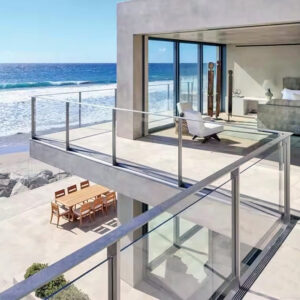
Exterior banisters face UV exposure, rain, pollution, and temperature fluctuations. A brushed or satin finish is strongly preferred over mirror, as their textures better mask the inevitable effects of weathering and minor surface etching. The specification of Grade 316 stainless steel is non-negotiable for corrosion resistance in these applications.
The Rise of Finish Customization
The trend toward finish customization is a key differentiator for exterior work. Powder coating or PVD coatings can add color and an extra protective layer, decoupling aesthetics from the base metal’s tone. However, this introduces coating adhesion as a critical performance variable to vet with the supplier. For projects requiring integrated aesthetic and structural solutions, exploring custom stainless steel fabrication services is often a necessary step to ensure compatibility and performance.
Sustainability and Longevity
As sustainability criteria grow, selecting finishes and coatings that extend product life and use environmentally sound application processes is becoming a strategic imperative for exterior specifications. The goal is to maximize durability while minimizing the need for replacement or intensive chemical cleaning.
The core decision pivots on prioritizing durability and low TCO, which typically points to a brushed finish, or accepting higher maintenance for the visual impact of a mirror polish in controlled areas. Always pair this decision with the correct stainless steel grade—316 for exterior or harsh environments—as the substrate is the foundation of any finish’s success. The spatial context and facility management capabilities are the final, decisive filters.
Need professional guidance to specify the right stainless steel finish for your next commercial project? The experts at Esang can help you navigate these material decisions to ensure lasting performance and value. For a direct consultation on your specific requirements, you can also Contact Us.
Frequently Asked Questions
Q: How do you choose between a No. 4 brushed and a No. 8 mirror finish for a high-traffic lobby staircase?
A: For primary egress in a busy lobby, the No. 4 brushed finish is the practical choice due to its superior ability to conceal scratches and fingerprints from constant use. The No. 8 mirror finish, while visually striking, will highlight every smudge and require frequent, meticulous cleaning. This means facilities prioritizing low maintenance and long-term appearance retention should select the brushed finish for high-traffic areas, reserving mirror for low-use prestige spaces.
Q: What is the critical mistake in specifying a finish for a coastal exterior banister?
A: The fundamental error is selecting an advanced surface treatment without first specifying the correct base alloy. For exterior coastal applications, Grade 316 stainless steel with molybdenum is mandatory for chloride resistance. A finish, including specialized coatings, applied over inadequate Grade 304 will fail as underlying corrosion compromises it. This means your specification must start with the material grade defined by BS EN 10088-2 for the environment, then select the appropriate finish.
Q: How does the ASTM polish scale relate to the total cost of ownership for commercial railings?
A: The polish scale directly indicates both initial fabrication cost and long-term maintenance burden. A high-polish No. 8 mirror finish has the highest initial price and accrues significant lifetime cleaning costs. A No. 4 brushed finish typically offers the best total cost of ownership, with lower upfront expense and minimal upkeep. For project budgeting, this makes investing in a durable, low-maintenance finish a strategic decision that reduces operational expenses over the installation’s service life.
Q: Why is passivation important after fabricating a stainless steel banister, and what standard applies?
A: Passivation is a critical chemical treatment that removes free iron and contaminants from the stainless steel surface, restoring and enhancing its innate corrosion resistance. This post-fabrication process is essential for ensuring the long-term performance of the chosen finish, especially in demanding environments. The procedures are defined by ASTM A967, which you should require from your fabricator to validate proper surface treatment and material integrity.
Q: What framework should we use to decide between satin, brushed, and mirror finishes with our architect?
A: Use a decision framework that first defines the primary driver: durability (brushed), aesthetic impact (mirror for low-traffic), or balanced elegance (satin). Next, audit traffic levels and environmental conditions to determine the required stainless steel grade. Then, evaluate your facility team’s maintenance capabilities and budget. This structured approach ensures the finish selection aligns with practical performance needs rather than aesthetic preference alone, preventing costly mismatches.
Q: How do material standards like ASTM A480 influence the quality of finished railings?
A: Standards such as ASTM A480/A480M establish the general requirements for the flat-rolled stainless steel sheet and strip used by fabricators. This includes chemical composition, mechanical properties, and the baseline mill finishes (like 2B or No. 4) that serve as the starting point for further polishing. Specifying compliance with this standard ensures you receive material with the correct foundational quality, which is essential for achieving a consistent and durable final surface finish.