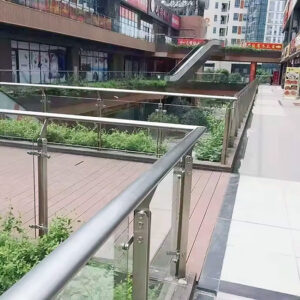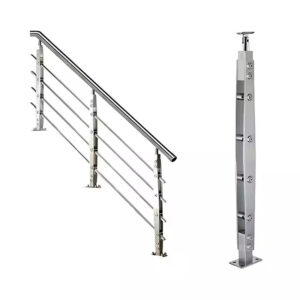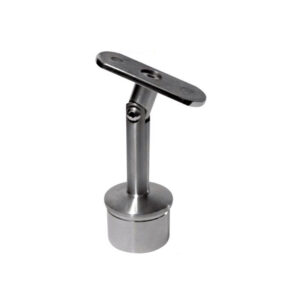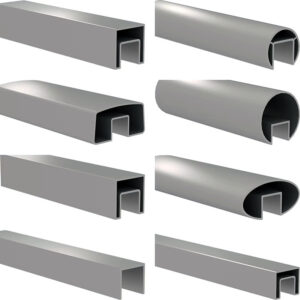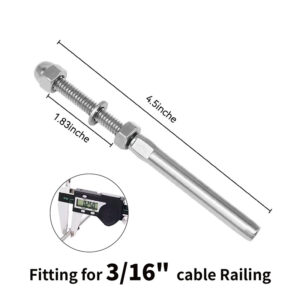
In healthcare facility design, specifying staircase railings is a critical infection control decision, not just an architectural detail. The wrong material or design creates reservoirs for pathogens, undermining clinical hygiene protocols and increasing transmission risk. This challenge demands a shift from viewing railings as passive infrastructure to recognizing them as active components in the infection prevention ecosystem.
Attention to this specification is urgent. Rising healthcare-associated infection (HAI) rates and evolving regulatory scrutiny place environmental surfaces under a microscope. The selection between passive stainless steel barriers and active antimicrobial copper alloys involves a direct calculation of patient safety outcomes versus capital expenditure. Facility managers, architects, and infection control teams must collaborate to embed hygiene into the built environment through evidence-based material science and meticulous design.
Key Design Principles for Infection Control in Healthcare Railings
The Core Philosophy: Hostile Design
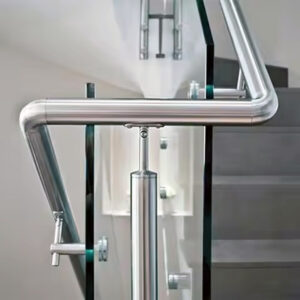
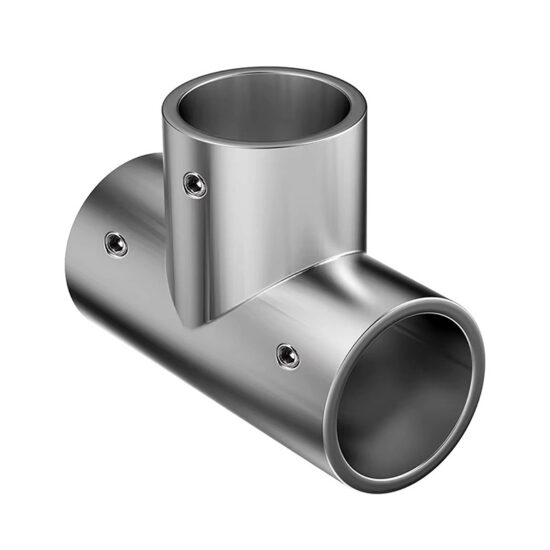
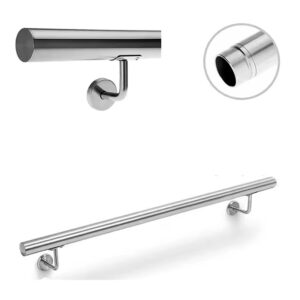
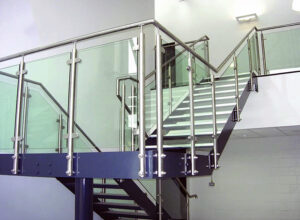
Effective infection control relies on creating surfaces inherently hostile to pathogens through geometry, not just chemistry. The goal is to eliminate features that harbor microbes. This requires a focus on seamless construction and continuous profiles. Welded connections are mandatory over mechanical fasteners; every screw or bolt head is a potential reservoir for moisture and debris. Handrail profiles must be smooth, favoring cylindrical or oval shapes that can be wiped clean in a single, uninterrupted pass.
Translating Principle to Detail
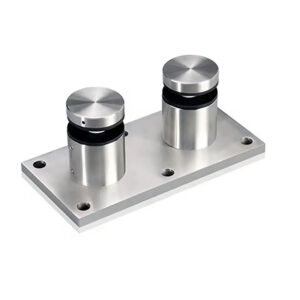
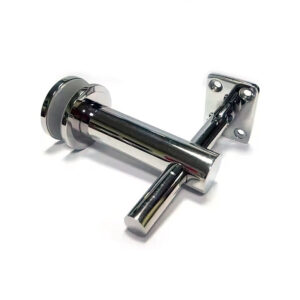
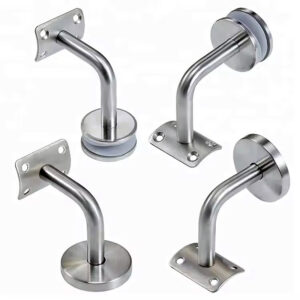
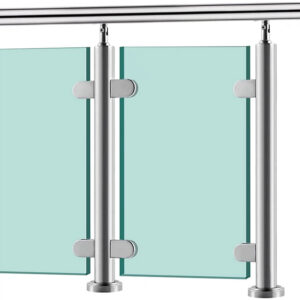
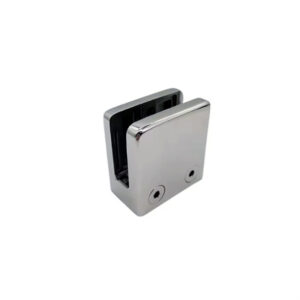
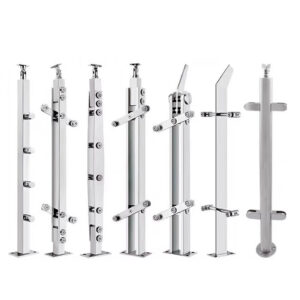
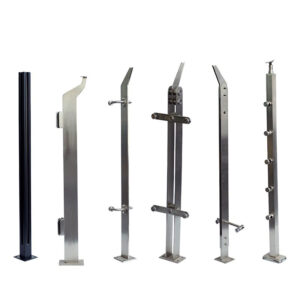
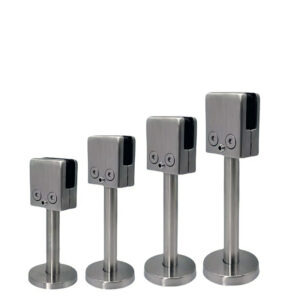
This philosophy directly informs the performance standard for “cleanable” surfaces. It’s not enough for a surface to be wiped; it must leave no niche for contamination to survive post-cleaning. Baluster connections, wall-mounted crash rails, and glass clamping systems must feature simple, accessible geometries with fully capped ends. In our review of project specifications, a commonly overlooked detail is the treatment of handrail ends at stair terminations—these must be radiused and sealed, not left open. Eliminating complexity reduces the specialized engineering demand for custom healthcare fabrication, ensuring designs are both hygienic and manufacturable.
The Strategic Outcome
The result is a railing system where architecture actively supports clinical function. By minimizing environmental transmission risk at the design stage, facilities gain a permanent, always-on layer of defense. This strategic integration of design and hygiene moves beyond reactive cleaning protocols, embedding prevention into the facility’s physical structure.
Stainless Steel vs. Copper Alloys: A Material Comparison
Mechanism of Action: Passive vs. Active
Material selection presents a fundamental choice between passive and active infection control. Stainless steel (Type 304 or 316) is the established standard. Its non-porous, smooth surface offers excellent durability and corrosion resistance, functioning as a cleanable barrier. However, evidence indicates pathogens can persist on stainless steel for days. Copper alloys like brass and bronze operate differently, releasing ions that continuously destroy bacterial cell membranes and DNA through a process called contact killing.
Evaluating Performance and Cost
The comparison extends beyond technical specs to clinical and financial impact. While stainless steel has lower initial cost and wide availability, copper alloys are linked to a proven reduction in ICU infection rates. This frames the decision as a long-term investment in patient safety and operational cost avoidance, not a simple line-item expense. The market allows for strategic zoning: specifying premium copper in high-risk areas like ICUs and using stainless steel in general circulation zones.
A Data-Driven Comparison
The following table clarifies the core differences between these materials, highlighting their distinct infection control mechanisms and value propositions.
| Material | Primary Infection Control Mechanism | Key Performance Metric | Initial Cost |
|---|---|---|---|
| Stainless Steel (304/316) | Passive barrier, cleanability | Pathogen persistence for days | Lower |
| Copper Alloys (Brass/Bronze) | Active antimicrobial, ionic release | >90% microbial reduction | Significant premium |
| Strategic Application | Zoning by infection risk | Links to clinical outcomes | Lifecycle value focus |
Source: CDC Guidelines for Environmental Infection Control in Health-Care Facilities.
Cost Analysis: Initial Investment vs. Long-Term Value
Moving Beyond Upfront Cost
A focus solely on upfront material cost fails to capture the total value equation. Stainless steel represents a known, manageable capital expense. Antimicrobial copper commands a significant premium. The analysis must shift to lifecycle cost and value-based outcomes. The higher initial investment in copper must be weighed against its demonstrated potential to reduce HAIs, which carry enormous clinical and financial burdens.
Quantifying Lifecycle Value
The long-term value of any material is tied to durability, maintenance, and clinical impact. Stainless steel’s structural strength and resistance to harsh cleaners ensure a long service life with predictable upkeep, provided its passive layer is maintained. Damage to any surface—scratched stainless or patinated copper—creates micro-crevices that compromise performance. Therefore, true cost analysis integrates initial material cost, installation complexity, maintenance cycles, and the projected impact on patient health outcomes.
Framing the Financial Decision
The table below breaks down the cost factors, illustrating how the decision transcends simple procurement and enters the realm of strategic operational investment.
| Cost Factor | Stainless Steel | Antimicrobial Copper |
|---|---|---|
| Initial Material Cost | Manageable capital expense | Significant premium |
| Long-Term Clinical Value | Predictable upkeep cost | 58% ICU infection rate reduction |
| Lifecycle Analysis Focus | Durability & maintenance cycles | Patient safety investment |
| Total Value Driver | Service life & protocol compatibility | HAI cost avoidance |
Source: Technical documentation and industry specifications.
Meeting ADA & Safety Codes Without Compromising Cleanability
The Integration Challenge
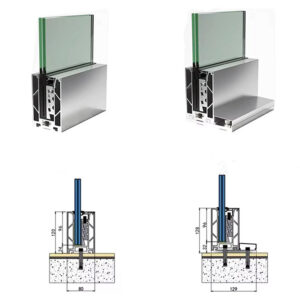
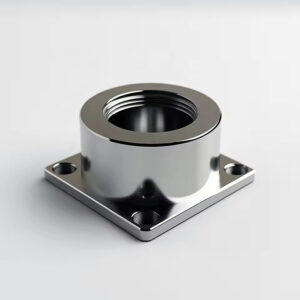
Merging stringent safety codes with infection control requires meticulous design coordination. The Americans with Disabilities Act (ADA) and building codes mandate specific requirements for graspability, continuity, clearance, and height. The challenge is meeting these without introducing hard-to-clean joints. For example, anchoring systems should use clean, flanged bases that can be wiped over, not complex floor sleeves that collect dust. Handrail extensions must be designed with sealed, radiused returns.
Engineering for Dual Compliance
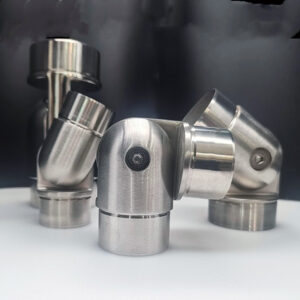
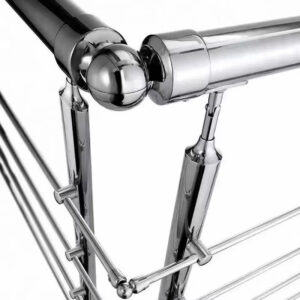
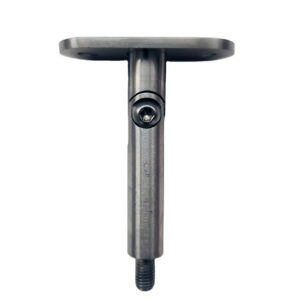
This integration inherently increases design complexity. Success moves beyond simple procurement into integrated design-build services. It necessitates early engagement with fabricators who specialize in healthcare-grade metals. They can navigate intricate details—ensuring a continuous grippable surface while maintaining seamless welds at transitions—that generalist shops might overlook. From our experience, the point where a horizontal rail meets a vertical support post is a critical detail that requires a custom-welded, polished connection to avoid a crevice.
A Unified Design Goal
The objective is a unified solution where code compliance and cleanability are not competing priorities but mutually reinforcing. This is achieved through expert detailing that treats every connection, termination, and support as an integral part of the hygiene strategy.
Cleanability Standards & Maintenance Protocols for Stainless Steel
Protocol-Driven Efficacy
The performance of stainless steel hinges on a rigorous, protocol-driven maintenance regime. Standards from the CDC and the FGI Guidelines for Design and Construction of Hospitals inform these protocols. Cleaning frequency is critical; railings in high-traffic areas require disinfection multiple times daily. Compatibility between the stainless steel alloy and hospital-grade disinfectants is paramount. Cleaners with high chloride content can pit the surface and damage its protective passive layer if used improperly.
The Partnership Between Design and Operations
This reliance underscores a strategic implication: facility managers must view architectural specifications as a foundational component of their hygiene protocol. Regular inspection for surface damage—scratches, dents, or corrosion—is essential preventative maintenance. Any breach creates micro-crevices that harbor bacteria. Manufacturers’ cleaning guidelines, often referencing standards like ASTM A967 Standard Specification for Chemical Passivation Treatments for Stainless Steel Parts, must be followed to preserve material integrity.
Operational Requirements for Success
The table below outlines the key protocol elements, highlighting the performance risks of neglecting this disciplined operational partnership.
| Protocol Element | Key Requirement | Performance Risk |
|---|---|---|
| Cleaning Frequency | Multiple times daily (high-traffic) | Inadequate pathogen removal |
| Disinfectant Compatibility | Must preserve passive layer | Chloride-induced pitting |
| Inspection Regime | Regular surface damage checks | Micro-crevice formation |
| Operational Foundation | Part of infection prevention plan | Compromised material integrity |
Source: CDC Guidelines for Environmental Infection Control in Health-Care Facilities and FGI Guidelines for Design and Construction of Hospitals.
Special Considerations for Behavioral Health & High-Impact Areas
Designing for Enhanced Safety
In behavioral health units and emergency departments, railing design must incorporate ligature-resistant and damage-resistant principles without sacrificing cleanability. Stainless steel is well-suited due to its strength. Ligature-resistant design mandates that all assemblies eliminate points where a cord can be fastened. This requires completely sealed connections, with all brackets, supports, and end caps permanently welded or sealed to the main rail, leaving no gaps.
The Need for Specialized Fabrication
These demanding requirements amplify the need for fabricator specialization. Projects in these areas fail without partners possessing proven, end-to-end expertise in healthcare metalwork. Designs may employ heavier gauge stainless steel and eliminate any fragile or protruding components. Glass infill, if used, must be laminated and impact-rated with secure, ligature-resistant clamping systems. The design shifts from standard support to a critical safety intervention.
A Non-Negotiable Standard
In these environments, material durability and meticulous fabrication are non-negotiable. The railing system becomes a primary safety feature, requiring engineering that anticipates high stress and deliberate impact while maintaining a seamless, cleanable surface.
How to Specify Stainless Steel for Healthcare Staircase Projects
Precision in Technical Language
Successful specification begins with precise language that enforces infection control and safety goals. Documents should mandate the stainless steel grade (e.g., Type 316 for superior corrosion resistance), specify seamless, welded construction with polished finishes, and explicitly prohibit crevices, exposed fasteners, or rough welds. Details should require continuous, grippable profiles that meet ADA dimensions and specify clean, wipeable base details.
Vendor Selection as a Critical Step
This process highlights the critical dependency on fabricator capabilities. Vendor selection must prioritize partners with dedicated healthcare divisions and proven experience. Specifiers should require evidence of past healthcare projects, in-house engineering for code compliance, and technical capacity for custom fabrication. Early collaboration with these specialized fabricators during design development is essential to navigate complex requirements and avoid costly field modifications. Engaging a partner with deep healthcare railing expertise ensures the specification is both ambitious and executable.
Performance as a Deliverable
Performance criteria should include compatibility with an approved list of hospital disinfectants. The specification should not just describe a product but define a performance outcome: a railing system that supports the facility’s clinical mission through superior design and material execution.
Selecting the Right Railing System: A Decision Framework
A Structured Four-Phase Approach
A structured framework moves selection beyond material choice to holistic system evaluation. First, conduct a risk-based zoning analysis. Align material performance with area-specific risks—antimicrobial copper for ICUs, stainless steel for general circulation. Second, integrate all non-negotiable constraints: ADA/IBC code compliance, cleanability standards, and specialized needs like ligature resistance.
Evaluating Value and Partnership
Third, evaluate total lifecycle value. Balance initial cost against durability, maintenance, and potential clinical impact. Fourth, assess implementation partners based on integrated expertise. The chosen supplier must offer more than a product; they must provide design-assist, healthcare-specific engineering, and precision fabrication. This framework acknowledges that future designs may hybridize physical and touchless solutions.
The Decision Framework in Action
The following table outlines the phased decision process, providing a actionable checklist for project teams.
| Decision Phase | Primary Action | Key Consideration |
|---|---|---|
| 1. Risk Zoning | Align material with area risk | Copper for ICUs, Steel for general |
| 2. Constraint Integration | Mandate ADA, cleanability, safety | Ligature resistance in behavioral health |
| 3. Value Evaluation | Balance initial vs. lifecycle cost | Clinical impact & maintenance |
| 4. Partner Assessment | Verify healthcare-specific expertise | Design-assist & fabrication capability |
Source: FGI Guidelines for Design and Construction of Hospitals.
The specification of healthcare staircase railings is defined by three core priorities: embedding infection control into design geometry, making material decisions based on lifecycle value and clinical evidence, and engaging specialized fabrication expertise from project inception. These priorities transform a standard architectural component into a strategic asset for patient safety.
Need professional guidance to specify and fabricate railing systems that meet stringent healthcare standards? The team at Esang provides the integrated design-assist and manufacturing expertise required for these critical projects. Contact us to discuss your facility’s requirements.
Frequently Asked Questions
Q: How do you design a handrail to meet both ADA graspability rules and infection control standards?
A: You must specify a continuous cylindrical or oval profile with a diameter between 1.25 and 2 inches, mounted 34 to 38 inches high, while ensuring all connections are seamless welds, not mechanical fasteners. Anchoring systems should use flanged, wipeable bases instead of dust-collecting sleeves. This integration increases design complexity, so you should engage specialized healthcare fabricators early to ensure code compliance and cleanability are unified, not competing, goals. The FGI Guidelines for Design and Construction of Hospitals provide essential dimensional and safety criteria.
Q: When should a hospital specify antimicrobial copper alloys over standard stainless steel for railings?
A: Specify copper alloys like brass or bronze in high-risk, high-touch zones such as ICUs and emergency department stairwells, where clinical evidence shows they can reduce surface microbes by over 90%. Use standard stainless steel in lower-traffic general circulation areas. This zoning strategy frames the higher material cost as a direct investment in patient safety and potential HAI reduction, not just a capital expense.
Q: What are the critical maintenance protocols for preserving stainless steel’s cleanability in a hospital?
A: You must establish a protocol-driven cleaning schedule using hospital-grade disinfectants compatible with the specific stainless steel alloy to avoid damaging its protective passive layer. Inspect surfaces regularly for scratches or dents that create micro-crevices. This means facility managers must treat architectural specifications as a foundational part of the hygiene plan, requiring disciplined operational commitment to preserve material integrity. The CDC Guidelines for Environmental Infection Control inform these critical cleaning and disinfection practices.
Q: How do you specify stainless steel to ensure it meets healthcare-grade fabrication standards?
A: Your specifications must mandate the alloy grade (e.g., Type 316), require seamless welded construction with polished finishes, and explicitly prohibit exposed fasteners or rough welds. Include performance criteria for disinfectant compatibility. This process highlights dependency on specialized fabricators, so you should select vendors with proven healthcare project experience and in-house engineering capacity to avoid costly field modifications.
Q: What design features are non-negotiable for railings in behavioral health or high-impact areas?
A: You need ligature-resistant design with all connections permanently welded or sealed, tamper-proof fasteners installed flush, and the elimination of any gap where a cord could be fastened. This often requires heavier-gauge stainless steel and impact-rated materials. For projects in these areas, expect to partner exclusively with fabricators possessing end-to-end expertise in high-strength, custom healthcare metalwork, as generalist shops lack the necessary engineering rigor.
Q: How should we evaluate the total cost of a railing system beyond the initial material price?
A: Conduct a lifecycle analysis that balances initial cost against durability, expected maintenance cycles, and the projected impact on patient health outcomes. While stainless steel has a lower upfront cost, antimicrobial copper’s potential to reduce HAIs represents a long-term operational cost avoidance. This means proactive health systems should pilot materials in strategic zones to build internal data on clinical and financial value before wider specification.
Q: Why is passivation important for stainless steel railings, and what standard governs it?
A: Passivation removes free iron and contaminants from the stainless steel surface, enhancing its inherent corrosion resistance and ensuring a durable, cleanable finish that withstands harsh cleaners. The process and testing criteria are defined in ASTM A967. This means your project specifications should require evidence of proper passivation to guarantee the material’s long-term performance and hygiene in a demanding healthcare environment.