Designing compliant outdoor stair railings for commercial buildings is a precise engineering challenge where safety, accessibility, and structural integrity intersect. A common misconception is that meeting one code automatically satisfies all others, but the reality is more complex. The ADA and IBC have distinct, sometimes overlapping, requirements that must be integrated from the outset. Overlooking the specific triggers for ADA compliance, such as whether a stair is part of a required means of egress, can lead to costly retrofits and legal exposure.
Attention to these details is critical now as building codes evolve and enforcement tightens. The convergence of life safety and accessibility standards demands a holistic approach. Specifying stainless steel railings that are both durable and compliant requires a deep understanding of technical specifications for height, load, and design. This article provides the authoritative framework needed to navigate these requirements and implement a successful, code-compliant installation.
Key IBC and ADA Requirements for Outdoor Stair Railings
Understanding the Regulatory Scope
The first step is determining which codes apply. The ADA Standards govern accessibility for stairs that are part of a required means of egress in commercial facilities, including exit discharge paths. This creates a critical dependency on building egress plans to determine compliance triggers, not just the physical presence of stairs. The IBC provides complementary structural safety requirements for guards and handrails. Key exceptions exist for stairs not on an egress route and in certain alteration scenarios, but any modified handrail must comply. This regulatory intersection means architects must integrate accessibility analysis with life safety planning from a project’s outset.
The Intersection of Safety and Accessibility
A compliant design seamlessly merges IBC’s structural mandates with ADA’s usability specifications. The IBC sets the floor for safety with requirements for guard height and load capacity, while the ADA defines the precise parameters for handrail use. This technical overlap is where most design conflicts arise, particularly when a guard’s top rail is intended to also serve as the handrail. Navigating this requires specialized expertise to avoid installation conflicts that compromise either function. In my experience, the most successful projects treat code compliance not as a checklist but as an integrated design principle from schematic design onward.
Handrail Height: Navigating ADA and IBC Guard Standards
Defining the Critical Height Zones
A primary and consistent requirement is handrail height. The top of the gripping surface must be between 34 and 38 inches vertically above the stair nosing, and this height must be consistent for the entire flight, including landings. Simultaneously, the IBC mandates a minimum 42-inch-high guard on stairs. If the guard’s top rail serves as the handrail, it must meet the 34-38 inch range and all graspability specs, often necessitating a secondary handrail within the guard structure. This dual requirement creates a narrow band for compliant design.
Special Considerations for Diverse Users
For facilities primarily serving children, such as schools and daycare centers, a second, lower handrail is recommended. This creates a specialized design niche, moving suppliers beyond one-size-fits-all solutions. The secondary rail has a maximum height of 28 inches and requires a minimum 9-inch vertical clearance from the primary rail. This specification ensures usability for smaller individuals while maintaining the primary rail’s compliance for adults. Industry experts recommend specifying these dual systems early to coordinate support brackets and structural attachments.
| Component | Height Requirement | Application / Notes |
|---|---|---|
| Handrail (Top) | 34 – 38 inches | Above stair nosing |
| Guard (Minimum) | 42 inches | IBC structural safety |
| Secondary Handrail (Children) | 28 inches max | For educational facilities |
| Vertical Clearance (Children) | 9 inches min | Between primary & secondary rail |
Source: ADA Standards for Accessible Design and International Building Code (IBC). The ADA sets the 34-38 inch handrail height range for accessibility, while the IBC mandates the 42-inch minimum guard height for fall prevention.
Structural Load Requirements for Stainless Steel Railings
Performance Under Prescribed Forces
While ADA governs accessibility dimensions, the IBC dictates structural performance. Stainless steel systems must withstand significant forces to ensure they can arrest a fall. Handrails and guards must resist a concentrated load of 200 pounds applied at any point and a uniform load of 50 pounds per linear foot applied at the top. These mandates are non-negotiable and form the basis for material selection and connection design. Infill components, such as panels or balusters, must resist a horizontal load of 50 plf over their area.
Ensuring Material and Connection Integrity
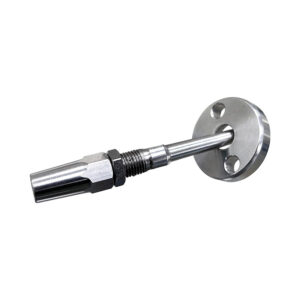
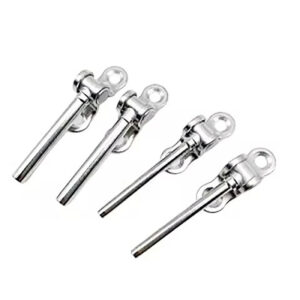
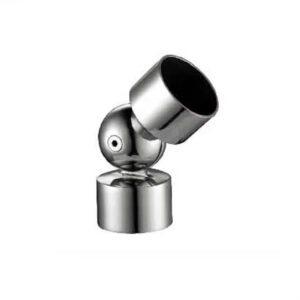
Material and connection integrity are paramount. Stainless steel fittings must prevent rotation and handle these loads without failure over decades of outdoor exposure. This performance requirement underscores why post-installation modifications, like adding unauthorized attachments or skateboard deterrents, can compromise structural integrity and void compliance. Such alterations extend liability through the asset’s entire lifecycle. We compared various connection methods and found that welded or mechanically locked fittings certified by the manufacturer for the specified loads provide the most reliable long-term performance.
| Load Type | Requirement | Applied To |
|---|---|---|
| Concentrated Load | 200 pounds | Any point on handrail/guard |
| Uniform Load | 50 plf | Top of handrail/guard |
| Horizontal Load (Infill) | 50 plf | Over infill component area |
Source: International Building Code (IBC). The IBC provides the structural performance criteria for handrails and guards, ensuring they can withstand specified forces to arrest a fall and support weight.
Handrail Design: Gripping Surface and Clearance Specifications
The Geometry of a Compliant Grip
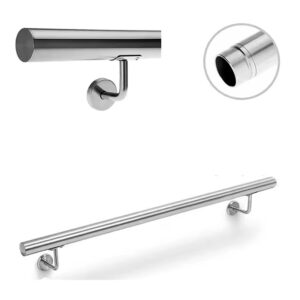
The handrail’s physical design is strictly regulated for continuous support. Its cross-section is precisely defined to accommodate a power grip. Circular profiles require a 1.25-inch to 2-inch outside diameter, while non-circular profiles need a 4-inch to 6.25-inch perimeter. This specification directly dictates material use and manufacturing, creating a defined market segment for compliant profiles. The gripping surface must be continuous for the full stair length and extensions, with no obstructions along its top or sides.
Navigating Clearance and Mounting Constraints
A minimum 1.5-inch clearance is required between the gripping surface and any adjacent wall to facilitate a proper grip. These rules create a narrow “compliance zone,” constraining bracket design and mounting. Easily overlooked details include the need for this clearance to be maintained around brackets and at wall returns. Precise spatial coordination and BIM modeling are critical to avoid installation conflicts where structural elements or finishes encroach on this mandatory space.
| Parameter | Specification | Profile Type |
|---|---|---|
| Outside Diameter | 1.25 – 2 inches | Circular |
| Perimeter | 4 – 6.25 inches | Non-circular |
| Wall Clearance | 1.5 inches minimum | All profiles |
| Surface Condition | Continuous & unobstructed | Full stair length |
Source: ICC A117.1 Accessible and Usable Buildings and Facilities. This standard details the precise technical specifications for handrail gripping surfaces and clearances to ensure usability for individuals with disabilities.
Top and Bottom Handrail Extension Rules Explained
The Purpose and Measurement of Extensions
Extensions provide stable support before ascending or after descending a stair. At the top, the handrail must extend horizontally at least 12 inches above the landing. At the bottom, it must extend at the stair’s slope for a horizontal distance equal to one tread depth. These extensions must return to a wall, guard, or floor to prevent hazardous protrusions into circulation paths. This return is a critical safety feature often minimized in value engineering but is essential for compliance.
The Critical Alteration Exception
In alteration projects, a significant exception exists. If a full extension would project hazardously into a circulation path, it may be shortened or turned. This exception acknowledges real-world site constraints but shifts the compliance burden to professional judgment. It requires formal documentation of the hazardous condition to justify deviations and defend against future compliance challenges. Relying on this exception without thorough documentation creates liability.
| Location | Extension Requirement | Key Condition |
|---|---|---|
| Top of Stair | 12 inches horizontally | Above landing |
| Bottom of Stair | One tread depth horizontally | At stair slope |
| Extension Return | To wall, guard, or floor | Prevents hazardous protrusions |
| Alteration Exception | Shortened or turned | If full extension creates hazard |
Source: ICC A117.1 Accessible and Usable Buildings and Facilities. The standard defines the required handrail extensions for stability and includes the critical exception for alteration projects where a hazard exists.
Integrating Handrails with Guards for Full Compliance
Solving the Common Design Challenge
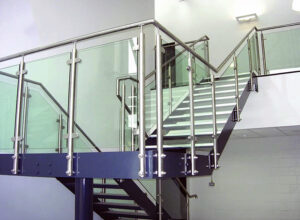
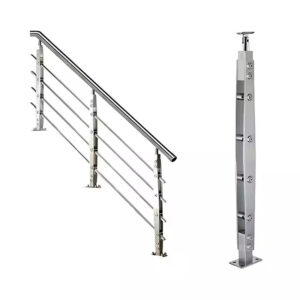
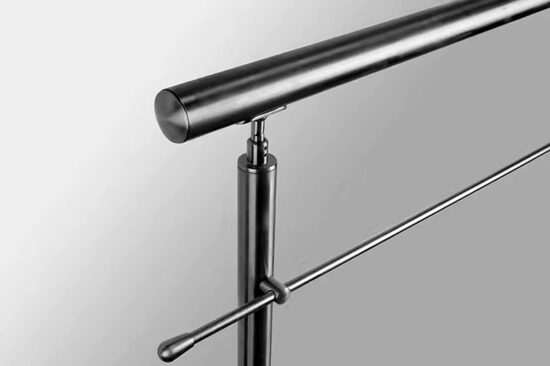
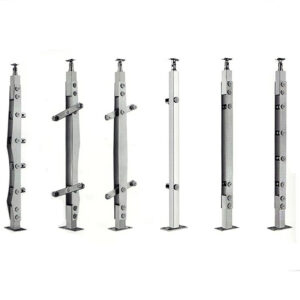
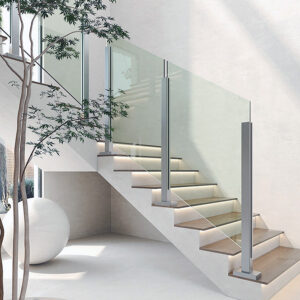
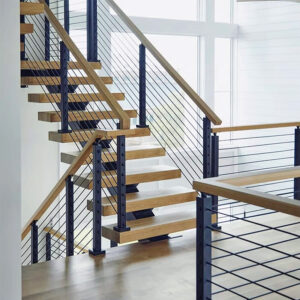
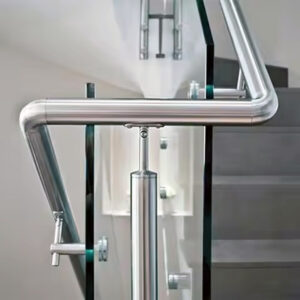
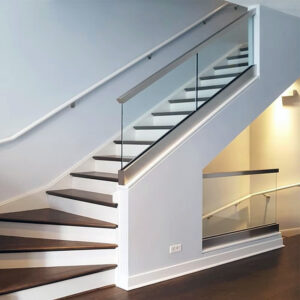
A frequent design challenge is integrating the handrail with the required 42-inch guard. The guard’s top rail can serve as the handrail only if it meets all height, clearance, and gripping surface specifications. Often, this is not feasible, requiring a separate graspable handrail to be installed within the guard structure. Stairways require handrails on both sides, with a clear width of at least 36 inches between them. This integration must be planned for in the structural design of the guard posts and infill.
Prioritizing Continuous Function Over Aesthetics
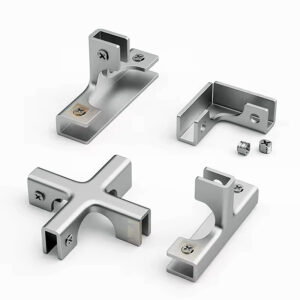
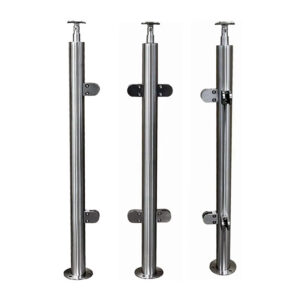
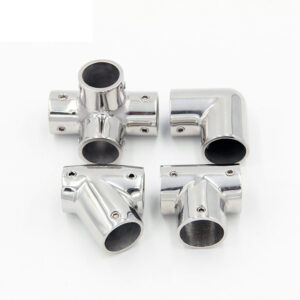
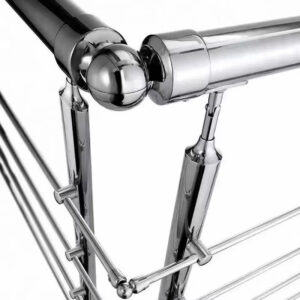
The requirement for a continuous, unobstructed gripping surface along the entire flight limits aesthetic choices for joints and support attachments. Functional safety takes priority. This technical mandate means product selection must be rigorously vetted. Components like internal connectors or sleeve joints must not create prohibited obstructions along the gripping surface. Specifying pre-engineered, code-certified systems for commercial outdoor stair railings reduces risk by ensuring all components are designed for integrated compliance.
Best Practices for Outdoor Stainless Steel Railing Durability
Selecting Materials for Longevity
For outdoor commercial use, stainless steel is favored for its corrosion resistance, but durability extends beyond alloy selection. Grade 316 stainless steel is often specified for coastal or high-chloride environments due to its superior molybdenum content. However, durability also involves design details. Treads and risers must have surfaces that prevent the passage of a 0.5-inch sphere, and while not mandated by the ADA for most stairs, providing visual contrast on stair nosings is a recommended best practice to aid individuals with low vision.
Designing for Maintenance and Integrity
The prohibitions against sharp edges and rotational fittings highlight that maintenance and repairs must preserve the original compliant state. Connections should be designed to prevent water entrapment and crevice corrosion. As the market matures, competitive advantage is shifting toward products that seamlessly integrate these durability and accessibility features with aesthetic appeal. This moves the conversation beyond mere compliance to “accessibility-integrated” design, which appeals to architects seeking both beauty and long-term performance.
Implementing a Compliant Design: A Step-by-Step Checklist
A Systematic Approach to Specification
Successful implementation requires a methodical process. First, determine if the stair is part of a required means of egress to trigger ADA compliance. Next, specify handrail heights between 34-38 inches, ensuring consistency, and plan for the 42-inch guard. Select stainless steel components and connections certified to meet IBC structural loads. Choose handrail profiles with compliant cross-sections and design for continuous gripping surfaces with proper wall clearance.
Leveraging Technology for Coordination
Plan for top and bottom extensions with proper returns, documenting any exceptions for alterations. Finally, utilize intelligent BIM objects with embedded compliance logic for spatial coordination and clash detection. This level of complexity is driving demand for certified specialist contractors who can guarantee compliance and reduce owner liability. A detailed checklist ensures no critical requirement is missed during design, procurement, or installation.
The core decision points hinge on early integration of egress analysis with accessibility goals, rigorous specification of load-rated components, and meticulous coordination of clearances and extensions. Prioritize systems designed for integrated compliance over piecemeal assembly to mitigate risk. The implementation framework must be locked in during design development to avoid costly field adjustments.
Need professional guidance specifying IBC and ADA compliant stainless steel railings for your next project? The technical specialists at Esang provide engineered solutions and support to navigate these complex requirements from design through installation.
For a direct consultation on your specific application, you can also Contact Us.
Frequently Asked Questions
Q: When do the ADA Standards for Accessible Design apply to outdoor stair railings?
A: The ADA Standards for Accessible Design apply specifically to stairs that are part of a required means of egress in commercial facilities, including exit discharge paths. Compliance is triggered by the building’s egress plan, not merely the presence of stairs. This means architects must integrate accessibility analysis with life safety planning from the project’s outset to avoid costly retrofits.
Q: What are the structural load requirements for stainless steel stair railings?
A: The International Building Code (IBC) mandates that handrails and guards must resist a concentrated load of 200 pounds at any point and a uniform load of 50 pounds per linear foot applied at the top. Infill components must withstand a horizontal load of 50 plf. This performance requirement underscores why post-installation modifications can compromise structural integrity and void compliance, extending liability through the asset’s lifecycle.
Q: How do you integrate a compliant handrail with a required guard on a stairway?
A: A guard’s top rail can serve as the handrail only if it meets all height, clearance, and gripping surface specifications from ICC A117.1. Often, a separate graspable handrail is installed within the guard structure. This technical mandate means product selection must be rigorously vetted to ensure components like internal connectors do not create prohibited obstructions along the continuous gripping surface.
Q: What are the specific rules for handrail extensions at the top and bottom of a stair?
A: At the top, the handrail must extend horizontally at least 12 inches above the landing. At the bottom, it must extend at the stair’s slope for a horizontal distance equal to one tread depth. These extensions must return to a wall, guard, or floor. For projects where a full extension would project hazardously into a circulation path, you must formally document the condition to justify a deviation.
Q: What are the critical specifications for a compliant handrail gripping surface?
A: The gripping surface must be continuous and have a specific cross-section: circular profiles require a 1.25-inch to 2-inch outside diameter, while non-circular profiles need a 4-inch to 6.25-inch perimeter. A minimum 1.5-inch clearance is required between the gripping surface and any adjacent wall. These rules create a narrow compliance zone, making precise spatial coordination and BIM modeling critical to avoid installation conflicts.
Q: How do handrail height requirements differ for facilities serving children?
A: While the primary handrail height remains 34-38 inches, a second, lower handrail is recommended for facilities primarily serving children. This secondary rail has a maximum height of 28 inches and requires a minimum 9-inch vertical clearance from the primary rail. This dual-height requirement creates a specialized design niche for educational and childcare facilities, moving suppliers beyond one-size-fits-all solutions.
Q: What are the best practices for ensuring outdoor stainless steel railing durability?
A: Beyond selecting corrosion-resistant stainless steel, ensure treads and risers prevent the passage of a 0.5-inch sphere. Providing visual contrast on stair nosings is a recommended best practice to aid individuals with low vision. Prohibitions against sharp edges and rotational fittings mean maintenance must preserve the original compliant state. This drives competitive advantage toward products that integrate durability and accessibility features with aesthetic appeal.