Selecting the right outdoor stair railing system is a critical design and safety decision that extends far beyond aesthetics. For architects, contractors, and facility managers, the choice between cable, pipe, and glass infill systems involves navigating a complex matrix of visibility, code compliance, durability, and total cost of ownership. A misstep in material specification or system engineering can lead to safety liabilities, premature corrosion, and budget overruns.
This comparison is essential now as building codes evolve and client expectations for both safety and design transparency rise. The market has segmented into distinct performance tiers, where the infill choice dictates not just the look but the entire structural and maintenance profile of the installation. Making an informed selection requires moving beyond initial cost to analyze lifetime value and environmental resilience.
Cable vs Pipe vs Glass: Core Design & Visibility Differences
Defining the Visual Character
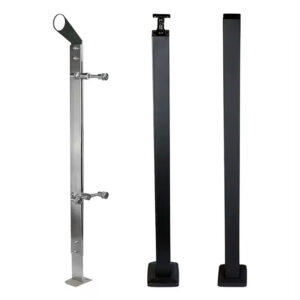
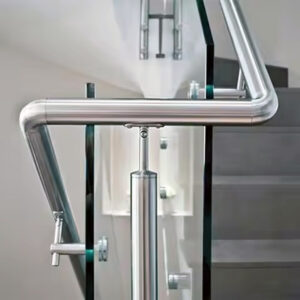
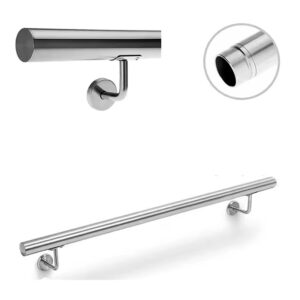
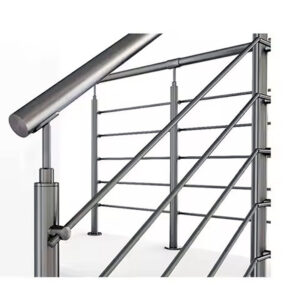
The infill material fundamentally dictates the architectural language and functional transparency of a stair system. Cable rail utilizes horizontal, tensioned stainless steel cables to create a series of fine lines. This design maximizes view preservation with minimal visual interruption, ideal for projects where blending indoor and outdoor spaces is a priority. Pipe rail, with its vertical or horizontal stainless steel balusters, establishes a rhythmic, structured pattern. It provides a more traditional or industrial presence, defining boundaries clearly while segmenting the view.
The Transparency Spectrum
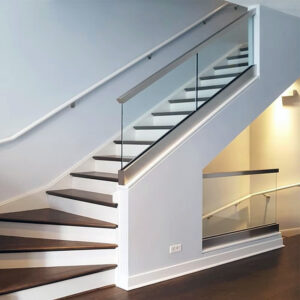
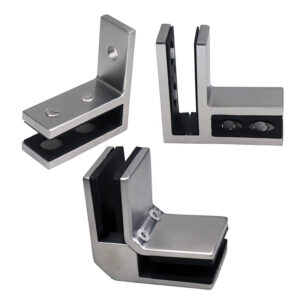
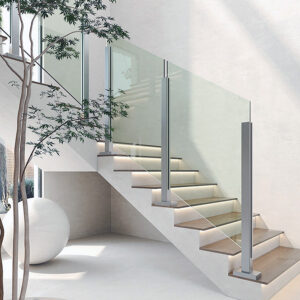
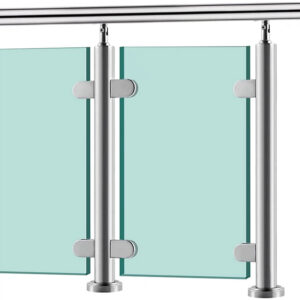
Glass infill represents the extreme end of the visibility spectrum, acting as a completely transparent, solid barrier. It delivers an uninterrupted panorama, functioning as an invisible shield that is particularly suited to high-end contemporary designs. This evolution signifies that “visibility” is evolving from feature to core design parameter. The choice is no longer just stylistic; it’s a primary functional requirement for managing sightlines and view corridors, directly influencing spatial perception.
Architectural Application and Fit
Each system aligns with specific architectural intents. Cable rail’s horizontal lines complement modern, minimalist designs. Pipe rail offers versatile patterning for projects requiring a defined, substantial boundary. Glass is the premier choice where preserving an absolute sightline is paramount. In our specification reviews, we consistently see that aesthetic preference must be validated against technical feasibility, especially for cable systems where post engineering is critical for maintaining tension and safety.
Cost Comparison: Installation, Maintenance & Lifetime Value
Analyzing Initial Investment
A true cost analysis starts with understanding the drivers behind initial installation expenses. Pipe rail systems often present a moderate upfront cost, with complexity—and therefore price—increasing with intricate welding patterns. Cable systems require specialized tensioning hardware and skilled labor for precise installation, elevating initial costs. Glass infill carries the highest material and installation cost due to custom-fabricated tempered panels and the robust, corrosion-resistant framing required to support them.
Understanding Lifetime Cost Drivers
The critical shift in budgeting must be from purchase price to total cost of ownership. Material selection dictates total cost of ownership. A system built with premium 316-grade stainless steel, while more expensive initially, will incur minimal upkeep and avoid the recurring costs of protective coatings or premature replacement. Industry experts recommend a lifecycle cost analysis for every commercial project to avoid long-term maintenance liabilities that can dwarf the initial savings from a lower-grade material.
Comparative Cost Framework
The following table provides a high-level comparison of the cost structures across the three systems, highlighting the trade-offs between initial investment and long-term value.
| System | Initial Cost | Long-Term Maintenance | Lifetime Value |
|---|---|---|---|
| Cable Rail | High | Moderate | High |
| Pipe Rail | Moderate | Low | Moderate |
| Glass Infill | Highest | High | Premium |
Source: Technical documentation and industry specifications.
Which System Is Better for Code Compliance & Safety?
The Universal Code Baseline
All systems must meet the minimum safety requirements set forth by the ICC IBC International Building Code. This includes a 42-inch minimum height for commercial stairs and the ability to resist a 200-pound concentrated load applied at any point. Compliance is non-negotiable, but the path to achieving it differs significantly based on infill type. Pipe rail compliance focuses intensely on baluster spacing and connection weld integrity, while glass systems mandate the use of tempered safety glass.
Engineering for Safety in Cable Systems
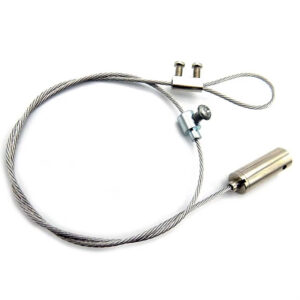
For cable rail, safety is not a byproduct but an engineered outcome. The primary concern is preventing the passage of a 4-inch sphere, which dictates that the spacing between cables must not exceed 4 inches under any load condition. Cable system engineering balances tension and deflection. To ensure the sphere rule is not violated when a load is applied, installed spacing is typically limited to 3 inches. Furthermore, spans between posts exceeding 4 feet often require intermediate stabilizers to control cable deflection.
Compliance Comparison by System
The table below outlines how each system addresses key code requirements, providing a clear reference for specification and planning.
| System | Key Code Requirement | Typical Spacing Limit | Critical Load |
|---|---|---|---|
| Cable Rail | 4-inch sphere rule | 3 inches | 200-pound concentrated |
| Pipe Rail | Baluster spacing | Under 4 inches | 200-pound concentrated |
| Glass Infill | Tempered safety glass | N/A (solid panel) | 200-pound concentrated |
Source: ICC IBC International Building Code. The IBC sets the foundational safety criteria for all systems, including the 42-inch height, 200-pound load, and the 4-inch sphere rule which directly informs cable spacing and baluster placement.
Performance Compared: Durability in Harsh Outdoor Environments
The Primacy of Material Grade
Long-term durability in outdoor applications is overwhelmingly dictated by the specification of stainless steel grade. Environmental classification drives steel grade specification. For environments with high chloride exposure—such as coastal regions or areas using de-icing salts—Type 316 stainless steel, with its added molybdenum, is the technical minimum for all components. Using Type 304 in these conditions invites pitting and crevice corrosion, leading to premature failure.
Critical Durability Factors by System
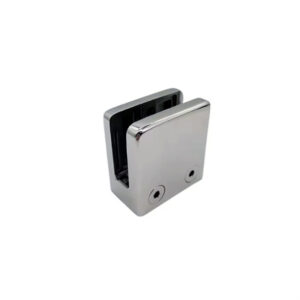
Beyond the base alloy, specific factors determine each system’s resilience. For pipe rail, the integrity of welds is paramount; all welds must be properly finished to match the corrosion resistance of the parent material. Cable systems require meticulous specification of all hardware—turnbuckles, tensioners, end fittings—to the same grade as the cable. Glass systems depend entirely on the corrosion resistance of their framing channels and fittings. Finish and treatment are critical for harsh environments. Electropolishing, for instance, provides a superior passive layer compared to standard passivation.
Durability Specification Guide
A systematic approach to material specification, as shown in the table, is the first defense against environmental degradation.
| System | Critical Material Grade | Key Durability Factor | Environmental Suitability |
|---|---|---|---|
| Cable Rail | Type 316 stainless steel | Hardware specification | Coastal, de-icing salt zones |
| Pipe Rail | Type 316 stainless steel | Weld finish integrity | All environments |
| Glass Infill | Type 316 framing | Corrosion-resistant framing | All environments |
Source: ASTM A276 Standard Specification for Stainless Steel Bars and Shapes. This standard governs the material specifications for stainless steel posts and structural components, ensuring the required corrosion resistance (e.g., 304 vs. 316 grade) for long-term outdoor durability.
Maintenance Requirements: Long-Term Care for Each System
Routine Upkeep Tasks
Long-term operational requirements vary significantly. Pipe rail systems are generally low-maintenance, needing only periodic cleaning and inspection of connections for integrity. Cable systems demand a more active regimen: regular checking and re-tensioning of cables to maintain safety and appearance, plus vigilant inspection of all hardware for corrosion. Glass infill requires the most frequent cleaning to maintain optical clarity and prevent permanent water spotting or mineral deposits on the surface.
The Sustainability Shift
The strategic implication of sustainability shifting from material recyclability to durability is key here. The most sustainable system is often the one that lasts the longest with the least intervention. The low-maintenance, long-service life of a properly specified stainless steel system creates a stronger environmental argument than recycled content alone. It reduces the resource consumption and waste associated with frequent repairs, recoating, or full replacement cycles.
Maintenance Schedule Overview
Understanding the commitment required for each system allows for accurate long-term facility planning and budgeting.
| System | Primary Maintenance Task | Frequency | Sustainability Driver |
|---|---|---|---|
| Cable Rail | Cable tension checking | Regular | Durability over recyclability |
| Pipe Rail | Connection inspection | Periodic | Long service life |
| Glass Infill | Surface cleaning | Frequent | Reduced replacement cycles |
Source: Technical documentation and industry specifications.
Key Selection Criteria for Your Commercial Project
Step 1: Conduct a Mandatory Site Analysis
The first, non-negotiable step is a thorough site analysis. This assessment of environmental exposure—proximity to saltwater, industrial pollutants, or de-icing agents—mandates the correct stainless steel grade (304 vs. 316). This decision cannot be deferred to value engineering; it is a technical requirement for durability. Following this, clearly define the primary design goal: is it maximum view preservation (prioritizing cable or glass) or creating a structured, architectural definition (leaning toward pipe)?
Step 2: Specify Installation and Structural Details
The next criteria involve technical execution. Installation method determines aesthetic and structural outcome. For cable rail, the choice between surface-mount hardware (easier adjustment, visible fittings) and through-post design (cleaner look, more complex fabrication) has lasting visual and functional consequences. Most critically, post material compatibility governs system integrity. Posts must be engineered to handle cumulative loads; for cable systems, end posts can bear over 2,600 pounds of tension and require robust anchoring, a detail often underestimated in preliminary designs.
A Structured Selection Process
A disciplined, step-by-step approach ensures all technical and aesthetic parameters are addressed, as outlined in the following framework.
| Selection Step | Primary Question | Technical Parameter | Example Specification |
|---|---|---|---|
| 1. Site Analysis | Environmental exposure? | Stainless steel grade | 304 vs. 316 |
| 2. Design Goal | Maximum visibility? | Infill type | Cable or Glass |
| 3. Installation | Hardware visibility? | Mounting method | Surface vs. through-post |
| 4. Structural Integrity | Load handling? | Post engineering | >2,600 lbs tension |
Source: Technical documentation and industry specifications.
Decision Framework: How to Choose the Best System for You
Start with Non-Negotiable Constraints
Begin the decision process by locking down constraints that cannot be compromised. Code compliance and environmental durability are the foundation. These parameters dictate the minimum material grade (e.g., 316 stainless), infill spacing limits, and structural load requirements. This step filters out options that are technically unsuitable before aesthetic preferences are even discussed, ensuring the project starts on a compliant and durable footing.
Prioritize Core Project Drivers
Next, identify and prioritize the core drivers for the specific project. Is the paramount objective preserving a million-dollar view, achieving a specific architectural style, or adhering to a strict lifetime budget? This prioritization addresses the insight that DIY viability creates a bifurcated supply chain. Complex commercial projects demand engineered, professional-grade systems with documented testing and performance warranties, not consumer-grade kits. The driver determines which system tier is appropriate.
Integrate and Specify the Complete System
Finally, integrate all insights into a coherent specification. This means selecting a complete, compatible system—posts, infill, and all hardware—from a single performance tier. Ensure the installation method aligns with the design priority (e.g., through-post for a minimalist cable look). Validate that all components are specified to work together for long-term structural and aesthetic integrity, culminating in a system that meets the precise needs of commercial outdoor stair applications.
The optimal railing system balances immutable safety codes with project-specific goals for visibility, aesthetics, and budget. Prioritize environmental analysis to mandate the correct stainless steel grade, as this dictates decades of performance. Let the primary design driver—maximum transparency or defined structure—guide the infill choice, then engineer the supporting structure to match that selection’s specific load and installation demands.
Need professional guidance to specify a durable, code-compliant solution for your next project? The technical consultants at Esang can help translate these frameworks into a precise, engineered system tailored to your site conditions and design intent.
For a detailed review of your project specifications, you can also Contact Us directly.
Frequently Asked Questions
Q: How do I specify the correct stainless steel grade for a coastal outdoor railing project?
A: For coastal or de-icing salt environments, you must specify Type 316 stainless steel containing molybdenum as the technical minimum for corrosion resistance. The alloy’s chemical composition and mechanical properties should meet ASTM A276 for solid bar posts and ASTM A312 for tubular components. This means projects in harsh environments should budget for this premium grade to avoid premature failure and high lifecycle maintenance costs.
Q: What are the key engineering considerations for ensuring cable rail systems meet building code safety requirements?
A: Cable rail safety is an engineered outcome where tension balances deflection to meet the ICC IBC load requirement of 200 pounds. Installed cable spacing is typically limited to 3 inches to prevent a 4-inch sphere from passing under load, and post spans exceeding 4 feet often require stabilizers. For projects using cable, you must ensure the system provider supplies full engineering calculations for post strength and cable tension.
Q: How does the installation method for a cable system impact its long-term performance and aesthetics?
A: The installation method directly determines structural outcome and visual finish. You can choose surface-mount hardware, which allows easier adjustment but leaves fittings visible, or a through-post design that offers a cleaner look but requires more complex fabrication. This means your project’s primary design goal—maximizing a minimalist aesthetic versus simplifying future maintenance—should dictate the installation specification from the outset.
Q: What maintenance should we plan for a glass infill system on an exterior commercial staircase?
A: Plan for frequent cleaning to maintain optical clarity and prevent water spotting or mineral deposits. The glass itself, if specified as tempered safety glass per ASTM C1048, is durable, but its corrosion-resistant framing hardware must be inspected periodically. If your facility has limited maintenance access or high visibility standards, factor the recurring labor for cleaning into your operational budget.
Q: When comparing total cost, which railing system typically offers the best lifetime value for a commercial application?
A: A properly specified 316-grade stainless steel pipe or cable system often delivers superior lifetime value despite a higher initial cost. Its minimal upkeep and long service life avoid the recurring expenses of protective coatings or frequent component replacement. For projects with a long-term ownership model, you should conduct a lifecycle cost analysis that prioritizes durability over the lowest upfront bid.
Q: How do I choose between cable, pipe, and glass based on architectural design goals?
A: Match the infill to your core architectural driver: cable for minimalist horizontal lines and openness, glass for a fully transparent, uninterrupted panorama, or pipe for a structured, traditional presence with rhythmic patterns. This reflects a market segmented into performance tiers, where your aesthetic choice should align with a corresponding tier of material grade and finish specifications for a cohesive outcome.
Q: What is the most critical first step in selecting an outdoor railing system for a new building?
A: Conduct a thorough site analysis to classify environmental exposure, as this non-negotiable step dictates the required stainless steel grade and finish treatments. This analysis prevents material underspecification, which is a primary cause of premature corrosion and failure. Before evaluating aesthetics or cost, you must document exposure to coastal salt, de-icing chemicals, or industrial pollutants to inform all subsequent material decisions.