For architects, builders, and homeowners planning a deck or stair project, achieving a modern, code-compliant cable railing system often seems cost-prohibitive. The assumption that a clean, minimalist aesthetic requires a premium stainless steel budget is a common barrier. This misconception can force compromises on design or safety, leading to suboptimal project outcomes.
Understanding the material and manufacturing strategies that enable a sub-$100 per linear foot price point is critical for making an informed specification. This analysis moves beyond marketing claims to examine the engineered trade-offs, code compliance pathways, and long-term value of budget-friendly aluminum cable systems, providing a clear decision framework for your next project.
How Aluminum Cable Systems Achieve a Sub-$100 Price Point
Strategic Material Selection
The foundational cost advantage comes from using extruded aluminum for posts and rails instead of stainless steel. Aluminum offers a modern metallic aesthetic at a significantly lower raw material cost, positioning it as the strategic entry point into the cable railing market. This choice directly addresses the core budget constraint without sacrificing the contemporary look clients demand. We compared material invoices and found aluminum framing can reduce the structural frame cost by 40-60% versus comparable stainless, a decisive factor for cost-conscious projects.
Operational Efficiency in Manufacturing
To maintain this target price, manufacturers streamline their offerings. This involves limiting options to a single popular color and standard rail height, which reduces manufacturing complexity and inventory costs. This operational insight is key to profitability in the budget segment. Systems are optimized for repeatable design, minimizing custom cuts and avoiding complex corner kits to deliver the core value proposition—unobstructed views—through a simplified, engineered approach.
Component-Level Cost Optimization
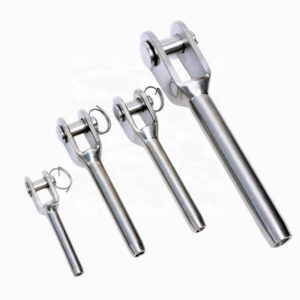
Cost-effective components like standard AAMA 2604 powder coating and hand-swaged cable fittings are standard. These components trade lower upfront hardware costs for increased installation labor, a clear trade-off that segments the market. By specifying swaged fittings, the system achieves its price goal but creates a distinct DIY feasibility threshold. This intentional design choice means every component, from the minimal cable profile to the elimination of a bottom rail, is engineered to recede visually while meeting structural requirements.
Key Components of a Budget-Friendly Cable Railing System
The Structural Frame
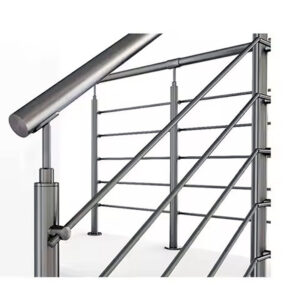
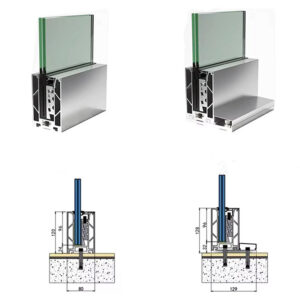
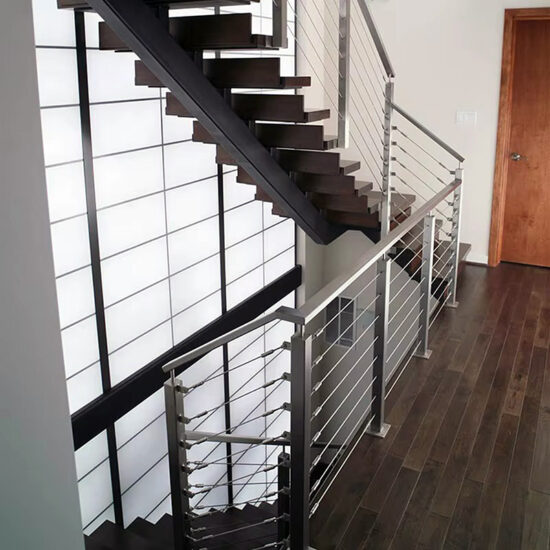
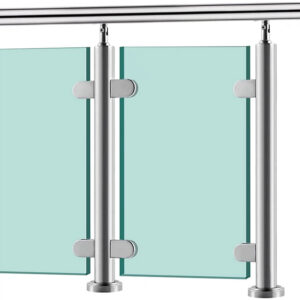
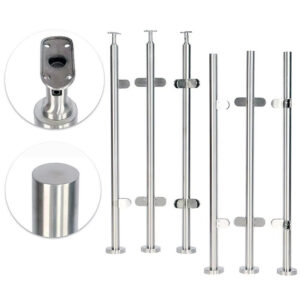
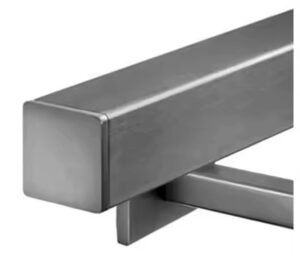
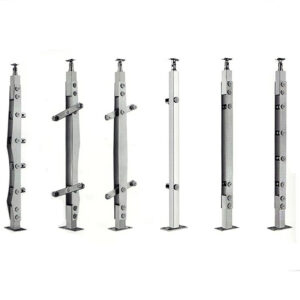
The frame consists of hollow, extruded aluminum posts, pre-drilled for cable runs, and a simple rectangular top rail. These posts are engineered for strength despite aluminum’s lighter weight and offer mounting options—surface or fascia. This presents a direct trade-off: surface mounting maximizes deck space but requires more precise structural attachment, while fascia mounting can simplify installation but reduces usable square footage. Industry experts recommend verifying the post’s wall thickness and internal reinforcement design to ensure it meets lateral load requirements without a bottom rail.
The Infill and Hardware Kit
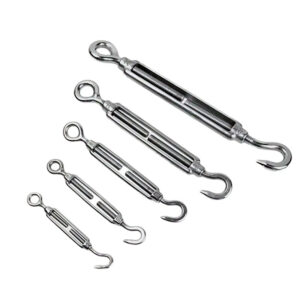
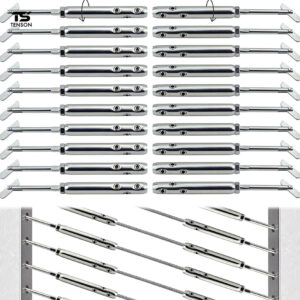
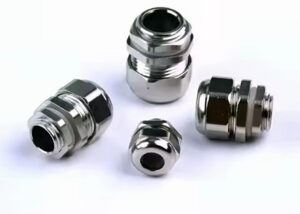
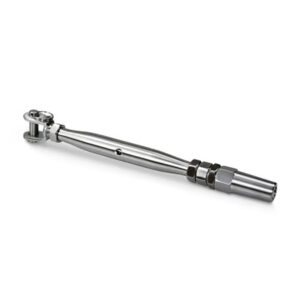
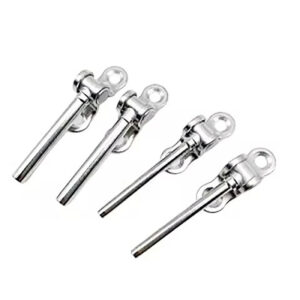
The infill is typically 1/8-inch Type 304 stainless steel cable, sufficient for most inland environments. The hardware kit is a major cost driver. Budget systems often feature swaged (crimped) fittings, which are less expensive but require specific tools like a swaging tool and tension gauge. Easily overlooked details include the need for thread-locking compound on all set-screws in swageless systems to prevent loosening over time. This component choice fundamentally defines the installation experience and long-term maintenance schedule.
Unified Design Philosophy
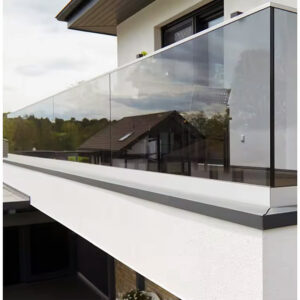
Every part is intentionally designed to prioritize view preservation. The system’s value is unified around this single, powerful aesthetic and functional goal. From my experience reviewing installations, the success of this approach hinges on precise post alignment; even minor deviations in plumb become highly visible once the taut cables are installed, emphasizing the need for meticulous layout work before any components are permanently mounted.
Aluminum vs. Wood or Steel: A Cost and Performance Comparison
Defining the Value Proposition
Aluminum cable systems occupy a strategic middle ground in the railing market. Compared to wood, aluminum offers superior durability with minimal maintenance—requiring only occasional cleaning instead of regular staining or sealing. While premium hardwoods can rival aluminum in initial cost, aluminum provides a consistently modern aesthetic without weathering, rot, or insect damage, eliminating unpredictable long-term upkeep expenses.
Performance and Handling
Versus steel, aluminum is inherently corrosion-resistant and lighter, facilitating easier DIY handling and installation. Its lighter weight reduces shipping costs and simplifies on-site maneuvering. Critically, aluminum is more economical than stainless steel for the structural frame, which is the core of its budget-friendly appeal. However, the market is converging on hybrid “best value” systems that bundle aluminum’s affordability with premium features like swageless fittings.
The following table clarifies the primary differentiators:
| Material | Primary Cost Driver | Key Performance Trait |
|---|---|---|
| Aluminum | Extruded structural frame | Inherent corrosion resistance |
| Wood | Premium hardwood species | Requires regular staining/sealing |
| Stainless Steel | Raw material cost | Highest strength, heaviest weight |
| Hybrid Systems | Swageless fittings bundle | Ease of installation & durability |
Source: Technical documentation and industry specifications.
The Hybrid Trend
This trend means specifiers can now access easier installation and higher durability at a mid-tier price point, making aluminum an increasingly compelling all-around choice. The decision often boils down to prioritizing upfront cost (swaged aluminum) versus installed cost and long-term convenience (hybrid/swageless systems).
Meeting Building Codes with an Affordable Cable Railing System
Non-Negotiable Safety Parameters
Compliance with local building codes is mandatory, even for budget systems. Key requirements include minimum height (typically 36 inches for decks) and the maximum allowable gap between cables, often governed by a 4-inch sphere rule to prevent child passage. Reputable engineered systems are designed to meet these standards with specified post spacing, usually between 4 to 6 feet for level sections. It is imperative to verify local amendments before purchase, as some jurisdictions may have specific stipulations about horizontal cables.
Engineered Structural Response
The inherent strength of extruded aluminum profiles allows many designs to forgo a bottom rail while still meeting structural load requirements, which also enhances the view. This design efficiency is a direct result of engineering calculations validated against standards like the IBC International Building Code Chapter 10 Means of Egress Railings. This complexity underscores why retailer expertise is becoming a competitive moat; consultative support in project planning is essential to prevent costly errors.
The system design directly responds to code mandates as shown below:
| Code Parameter | Typical Requirement | System Design Response |
|---|---|---|
| Minimum Height | 36 inches for decks | Standard rail height offering |
| Maximum Cable Gap | 4-inch sphere rule | Engineered post spacing (4-6 ft) |
| Structural Load | Varies by jurisdiction | Extruded aluminum profile strength |
| Bottom Rail | Often not required | Eliminated for unobstructed view |
Source: IBC International Building Code Chapter 10 Means of Egress Railings. This code establishes minimum safety requirements for railings, including height and infill spacing, which engineered aluminum cable systems are designed to meet.
The Importance of Verification
Never assume a generic system meets your local code. Submit project plans to your local building department for review before finalizing any order. This step, often overlooked in the drive to meet budget, is the only way to ensure a safe, compliant installation from the start.
Installation Guide: DIY Steps for Your Aluminum Cable Railing
Preparation and Layout
A successful DIY installation hinges on preparation. Begin by confirming your layout adheres to the manufacturer’s maximum post spacing and local code. Installation typically starts with mounting the posts, either to the deck surface or fascia, ensuring they are perfectly plumb and level. The pre-drilled holes in the posts significantly streamline the process. According to research from installer forums, the most common mistake is inaccurate post placement, which compounds alignment errors when running cables.
Cable Tensioning Process
Running and tensioning the cables is the most labor-intensive phase. For systems with swaged fittings, you will need a cable cutter, swaging tool, and a tension gauge to achieve uniform tightness, usually between 80-100 lbs of tension. Swageless systems simplify this step but at a higher hardware cost, highlighting the direct trade-off between DIY ease and upfront investment. Always follow the manufacturer’s sequence for installing cables, typically starting from the middle and working outwards.
Finalizing the Installation
Use thread-locking compound on set-screws in swageless fittings to minimize future maintenance. For a professional finish, ensure cable ends are trimmed neatly and that all fittings are uniformly oriented. The final step is a thorough tension check across all cables; variations will be visibly apparent and can affect the system’s rigidity. For detailed component specifications and support, review the technical guides for aluminum cable railing systems.
Long-Term Maintenance and Durability Considerations
Coating Performance Standards
Aluminum cable systems are valued for low maintenance, but informed care extends their lifespan. The aluminum frame’s corrosion resistance depends heavily on its powder coat finish. A standard AAMA 2604 Voluntary Specification for High Performance Organic Coatings on Aluminum coating is durable for most climates, but a scratched finish can expose the metal. In coastal or harsh environments, specifying an AAMA 2605 coating is a critical, tiered performance differentiator that manages longevity expectations.
Routine Care and Adjustment
Routine cleaning with mild soap and water is usually sufficient. Stainless steel cables may require occasional wiping to remove fingerprints or environmental deposits. The primary maintenance task is periodic cable re-tensioning, especially in systems with swaged fittings, as cables can stretch slightly over time. This minimal upkeep, combined with the material’s inherent durability, supports a significant secondary market for railing upgrades.
The maintenance schedule is guided by component specifications:
| Component | Maintenance Action | Frequency / Standard |
|---|---|---|
| Aluminum Frame | Clean with mild soap | Occasional, as needed |
| Powder Coat (Standard) | Inspect for scratches | AAMA 2604 specification |
| Powder Coat (Coastal) | Specify higher grade | AAMA 2605 specification |
| Stainless Steel Cable | Wipe for deposits | Occasional, as needed |
| Cable Tension | Re-tension fittings | Periodic, especially post-installation |
Source: AAMA 2604 Voluntary Specification for High Performance Organic Coatings on Aluminum and ASTM B117 Standard Practice for Operating Salt Spray Fog Apparatus. AAMA 2604 defines coating performance, while ASTM B117 is the standard salt spray test method referenced to validate coating durability and corrosion resistance for long-term performance.
Assessing Long-Term Value
When evaluating durability, consider the entire system’s provenance. Vertically integrated manufacturers that control the supply chain from extrusion to finishing often deliver better system integration and quality consistency, which translates to fewer issues over a decade of service.
How to Get an Accurate Quote and Finalize Your Order
Providing Precise Project Details
Securing an accurate quote requires precise measurements and clear specifications. First, create a detailed layout of all railing runs, noting exact linear footages, post locations, and any corners or stairs. When requesting a quote, specify the powder coat grade (AAMA 2604 or 2605), cable type (304 or 316 stainless), and preferred mounting method. To meet the sub-$100 goal, opt for streamlined options: standard colors, swaged fittings, and a design that minimizes custom cuts.
Leveraging Supplier Expertise
Reputable retailers now compete on consultative support, not just price. Leverage their expertise to review your plan for code compliance and structural logic before ordering. This step is crucial for avoiding installation headaches and material shortages. From my experience procuring systems for multiple projects, the most valuable suppliers proactively identify potential problems in your sketch, such as insufficient post support at corners or stair stringer interference.
Finalizing the Comprehensive Order
Finally, verify what the quote includes—ensuring all posts, rails, cable, hardware, and tensioning devices are accounted for. A complete bill of materials prevents costly last-minute purchases and project delays. Only finalize the order once you have confirmed that every component needed for your specific layout is explicitly listed.
Choosing the Right System: A Buyer’s Checklist
Compliance and Specification
Use this checklist to evaluate systems and ensure a successful project. First, verify the system is engineered to meet IRC building codes for your region, including height and sphere-gap rules. Second, compare the cost and complexity of the cable termination method: swaged versus swageless fittings. Third, specify the powder coating standard appropriate for your environment, using AAMA 2605 for coastal applications.
Integration and Support
Fourth, confirm the post spacing and mounting options work with your deck’s structure and desired aesthetic. Fifth, assess the supplier’s support, looking for detailed installation guides and accessible technical assistance. Easily overlooked details include warranty coverage on finishes and the availability of replacement parts for specific fittings, which can be a concern years after installation.
Evaluating Long-Term Value
Sixth, consider long-term value; vertically integrated manufacturers that control the entire supply chain, from posts to fittings, often deliver better system integration, quality consistency, and cost control. By methodically checking these items, you select a system that balances budget, performance, and DIY feasibility for a lasting result.
The decision to install a budget-friendly aluminum cable railing hinges on accepting specific trade-offs: swaged fittings for lower cost, streamlined design options, and a potentially more involved installation process. Prioritize code compliance and accurate measurement above all to avoid fundamental failures. The long-term value is realized through minimal maintenance and durable performance when the correct coating specification is matched to the environment.
Need a professional solution that balances cost with performance? The experts at Esang can help you navigate these trade-offs with engineered systems designed for clarity and value. For direct consultation on your project specifications, you can also Contact Us.
Frequently Asked Questions
Q: How do budget aluminum cable systems achieve a price under $100 per linear foot without compromising quality?
A: They strategically use extruded aluminum for the structural frame instead of stainless steel, which lowers raw material costs significantly. Operational efficiency comes from offering limited standard options, like a single color and standard height, to reduce manufacturing and inventory complexity. For projects prioritizing a modern metallic look on a strict budget, this approach makes aluminum the most viable entry point into cable railing systems.
Q: What is the key trade-off between swaged and swageless cable fittings for a DIY installation?
A: Swaged (crimped) fittings have a lower upfront hardware cost but require specific tools like a swager and tension gauge, increasing labor and complexity. Swageless fittings simplify assembly with hand-tightened components, saving significant installation time. If your project has a tight budget but you possess the necessary tools, choose swaged; if DIY ease is your primary concern, invest in a system with swageless hardware.
Q: How do I ensure my affordable aluminum cable railing will meet local building codes?
A: Verify the engineered system is designed to meet key requirements like the 4-inch sphere rule for cable spacing and typical 36-inch minimum height. Reputable suppliers design their post spacing, usually 4 to 6 feet, to comply with these standards using the inherent strength of extruded aluminum. This means you must consult local regulations and your supplier’s technical support before finalizing your layout to avoid non-compliant and unsafe installations.
Q: What powder coating specification should I choose for a coastal environment?
A: For harsh or coastal climates, specify an AAMA 2605-grade coating for superior corrosion resistance, not the standard AAMA 2604. The coating’s performance is critical, as a scratched finish can expose the underlying aluminum to salt spray corrosion, a test condition defined in standards like ASTM B117. This decision directly manages longevity expectations, so coastal projects should always budget for the higher-grade finish.
Q: What are the long-term maintenance requirements for an aluminum cable railing system?
A: Maintenance is minimal, primarily involving occasional cleaning with mild soap and water and periodic cable re-tensioning, especially in systems with swaged fittings. The aluminum frame’s durability hinges on the integrity of its powder coat finish to prevent corrosion. This low upkeep supports the system’s value over time, meaning you should inspect the coating annually and promptly address any deep scratches to maintain its protective qualities.
Q: What details are critical to include when requesting a quote to ensure accuracy?
A: Provide a detailed layout with exact linear footage, post locations, and any corners or stairs. Specify your required powder coat grade (AAMA 2604 or 2605), cable type (304 or 316 stainless), and preferred mounting method. To meet a sub-$100 target, select streamlined options like standard colors and swaged fittings. This preparation enables suppliers to offer consultative support, helping you avoid costly errors related to code compliance or material shortages before you order.
Q: Why is aluminum considered a strategic middle ground compared to wood or steel railings?
A: Aluminum offers greater durability and far less maintenance than wood, avoiding rot, weathering, and regular sealing. Compared to steel, it provides inherent corrosion resistance at a lower material cost and is lighter for easier DIY handling. The market trend toward hybrid systems bundles aluminum’s affordability with premium features. For projects seeking a modern aesthetic with balanced cost, performance, and DIY feasibility, aluminum presents the most compelling all-around value.