For marine professionals, specifying hardware is a critical engineering decision disguised as a procurement task. The superficial similarity between 316 stainless steel boat hardware and dock hardware masks fundamental differences in load profiles, corrosion exposure, and design intent. Misapplication leads to predictable failures: fatigue cracks in cleats or rapid galvanic corrosion on pilings, translating directly into safety risks and unbudgeted capital replacement.
Understanding these distinctions is non-negotiable for commercial operations, marinas, and naval architects. As project lifespans extend and liability scrutiny intensifies, the choice between a component and a system solution defines long-term asset integrity. This analysis moves beyond material grade to examine the operational physics and environmental chemistry that dictate hardware specification.
316 vs. 316: Core Material Differences for Marine Use
The Molybdenum Imperative
The battle against chloride-induced corrosion is won or lost at the alloy level. The 2-3% molybdenum content in 316 stainless steel is not an optional upgrade but the definitive element that fortifies the material’s passive oxide layer. This layer is the primary defense against pitting and crevice corrosion, the dominant failure mechanisms in saltwater environments. Without sufficient molybdenum, as in 304 stainless, this protective layer breaks down rapidly, initiating localized attacks that compromise structural integrity.
Specification Beyond Marketing
The term “marine-grade” is unregulated and often misapplied. Procurement must explicitly specify 316 composition and, for critical applications, require mill test reports (MTRs) or certification against standards like ASTM A240/A240M. This documentation verifies the chemical composition, ensuring the molybdenum content meets the required 2-3% threshold. Relying on supplier claims alone introduces unacceptable material risk. In our experience reviewing project specifications, the absence of this requirement is the single most common and costly oversight.
Establishing the Performance Baseline
This elemental distinction establishes the non-negotiable baseline for all subsequent hardware decisions. Using true 316 stainless is the fundamental determinant of a project’s long-term viability. The following table clarifies the critical compositional difference that dictates performance.
The defining difference between 304 and 316 stainless lies in their alloy chemistry, which directly dictates marine suitability.
| Alloying Element | 304 Stainless | 316 Stainless |
|---|---|---|
| Molybdenum (Mo) | Minimal (<0.75%) | Critical (2-3%) |
| Primary Corrosion Threat | Pitting & Crevice | Pitting & Crevice |
| Marine-Grade Designation | Not Sufficient | Definitive Requirement |
| Long-Term Viability | Low | High |
Source: ASTM A240/A240M Standard Specification for Chromium and Chromium-Nickel Stainless Steel Plate, Sheet, and Strip. This standard specifies the chemical composition requirements for stainless steel grades, including the 2-3% molybdenum content that defines 316 and provides its superior chloride resistance, making it the baseline for marine hardware.
Load Dynamics Compared: Boat vs. Dock Hardware Requirements
Dynamic vs. Static Design Philosophy
The operational environment dictates a hardware component’s design intent. Boat hardware exists in a state of constant motion, managing cyclical loads from wave action, engine vibration, and docking impacts. Its engineering prioritizes fatigue resistance—the ability to withstand repeated stress cycles without cracking. Conversely, dock hardware is engineered for static endurance, bearing immense, sustained dead loads from the structure itself and variable live loads from equipment and crowds. Its failure mode is typically creep or yield, not fatigue.
Engineering for Fatigue and Shock
For boat hardware, managing dynamic loads requires specific design features. Cleats, rail bases, and hinge points must incorporate geometries that resist stress concentration. Fastening systems often include integrated locking mechanisms, and the use of thread-locking compounds is standard practice. The constant flexing demands a balance between strength and weight, influencing material thickness and selection. A fitting that performs perfectly under static load can fail rapidly when subjected to the shock loads inherent to vessel operation.
The Risk of Small Components
Industry experts consistently note that small, dynamically loaded fittings present a disproportionate operational risk. A failing cleat or rail stanchion base can create a critical safety hazard long before major structural elements show signs of distress. Therefore, their specification requires extra scrutiny. The following comparison outlines how load characteristics diverge.
Selecting hardware requires matching its engineered purpose to the fundamental load profile of the application.
| Parameter | Boat Hardware | Dock Hardware |
|---|---|---|
| Primary Load Type | Dynamic, Cyclical | Static, Sustained |
| Key Design Focus | Fatigue Resistance | Yield Strength |
| Critical Failure Mode | Loosening, Metal Fatigue | Creep, Permanent Deformation |
| Load Characteristic | Shock & Vibration | Constant Dead Weight |
Source: Technical documentation and industry specifications.
Corrosion Exposure: Which Environment Demands More from Hardware?
The Nature of the Assault
Both environments are aggressive, but the exposure profile differs. Boat hardware typically faces intermittent salt spray and occasional immersion, with chronically wet areas like bilges being the exception. Dock hardware, however, endures a relentless, multi-vector assault: continuous salt spray, full tidal immersion and drying cycles, prolonged UV radiation, and significant thermal expansion and contraction. This constant state of attack accelerates all corrosion processes, making the full benefit of 316 stainless non-negotiable.
The Galvanic Multiplier
A frequently overlooked detail is the systems-level corrosion risk on docks. Docks often integrate aluminum framing, steel piles, copper wiring, and stainless fittings, creating a perfect environment for galvanic corrosion. Even a perfectly manufactured 316 cleat will corrode rapidly if connected directly to a dissimilar metal like aluminum without proper isolation. This turns hardware selection into a compatibility puzzle, requiring dielectric insulation or strategic material pairing to prevent creating a corrosive battery.
Evaluating Total Exposure
The compounded stressors on dock hardware generally create a more demanding corrosion environment than that faced by most boat fittings. This demands not only the correct base material but also a holistic view of the entire assembly. The exposure matrix below highlights the key differences.
A side-by-side comparison reveals why dock hardware often faces a more relentless corrosion environment.
| Exposure Factor | Boat Hardware | Dock Hardware |
|---|---|---|
| Saltwater Contact | Intermittent Spray/Immersion | Continuous Spray/Immersion |
| Additional Stressors | Localized Wet Areas | Full Tidal Cycle, UV, Thermal Cycling |
| Galvanic Risk | Moderate (Controlled Systems) | High (Multiple Dissimilar Metals) |
| Corrosion Process Acceleration | Variable | Constant & Accelerated |
Source: Technical documentation and industry specifications.
Cost & Specification Differences for Commercial Buyers
Lifecycle Cost vs. Unit Price
For commercial buyers, the procurement calculus must extend beyond initial unit cost. A formal lifecycle cost analysis (LCA) reveals the true economic picture. While certified 316 hardware carries a 20-50% premium over ambiguous or inferior alternatives, the long-term expenses of frequent replacement, emergency repair labor, vessel downtime, and potential liability from failures dwarf the upfront savings. Competing on price alone engages in a race to the bottom with significant hidden risk.
Navigating a Fragmented Market
The market is fragmented by inconsistent terminology, creating a high-value niche for trusted specialists. Sustainable differentiation for suppliers lies in providing verified material certification, application engineering support, and educating buyers on total cost of ownership. This aligns procurement strategy with long-term operational and financial planning, moving the conversation from commodity purchasing to risk management.
The Procurement Risk Matrix
The decision framework shifts when evaluating cost through the lens of risk and total ownership. The following table contrasts the two procurement approaches.
Commercial procurement must evaluate cost across the entire asset lifecycle, not just the initial purchase order.
| Evaluation Factor | Low-Cost/Inferior Hardware | Certified 316 Hardware |
|---|---|---|
| Initial Unit Cost | Lower | 20-50% Higher Premium |
| Long-Term Cost Model | High (Frequent Replacement) | Low (Total Cost of Ownership) |
| Procurement Risk | High (Ambiguous Terminology) | Low (Verified Certification) |
| Key Buyer Focus | Unit Price | Lifecycle Cost & Liability |
Source: Technical documentation and industry specifications.
Which Hardware Is Better for Dynamic Loads & Vibration?
Engineered for Motion
Boat hardware is explicitly designed for the unique demands of dynamic loads. This goes beyond material selection to encompass geometry and assembly method. Designs incorporate radiused edges to reduce stress concentrations, and fastening systems are engineered to resist backing out under vibration. The mandatory use of nylon-insert lock nuts or thread-locking compound on fasteners is a direct response to the vibrational environment, a detail often omitted in static applications.
The Strength-to-Weight Calculus
On vessels, weight is a critical performance factor. Hardware must be optimized for strength-to-weight ratio, which influences decisions on material thickness and the use of advanced fabrication techniques like forging. A cleat must be strong enough to handle mooring loads but not so massive as to negatively impact stability or fuel economy. This balance is less critical for most dock hardware, where mass can be an advantage for stability.
Prioritizing Critical Points
Easily overlooked details include the need for extra scrutiny on small, highly loaded fittings. Rail bases, cleats, and lifting pad eyes are high-probability failure points because they concentrate dynamic loads. Their specification should include explicit requirements for fatigue testing or proven design history in similar service conditions, ensuring they are the robust link in the system.
Comparing Installation & Fastening Best Practices
The Compatibility Principle
Superior materials are rendered ineffective by flawed installation, the most common preventable failure mode. The principle of material compatibility is paramount: a 316 cleat fastened with 304 bolts creates a galvanic couple, ensuring rapid corrosion of the less noble fastener. The entire fastener system—bolts, nuts, washers—must be of matching or compatible grade, such as those specified under ASTM F593. This standard ensures the chemical and mechanical consistency of fasteners, which is foundational to preventing internal galvanic corrosion within the assembly.
Distributing the Load
For high-stress fittings on both boats and docks, proper load distribution is non-negotiable. A through-bolted cleat or hinge must use a substantial backing plate to spread the load over a larger area of the substrate (fiberglass, wood, or aluminum). This prevents localized crushing, cracking, or deformation, which are common failure initiators. The backing plate material must also be compatible to avoid galvanic issues.
Combating Crevice Corrosion
Installation must actively combat crevice corrosion by avoiding designs that trap stagnant saltwater. This means using continuous welds instead of stitch welds where possible, sealing bolt holes, and ensuring drainage paths. Certified installation protocols and trained installers are as critical as material selection, transforming hardware performance into a quality assurance imperative. The table below summarizes critical practices.
Installation quality is the final determinant of hardware performance, with specific practices to prevent common failures.
| Principle | Critical Practice | Common Failure If Ignored |
|---|---|---|
| Material Compatibility | Match All Fastener Grades | Galvanic Corrosion |
| Load Distribution | Use Substantial Backing Plates | Substrate Failure |
| Crevice Mitigation | Avoid Trapping Stagnant Water | Accelerated Localized Corrosion |
| Installation Quality | Certified Protocols & Training | Preventable Assembly Failure |
Source: ASTM F593 Standard Specification for Stainless Steel Bolts, Hex Cap Screws, and Studs. This standard ensures the chemical and mechanical consistency of fasteners, which is foundational to the principle of material compatibility. Using F593-compliant 316 fasteners with 316 hardware is essential to prevent galvanic corrosion within the assembly.
Selecting Hardware: A Decision Framework for Marine Pros
A Four-Step Risk Mitigation Process
A structured decision framework moves selection from a component task to a systems-level engineering decision. First, validate the material with certified documentation, rejecting unsubstantiated claims. Second, classify the primary load profile as dynamic (boat) or static (dock) to filter appropriate designs. Third, conduct a systems compatibility review to identify and isolate dissimilar metals. Fourth, specify the installation protocol, including fastener grades, backing plates, and torque values.
Integrating Standards and Specifications
The framework is operationalized by integrating relevant standards at each step. Material validation references ASTM A276/A276M for bar stock or A240 for plate. Fastener specification calls for F593. This standards-based approach provides an objective, defensible basis for procurement and installation, satisfying regulatory and insurance requirements.
From Purchase to Partnership
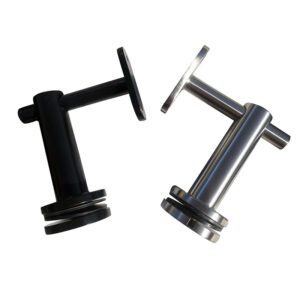
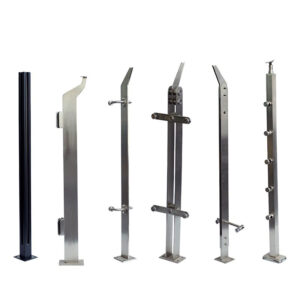
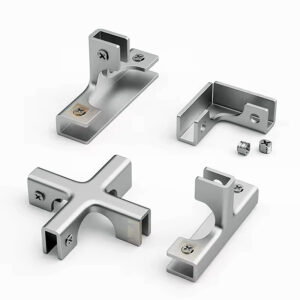
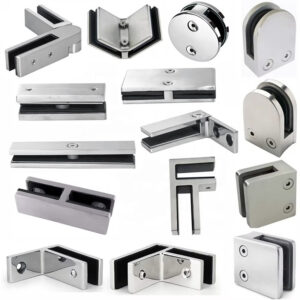
The final step is selecting a partner, not just a vendor. The right supplier provides application engineering, helping navigate the framework and offering solutions like custom-fabricated mounting brackets and structural supports that are designed for specific load and corrosion challenges. This collaboration proactively addresses the failure modes documented in technical literature, reducing overall project risk.
Key Takeaways for Procurement & Long-Term Value
Procurement success hinges on technical literacy and strategic foresight. Explicitly specify 316 stainless steel with supporting mill certification; this will become the baseline for regulatory and insurance compliance. Adopt a total-cost-of-ownership model to justify the premium for verified materials, as it prevents catastrophic downstream expenses. Prioritize small, critically loaded hardware in maintenance plans—these are your high-probability failure points.
Need professional-grade marine hardware solutions engineered for dynamic loads and harsh environments? Partner with specialists who provide application engineering and certified materials. Explore the engineered solutions at Esang to move from transactional purchasing to risk-reducing collaboration. For specific project inquiries, you can also Contact Us.
Frequently Asked Questions
Q: How can we verify that a supplier’s “marine-grade” hardware is actually 316 stainless steel?
A: You must insist on receiving a mill certificate of compliance that explicitly confirms the material meets the chemical composition for 316 stainless steel, particularly verifying the 2-3% molybdenum content. This formal documentation, aligned with standards like ASTM A276/A276M for bar stock, is the only reliable proof. This means procurement teams should reject any hardware marketed with only the generic “marine-grade” label and make certified material traceability a non-negotiable contract requirement.
Q: What is the primary design difference between hardware for a boat versus a fixed dock?
A: The core difference is the load profile each must manage. Boat hardware is engineered for dynamic loads, vibration, and cyclical fatigue from constant motion. Dock hardware is designed for immense, long-term static structural loads. This fundamental bifurcation dictates component geometry, thickness, and fastening methods. For projects where the application involves engine vibration or wave impact, you should prioritize hardware specifically designed for fatigue resistance, not just maximum static strength.
Q: Why is galvanic corrosion a greater systems-level risk for dock installations?
A: Dock structures frequently integrate multiple metals like aluminum framing and steel piles, creating galvanic cells when connected with stainless steel hardware. Even certified 316 components will corrode rapidly if installed without proper isolation from dissimilar metals. This systems-level threat requires a compatibility review of all contacting materials. If your dock design uses mixed metals, plan to include dielectric isolators or specify hardware grades compatible with the entire assembly to prevent accelerated failure.
Q: How should commercial buyers evaluate the true cost difference between 304 and 316 stainless hardware?
A: Move beyond unit price to a formal lifecycle cost analysis. This model accounts for the long-term expenses of premature replacement, emergency repairs, and liability from failures, which far outweigh the initial premium for verified 316 stainless. Competing on price alone invites risk from inferior materials like mislabeled 304. For operations focused on long-term value and minimizing downtime, your procurement model should prioritize total cost of ownership and partner with suppliers who provide application engineering.
Q: What installation practice most commonly causes premature failure of high-quality marine hardware?
A: Using incompatible fasteners is a critical, preventable error. Installing a 316 stainless steel fitting with 304 stainless bolts creates a weak point for galvanic and crevice corrosion, compromising the entire assembly. Consistency across the entire fastener system is paramount, as specified in standards like ASTM F593 for bolts and studs. This means your installation specifications must mandate the same grade for all components and fasteners, treating them as an integrated system.
Q: Which specific hardware components present a disproportionate operational risk on vessels?
A: Small, dynamically loaded fittings like cleats, hinges, and rail bases are high-probability failure points. They endure constant flexing and shock loads, often failing from metal fatigue before major structural components. Their specification requires extra scrutiny for designs that resist loosening, such as integrated locking features. If your maintenance or capital plan does not prioritize these critical load points, expect unplanned safety hazards and operational downtime from their unexpected failure.
Q: What framework should engineers use to select hardware for a new marine construction project?
A: Adopt a four-step systems-level framework: First, validate material with mill certificates. Second, assess the primary load profile (dynamic or static). Third, review systems compatibility for galvanic risk. Fourth, specify installation integrity with correct fasteners and backing plates. This structured approach proactively addresses documented failure modes. For complex projects, this means shifting from simple component selection to a risk-mitigating engineering decision process that should be documented in technical plans.