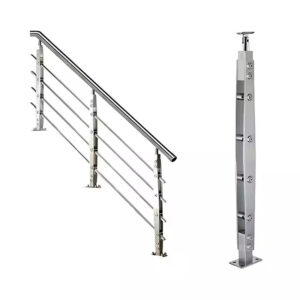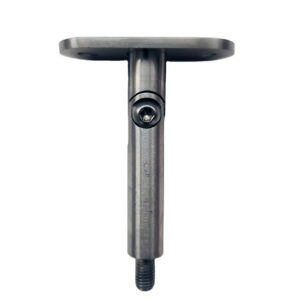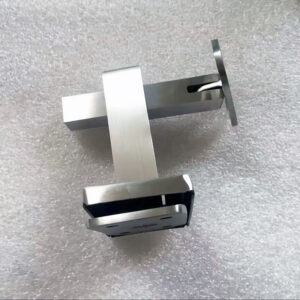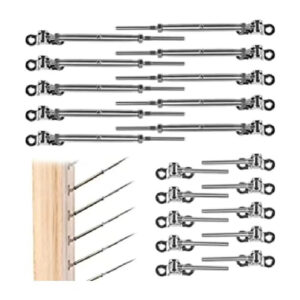
For commercial architects, engineers, and contractors, specifying outdoor stair railings involves navigating a critical safety paradox. The universal 200-pound load test is a clear structural benchmark, yet its application is complicated by a bifurcated code landscape and performance-based deflection standards. A common misconception is that a single, prescriptive solution exists. In reality, compliance is a series of validated design decisions where material selection, anchorage engineering, and documented performance data converge to meet both code and project-specific demands.
Attention to these details is non-negotiable now. Liability is increasingly shifting toward manufacturers and specifiers who provide “turnkey” solutions. With jurisdictions enforcing varying amendments and project specifications demanding certified test reports, generic code references are insufficient. The strategic goal is to deliver a durable safety system that avoids costly retrofits and liability exposure over the project’s lifecycle.
Understanding the 200-Pound Load Test for Stair Railings
The Universal Benchmark and Its Strategic Challenge
The 200-pound concentrated load test is the foundational structural requirement for stair railing safety, mandated by the International Building Code (IBC) and International Residential Code (IRC). It simulates a person falling against the rail, applied in any direction at any point. A companion 50 pounds per linear foot uniform load tests for distributed pressure. While these standards are consistent, the strategic challenge lies in the divergent installation parameters between residential and commercial codes, particularly for railing height. This dual compliance landscape means a universal design may fail a specific local inspection, leading to expensive rework.
From Prescription to Performance Verification
The industry is moving from prescriptive checklists to performance-based verification. Simply stating a railing “meets code” is no longer adequate for professional specifications. Architects and engineers now demand documented proof of a system’s behavior under test loads. This shift makes integrated load testing data, such as certified ICC-ES Evaluation Service Reports (ESRs), a critical component of the submittal process. These reports provide the predictable, verifiable performance data needed to mitigate risk.
The Liability Shift in System Specification
Manufacturers offering complete railing systems are assuming greater responsibility for total installed compliance. This “turnkey” approach bundles rigorous adherence to load, graspability, and continuity mandates into the product system itself. For the specifier, this reduces ambiguity and shifts the burden of proof for structural adequacy onto the manufacturer’s certified data, streamlining the approval process.
Core Load Requirements: Concentrated vs. Uniform Loads
Defining the Dual-Load Philosophy
The 200-pound concentrated and 50 plf uniform loads represent complementary performance criteria. The concentrated load targets the weakest point in the assembly—individual connections, post bases, or baluster attachments—testing for localized failure. The uniform load evaluates the entire run, ensuring adequate support spacing and overall system rigidity against crowd loading or wind pressure. Both loads are factored for the strength limit state in design calculations.
The Engineering Decision Framework
Compliance is not a single path but a series of validated engineering choices. For example, the empirical design method, an AASHTO code-approved alternative for bridge decks, can require less reinforcement than traditional methods if specific geometric preconditions are met. This highlights that material savings are possible through strategic design validation, not guesswork. The choice between calculation and physical testing is a key decision point.
Application for Extreme Events
For extreme events, such as vehicular impact on a parapet, codes apply a resistance factor of 1.0. This allows for some localized damage but is designed to prevent catastrophic collapse. This principle informs the design of high-stress zones in railing systems, like post anchorage points, which must be engineered to handle unique multi-hazard loads without complete failure.
Load Requirement Specifications
| Load Type | Code Requirement | Design Focus |
|---|---|---|
| Concentrated Load | 200 pounds | Localized connection strength |
| Uniform Load | 50 lbs/ft | Overall system rigidity |
| Strength Limit State | Factored loads | Component sizing |
| Extreme Event Factor | Resistance factor 1.0 | Prevent collapse |
Source: IBC Section 1607.7 Loads on Handrails, Guards, and Grab Bars. This code section mandates the minimum 200 lb concentrated and 50 plf uniform loads, forming the legal basis for all structural design and testing criteria.
How Are Horizontal and Vertical Deflection Standards Applied?
The Implicit Performance Mandate
Explicit numerical deflection limits under the 200-pound load are rarely prescribed in codes. Instead, the performance requirement is implicit: the system must support the load without failure or excessive movement. “Excessive” is the key term—it compromises user confidence and safety, as a rail that bends significantly cannot provide stable support. The engineering objective is to keep deflections within the material’s elastic limits, ensuring the railing returns to its original position.
The Graspability-Deflection Link
Deflection is inherently limited by the code’s graspability requirements. A handrail must be shaped and sized to be securely gripped. Significant bending under hand pressure violates this functional safety principle. Therefore, controlling deflection is not just a structural goal but a user-interaction necessity. In our analysis of different post spacing, we found that increasing support density had a more direct impact on reducing perceptible deflection than increasing material thickness alone.
Market Demand for Certified Data
This focus on performance is driving a fundamental market shift. Generic assurances are obsolete. Specifiers now require documented proof of deflection behavior, leading to certified test reports like those following ICCES AC273 Acceptance Criteria for Handrails and Guards protocols becoming a standard requirement in project manuals. This data provides the certainty needed for professional liability management.
Verifying Deflection Performance
| Performance Criterion | Implicit Requirement | Verification Method |
|---|---|---|
| Deflection Limit | No excessive movement | Performance-based design |
| Graspability Link | Prevents significant bending | User confidence metric |
| Elastic Behavior | Return to original position | Material property validation |
| Market Demand | Certified test data | CCRR reports |
Source: ICCES AC273 Acceptance Criteria for Handrails and Guards. AC273 provides the standardized testing protocols used to generate the certified performance reports (e.g., CCRR) that document a system’s deflection behavior under load.
Key Code Provisions: Graspability, Continuity, and Anchorage
Quantifiable Graspability Rules
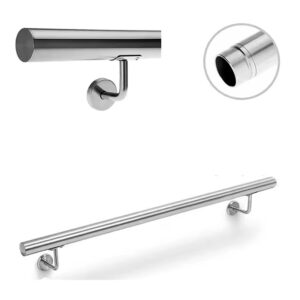
Beyond load, graspability is a non-negotiable, quantifiable specification. Circular handrails must have an outer diameter between 1.25 and 2 inches. A mandatory 1.5-inch clearance from walls prevents knuckle pinching. Non-circular profiles must have a perimeter between 4 and 6.25 inches. These rules strictly bound aesthetic choices, making compliance a primary design constraint that cannot be an afterthought.
The Imperative of Continuity
Continuity mandates that handrails run uninterrupted for the full stair length, ensuring proper load transfer along the system. Guardrail infill, whether balusters, glass, or panels, must also resist the specified loads. The 4-inch sphere rule for baluster spacing is a critical child safety provision that often dictates the maximum spacing, impacting both aesthetics and material quantity.
Infill and Load Path Integrity
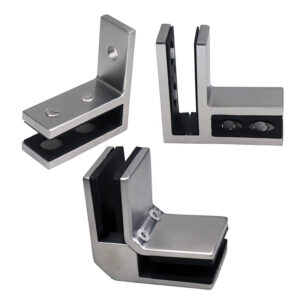
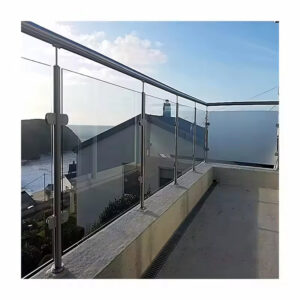
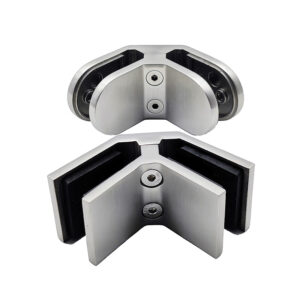
All infill components must integrate into the load path. A glass panel system, for example, requires its own set of certified tests to prove the framing and attachment points can transfer the 200-pound load to the posts. This is an easily overlooked detail that can derail a project if the infill system and primary structure are from different manufacturers without compatible, tested connection details.
Dimensional Code Mandates
| Provision | Quantitative Specification | Functional Purpose |
|---|---|---|
| Circular Handrail Diameter | 1.25 – 2 inches | Secure grip |
| Wall Clearance | Minimum 1.5 inches | Prevent knuckle injury |
| Handrail Perimeter (Non-Circular) | 4 – 6.25 inches | Alternative graspability |
| Baluster Spacing | 4-inch sphere rule | Child safety |
Source: IBC Section 1607.7 Loads on Handrails, Guards, and Grab Bars. The IBC integrates these dimensional mandates for graspability and infill with the structural load requirements to ensure complete functional safety.
What Are the Critical Factors in Railing Anchorage Design?
The Fundamental Substrate Requirement
Anchorage is the most critical factor in railing safety. The 200-pound load generates high leverage and overturning moment at post bases. Consequently, codes mandate anchorage directly into structural components—concrete slabs, beams, or solid framing. Attachment to non-structural surfaces like brick veneers, stucco, or decking alone is prohibited and represents a common installation failure point.
Engineered Connection Solutions
This requirement turns connection points into high-stress zones demanding engineered solutions, not generic hardware. Proprietary, tested post bases designed for specific substrates (e.g., concrete embed, wood beam connection, retrofit plates) are essential. The use of corrosion-resistant fasteners, typically Type 304 or 316 stainless steel, is non-negotiable for long-term integrity.
Material and Coating Impact on Longevity
Strategic material selection directly dictates anchorage longevity. Aluminum alloys must be of sufficient thickness and grade to resist fatigue. Furthermore, advanced proprietary powder coatings that meet PCI 4000 or AAMA 2605 standards are becoming competitive differentiators. They guarantee the corrosion resistance needed for the long-term integrity of both the visible railing and its concealed fasteners, which are often the first point of failure.
Anchorage Design Factors
| Critical Factor | Code Mandate | Strategic Solution |
|---|---|---|
| Attachment Substrate | Structural components only | Engineered post bases |
| Fastener Specification | Corrosion-resistant materials | Stainless steel anchors |
| Coating Standard | PCI 4000/AAMA compliance | Long-term corrosion resistance |
| Material Alloy | Thickened aluminum grades | Enhanced structural integrity |
Source: Technical documentation and industry specifications.
How to Ensure Compliance: Testing, Calculations, and Inspection
The Three Paths to Compliance
Compliance is demonstrated through one of three primary paths, each with its own documentation output. The gold standard is third-party laboratory testing resulting in a certified report (CCRR or ICC-ES ESR). Alternatively, a licensed professional engineer can provide sealed calculations proving the design meets code. Some jurisdictions may require a field proof load test after installation, though this is less common for pre-certified systems.
The Role of Certified Reports
For commercial specifications, certified test reports are increasingly mandatory. These reports, generated according to ICCES AC273 Acceptance Criteria for Handrails and Guards, provide objective, third-party validation of a system’s load capacity and deflection. They remove ambiguity and streamline the permitting process by giving building officials a recognized document to approve.
Implementing a Hierarchical Inspection Regime
Post-installation, a two-tiered inspection protocol is a strategic asset management practice. Continuous, informal observation by facility staff catches immediate issues like loose fittings. A formal, annual comprehensive audit should check for loose fasteners, corrosion, cracks, and spacing integrity. This regime catches both sudden failures and gradual degradation, preventing minor issues from escalating into major liabilities.
Compliance Verification Methods
| Compliance Path | Key Action | Documentation Output |
|---|---|---|
| Certified Testing | Third-party laboratory load test | CCRR/ICC-ES Report |
| Engineering Analysis | Licensed professional calculations | Sealed design drawings |
| Field Verification | Proof load test (some jurisdictions) | Inspector sign-off |
| Hierarchical Inspection | Annual comprehensive audit | Maintenance log |
Source: ICCES AC273 Acceptance Criteria for Handrails and Guards. AC273 outlines the standardized laboratory test methods that form the basis for the certified reports required for specification and compliance.
Choosing the Right Railing System for Your Commercial Project
Evaluating Lifecycle Cost vs. Initial Price
Material choice is a direct function of lifecycle cost analysis. Aluminum and stainless steel offer high durability with minimal maintenance, providing superior long-term value despite a higher initial cost. Materials like vinyl or basic wood composites, while cheaper upfront, may have shorter lifespans and higher maintenance costs in demanding outdoor environments. Standards like ASTM D7032 provide performance ratings that inform these comparisons.
Navigating the Regulatory Patchwork
Local code amendments now drive demand for customizable, modular systems. With jurisdictions adopting different code cycles and unique requirements—such as California’s 42-inch residential guardrail mandate—a fixed-dimension product is obsolete. The market favors systems with adjustable heights, variable post spacings, and configurable infill options that can be rapidly tailored to meet localized specs, reducing lead times and complexity.
The Importance of Environmental Suitability
The project’s environmental exposure dictates material and coating specifications. Coastal projects require superior corrosion resistance (e.g., marine-grade stainless steel, high-performance coatings). High-UV environments demand fade-resistant finishes. Selecting a system designed for the specific environment, like engineered outdoor aluminum railing systems, is crucial for durability and compliance longevity.
System Selection Framework
| Selection Factor | High-Value Choice | Lower-Cost Alternative |
|---|---|---|
| Material Lifecycle Cost | Aluminum, Stainless Steel | Vinyl |
| Regulatory Flexibility | Modular, configurable systems | Fixed-dimension products |
| Height Adjustment | Meets local amendments (e.g., 42″) | Standard 36-inch height |
| Coating Durability | Proprietary powder coating | Standard paint |
Source: ASTM D7032 Standard Specification for Establishing Performance Ratings for Wood-Plastic Composite and Plastic Lumber Deck Boards, Stair Treads, Guardrails, and Handrails. This standard provides performance ratings for various materials, informing lifecycle cost and durability comparisons between metal, composite, and plastic systems.
Implementing a Durable and Code-Compliant Railing System
Successful implementation hinges on integrating design, specification, and installation into a seamless process. Begin with a system backed by certified test data for both load capacity and deflection. Ensure the design accommodates all graspability, continuity, and height requirements for the project’s specific jurisdiction. Specify materials and coatings—such as PCI 4000/AAMA-compliant finishes—suited to the environmental exposure to minimize lifecycle costs.
During installation, adherence to manufacturer guidelines is critical. Use the correct structural anchors and fasteners for the substrate, and never compromise on connection details. Finally, establish the recommended two-tiered inspection protocol from day one. By viewing the railing not as a mere accessory but as a critical, engineered safety system, project teams can deliver installations that provide reliable, long-term protection.
The core decision points are clear: prioritize certified performance data over generic claims, select materials based on lifecycle cost, and specify systems with the flexibility to meet local code variations. Need professional, code-compliant solutions for your next project? Explore the engineered systems and technical resources available at Esang. For specific project inquiries, you can also Contact Us.
Frequently Asked Questions
Q: How do the 200-pound concentrated and 50 plf uniform load tests differ in evaluating railing safety?
A: The 200-pound concentrated load targets the weakest point in the assembly, testing individual connections for localized failure. The 50 pounds per linear foot uniform load assesses the entire run for overall rigidity and proper support spacing. These complementary criteria are factored for the strength limit state, as defined in IBC Section 1607.7. This means your design must pass both tests, requiring a holistic analysis of both component strength and system-wide support.
Q: What are the critical handrail geometry requirements beyond just load capacity?
A: Code mandates specific, non-negotiable dimensions for graspability and safety. Circular handrails must have an outer diameter of 1.25 to 2 inches with a 1.5-inch clearance from walls. Non-circular profiles require a perimeter between 4 and 6.25 inches. These rules, alongside continuity and infill spacing limits, strictly bound aesthetic choices. For your project, this means product selection must prioritize systems that bundle certified compliance with these dimensional mandates to avoid field rejection.
Q: Why is certified test data becoming a standard specification requirement for railings?
A: Explicit numerical deflection limits are rarely prescribed, so performance is proven through documented behavior under load. Certified reports, like those following ICCES AC273, provide verifiable proof a system supports the 200-pound load without excessive movement or failure. This shift moves beyond generic code references. For architects and engineers, this means specifying systems with this third-party data is now essential to ensure predictable performance and mitigate liability.
Q: What is the most critical factor in railing anchorage design for commercial projects?
A: Anchorage is the paramount safety factor, as a strong railing fails if poorly attached. Codes mandate connection directly to structural components like concrete or solid framing using corrosion-resistant fasteners; attachment to veneers is prohibited. The 200-pound load creates high leverage at post bases. This means your installation plans must detail engineered anchorage solutions and specify the correct fasteners for the substrate, treating connection points as high-stress zones.
Q: How should we choose a railing material based on lifecycle cost for a harsh environment?
A: Material selection is a direct function of long-term durability and maintenance. Aluminum and stainless steel offer high corrosion resistance with low upkeep, providing superior lifecycle value despite higher initial cost. Proprietary powder coatings meeting AAMA standards are key for longevity. For projects in coastal or high-moisture areas, this means investing in these advanced materials and finishes is necessary to prevent fastener and component degradation, avoiding premature replacement.
Q: What’s the best way to ensure ongoing compliance after a railing system is installed?
A: Implement a two-tiered inspection protocol from day one. This combines continuous informal observation for immediate issues with a formal annual audit checking for loose fasteners, corrosion, and spacing integrity. This strategic asset management practice catches both sudden failures and gradual degradation. For facility managers, this means establishing this routine is critical to prevent minor issues from escalating into major safety liabilities and ensuring the system performs throughout its lifecycle.
Q: How do local code amendments impact the selection of a commercial railing system?
A: Jurisdictions adopt varying code cycles and amendments, like different railing height mandates, creating a regulatory patchwork. A universal, one-size-fits-all product is obsolete. The market now favors customizable, modular systems with adjustable heights, post spacings, and infill options. For your project, this means selecting a supplier with a configurable product line is essential to rapidly meet localized specs and avoid costly rework or delays during inspection.