La madera posee unas cualidades visuales que la mayoría de los materiales sintéticos y metálicos no pueden emular a primera vista: la textura de sus vetas, la calidez que desprende bajo la luz directa y la forma en que se integra en el espacio con el paso del tiempo. Pero ese mismo carácter del material conlleva una obligación de mantenimiento que, con frecuencia, no se tiene en cuenta ni se planifica adecuadamente en el momento de la especificación. Los contratistas y compradores que eligen una barandilla de madera principalmente por su aspecto a menudo se encuentran con los costes derivados solo después de la instalación: degradación del acabado en los bordes expuestos, movimiento en las juntas de unión y entrada de humedad que acelera el deterioro visible más rápido de lo esperado. Comprender dónde se originan esos fallos —y qué condiciones los desencadenan— es lo que permite a un prescriptor tomar una decisión defendible en lugar de una costosa.
Condiciones de exposición que acortan la vida útil del acabado de la madera
El acabado de una barandilla de madera no se deteriora de manera uniforme ni sigue un calendario fijo. Lo que acelera la degradación de la superficie es la combinación de la exposición a los rayos UV, los ciclos de humedad y las variaciones de temperatura, condiciones que varían significativamente en función de la orientación del balcón, su altitud, la proximidad a la costa y el grado de protección que ofrece el voladizo. Una instalación orientada al sur y totalmente expuesta en un entorno costero puede provocar un deterioro visible del acabado en menos de dos años. Un balcón protegido orientado al norte en un entorno interior con baja humedad puede mantener el mismo revestimiento durante mucho más tiempo. Esa variación es importante porque afecta directamente a cómo debe elaborarse un programa de mantenimiento y cómo deben calcularse los costes de las decisiones sobre especificaciones.
La lógica que subyace a la clasificación de la corrosividad atmosférica de la norma ISO 9223:2012 —que distingue las tasas de degradación de los materiales según categorías de severidad ambiental— ofrece una analogía útil en este caso, aunque se refiera a la corrosión de los metales y no a los acabados de la madera. El principio es directamente aplicable: materiales idénticos se degradan a velocidades significativamente diferentes dependiendo de dónde se coloquen. Los prescriptores que trabajen en proyectos costeros o con alta humedad deben considerar que la vida útil de los acabados de madera es considerablemente más corta de lo que sugieren las cifras de los catálogos, y presupuestar en consecuencia.
La consecuencia práctica es que la categoría de exposición debe evaluarse antes de especificar una barandilla de madera, y no después. Cuando se omite esa evaluación, la hipótesis por defecto suele ser optimista, y son precisamente esas hipótesis optimistas sobre la vida útil del acabado las que generan el primer gasto de repintado no presupuestado.
Errores que provocan la entrada de humedad en los extremos cortados y las uniones
Las superficies frontales —esas caras anchas y lisas de un balaustre o una barandilla de madera— no son donde suele iniciarse el deterioro causado por el agua. La adherencia del revestimiento sobre la veta frontal es relativamente fácil de controlar con una preparación adecuada de la superficie. Las superficies problemáticas se encuentran, como era de esperar, en los extremos cortados y en las uniones estructurales.
La veta transversal presenta una estructura anatómica diferente a la de la veta longitudinal. Cuando la madera se corta a medida, los canales celulares que discurren a lo largo del eje longitudinal de la madera quedan expuestos directamente a la intemperie. Sin un sellado adecuado, esos canales absorben humedad a un ritmo significativamente mayor que el de la veta longitudinal. En un balcón, donde los postes suelen cortarse a medida, las barandillas se cortan a inglete en las esquinas y los balaustres se cortan en ángulo recto en la parte superior e inferior, prácticamente todos los elementos estructurales tienen al menos dos superficies de veta transversal desprotegidas. Si esos extremos no se tratan con un sellador penetrante para vetas transversales antes del montaje —y a menudo antes de la imprimación—, la entrada de humedad comienza inmediatamente tras la primera lluvia.
Las juntas agravan aún más la situación. En los puntos donde la madera se fija mecánicamente a los postes, donde los travesaños se unen a los pilares, o donde un balauste encaja en una ranura fresada, la superficie de la junta rara vez se sella tan bien como la superficie circundante. El agua encuentra esa interfaz. Se acumula. Migra a lo largo de la veta. La madera se hincha en el ciclo húmedo y se contrae en el seco. A lo largo de un ciclo estacional completo, ese movimiento rompe la adherencia del revestimiento en el borde de la junta, lo que amplía el punto de entrada para el siguiente ciclo húmedo. El deterioro es progresivo, no repentino, razón por la cual suele detectarse tarde, a menudo solo cuando ya son evidentes manchas, grietas o levantamientos de la superficie.
La comprobación práctica que hay que realizar en cualquier instalación de barandillas de madera consiste en asegurarse de que todos los extremos cortados estén sellados antes de colocar los elementos de fijación y antes de que cualquier componente del conjunto quede expuesto a las condiciones climáticas de la obra. El sellado tras el montaje reduce significativamente la eficacia del tratamiento, ya que las superficies más vulnerables —la cara de corte dentro de una mortaja, la veta transversal bajo la base de un poste— ya son inaccesibles.
La apariencia acogedora frente a las ventajas e inconvenientes del ciclo de mantenimiento
El atractivo de la madera en el contexto de un balcón es innegable. Este material aporta una suavidad táctil y una calidez visual que el aluminio con recubrimiento en polvo y el acero inoxidable no pueden igualar sin tratamientos de revestimiento adicionales. En proyectos residenciales en los que la experiencia de los ocupantes en el espacio exterior es un elemento central del encargo, esa diferencia de carácter puede justificar legítimamente la elección de un material distinto.
En realidad, esa elección obliga al proyecto a seguir un ciclo de mantenimiento periódico. Las directrices del sector consideran que un intervalo de dos a tres años es lo más práctico a la hora de planificar el reacabado o el repintado de barandillas de madera en exteriores sometidas a condiciones de exposición habituales. Esa cifra no es un umbral reglamentario, sino un punto de referencia de la vida útil del diseño que ayuda a los prescriptores a comprender lo que el material requiere con el paso del tiempo. En un horizonte de diez años, una balaustrada de madera requerirá entre tres y cinco ciclos completos de repintado, cada uno de los cuales implica la preparación de la superficie, no solo la aplicación de una nueva capa sobre el acabado existente degradado. Si el revestimiento existente se está desprendiendo, descascarillando o está contaminado con moho, la fase de preparación —limpieza, lijado ligero, tratamiento localizado— puede requerir tanto trabajo como el propio revestimiento.
Las implicaciones económicas casi nunca se tienen en cuenta en las especificaciones iniciales. Un contratista que presupuesta un sistema de barandilla de madera suele ofrecer una cifra que incluye el suministro y la instalación. El coste de mantenimiento recurrente a lo largo de la vida útil de la estructura recae sobre el propietario del edificio o el gestor de las instalaciones, y rara vez se tiene en cuenta en el momento de la selección. Es precisamente aquí donde la disyuntiva entre la calidez del material y el coste se convierte en una decisión financiera real: la calidad visual es real, pero el coste de funcionamiento es adicional y recurrente, a diferencia de lo que ocurre con la mayoría de las alternativas metálicas.
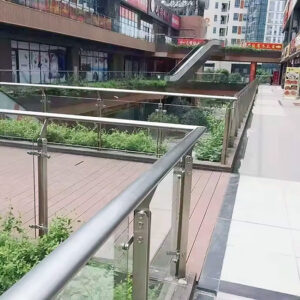
A barandilla de balcón La elección de un acabado de bajo mantenimiento evita por completo el ciclo de repintado, lo que modifica significativamente el panorama del coste total del ciclo de vida, especialmente en proyectos comerciales o de uso compartido, en los que la coordinación del mantenimiento en todo el edificio genera dificultades operativas, y no solo costes.
Puntos de conexión que fallan primero en condiciones de uso expuestas a la intemperie
Los elementos de fijación integrados en la madera —bases de postes, zócalos de balaustres, soportes de barandillas y los elementos de sujeción que soportan la carga estructural— se encuentran en la unión de dos materiales con diferentes coeficientes de dilatación térmica y higrométrica. A lo largo de su vida útil, sometidos a la intemperie, esa discrepancia crea las condiciones para un deterioro acelerado en el punto de unión antes de que la propia madera llegue al final de su vida útil.
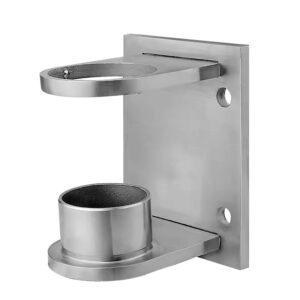
Las fijaciones de la base de los postes son un ejemplo característico. Cuando un poste se atornilla de forma pasante o se fija químicamente a la estructura de una terraza, la unión entre el poste y la placa de fijación queda expuesta al mismo ciclo de humedad que afecta a la madera circundante. Si el acabado de los herrajes no está homologado para la exposición exterior continua, la corrosión superficial comienza en el punto del conjunto sometido a mayor tensión mecánica: el lugar donde se produce la transferencia de carga. El óxido visible en la superficie de la base de un poste no es un problema estético. Indica una degradación activa del material en una unión estructural y justifica una inspección de la fijación, no solo la limpieza de la mancha.
La norma OSHA 1926.502 aborda la integridad de los sistemas de protección contra caídas de tal manera que deja claro por qué el deterioro de las uniones tiene consecuencias que van más allá de la mera estética: la capacidad de un conjunto de barandilla para detener una caída es tan fiable como la unión más débil de la cadena de transmisión de la carga. La corrosión en la base de un poste o en un soporte de barandilla reduce esa capacidad de una forma que la inspección visual por sí sola puede no revelar por completo. Para cualquier barandilla que sirva como barrera anticaídas, la inspección de los puntos de conexión —y no solo la revisión del acabado superficial— debería ser una parte formal de cualquier protocolo de inspección de mantenimiento.
La implicación práctica para la especificación es que la selección de los herrajes para una barandilla de madera debe abordarse con el mismo rigor que la especificación del tratamiento de la madera. Especificar herrajes de acero inoxidable 316 o galvanizados por inmersión en caliente cuando la madera está totalmente expuesta no es una mejora de calidad superior, sino una decisión básica para garantizar la durabilidad. Los herrajes de calidad inferior en un conjunto de madera suelen fallar de forma visible antes que la propia madera, y su sustitución en esa fase a menudo requiere un desmontaje parcial.
Característica del material que justifica la carga que supone su mantenimiento
Hay proyectos en los que el compromiso de mantenimiento de la madera supone un intercambio razonable. La verdad es que la madera no es un material subóptimo, sino que solo resulta el material adecuado cuando el proyecto está diseñado para asumir lo que exige.
Las aplicaciones residenciales en las que el propietario tiene la intención de mantener la vivienda de forma activa, y en las que el balcón constituye una parte significativa de la identidad visual de la vivienda, son el mejor ejemplo de las ventajas de la madera. Las barandillas a medida, de calidad de ebanistería, en maderas duras —iroko, teca, madera blanda tratada con Accoya— aportan una calidad superficial y una calidez del material que sitúan al balcón como un elemento de diseño más que funcional. En ese contexto, el ciclo de repintado se entiende como un cuidado rutinario, no como una señal de fallo. El intervalo de mantenimiento forma parte de la relación del cliente con la propiedad.
La elección de la especie y el grado de tratamiento influyen considerablemente en los plazos. Las maderas modificadas térmicamente y tratadas con conservantes tienden a mantener el acabado durante más tiempo y a resistir la absorción de humedad de forma más eficaz que las maderas blandas sin tratar. Las maderas duras con un contenido naturalmente alto en extractos —la teca es el ejemplo más conocido— pueden mantenerse con un aceitado periódico en lugar de un repintado completo, lo que reduce la carga de preparación aunque se mantenga la frecuencia. Vale la pena señalar estas diferencias de forma explícita en la fase de especificación, ya que el compromiso de mantenimiento que conlleva una balaustrada de pino tratado a presión es diferente del que conlleva una madera dura de origen sostenible especificada con un sistema de revestimiento adecuado.
Para que el compromiso sea real y no solo una aspiración, el acceso para la inspección debe tenerse en cuenta en el diseño. Los postes que terminan en cavidades para herrajes a ras de la superficie de la terraza son más difíciles de inspeccionar y tratar que los que se asientan sobre bases elevadas. Las barandillas con perfiles fresados complejos retienen agua y residuos de una forma que las de superficie plana o barandilla superior redondeada La geometría no lo hace. Si el objetivo del diseño es una balaustrada de madera que sea fácil de mantener, los detalles deben reflejar ese objetivo, y no ir en su contra.
La decisión fundamental a la hora de especificar una barandilla de madera no es si el material es bonito —sin duda, puede serlo—. La decisión es si el proyecto está realmente preparado para mantenerla. Eso significa incluir desde el principio en el presupuesto operativo del proyecto el coste del ciclo recurrente de repintado, especificar herrajes que se adapten al entorno de exposición, tratar todos los extremos cortados antes del montaje y diseñar detalles de unión que permitan el acceso para su inspección a lo largo de toda la vida útil de la estructura.
Cuando existe ese compromiso total, la madera sigue siendo una opción defendible y con carácter. Cuando no es así, la falta de mantenimiento se agrava desde la primera temporada de exposición, y la reparación del deterioro visible que se produce suele resultar más costosa que lo que habría costado elegir desde el principio un material más adecuado.
Preguntas frecuentes
P: ¿Se aplica el intervalo de repintado de dos a tres años incluso si el balcón está parcialmente protegido o cubierto?
R: No; ese intervalo se basa en una exposición exterior típica, y una protección adecuada puede prolongarlo. El intervalo real depende de la cantidad de radiación UV, los ciclos de humedad y las variaciones de temperatura a las que se vea sometida la superficie. Un balcón cubierto con contacto directo limitado con la intemperie puede mantener el revestimiento en buen estado durante mucho más tiempo, pero la única forma fiable de determinar el calendario adecuado para una instalación concreta es evaluar las condiciones de exposición en la fase de especificación, en lugar de aplicar una cifra general.
P: Si la barandilla de madera ya está instalada y los extremos cortados no están sellados, ¿merece la pena realizar un tratamiento correctivo?
R: Una reparación parcial es mejor que nada, pero su eficacia se ve limitada por el acceso. Cualquier extremo cortado que quede expuesto y al que se pueda acceder —la parte superior de los balaustres, los extremos visibles de las barandillas, los remates de los postes— debe tratarse inmediatamente con un sellador penetrante para madera de cabeza. El problema es que las superficies de mayor riesgo, como los extremos de las bases de los postes que se asientan en los huecos de los herrajes o la veta transversal dentro de las juntas ensambladas, ya son inaccesibles. En esos puntos, la respuesta práctica es aumentar la frecuencia de las inspecciones y tratar los primeros signos de manchas o levantamiento de la superficie como indicadores de una entrada activa de humedad, en lugar de considerarlos meros problemas estéticos.
P: ¿En qué momento una barandilla de madera deja de ser la opción adecuada para un edificio de viviendas o un edificio comercial?
R: Cuando la coordinación del mantenimiento en todo el edificio genera una carga operativa mayor de la que justifica el propio material. Un ciclo de repintado periódico que funciona razonablemente bien en una vivienda de un solo propietario se convierte en un problema de planificación y responsabilidad cuando hay varios inquilinos, sobre todo cuando el acceso a los balcones individuales requiere la coordinación de los residentes. Los proyectos comerciales y de múltiples inquilinos suelen alcanzar el umbral en el que el modelo de mantenimiento de la madera se colapsa una vez que el administrador del edificio, en lugar del ocupante, se hace responsable del mantenimiento de más de un puñado de balcones.
P: ¿En qué se diferencia realmente la madera modificada térmicamente o la madera de frondosas de la madera blanda tratada en cuanto a la frecuencia real de mantenimiento?
R: La diferencia es significativa, pero no absoluta. Las especies de mayor calidad y los grados de tratamiento más elevados conservan el acabado durante más tiempo y resisten la absorción de humedad con mayor eficacia, lo que puede alargar el intervalo práctico entre repintados y reducir el trabajo de preparación. Sin embargo, el ciclo de mantenimiento básico no desaparece, sino que se modera. La diferencia práctica más significativa radica en cómo responde cada material cuando el revestimiento comienza a deteriorarse: una madera dura bien especificada tiende a degradarse más lentamente y tolera mejor un retraso en el mantenimiento que una madera blanda sin tratar o ligeramente tratada, que puede presentar grietas visibles y levantamiento de la superficie en una sola temporada una vez que se pierde la integridad del revestimiento.
P: ¿Qué debe hacer el propietario de un edificio inmediatamente después de que se haya completado la instalación para garantizar la durabilidad a largo plazo de la barandilla?
R: Establezca un programa escrito de inspección y mantenimiento antes de que finalice la primera temporada completa de exposición a la intemperie. Dicho programa debe incluir una inspección de los puntos de unión —no solo un examen del acabado superficial— al final del primer año, ya que los herrajes de las bases de los postes y los soportes de los rieles pueden mostrar signos tempranos de deterioro antes que la propia superficie de la madera. El ciclo de repintado también debe presupuestarse y documentarse en el momento de la entrega, de modo que el mantenimiento continuo se contemple como un gasto operativo desde el principio, en lugar de tratarse como una reparación no planificada cuando el deterioro se haga visible por primera vez.