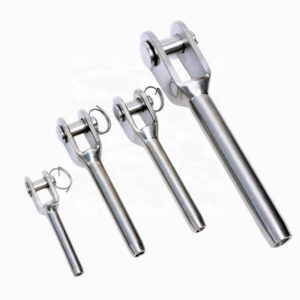
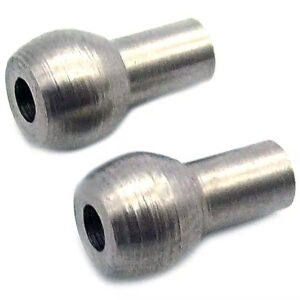
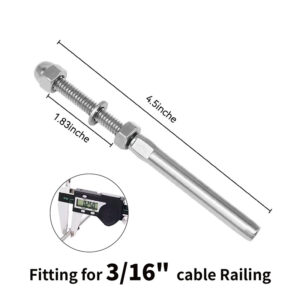
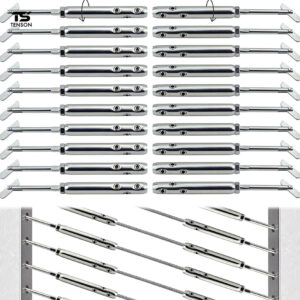
تشكل مجموعات الدرابزينات الكبلية التي يتم إنهاء توصيلاتها في الموقع مشكلة محددة تتعلق بمراقبة الجودة، وهي مشكلة تتجنبها الأنظمة المُشكَّلة مسبقًا: فقوة التوصيل تعتمد كليًّا على ما يقوم به كل مُركِّب عند طرف كل كبل، وقد يبدو التثبيت غير الكامل للإسفين صحيحًا حتى يتم تحميل المجموعة أو فحصها. وفي حالة الشرفة السكنية التي يعمل فيها مُركِّب واحد ويوجد بها أربعون طرفًا للكابلات، فإن هذا الخطر يمكن التحكم فيه. أما في مشروع تجاري يضم عدة فرق عمل، ومئات من نقاط التوصيل، وشرط إجراء فحص من قبل جهة خارجية، فإن نفس المخاطر تصبح عرضة منهجية — وهي مشكلة لا يمكن تصحيحها بسهولة عن طريق إعادة العمل بمجرد تثبيت الأعمدة وشد الكابلات. يجب أن يستند قرار تحديد استخدام الوصلات غير القابلة للضغط إلى مدى قدرة المشروع فعليًّا على الالتزام بضوابط التجميع التي تتطلبها هذه الوصلات، وليس إلى ملاءمة إمكانية التعديل الميداني كخيار افتراضي.
حيث تضفي الوصلات المُجهَّزة ميدانيًّا قيمة حقيقية
أبرز حالة عملية لاستخدام الوصلات غير المضغوطة هي المشاريع التي يتعذر فيها تحديد أطوال الكابلات مسبقًا بشكل موثوق قبل اكتمال تركيب الهيكل. فأقسام السلالم ذات زوايا الميل غير القياسية، والواجهات التي تتغير تفاوتاتها أثناء البناء، أو الألواح المملوءة التي يتم تركيبها بشكل يختلف قليلاً عن المخطط، كلها تخلق مواقف تصبح فيها الوصلات المضغوطة مسبقًا عائقًا — حيث يصل الكابل مقطوعًا بطول لم يعد مناسبًا، ولا يوجد حل سوى طلب استبداله. تزيل الوصلات غير المُشكلة هذا الاعتماد من خلال السماح بمواصلة عملية التوصيل وفقًا للأبعاد المثبتة في الموقع، مما يعني أنه يمكن تنفيذ أعمال الكابلات وأعمال الهيكل بشكل متزامن دون أن ينتظر أحدهما الآخر.
تعد إمكانية إعادة الشد الميزة التشغيلية الثانية التي تستحق الاهتمام الجاد. فاسترخاء الكابل بعد التركيب الأولي أمر طبيعي، وفي معظم التجميعات المُشكَّلة مسبقًا، يعني تصحيح فقدان الشد بعد مرور سنوات استبدال قطع التثبيت. أما التجميع الذي لا يحتاج إلى ضغط مسبق، فيمكن إعادة شده عن طريق إعادة تثبيت الوصلة — وهو عامل مهم عندما يتوقع مالك المشروع عمرًا تشغيليًّا طويلاً ولا يخطط المقاول للتواجد في الموقع لاستبدال المكونات. هذه الميزة حقيقية، لكنها مشروطة أيضًا: لا تنجح إعادة الشد إلا إذا كان التجميع الأصلي قد تم تركيبه بشكل صحيح، مما يعيد النقاش إلى جودة التركيب باعتبارها المتغير المحدد.
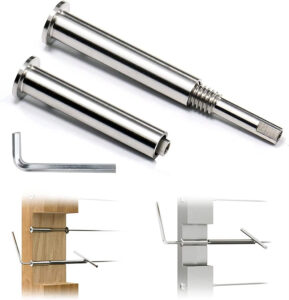
وتدعم متطلبات الأدوات — وهي الزردية ومفتاح ألين — الجدوى الاقتصادية للتركيبات الصغيرة أو التي تُجرى لمرة واحدة. أما استئجار أدوات التشكيل الهيدروليكي في مشروع يتضمن عددًا محدودًا من مسارات الكابلات، فيضيف تكلفة قد لا يمكن استردادها. ويتغير هذا الحساب في المشاريع التجارية الأكبر حجمًا، حيث تتوزع تكلفة أدوات التشكيل على عدد أكبر من الوصلات. وتعد سهولة الوصول الميداني ميزة في سياق المشروع المناسب، وليست سببًا عامًّا لتفضيل الوصلات التي لا تتطلب تشكيلًا في جميع الأعمال.
ضوابط إعداد الكابلات وتثبيت الأطراف
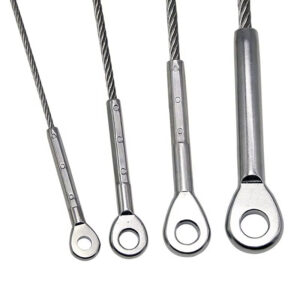
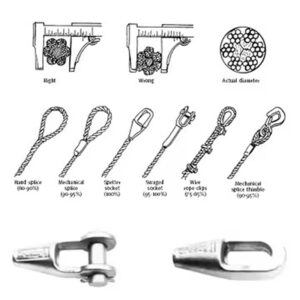
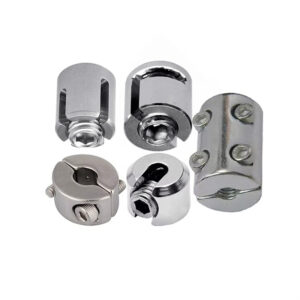
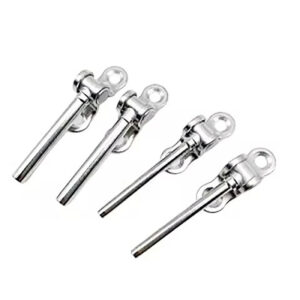
لا يكون التثبيت في الوصلة غير المضغوطة ميكانيكيًا بنفس الطريقة التي يكون عليها التثبيت في الوصلة المضغوطة. فهو يعتمد على آلية قفل أحادية الاتجاه أو فك ميكانيكي يثبت في الكابل تحت تأثير الشد — مما يعني أن بنية الكابل وقطره وكمال التثبيت الأولي تؤثر جميعها بشكل مباشر على مقاومة الانسحاب. وإذا كان أي من هذه المتغيرات غير صحيح، فقد يبدو التجميع مكتملًا ومع ذلك يفشل في الصمود تحت الحمل.
أهم عاملين مؤثرين هما نوع الكابل وقطره. فقد صُممت الوصلات غير القابلة للانزلاق من هذا النوع لتناسب خيوط ذات لفّ يساري 1×19. أما في حالة بنية خيوط مختلفة — مثل 7×7، على سبيل المثال، أو كابل ذي لفّ أيمن — فلن يسمح ذلك للإسفين بالاستقرار بشكل صحيح وفقًا لشكل السلك، بغض النظر عن مدى دقة اتباع المُركِّب لخطوات التجميع. كما يجب أن يتطابق القطر أيضًا: فالوصلات المصممة لكابلات قطرها 1/8 بوصة لن تثبت كابلات قطرها 3/16 بوصة بشكل موثوق، والعكس صحيح أيضًا. فهذه الوصلات ليست قابلة للتبديل مع وجود هامش للتفاوت؛ بل هي شروط حدية حيث يؤدي عدم التطابق إلى منع التثبيت السليم.
| نقطة التحكم | المخاطر في حالة الخطأ | ما الذي يجب تأكيده |
|---|---|---|
| نوع الكابل – يجب أن يكون من خيوط ملتفة إلى اليسار بمقاس 1×19 | تمنع أنواع الكابلات الأخرى تثبيت الإسفين بشكل صحيح، مما يؤدي إلى خطر انفصاله | التأكد من مطابقة مواصفات الكابل لمتطلبات الوصلات غير القابلة للضغط |
| قطر الكابل – 1/8 بوصة أو 3/16 بوصة فقط | الحجم غير المناسب يمنع الإمساك الصحيح وقد يؤدي إلى الفشل | قم بقياس قطر الكابل قبل التجميع |
| تشغيل آلية القفل | تقلل المقاعد غير المكتملة من مقاومة الانزلاق | تأكد من التثبيت الكامل وفقًا لتعليمات الشركة المصنعة |
تتمثل النتيجة العملية لعدم استقرار الإسفين بشكل كامل في أنه غالبًا ما يفوت الفحص البصري عند التجميع. فالوصلة تبدو مثبتة في مكانها. ونهاية الكابل موجودة داخل الهيكل. كما أن خيوط الوصلة متشابكة. أما العطل، إن حدث، فيظهر تحت تأثير الشد — إما أثناء التحميل الأولي، أو أثناء الفحص وفقًا للمعايير، أو بعد أشهر من التعرض لدورات الطقس التي تؤدي إلى إرخاء التجميع. وهذا النمط من الأعطال هو ما يجعل التحقق من نوع الكابل عملية فحص تسبق التجميع، وليس إجراءً لاحقًا.
المرونة في المشاريع السكنية مقابل المتطلبات الوثائقية للمشاريع التجارية
تعتمد مقارنة التكلفة بين الوصلات غير المضغوطة والوصلات المضغوطة بشكل كبير على حجم المشروع ومتطلبات الفحص، ولهذا السبب لا يُعتبر أي من الخيارين أرخص بشكل عام. ففي حالة التركيب السكني الصغير الذي يتضمن مسارات كابلات محدودة ولا تتوفر فيه معدات الضغط الهيدروليكي في الموقع، تعوض الوصلات غير المضغوطة تكلفتها الوحدوية الأعلى من خلال تجنب تكاليف استئجار الأدوات وتقليل الجهد المطلوب للتخطيط المسبق. أما في المشاريع التجارية التي تكون فيها معدات الضغط جاهزة للاستخدام بالفعل وتبرر كميات الكابلات تكلفة الإعداد، فإن الزيادة في تكلفة الوحدة تتراكم عبر مئات الوصلات دون وجود تعويض مقابل.
أما المقارنة من حيث المظهر الجمالي وقابلية الضبط فهي أكثر وضوحًا: توفر الوصلات المُشكلّة ضغطًا أكثر إحكامًا ونهاية أنظف عند جسم الوصلة، وهو ما يفضّله بعض المالكين والمصممين في التطبيقات المرئية. أما الوصلات غير المُشكلّة فتتميز بمظهر طرفي أكبر قليلاً وتكون ملحوظة بصريًّا عند طرف الكابل. وعندما يكون مظهر التشطيب أحد معايير المواصفات — لا سيما في التركيبات التجارية الداخلية — فإن هذا الاختلاف يستحق التأكيد عليه مع فريق التصميم قبل الشراء.
| أسبكت | الوصلات المضغوطة | التركيبات بدون سواجيد |
|---|---|---|
| التكلفة في المشاريع الصغيرة أو المشاريع التي تُنفَّذ لمرة واحدة | تكلفة الوحدة أقل، لكن استئجار الأدوات قد يجعل المشاريع الصغيرة غير مجدية اقتصاديًا | ارتفاع تكلفة الوحدة، وعدم وجود تكلفة لاستئجار الأدوات؛ ميزة من حيث التكلفة للأعمال الصغيرة |
| تصميم أنيق وإمكانية التعديل | تثبيت أكثر إحكامًا للكابل بالإطار، ومظهر أنيق أكثر | قابل للضبط ميدانيًّا؛ يتيح إعادة الشد في المستقبل دون الحاجة إلى استبدال الأجزاء المعدنية |
| التخطيط والقياس | تتطلب قياسًا مسبقًا دقيقًا وثقوبًا أكبر من المطلوب؛ مما يستلزم مجهودًا أكبر في التخطيط ويزيد من مخاطر الوقوع في الأخطاء | القطع وفقًا لأبعاد الموقع المؤكدة؛ دون الحاجة إلى القياس المسبق، مما يقلل من الجهد المبذول في التخطيط ويحد من مخاطر الأخطاء |
تتمثل الفجوة في التوثيق في النقطة التي تختلف فيها المشاريع السكنية والتجارية بشكل جوهري. فالمنفذ السكني الذي يمكنه التحقق من عمله في الموقع، وتصحيح أي أخطاء في التجميع قبل انتهاء المشروع، وإعادة شد الكابلات حسب الحاجة بمرور الوقت، يعمل في سياق تتوافق فيه إمكانية الضبط دون استخدام مشابك مع سير العمل. أما المشروع التجاري الذي يشمل مفتشين من أطراف ثالثة، ومتطلبات تقديم المستندات، والعديد من المُركِّبين الذين يعملون في وقت واحد، فيعمل في سياق تصبح فيه إمكانية الضبط الميداني عبئًا ما لم تقترن بضوابط موثقة لجودة الصنعة منذ البداية. فالمرونة التي تُبسِّط العمل السكني لا تُترجم تلقائيًّا إلى ميزة تجارية — بل تنقل عبء مراقبة الجودة إلى عملية التحقق التي يقوم بها المُركِّب، والتي يجب تخطيطها بشكل صريح بدلاً من الافتراض.
للحصول على مزيد من المعلومات حول اختيار المواد، وتكوين النظام، ومعايير الدرابزينات التجارية، يرجى الاطلاع على دليل شامل حول درابزينات الكابلات المصنوعة من الفولاذ المقاوم للصدأ للمشاريع التجارية والسكنية يغطي القرارات المتعلقة بنظام التشغيل إلى جانب مواصفات المكونات.
عيوب التركيب التي تؤدي إلى انفكاك التثبيت أو الحاجة إلى إعادة العمل
إن نمط العيوب الذي يتسبب في أكبر قدر من إعادة العمل في التجميعات التي يتم إنهاء توصيلاتها ميدانيًّا ليس خطأً كارثيًا واحدًا — بل هو تراكم قرارات التجميع الهامشية التي تبدو كل منها مقبولةً بحد ذاتها. كابل بقطر صحيح ولكن بتكوين خيوط خاطئ. إسفين مثبت يدويًّا دون إحكام كامل، ولم يتم تثبيته بالكامل تحت الشد المسبق المحدد. طرف تم تجميعه بواسطة مُركِّب أنجز أربعة أطراف كابلات بشكل صحيح، وأحد الأطراف بتقنية مختلفة قليلاً. لا يمكن ملاحظة أي من هذه الحالات على الفور. وكلها تقلل من مقاومة الانسحاب بطرق قد لا تظهر إلا بعد شد التجميع إلى الحمل التشغيلي أو اختباره.
الطريقة الأكثر موثوقية للسيطرة على هذا النمط في المشاريع التي تضم عدة فنيي تركيب هي التعامل مع التحقق من نوع الكابلات والتأكد من ثبات الوتد كخطوات موثقة — ليس كتذكيرات شفوية، بل كعمليات فحص مسجلة لكل مسار كابل. في الأعمال السكنية، يمكن لفني تركيب واحد يتعامل مع عدد قليل من الوصلات أن يقوم بالتحقق بنفسه؛ أما في الأعمال التجارية، فإن نموذج التحقق الذاتي هذا يفشل عندما يزداد حجم الفريق ويصبح من الصعب تتبع المسؤولية الفردية عن كل وصلة.
يمكن إصلاح الانزلاق الذي يحدث أثناء الشد الأولي، وإن كان ذلك مكلفًا: حيث يتعين قطع الكابل إلى ما بعد الجزء التالف، وإزالة الطرف، وإعادة تجميع الوحدة. أما الانزلاق الذي يتم اكتشافه أثناء الفحص — بعد تثبيت الأعمدة، واكتمال الحشو، واقتراب المشروع من مرحلة التسليم — فهو أكثر إزعاجًا بشكل كبير. ولا تقتصر تكلفة إعادة العمل في تلك المرحلة على استبدال المعدات فحسب؛ بل تشمل أيضًا تكاليف الوصول، وتخطيط الجدول الزمني، وإمكانية إجراء فحص إضافي. إن التعامل مع تثبيت الإسفين باعتباره فحصًا للجودة لكل طرف على حدة، بدلاً من اعتباره ممارسة عامة للتركيب، هو الطريقة الوحيدة الموثوقة لمنع ظهور هذه النتيجة في مرحلة متأخرة من المشروع.
ومن أنماط العيوب ذات الصلة استخدام وصلات غير مضغوطة وأخرى مضغوطة معًا في نفس مسار الكابل دون التأكد من توافقها عند نقاط تركيب الأجهزة ونقاط الشد. و مجموعات الكابلات غير المزودة بمثبتات تم تهيئة المنتجات المتوفرة عبر Esang بحيث تتوافق مكوناتها بشكل متسق — وهو عامل مهم عند طلب عدة مسارات كابلات ضمن مشروع واحد، لتجنب حدوث تباينات بين المكونات والهيكل، مما يعقد عملية الشد.
شروط القبول للتجميع بدون مشابك
لا يُحدد قبول مجموعة درابزين الكابلات الخالية من الوصلات بالاعتماد على المظهر أو على تقدير المُركِّب بأن الطرف قد اكتمل. هناك معياران قابلان للتحقق منهما لهما أهمية لأغراض الفحص، ويجب إدماجهما في سير عمل المشروع قبل بدء التركيب، بدلاً من معالجتهما بأثر رجعي عند وقت الفحص.
أولها هو وجود وحدة شد واحدة على الأقل في كل مسار كابل. وهذا مطلب تصميمي مرتبط بقوانين البناء المعمول بها في معظم الولايات — فالمسار الذي يخلو من وحدة الشد لا يمكنه تلبية عتبات الشد التي تهدف القوانين إلى فرضها، بغض النظر عن مدى جودة تجميع الأطراف الفردية. إن التأكد من ذلك أثناء مراجعة مخطط التوزيع، قبل طلب الكابلات وقصها، يمنع حدوث موقف يضطر فيه إلى تفكيك مسار الكابل جزئيًا لإدخال وحدة شد تم إغفالها في التصميم الأصلي.
| شروط القبول | طريقة التحقق | العواقب في حالة عدم الامتثال |
|---|---|---|
| يجب وجود قطعة تثبيت واحدة على الأقل في كل مسار كابل | افحص كل مسار للتأكد من وجود وحدة شد فيه | عدم الامتثال للمعايير، الفشل في اجتياز الفحص، إعادة العمل |
| قوة التوصيل لا تقل عن قوة تحمل الكابل | اختبار الشد للتأكد من أن التجميع يفي بحد القوة الأدنى | لم يتم قبول الطلب؛ عدم كفاية الأدلة بالنسبة للمشاريع التجارية |
المعيار الثاني هو قوة التوصيل. صُممت الوصلات غير القابلة للانزلاق من هذا النوع لتحقيق قوة توصيل تساوي أو تفوق قوة كسر الكابل — لكن هذا الهدف التصميمي لا يتحقق إلا عندما يتم تجميع الوصلات بشكل صحيح. وفي المشاريع التجارية التي تتطلب أدلة تفتيش موثقة، فإن الطريقة الموثوقة للتأكد من ذلك هي إجراء اختبار الشد على الوصلات المكتملة. توفر المواصفة القياسية ISO 2408:2017 إطارًا معترفًا به لاختبار الحبال السلكية ونهاياتها يدعم منهجية اختبار الشد، وعلى الرغم من أن معايير القبول المحددة ستعتمد على معيار المشروع المعمول به والسلطة القضائية المختصة، فإن اختبار الشد هو الدليل الوحيد الذي يصعب الطعن فيه عند الفحص. فالتأكيد البصري على أن الطرف قد تم تجميعه لا يساوي التأكيد على أنه سيصمد.
بالنسبة للفرق التي تحدد مواصفات الوصلات غير القابلة للانزلاق أو تقوم بشرائها لأغراض الأعمال التجارية، فإن إدراج اختبار الشد في خطة جودة المشروع قبل بدء التركيب — بدلاً من اعتباره فحصًا نهائيًا اختياريًا — هو ما يميز سجل التركيب القابل للتبرير عن ذلك الذي يتطلب أدلة على إجراء تعديلات لاحقة تحت ضغط عمليات التفتيش.
يتمثل القرار الأساسي في عملية الشراء في تحديد ما إذا كان المشروع يحتاج فعليًّا إلى مجموعات مزودة بأطراف موصلة ميدانيًّا وقابلة لإعادة الشد، أم أن الوصلات الخالية من الأطراف المُشكَّلة يتم تحديدها بشكل افتراضي لمجرد أنها مألوفة أو مريحة. في المشاريع التي لا يمكن فيها تحديد أطوال الكابلات مسبقًا، أو التي يُعد إعادة الشد في المستقبل فيها متطلبًا صريحًا، أو التي لا يكون فيها توفير الأدوات أمرًا اقتصاديًا، تُعد الوصلات التي لا تحتاج إلى تشكيل الخيار الأنسب. أما في المشاريع التي لا تنطبق عليها تلك الشروط، فإن التكلفة الوحدوية الأعلى وعبء مراقبة جودة التجميع يمثلان تكاليف لا يقابلها أي تعويض.
قبل وضع اللمسات الأخيرة على مواصفات التوصيلات الخالية من التثبيت بالضغط لأي مشروع تجاري، تأكد من ثلاثة أمور: أن يكون شراء الكابلات محددًا بخيوط ذات لف يمين 1×19 بالقطر المحدد، وأن تتضمن خطة التركيب فحصًا موثقًا لتثبيت كل طرف على حدة بدلاً من الاعتماد على معيار عام لجودة التنفيذ، وأن يتم تحديد التحقق من اختبار الشد كمعيار قبول في وثائق جودة المشروع. هذه الشروط الثلاثة هي التي تحدد ما إذا كانت مرونة التوصيلات الخالية من التثبيت بالضغط ستصبح ميزة للمشروع أم عبئًا عند الفحص.
الأسئلة الشائعة
س: هل يمكن استخدام الوصلات غير الملولبة مع كابل مكون من 7×7 خيوط إذا كان القطر متطابقًا؟
ج: لا — فالتطابق في القطر وحده لا يكفي. تتطلب الوصلات غير القابلة للانزلاق من هذا النوع خصيصًا خيطًا بتركيبة 1×19 ذات لفّ يساري، لأن الإسفين أو الفك الميكانيكي يستقر على الشكل الهندسي للسلك في تلك التركيبة. أما الخيط 7×7، حتى لو كان قطره صحيحًا، فلن يسمح بالتثبيت الصحيح للإسفين، مما يعني أن مقاومة الانزلاق ستكون ضعيفة بغض النظر عن مدى دقة تجميع الطرف. يجب أن يكون شراء الكابل مرتبطًا بالتركيبة الصحيحة للخيط قبل بدء أي أعمال توصيل.
س: عندما يجتاز التجميع غير المزود بحلقات تثبيت اختبار الشد، هل يشمل هذا القبول التركيب بأكمله أم يقتصر على الأطراف التي خضعت للاختبار فقط؟
ج: يؤكد اختبار الشد أن الأطراف التي خضعت للاختبار قد تم اختبارها بالفعل — ولا يثبت صحة الأطراف التي لم يتم اختبارها. وفي المشاريع التجارية التي تضم مئات من أطراف الكابلات والعديد من المركّبين، فإن نهج الاختبار العشوائي لا يزال يترك الأطراف غير المختبرة خارج نطاق السجل الذي تم التحقق منه. وإذا كان التفتيش الذي تجريه جهة خارجية يتطلب تغطية يمكن الدفاع عنها، فيجب أن تحدد خطة الجودة إما بروتوكول اختبار لكل مسار، أو فحصًا موثقًا لتثبيت كل طرف على حدة، بحيث يتم إنشاء سجل قابل للتتبع لكل طرف كابل، وليس لعينة فقط.
س: عند أي حجم للمشروع تنعكس الميزة التكلفية للوصلات غير المضغوطة مقارنةً بالوصلات المضغوطة؟
ج: تعتمد نقطة التحول على ما إذا كانت معدات السواغ متوفرة بالفعل في الموقع. فعندما يتم جلب أدوات السواغ الهيدروليكية خصيصًا لمشروع ما، يجب استرداد تكلفتها من خلال إجمالي عدد عمليات التوصيل — وهو ما يجعل التوصيلات الخالية من السواغ هي الخيار الأفضل في عمليات الإنتاج الصغيرة حيث لا يمكن توزيع تلك التكلفة الثابتة. وبمجرد توفر معدات التشكيل بالفعل لأغراض أخرى، أو عندما تكون كميات الكابلات كبيرة بما يكفي بحيث تصبح تكلفة الأداة لكل وصلة ضئيلة، فإن السعر الوحدوي الأعلى للوصلات غير المشكّلة يتراكم دون تعويض مقابل. ولا يوجد عدد ثابت للوصلات ينطبق بشكل عام؛ بل يجب إجراء الحساب بناءً على التكلفة الفعلية لتعبئة المعدات للمشروع المحدد.
س: ما الذي يجب على المقاول فعله إذا تم اكتشاف عيب في ثبات الأعمدة بعد تثبيت الأعمدة واكتمال عملية الحشو؟
ج: يجب قطع الكابل إلى ما بعد الجزء التالف أو غير المثبت بشكل صحيح، وإزالة الطرف، وإعادة تجميع المجموعة من تلك النقطة. هذا هو التصحيح المادي — ولكن في مشروع يقترب من مرحلة التسليم، فإن التكلفة الأكبر تكمن في صعوبة الوصول، وتعطيل الجدول الزمني، واحتمال الحاجة إلى إعادة الفحص قبل إتمام العمل. لا يوجد أي إصلاح ميداني يمكنه إعادة الطرف غير المثبت بشكل صحيح (بدون تثبيت إسفيني) إلى قوة التوصيل المصممة له. ولهذا السبب، فإن التعامل مع التثبيت الإسفيني باعتباره فحصًا موثقًا لكل طرف أثناء التركيب — بدلاً من اعتباره افتراضًا عامًا يتعلق بجودة الصنعة — هو الطريقة الوحيدة الموثوقة لمنع ظهور هذه النتيجة في مرحلة تكون فيها إعادة العمل أكثر إزعاجًا.
س: هل هناك فرق جمالي ملموس بين الوصلات غير المضغوطة والوصلات المضغوطة ينبغي أخذه في الاعتبار عند وضع المواصفات الخاصة بالتصميمات الداخلية التجارية؟
ج: نعم، ومن الجدير التأكد من ذلك مع فريق التصميم قبل الشراء. توفر الوصلات المضغوطة مظهرًا نهائيًا أكثر إحكامًا عند جسم الوصلة مع تشطيب بصري أنيق، في حين أن الوصلات غير المضغوطة تتميز بجسم طرفي أكبر يظهر بوضوح عند طرف الكابل. وفي التركيبات الداخلية التجارية التي يُعد مظهر التشطيب فيها معيارًا محددًا في المواصفات — لا سيما في التطبيقات التي تتطلب ظهورًا بارزًا مثل درابزينات الردهات أو السلالم المميزة — قد يتعارض هذا الاختلاف مع الهدف التصميمي. وحل هذه المشكلة قبل طلب الكابلات يتجنب الحاجة إلى تصحيح عملية الشراء بعد مراجعة فريق التصميم للنموذج التجريبي.