Installing stainless steel posts for a 36-inch wood deck railing is a critical structural task. The common mistake is treating it as a simple attachment, overlooking the complex interplay between fastener selection, framing reinforcement, and code compliance. This oversight can compromise the entire railing system’s safety and longevity.
Attention to detail is non-negotiable. A secure installation hinges on precise engineering decisions made before the first fastener is driven. From substrate compatibility to lateral load paths, each specification directly impacts performance and adherence to building codes.
Post Types: Deck Mount vs. Fascia Mount Explained
Defining the Core Structural Approaches
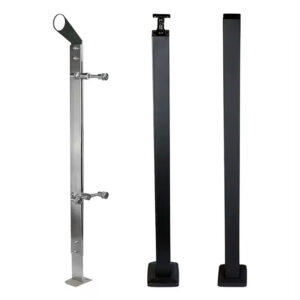
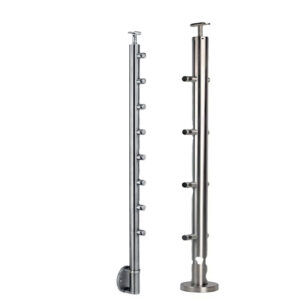
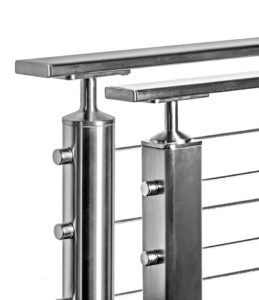
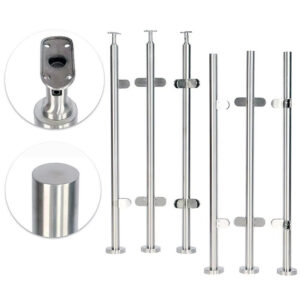
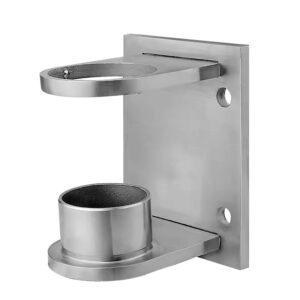
The choice between deck-mount and fascia-mount posts dictates the project’s structural and aesthetic trajectory. Deck-mount posts install directly onto the deck surface, fastening through the decking into the underlying frame. This method is straightforward for new construction where post locations can be planned with the framing layout. Fascia-mount posts attach to the vertical face of the deck’s perimeter rim joist, requiring specialized brackets. This approach is ideal for retrofits or designs seeking an unobstructed deck surface.
Application and Strategic Implications
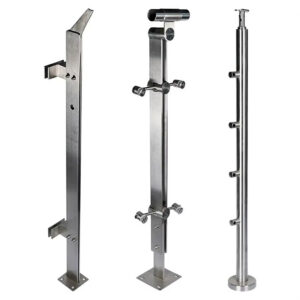
Industry experts recommend selecting the mount type early in the design phase. Fascia mounts often command a price premium due to the added hardware required for cantilevered support. A key trend is the availability of posts in pre-drilled or un-drilled versions. This decouples structural fabrication from aesthetic infill choices, allowing builders to stock universal posts and finalize cable or glass panel decisions later. This flexibility optimizes inventory and accommodates client changes efficiently.
Impact on Project Workflow and Cost
The mounting decision cascades into framing requirements, hardware procurement, and labor. Fascia mounting typically involves more complex bracket systems and precise leveling. From my experience on coastal projects, the initial cost difference between mount types is often justified by the long-term design integrity and reduced maintenance access issues with a clean deck surface.
Fastener Selection for Wood and Concrete Substrates
The Non-Negotiable Principle of Compatibility
Fastener selection is a critical, substrate-specific specification, not a generic afterthought. Using the wrong fastener creates a single point of structural failure. The primary rule is material compatibility: to prevent galvanic corrosion with stainless steel posts, fasteners must also be stainless steel. A tiered strategy using marine-grade 316 stainless in high-moisture zones and 304 elsewhere balances cost against longevity.
Substrate-Specific Fastener Protocols
For wood framing—joists, beams, or reinforced fascia—options include structural screws, lag screws, and through-bolts. Each has distinct installation requirements. For concrete surfaces like footings or piers, concrete screws (Tapcons), drop-in anchors, or epoxy anchors are required. Procurement must treat fastener type and grade as a primary line item, as they are as crucial as the post itself.
Validating Choices with Material Standards
The mechanical and corrosion-resistant properties of stainless steel fasteners are defined by material standards. Referencing the ASTM A276 Standard Specification for Stainless Steel Bars and Shapes ensures the specified fasteners have the necessary performance for long-term structural integrity. This standard governs the material properties of the stainless steel used in both posts and fasteners.
The following table outlines the primary fastener options based on the substrate material.
Fastener Selection for Wood and Concrete Substrates
| Substrate | Fastener Type | Material Grade |
|---|---|---|
| Wood Framing | Structural Screws | 304 or 316 Stainless |
| Wood Framing | Lag Screws | 304 or 316 Stainless |
| Wood Framing | Through-Bolts | 304 or 316 Stainless |
| Concrete | Concrete Screws (Tapcons) | 304 or 316 Stainless |
| Concrete | Drop-In Anchors | High-Strength Steel |
| Concrete | Epoxy Anchors | High-Strength Steel |
Source: ASTM A276 Standard Specification for Stainless Steel Bars and Shapes. This standard defines the material properties for stainless steel grades like 304 and 316, ensuring the specified fasteners have the necessary corrosion resistance and mechanical strength for long-term structural integrity in outdoor deck applications.
Note: Fastener material must match post material (stainless steel) to prevent galvanic corrosion.
Structural Framing and Blocking Requirements for Posts
The Problem of Concentrated Load Transfer
The deck’s wooden skeleton must be engineered to receive concentrated loads from railing posts. A post attached solely to decking without underlying support will fail. The universal requirement is that posts must be located directly over a load-bearing member—a joist, beam, or a reinforced section of fascia.
The Solution: Strategic Reinforcement
When a post location does not align with framing, reinforced blocking must be installed between joists beneath the decking to create a solid mounting surface. For fascia-mounted posts, the fascia board itself becomes structural. It often requires upgrading to thicker material (e.g., 2x lumber) and must be securely fastened to the rim joist with multiple fasteners. This need for precise integration is a key reason professional installation is advised.
Validation Through Load Path Integrity
The validation of proper framing is the system’s ability to resist lateral force. Improper blocking or a weak fascia connection directly compromises this load path, turning a code-compliance issue into a safety hazard. I’ve seen projects delayed for re-framing because blocking was omitted, underscoring that this step cannot be value-engineered out.
Ensuring Code Compliance for 36-Inch Rail Height
Defining the Measurable Requirement
Meeting the 36-inch minimum height code is a precise calculation from the deck surface to the top of the rail. This final dimension must account for decking thickness, post base or bracket height, and the top rail attachment point. Posts are manufactured to specific lengths to achieve this net height when combined with their mounting hardware.
Methods for Achieving and Verifying Compliance
Layout begins with calculating the required post length. During installation, height must be verified before final fastening, using a tape measure from the highest point of the decking surface. Easily overlooked details include accounting for future decking settlement or planned surface upgrades, which could lower the effective rail height over time.
The Long-Term Compliance Framework
Maintenance is an engineered phase. If decking is replaced or connections corrode, the railing’s effective height and strength can be compromised. This long-term view connects to warranty and liability. Using specified care kits and passivators for stainless steel, as detailed in product guidelines, is essential for preserving the as-built compliant condition.
Lateral Load Resistance and Post Connection Design
The Engineering Challenge
The primary structural demand on a railing post is resisting a 200-pound lateral force applied at the top rail, per model codes. The connection design must prevent the post from tipping or pulling away from the deck. This resistance is achieved through the combined withdrawal and shear strength of multiple fasteners in a properly sized base plate or bracket.
Connection Design Solutions
Fascia-mounted brackets use a standoff design to create a more effective moment connection, increasing leverage against tipping. The design must always consider the worst-case load scenario, which is more severe at corners and ends of runs. This directly informs the fastener type, quantity, and embedment depth specified for each post location.
Validating with Role-Based Specifications
Not all posts bear equal load. Terminal posts at corners or stair landings handle unbalanced loads and require more robust connection detailing. This functional role is reflected in product specifications and pricing. The following table categorizes posts by their structural role and required connection robustness.
Lateral Load Resistance and Post Connection Design
| Post Type | Load Role | Connection Robustness |
|---|---|---|
| Terminal Post | Bears Unbalanced Loads | High (robust detailing) |
| Intermediate Post | Distributes Load Along Run | Standard |
| Fascia-Mount Post | Resists Lateral Tipping | High (standoff bracket) |
Source: Technical documentation and industry specifications.
Note: Terminal posts are typically more expensive due to greater structural demands.
Comparing Lag Screws, Through-Bolts, and Structural Screws
Defining the Fastener Options for Wood
For wood-to-wood or wood-to-metal connections, three fastener types dominate: lag screws, through-bolts, and structural screws. Lag screws provide high withdrawal strength via coarse threads. Through-bolts (bolt, nut, and washer) offer the ultimate clamp force and strength. Structural screws are engineered for high shear and tensile values, often with self-tapping tips.
Application and Installation Trade-offs
The choice balances strength against installation complexity. Lag screws require a correctly sized pilot hole to prevent wood splitting. Through-bolts need access to both sides of the wood member for tightening, which is not always feasible in tight deck framing. Structural screws frequently install without pre-drilling and are favored for their versatility and speed.
Decision Framework for Harsh Environments
In maritime and harsh environments, the premium shifts decisively toward corrosion resistance. While all three types are available in stainless steel, the strategic implication is that longevity is pushing premium corrosion resistance toward a baseline requirement. The comparison below clarifies the key trade-offs to inform specification.
Comparing Lag Screws, Through-Bolts, and Structural Screws
| Fastener Type | Primary Strength | Installation Complexity |
|---|---|---|
| Lag Screws | High Withdrawal | Medium (needs pilot hole) |
| Through-Bolts | Ultimate Strength | High (needs rear access) |
| Structural Screws | High Shear/Tensile | Low (often no pre-drill) |
Source: Technical documentation and industry specifications.
Step-by-Step Installation Process for Secure Posts
Preparation and Layout Requirements
Secure installation begins with precise layout using chalk lines, ensuring each post location aligns with reinforced framing. For deck-mount posts, this involves using a specialized hole saw with a center guide to create a clean, accurately placed hole through the decking for the post base. This tooling prerequisite is a barrier to improper DIY execution.
The Sequential Fastening Method
With the hole prepared, the post base is positioned and fastened per the substrate-specific specifications. For fascia mounts, brackets must be leveled and fastened through the reinforced fascia into the rim joist. A critical checkpoint is verifying all components are on-site before starting. The complex procurement of posts, brackets, and long top rails—which often ship via freight—can be a hidden project constraint.
Validation Through Inspection and Adjustment
After all fasteners are tightened to specification, the final validation is a physical check for stability and a measurement for height compliance. Any wobble indicates insufficient framing support or fastener engagement. I always perform this check before installing infill panels, as correcting the post foundation afterward is exponentially more difficult.
Choosing the Right Stainless Steel Post for Your Deck
Synthesizing Mount and Infill Requirements
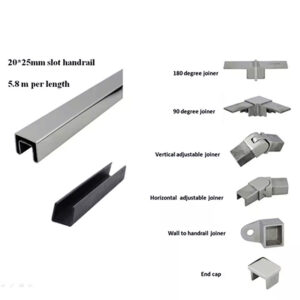
Final selection synthesizes all prior decisions. First, choose the mounting method (deck vs. fascia) based on construction stage and design. Second, select the post type: drilled for cable systems or un-drilled for glass, mesh, or other infill. This modularity allows for customization but demands a meticulous bill-of-materials against system diagrams to avoid missing critical small parts like connector sleeves or end caps.
Specifying for Environment and Longevity
Third, specify the stainless steel grade. For coastal or de-icing salt environments, marine-grade 316 is becoming the standard specification. The procurement of specialized railing components and hardware should be treated as a single-source system to ensure compatibility. Referencing standards like ASTM F3125 Standard Specification for High Strength Structural Bolts for critical bolted connections ensures a foundation of proven mechanical performance.
The Professional Implementation Imperative
The combined need for specialized tools, precise framing, and substrate-specific fasteners strongly suggests professional installation. This ensures safety, longevity, and code compliance, protecting the investment. The DIY risk is high, as errors in any single technical layer—from fastener selection to load path—compromise the entire assembly.
The decision framework for a 36-inch railing post installation hinges on three priorities: substrate-specific fastener specification, engineered framing integration, and professional-grade corrosion resistance. Each choice directly dictates the system’s safety, durability, and compliance. Neglecting any layer invites premature failure.
Need professional-grade stainless steel posts and a clear specification path for your next project? The experts at Esang provide the components and technical guidance to ensure your railing system is built to last. Review detailed system specifications and access installation resources to inform your plan.
For direct consultation on complex projects or custom requirements, you can also Contact Us.
Frequently Asked Questions
Q: How do you choose between deck-mount and fascia-mount posts for a stainless steel railing system?
A: The decision hinges on your project’s construction stage and design goals. Deck-mount posts install directly onto the frame surface and are simpler for new builds. Fascia-mount posts attach to the deck’s vertical perimeter face, ideal for retrofits or a flush surface, but require specialized brackets and cost more. This means new construction with accessible framing should use deck-mount for efficiency, while projects prioritizing a clean aesthetic or modifying existing decks should budget for fascia-mount hardware.
Q: What are the critical considerations for selecting fasteners to attach stainless steel posts to wood framing?
A: You must match the fastener to the wood substrate and prevent galvanic corrosion. Use stainless steel structural screws, lag screws, or through-bolts for wood connections, ensuring they are also stainless steel (Type 304 or 316) to avoid corrosion with the post. The principles of high-strength connections, as outlined in standards like ASTM F3125, apply to ensuring load capacity. For projects in coastal or harsh environments, plan to specify marine-grade 316 stainless as a baseline for all fasteners to guarantee longevity.
Q: Why is precise framing integration non-negotiable for secure post installation?
A: The deck’s wooden structure must transfer concentrated lateral loads from the railing, which requires direct support. Each post must be located over a joist or beam; if not, reinforced blocking must be installed between joists. Fascia-mounted posts demand a structurally reinforced fascia board securely fastened to the rim joist. This means DIY attempts carry high risk, and professional installation is strongly advised to ensure the framing is properly prepared to handle code-required loads safely.
Q: How does the 36-inch minimum rail height code requirement impact post selection and installation?
A: Achieving compliant height is a precise calculation from the deck surface to the top of the rail. You must account for decking thickness, post base height, and the top rail attachment point, selecting post lengths engineered for this final dimension. The material integrity of components is also governed by standards like ASTM A276 for stainless steel. If your decking settles or is replaced later, you must re-verify the rail height, as changes can void compliance and system warranties.
Q: What is the strategic difference between terminal posts and intermediate posts in a railing run?
A: Terminal posts, located at corners or ends of a railing section, bear greater unbalanced lateral loads and require more robust connection detailing. Intermediate posts in a straight run share the load more evenly. This functional difference is reflected in cost, with terminal posts commanding a higher price due to their engineered role. For your project plan, identify all corner and end conditions early, as these posts will need specific hardware and potentially more complex framing reinforcement.
Q: What procurement challenges should you anticipate when ordering a modular stainless steel railing system?
A: System modularity creates complexity, with dozens of SKUs for posts, brackets, caps, and connectors. You must create a meticulous bill-of-materials against system diagrams to avoid missing small but critical parts. Furthermore, long top rails often ship via freight, which can be a hidden logistical constraint. This means your procurement workflow should treat the fastener type, grade, and every small connector as a primary specification, and factor in potential freight delays to your project timeline.