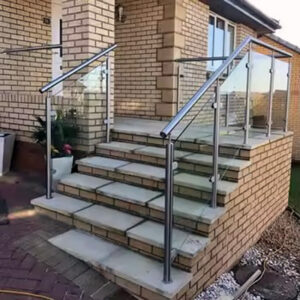
Selecting the right stainless steel finish for a glass railing system is a critical design and specification decision that extends far beyond aesthetics. The chosen surface texture dictates long-term durability, maintenance protocols, and overall project value, yet it’s often treated as a secondary visual choice. Professionals face a common challenge: balancing the initial appeal of a high-gloss mirror finish against the practical resilience of a brushed or satin alternative, often without a clear framework for evaluating the trade-offs.
This decision carries significant weight because the finish interacts directly with the glass and the environment, forming a permanent architectural feature. In an era where building performance and lifecycle costs are scrutinized, understanding the technical hierarchy of stainless steel finishes—from corrosion resistance to wear concealment—is essential for delivering projects that meet aesthetic intent without compromising on longevity or budget.
Brushed vs Mirror vs Satin: Defining the Core Differences
The Mechanical Basis of Surface Texture
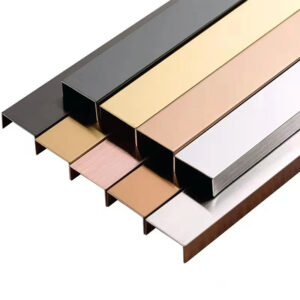
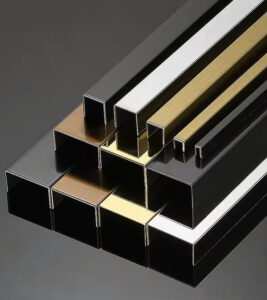
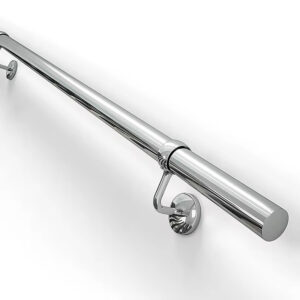
The visual distinction between brushed, mirror, and satin finishes originates from specific, standardized mechanical processes. A #4 Brushed finish is created using directional abrasives, producing a uniform linear grain with a soft, low-to-medium luster. This process intentionally leaves a visible texture. Conversely, a #8 Mirror finish requires extensive progressive buffing and polishing to eliminate all grain lines and imperfections, resulting in a flawless, high-gloss reflective plane. The #6 Satin finish occupies a refined middle ground, undergoing initial sanding followed by fine buffing to achieve a smooth, velvety surface characterized by a soft glow and minimal reflectivity.
From Commodity to Customized Solutions
This technical hierarchy directly influences not just appearance but also cost, cleanability, and perceived quality. Industry experts recommend looking beyond these three commodity finishes. We compared proprietary technologies and found that leading manufacturers are now offering enhanced solutions like ceramic coatings. These proprietary finishes signal a market shift towards differentiated, value-added systems that solve specific durability and aesthetic matching problems standard stainless cannot address.
Cost Comparison: Initial Investment & Long-Term Value
Upfront Cost Drivers
The initial cost of a stainless steel finish is intrinsically linked to its production labor. A #8 Mirror polish commands the highest price due to the precision and extensive handwork required to achieve optical clarity. Brushed (#4) and Satin (#6) finishes are more cost-effective, with satin typically carrying a moderate premium over brushed for its more refined, consistent appearance. Easily overlooked details include the cost implications of the base material grade, which is a separate but critical factor.
Evaluating Total Cost of Ownership
A true financial analysis must account for long-term value, where finish selection dictates the maintenance strategy. According to research from fabricator case studies, a lower-cost matte bead blast finish may incur higher lifetime cleaning costs due to its porous texture retaining stains. Conversely, the superior surface density of a mirror finish can enhance practical corrosion resistance, potentially offering better longevity. The material itself is a primary investment; specifying marine-grade 316 stainless steel, especially for exterior use, is a non-negotiable for longevity that outweighs initial savings from less resistant alternatives.
| Finish Type (Standard) | Relative Initial Cost | Key Long-Term Value Consideration |
|---|---|---|
| #8 Mirror Polish | Highest | Superior surface density |
| #6 Satin Finish | Moderate premium | Refined appearance, good durability |
| #4 Brushed Finish | Cost-effective | Hides wear well |
| Matte Bead Blast | Low initial cost | Higher lifetime cleaning costs |
Source: Technical documentation and industry specifications.
Durability & Maintenance: Which Finish Hides Wear Best?
The Illusion of Perfection
In architectural applications, durability is often about a finish’s ability to conceal the inevitable micro-abrasions, fingerprints, and smudges of daily use, not just its hardness. Brushed and satin finishes excel here. Their linear or fine-grained textures naturally camouflage minor scratches and marks within the pattern, making them ideal for high-traffic areas. In my experience specifying for corporate lobbies, a satin finish consistently maintains its elegance with minimal fuss.
The Maintenance Trade-Off
Mirror finishes, while physically durable, are optically unforgiving. Every fingerprint, water spot, or fine scratch is highly visible, demanding frequent, careful cleaning with non-abrasive materials to maintain the intended pristine appearance. This trade-off between polish and practical resilience must be paired with a clear maintenance protocol from the outset. For the client, the choice inherently determines the long-term upkeep burden and staffing requirements.
| Finish Type | Scratch & Smudge Visibility | Recommended Application Setting |
|---|---|---|
| Brushed (#4) | Low (hides in grain) | High-traffic commercial/residential |
| Satin (#6) | Low (fine-grained texture) | Corporate or residential settings |
| Mirror (#8) | High (optically unforgiving) | Luxury interiors as focal point |
| Matte Bead Blast | High (porous texture) | Low-maintenance interiors |
Source: Technical documentation and industry specifications.
Aesthetic Impact: How Each Finish Complements Glass
Creating an Integrated Visual System
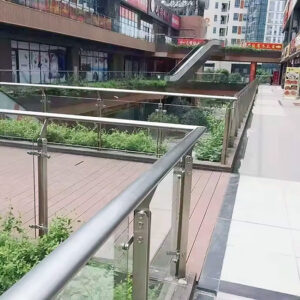
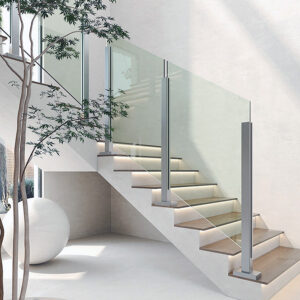
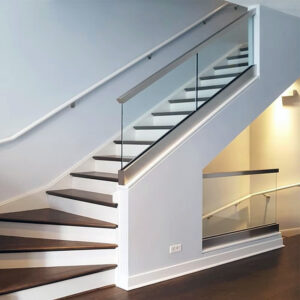
The stainless steel finish and glass infill should be considered as a single, integrated design element. A mirror finish paired with clear glass creates a dramatic, highly reflective ensemble that amplifies light and views, ideal for projects aiming for luxury and spatial expansion. Brushed and satin finishes provide a subdued, textured contrast that frames the glass without competing for attention, offering a contemporary, understated elegance.
Aligning Finish with Glass Treatment
This interaction is elevated when the metal finish is deliberately aligned with the glass treatment. A satin finish complements frosted, fritted, or tinted glass by providing a sophisticated metal backdrop that doesn’t fight for visual priority. A mirror finish pairs best with perfectly clear glass to maximize reflectivity. This synergy allows the railing system to solve multiple design challenges—from controlling privacy to incorporating branding—transforming it from a mere barrier into a key architectural feature.
Best Applications: Interior vs. Exterior Use Cases
Exterior Performance Priorities
For exterior glass railings, environmental durability and corrosion resistance are the primary drivers for finish selection. Brushed and satin finishes are excellent all-weather choices, as their grain patterns effectively mask wear from weather and UV exposure. The critical link, often emphasized by engineers, is the base material. In coastal or harsh industrial climates, specifying 316-grade stainless steel is non-negotiable, regardless of finish.
Interior Aesthetic and Functional Zones
In interior applications, the focus shifts to aesthetic intent and human traffic patterns. Mirror finishes excel as focal points in luxury settings like hotel lobbies or high-end retail. Brushed finishes are the workhorse for high-traffic corridors or public spaces due to their forgiving nature. Satin finishes offer versatile elegance for corporate offices or residential settings, balancing refinement with practicality. This segmentation reveals that professional-tier projects demand these nuanced specifications, while other market segments may prioritize simpler, modular options.
| Environment | Recommended Finish(s) | Critical Material Specification |
|---|---|---|
| Exterior (General) | Brushed, Satin | 316-grade stainless steel |
| Exterior (Coastal/Harsh) | Brushed, Satin (316 grade) | 316-grade is non-negotiable |
| Interior (High-Traffic) | Brushed | Forgiving to wear |
| Interior (Luxury Focal Point) | Mirror | Demands frequent cleaning |
Source: EN 10088-2 Stainless steels – Part 2: Technical delivery conditions for sheet/plate and strip of corrosion resisting steels for general purposes. This European standard defines grades like 316, specifying their chemical composition and properties for corrosion resistance, which is the foundational material choice for exterior applications.
Corrosion Resistance & Technical Performance Compared
The Role of Surface Topography
While all finishes depend on the inherent corrosion resistance of the underlying stainless steel (ideally grade 316), the finishing process modifies the surface topography. A #8 Mirror polish offers the best practical corrosion resistance because the intensive buffing and polishing eliminates microscopic crevices and imperfections where corrosive agents like chlorides can initiate pitting. Brushed and satin finishes perform well but have a textured surface that requires proper post-fabrication treatment.
The Critical Step of Passivation
After any mechanical abrasion during fabrication, the protective chromium oxide layer on the stainless steel is disturbed. This makes passivation—a chemical treatment per ASTM A967 Standard Specification for Chemical Passivation Treatments for Stainless Steel Parts—essential. This process removes free iron contaminants and restores the passive layer. For maximum longevity in aggressive environments, specifying a mirror polish on 316 stainless represents the peak of the performance hierarchy.
| Finish Type | Practical Corrosion Resistance | Critical Post-Fabrication Step |
|---|---|---|
| #8 Mirror Polish | Best (eliminates crevices) | Passivation (restores oxide layer) |
| #6 Satin Finish | Good (with proper treatment) | Passivation required |
| #4 Brushed Finish | Good (with proper treatment) | Passivation required |
| Matte Bead Blast | Less optimal (porous texture) | Passivation highly recommended |
Source: ASTM A967 Standard Specification for Chemical Passivation Treatments for Stainless Steel Parts. This standard covers critical chemical treatments to remove contaminants and enhance the inherent corrosion resistance of stainless steel parts, which is essential for all mechanical finishes after fabrication.
Beyond the Big Three: Matte, Bead Blast & Coatings
Alternative Mechanical Finishes
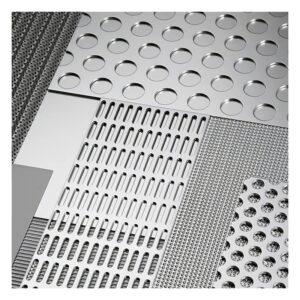
While brushed, satin, and mirror are the core lexicon, alternatives like matte or bead blast finishes address specific needs. Created by bombarding the surface with fine media, this process yields a uniform, non-directional, and low-reflectivity texture at a relatively low cost. However, its porous nature can make it more susceptible to retaining oils and stains, increasing maintenance.
The Strategic Shift to Applied Coatings
Applied coatings, including powder coating and advanced proprietary ceramic coatings like CeraShield, dramatically expand the design palette. These are not mere colors; they are engineered surface systems. Industry analysis identifies these proprietary finishes as a key strategic differentiator. Coatings based on technologies like CERAKOTE offer enhanced scratch, fade, and chemical resistance, allowing suppliers to move beyond competing on standard polish levels and instead solve specific client problems, such as color-matching adjacent architectural elements or achieving extreme durability for coastal applications.
Choosing the Right Finish: A Practical Selection Framework
Defining Core Parameters
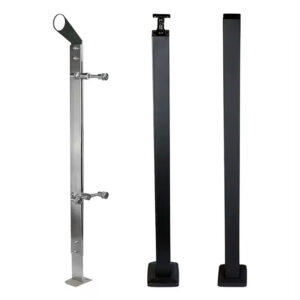
Selecting the optimal finish requires a systematic evaluation. Begin by defining the primary aesthetic goal: high drama (Mirror), textured modernity (Brushed), or understated elegance (Satin). Next, rigorously assess environmental exposure and traffic to determine durability and maintenance needs. This decision must be made in early collaboration with engineers and fabricators, as the finish and chosen mounting method are interdependent structural and aesthetic choices.
Integrating System-Wide Considerations
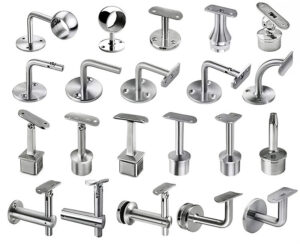
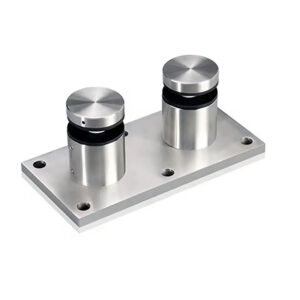
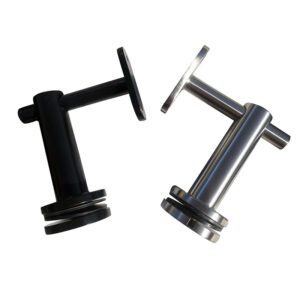
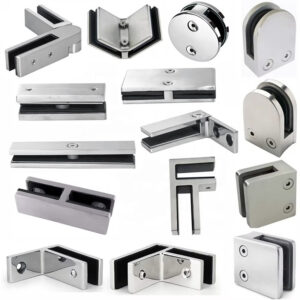
The railing should be considered as part of an integrated architectural system. Does the design incorporate LED lighting for ambiance or safety? The metal finish will affect light reflectance. Is the glass laminated or does it provide solar control? The finish should complement these active subsystems. Finally, leverage digital visualization tools to preview combinations and prioritize suppliers who offer certified, engineered whole-system solutions for glass railing hardware and components to mitigate project risk and ensure code compliance.
| Primary Decision Factor | Key Question | Example Consideration |
|---|---|---|
| Aesthetic Goal | High drama or subtle elegance? | Mirror vs. Satin |
| Environment & Traffic | Exposure and wear expected? | Exterior vs. high-traffic interior |
| System Integration | Part of a larger system? | LED lighting, solar control glass |
| Project Tier | Professional or DIY/Contractor? | Nuanced specs vs. modular options |
Source: Technical documentation and industry specifications.
The optimal stainless steel finish balances a clear aesthetic vision with uncompromising performance logic. Prioritize the environmental context—specifying 316-grade steel for exterior use is foundational—and match the finish’s ability to hide wear with the expected traffic. View the railing as an integrated system where the metal finish and glass treatment work in concert to achieve the design objective.
Need professional guidance to specify the right finish and hardware for your next project? The technical team at Esang can provide detailed material comparisons and system recommendations tailored to your specific environmental and design requirements.
For a direct consultation on your project specifications, you can also Contact Us.
Frequently Asked Questions
Q: How does the finishing process affect the corrosion resistance of stainless steel for glass railings?
A: The mechanical finishing process directly modifies the surface’s susceptibility to corrosion. A #8 Mirror polish provides superior practical resistance because its intensive buffing eliminates microscopic crevices where corrosive agents can initiate pitting. Brushed or satin finishes require proper chemical passivation treatments post-fabrication to restore the protective layer. This means specifying a mirror finish on marine-grade 316 stainless steel is the optimal choice for aggressive coastal environments.
Q: What is the long-term maintenance trade-off between a mirror and a brushed finish?
A: The primary trade-off is between visual perfection and practical upkeep. A mirror finish is optically unforgiving, making fingerprints, water spots, and micro-scratches highly visible and demanding frequent, careful cleaning. Brushed and satin finishes have textured grains that naturally conceal minor wear and smudges within their pattern. For projects where minimizing daily upkeep in high-traffic areas is a priority, a brushed or satin finish will significantly reduce the long-term maintenance burden.
Q: Which technical standards are critical for specifying the base stainless steel material?
A: You must reference material standards that define the steel’s composition, mechanical properties, and surface quality. In North America, the ASTM A480/A480M specification establishes general requirements for flat-rolled stainless steel. In European markets, EN 10088-2 provides the technical delivery conditions for corrosion-resistant sheet and strip. This ensures the structural posts and framework for your railing system meet consistent performance and quality criteria from the start.
Q: How should we approach finish selection for an exterior glass railing system?
A: Begin by prioritizing durability and environmental performance over pure aesthetics. Brushed and satin finishes are excellent all-weather choices as their textures mask environmental wear. Critically, always specify marine-grade 316 stainless steel for its enhanced chloride resistance, a non-negotiable step for coastal or harsh climates confirmed by accelerated tests like those in ISO 9227. This means your finish and material grade must form a unified corrosion defense strategy.
Q: When is a satin finish a better choice than a standard brushed finish?
A: A #6 Satin finish is the preferred choice when you require a more refined, velvety appearance with very low reflectivity but need better fingerprint resistance than a mirror polish. It provides a sophisticated, understated elegance that frames glass without competing for attention, making it ideal for corporate or high-end residential interiors. For projects where contemporary aesthetics are paramount but a high-gloss look is too dramatic or maintenance-intensive, satin offers the optimal middle ground.
Q: What role does passivation play after stainless steel railing components are fabricated?
A: Passivation is a mandatory post-fabrication chemical treatment that removes free iron and contaminants from the steel’s surface to restore its full corrosion-resistant potential. This process, detailed in standards like ASTM A967, is especially critical for brushed or satin finishes where abrasion can compromise the protective chromium oxide layer. If you are fabricating or sourcing custom components, you must verify that passivation is included in the scope to prevent premature surface staining.
Q: How do proprietary coated finishes change the value proposition compared to standard mechanical polishes?
A: Applied coatings like ceramic or CERAKOTE-based solutions move beyond the limitations of standard stainless steel by introducing color and enhanced surface performance. They solve specific design matching problems and can offer superior resistance to scratches, chemicals, and UV fading. This means manufacturers offering these proprietary finishes compete on differentiated, value-added solutions rather than commodity polish levels, providing you with options for unique aesthetics or extreme durability in specialized applications.