Accurate budget planning for a stainless steel handrail project is a complex technical exercise, not a simple material cost calculation. Professionals often face budget overruns due to unforeseen variables like structural retrofits, code compliance adjustments, and site-specific installation challenges. A standard per-linear-foot estimate fails to account for the critical interdependencies between design, fabrication, and execution.
A disciplined, factor-based estimation method is essential for financial control and project success. This approach transforms budgeting from reactive guesswork into proactive risk management. It ensures your financial plan aligns with safety requirements, aesthetic goals, and long-term durability, preventing costly mid-project changes.
Factor 1: Design & Configuration Dictates Your Budget
The Geometry of Cost
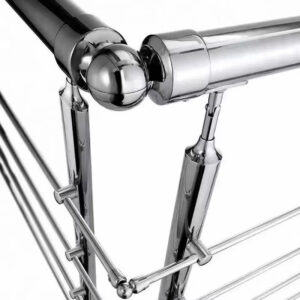
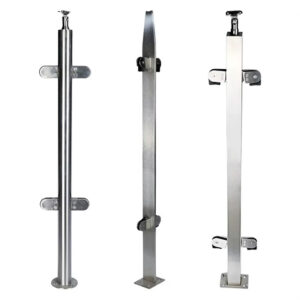
Your project’s fundamental geometry establishes the cost baseline. Straight runs are the most economical, utilizing standard-length rails and posts. Complex layouts—L-shaped, U-shaped, or curved—require custom-fabricated components like angled posts, special fittings, and bent rails. Each custom element increases both material waste in fabrication and skilled labor time for assembly and fitting.
The Infill Decision Matrix
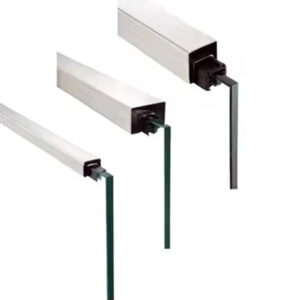
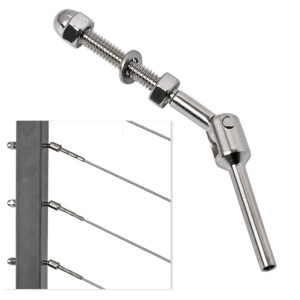
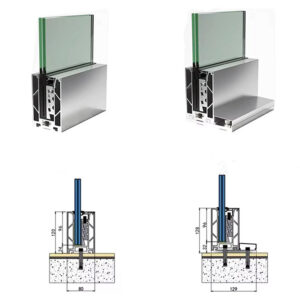
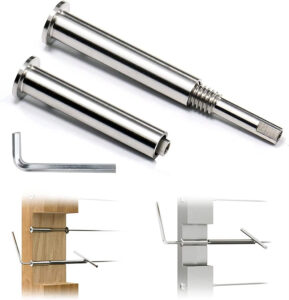
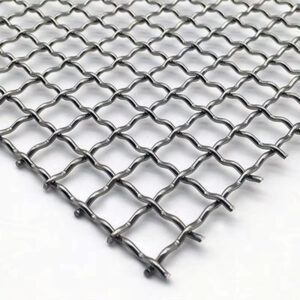
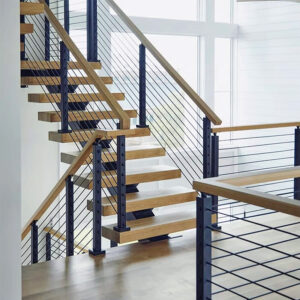
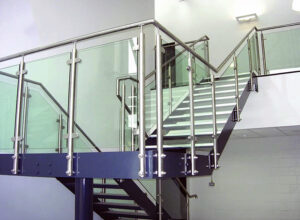
The choice of infill is a primary cost driver with significant aesthetic and functional implications. Horizontal cable systems offer modern transparency but require precise tensioning. Vertical cable or mesh provides security with varying openness. Glass infill, while offering a premium, unobstructed view, introduces the highest cost variability based on type (tempered vs. laminated), thickness, and clarity requirements. This decision must balance budget with the desired visual outcome and maintenance considerations.
Standardization vs. Customization
The market serves two distinct models. Pre-engineered kit systems provide predictable pricing, faster delivery, and simplified installation for standard applications, offering budget certainty. Fully custom fabrication caters to bespoke architectural visions, incurring higher upfront design and engineering costs for ultimate flexibility. I’ve seen projects stall when a custom design intent meets a standardized kit budget; aligning expectations here is the first critical step.
Factor 2: Material Specifications & Quantity Takeoff
Selecting the Appropriate Grade
Material selection begins with the correct stainless steel grade for the environment. While 304 stainless is standard for most applications, 316 marine-grade offers superior resistance to chlorides and is mandatory for coastal or high-corrosion environments. This performance comes at a 20-40% material premium. The decision should be based on lifecycle cost, not initial price, factoring in longevity and maintenance.
Executing a Precise Takeoff
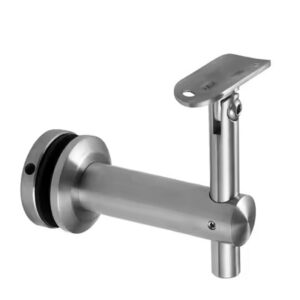
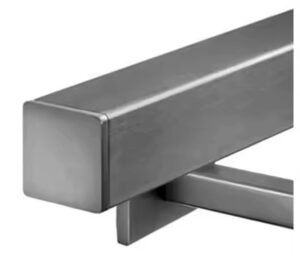
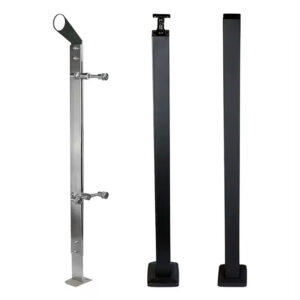
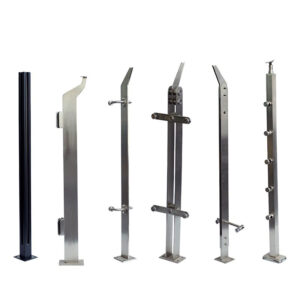
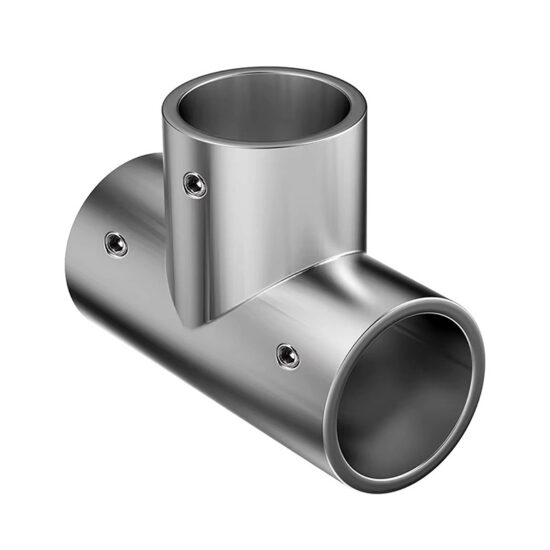
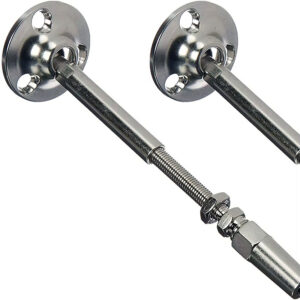
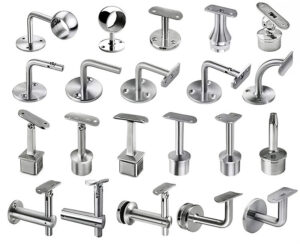
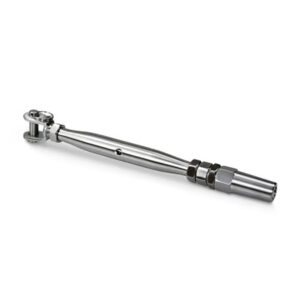
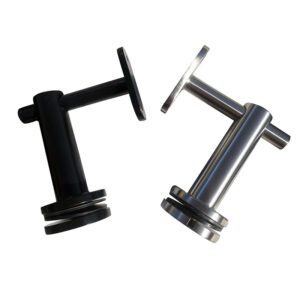
A detailed quantity takeoff (QTO) is the blueprint for your material budget. It must catalog every component: linear feet of top rail (specifying round, square, or flat profile), the count and diameter of posts, total linear feet of cable or square footage of glass, and all associated hardware (brackets, fittings, tensioners). Inaccuracies in the QTO are a direct source of budget overruns and change orders.
Calculating for Cost and Compliance
Accurate weight calculation is non-negotiable. Using stainless steel’s density (~7,850 kg/m³) and component dimensions, you calculate raw material costs, ensure structural design safety, and plan logistics. This data also informs compliance, as load capacity requirements dictated by codes like the IBC Chapter 10 Means of Egress depend on the strength of your specified materials and their anchorage.
| Material Grade | Cost Premium | Primary Application |
|---|---|---|
| 304 Stainless | Standard Cost | General, Standard Use |
| 316 Marine-Grade | 20-40% Higher | Coastal, High-Corrosion Areas |
| Warranty Tier | Typical Lifespan | Cost Consideration |
| Coastal Grade | 10 Years | Lower Initial Cost |
| Premium Lines | 50 Years | Lifecycle Cost Justified |
Source: ASTM A480/A480M Standard Specification for General Requirements for Flat-Rolled Stainless and Heat-Resisting Steel Plate, Sheet, and Strip. This standard defines the chemical and mechanical properties of stainless steel grades like 304 and 316, which directly determine their corrosion resistance, suitability for different environments, and associated material costs.
Factor 3: Fabrication & Finishing Cost Drivers
Fabrication Methodology
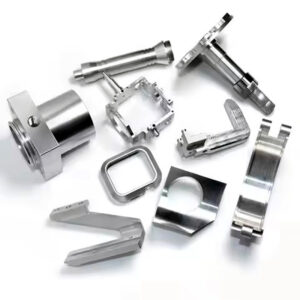
The transformation of raw material into components carries significant cost implications. Pre-engineered, panelized systems minimize on-site labor but limit design flexibility. Fully custom fabrication allows for any design but requires more skilled shop labor for precise cutting, bending, and TIG welding. Complex joints, compound angles, and integrated features increase fabrication time and cost exponentially.
The Price of Perfection in Finishing
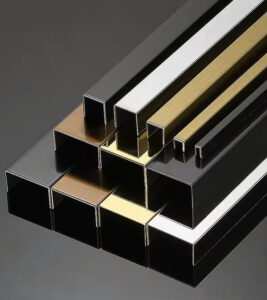
The chosen finish dramatically affects both aesthetics and budget. A standard brushed (satin) finish is most common. A mirror polish requires extensive progressive sanding and buffing, adding significant labor. Custom powder coating introduces additional material and preparation steps. The fabricator’s capability here is key; suppliers using advanced CAD-to-laser cutting achieve tolerances that reduce on-site fitting labor, justifying a potential premium for a flawless final install.
| Fabrication Method | Cost/Complexity | Design Flexibility |
|---|---|---|
| Pre-Engineered Kits | Lower Cost, Predictable | Limited, Standard Designs |
| Custom Fabrication | Higher Cost, Variable | Complete, Bespoke Designs |
| Finish Type | Relative Cost | Aesthetic Level |
| Standard Brushed | Common, Lower Cost | Standard Appearance |
| Mirror Polish | Significant Labor/Cost | Premium, High-End Finish |
Source: Technical documentation and industry specifications.
Factor 4: Labor, Installation, & Site Logistics
Quantifying On-Site Labor
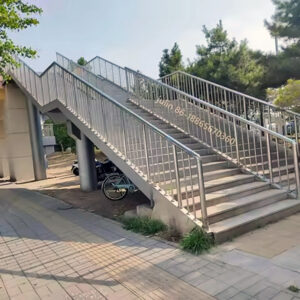
Labor costs are dictated by site complexity. A straightforward deck installation is efficient. Staircases, balconies with difficult access, multi-level transitions, or retrofit scenarios demand more time, specialized skills, and equipment. The installation sequence—layout, core drilling for anchors, post setting, rail assembly, and infill installation—must be meticulously planned to avoid rework.
The Hidden Variable: Structural Backing
Proper anchorage into a sound substrate is a non-negotiable safety prerequisite, not a line-item afterthought. In retrofit projects, the lack of original structural plans often necessitates invasive investigation. Discovering insufficient backing requires adding steel reinforcement or new concrete footings, costs that can dwarf the railing system itself. A pre-installation site verification is critical to identify these risks.
Logistics and Access
Shipping heavy, long, or fragile components like glass panels requires specialized packaging and freight. Constrained urban sites, limited crane access, or multi-story building deliveries add complexity and cost. These factors must be coordinated with your construction timeline to avoid delays and additional handling fees.
Navigating Compliance, Permits, & Contingency Costs
Code Compliance as a Design Constraint
Safety codes are not guidelines but legal requirements that shape your design from the outset. Regulations like the IBC Chapter 10 Means of Egress dictate critical parameters: height (36″ residential vs. 42″ commercial), load capacity (200 lb concentrated load), and the 4″ sphere rule for infill spacing. These mandates directly eliminate certain aesthetic or cost-saving options, requiring specific materials like tempered glass and engineered tensioning systems.
The Permit and Inspection Process
Local building permit fees are a direct cost. More importantly, failing an inspection due to non-compliance leads to costly re-work and project delays. Working with a fabricator whose systems are backed by an ICC-ES Evaluation Report (like AC273) provides assurance of compliance and can streamline the permitting process.
The Essential Contingency Allowance
A professional budget always includes a contingency buffer. This 10-15% allowance covers unforeseen issues: hidden substrate problems discovered during installation, last-minute code interpretations by the inspector, or material price fluctuations between estimate and purchase. It is the financial tool that separates a realistic budget from an optimistic guess.
| Code Requirement | Residential Standard | Commercial Standard |
|---|---|---|
| Handrail Height | 36 inches minimum | 42 inches minimum |
| Load Capacity | 200 lb concentrated load | 200 lb concentrated load |
| Infill Spacing Rule | 4-inch sphere rule | 4-inch sphere rule |
| Budget Category | Recommended Allowance | Purpose |
| Contingency Buffer | 10-15% of budget | Unforeseen adjustments/issues |
Source: IBC Chapter 10 Means of Egress. This code mandates critical safety parameters for guardrails and handrails, including height, load strength, and infill spacing, which are non-negotiable design constraints that directly dictate material and construction choices.
How to Get & Compare Detailed Project Quotes
Preparing for a Consultative Estimate
The “free estimate” is the start of a technical dialogue. To get comparable quotes, provide suppliers with detailed project information: dimensioned sketches or plans, material preferences, site photos, and access conditions. This enables them to identify potential challenges early. The most reliable partners will ask probing questions about structure and usage, acting as design consultants.
Decoding an Itemized Quote
An actionable quote is fully itemized. It should clearly separate material costs, fabrication/engineering, labor installation, and logistics. This breakdown allows you to compare not just the bottom line, but each supplier’s approach and cost drivers. It also reveals their expertise in hybrid systems, such as combining aluminum frames with stainless cables, a common solution for achieving modern aesthetics with optimized material costs.
Evaluating Beyond Price
Use the quoting process to assess capability. Do they provide detailed CAD drawings or BIM files? Can they supply 3D renderings for custom work? Do they offer guidance on hybrid material systems for cable railings? Their responsiveness and technical depth during estimation are strong indicators of their project management competency during execution.
| Quote Component | Must Be Itemized | Purpose of Breakdown |
|---|---|---|
| Materials | Yes | Basis for quantity takeoff |
| Fabrication | Yes | Compare process costs |
| Labor & Installation | Yes | Assess site complexity cost |
| Logistics & Shipping | Yes | Understand delivery charges |
| Professional Services (e.g., CAD) | If applicable | Evaluate design support |
Source: Technical documentation and industry specifications.
Building Your Final Budget: A Step-by-Step Summary
Synthesizing the Cost Categories
Construct your final budget by aggregating all validated costs. Sum the core categories: Materials (from your vetted QTO), Fabrication, Labor, and Logistics. Then, add line items for Professional Services (engineering stamps, CAD) and the Compliance & Contingency allowance (permits + 10-15% buffer). This creates a comprehensive project total.
Benchmarking and Validation
Cross-check your calculated total against per-linear-foot benchmarks for projects of similar complexity. Remember, these benchmarks have wide variance; a simple deck rail and a complex curved staircase are incomparable. This step validates your estimate or flags areas for re-examination.
The Lifecycle Cost Perspective
Finalize your budget with a lifecycle perspective. A higher initial investment in a grade-appropriate, corrosion-resistant system with a robust warranty may offer far greater long-term value by eliminating early replacement or excessive maintenance. This transforms your budget from a simple expense sheet into a strategic asset management document.
Next Steps: From Estimate to Project Execution
Finalizing Design and Documentation
With a budget approved, transition to execution. Finalize professional shop drawings and, for complex designs, structural calculations. For custom projects, insist on a 3D render to visualize the final outcome. This is the stage to confirm all details before fabrication begins, ensuring the built product matches the design intent.
Pre-Installation Coordination
Schedule a final pre-installation site visit with the lead installer. Verify all measurements and, critically, conduct a definitive assessment of substrate integrity for anchor points. Coordinate delivery logistics to align precisely with your construction schedule, avoiding site congestion and material handling issues.
Managing to the Plan
Execution is the management of your detailed plan. By systematically addressing each of the eight cost factors, you have mitigated financial risks, ensured code compliance, and set clear expectations. This disciplined foundation enables you to manage the project proactively, leading to a successful installation that delivers on safety, aesthetics, timeline, and budget.
Your budget is now a control document, not a guess. The eight-factor method provides the framework to manage variables, from material selection to site logistics. It shifts the conversation from price to value, ensuring your investment is protected from concept to completion. Need professional guidance to apply this method to your specific stainless steel handrail specifications? The team at Esang specializes in translating complex project requirements into precise, executable plans and durable, code-compliant handrail systems. For a detailed consultation on your project parameters, you can also Contact Us.
Frequently Asked Questions
Q: How does the choice between a pre-engineered kit and a fully custom fabrication impact our project’s budget and timeline?
A: Pre-engineered kits offer predictable pricing and faster delivery for standard applications, limiting design flexibility. Fully custom fabrication allows for unique architectural features but incurs higher upfront design costs, longer lead times for cutting and welding, and requires more skilled installation labor. For projects where budget certainty and speed are critical, prioritize kit systems; if your design vision demands bespoke elements, plan for a 20-40% longer timeline and a larger contingency fund.
Q: What are the key compliance requirements that dictate handrail design and material selection?
A: Your design must adhere to building codes like the International Building Code (IBC), which mandates specific parameters. These include a 42-inch height for commercial applications, the ability to withstand a 200-pound concentrated load, and infill spacing that prevents a 4-inch sphere from passing through. Compliance with IBC Chapter 10 Means of Egress is non-negotiable and often requires the use of tempered glass and specific cable tensions, eliminating some cost-saving aesthetic options from consideration.
Q: Why is a detailed quantity takeoff critical for controlling stainless steel handrail project costs?
A: An accurate takeoff lists every component—linear feet of rail, post count, cable length, and all hardware—to prevent material shortages or costly overages. Precise weight calculation using stainless steel’s density (~7,850 kg/m³) is essential for budgeting raw material costs and logistics. Inaccuracies here directly cause budget overruns. This means you should invest time in precise measurements or work with a fabricator who uses advanced CAD tools to ensure your quote reflects the true material scope.
Q: How should we evaluate and compare quotes from different stainless steel handrail suppliers?
A: Demand itemized quotes that break down material, fabrication, labor, and logistics costs separately. Provide each supplier with identical project details: sketches, dimensions, material grade preferences (e.g., 304 vs. 316), and site conditions. Use this process to assess their expertise in hybrid systems and their ability to supply digital tools like BIM files. This means you are evaluating them as a design partner, not just a vendor, to ensure they can meet both modern aesthetic trends and technical requirements.
Q: What hidden site condition can cause significant unforeseen costs during installation?
A: The most common hidden cost driver is inadequate structural backing for proper anchorage, especially in retrofit projects. Without original structural plans, you may need invasive investigation and reinforcement of the substrate, which can add expenses that exceed the railing cost itself. This means for any retrofit or balcony project, you must budget for a pre-installation site verification and include a 10-15% contingency specifically for potential structural remediation.
Q: How do material grade and finish selection affect the long-term value of the installation?
A: Opting for 316 marine-grade stainless steel over standard 304 commands a 20-40% premium but provides superior corrosion resistance in coastal or harsh environments, aligning with longer warranty tiers. Similarly, a mirror polish or custom powder coat adds significant upfront cost but enhances durability and aesthetics. This means facilities in corrosive environments should prioritize 316 grade based on lifecycle cost analysis, not just initial price, to minimize maintenance and replacement costs over decades.
Q: What role do material specifications play in ensuring the quality of fabricated components?
A: The quality of raw materials is governed by standards like ASTM A480/A480M, which defines the general requirements for stainless steel plate, sheet, and strip, including chemical composition and dimensional tolerances. Fabricators adhering to this specification ensure consistent material properties, which is foundational for achieving precise cuts, strong welds, and a uniform finish. This means you should verify that your fabricator’s material certifications reference ASTM A480 to guarantee the integrity of your project’s primary input.