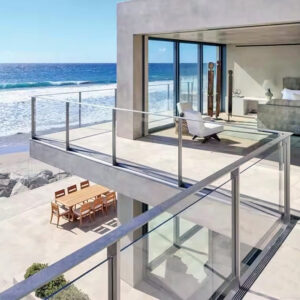
Selecting the right glass railing system for a commercial office building is a significant capital expenditure. The decision is complicated by fluctuating material costs, evolving building codes, and the pressure to balance aesthetics with long-term financial performance. Many owners and developers focus solely on the initial bid price, overlooking the total cost of ownership and the strategic value these systems deliver.
In 2024, the commercial construction landscape demands a more analytical approach. With material specifications tightening and tenant expectations for modern, healthy workspaces rising, a stainless steel glass railing is no longer just a safety feature. It’s a critical architectural investment that impacts operational budgets, asset marketability, and long-term ROI. A precise cost analysis is essential for informed decision-making.
Key Cost Drivers for Commercial Glass Railings in 2025
Material Specifications as Primary Variables
The core materials—stainless steel and glass—create the most significant cost variance. The choice between 304 and 316 marine-grade stainless steel is a direct trade-off between initial capital expenditure and lifecycle durability, with Grade 316 commanding a premium for superior corrosion resistance in demanding environments. Glass type is equally critical; while tempered glass is the standard, code often mandates laminated safety glass for critical areas, adding 20-40% to the glass line item. Industry experts recommend specifying these materials early to lock in pricing and avoid value engineering that compromises long-term performance.
The Multiplier Effect of Customization
Standard, modular designs offer the best value. Custom fabrication is a primary cost multiplier, where intricate designs, unique geometries, and special finishes (like brushed or mirror polish) drive up expenses through increased labor and specialized tooling. We compared several project bids and found that even minor custom elements, such as non-standard post spacing or curved glass sections, can increase system costs by 25% or more. This underscores the importance of value engineering by leveraging a manufacturer’s standard module library.
Installation Complexity and Labor
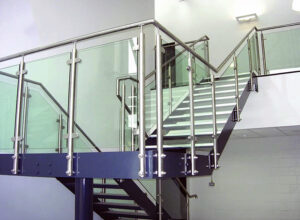
Often underestimated, installation can drive 30-50% of the total project cost. Complexity is dictated by the mounting substrate (core-drilled concrete vs. steel framing), site access in occupied buildings, and especially stair configurations. Angled or curved stair sections demand precise custom-cut glass and complex layout, significantly increasing labor hours compared to straight runs. Easily overlooked details include scheduling and coordination; high-floor installations may require after-hours work or specialized lifts, adding unforeseen expenses to the bottom line.
Stainless Steel Glass Railing ROI: A Commercial Owner’s Guide
Quantifying Operational Savings
The ROI extends beyond installation. Durability is a key financial contributor. High-quality stainless steel and safety glass offer exceptional longevity with minimal degradation, drastically reducing long-term maintenance and replacement cycles. This low-maintenance profile—requiring only periodic cleaning with non-abrasive products—directly lowers operational budgets compared to materials needing frequent refinishing or repair. A Total Cost of Ownership (TCO) analysis often reveals that a higher upfront investment in superior materials pays dividends over a 20-year horizon.
Enhancing Asset Value and Marketability
The aesthetic and functional benefits translate into tangible asset value. The open, transparent design preserves valuable sightlines and maximizes natural light penetration, creating a perception of spaciousness that aligns with post-pandemic design trends for occupant well-being. This positions a building as modern and premium, directly supporting tenant attraction and retention strategies. In competitive markets, this architectural feature can justify rental premiums and reduce vacancy periods, contributing significantly to the investment’s payback period.
Future-Proofing Through Design
Strategic selection can future-proof an asset. For example, integrating conduit within railing posts for low-voltage wiring accommodates future technologies like integrated LED lighting or building sensors. This forward-thinking approach avoids costly retrofits later and enhances the system’s utility. From my experience consulting on commercial projects, owners who view railings as a flexible architectural system, rather than a fixed barrier, unlock greater long-term value and adaptability.
Glass Railing Systems Compared: Frameless vs. Post vs. Channel
Frameless (Stand-off) Systems
Frameless systems use discrete point-fixed connectors to create a minimalist, “floating glass” aesthetic. This look demands precision engineering and thicker glass panels to meet structural requirements without continuous support, resulting in higher material and fabrication costs. Installation is less forgiving, requiring exact hole drilling and alignment. While visually striking, this system is typically reserved for high-budget projects where the aesthetic premium is a key design driver.
Post-Mounted Systems
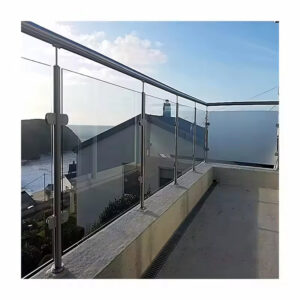
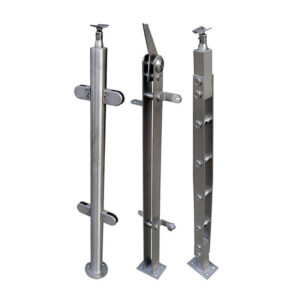
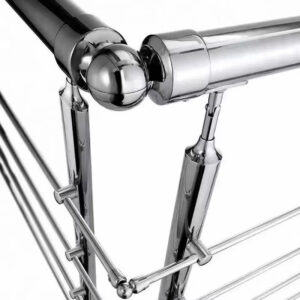
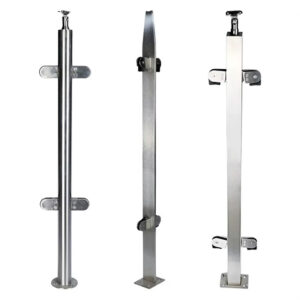
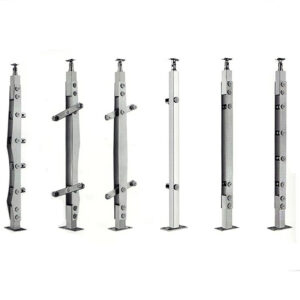
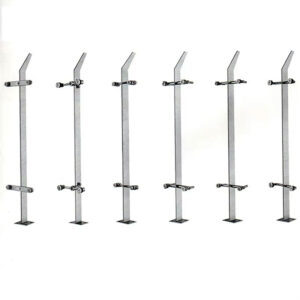
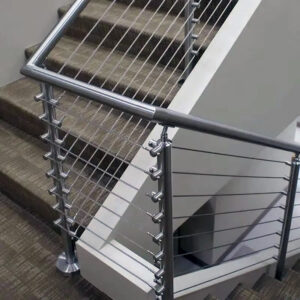
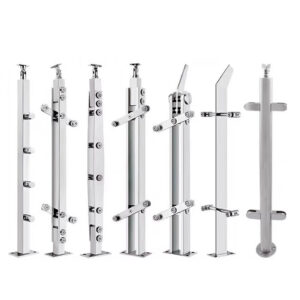
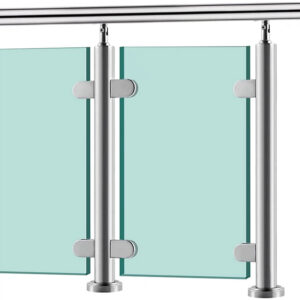
Post-mounted systems, with vertical stainless steel posts at regular intervals, offer a structured, modern appearance. They are generally the most cost-effective option due to standardized components, simpler fabrication, and more straightforward installation. The modular nature allows for easier field adjustments and repairs. According to research from major glazing contractors, this system provides the best balance of cost, durability, and design flexibility for most commercial office applications.
Channel (Shoe-based) Systems
Channel systems secure the glass into a continuous base channel (shoe), offering clean, continuous horizontal lines. They often provide a competitive price point while delivering a sleek look. The channel can be top-only or top-and-bottom, with the latter offering increased rigidity. The following table compares the key characteristics of these three primary system types to aid in the selection process.
| System Type | Aesthetic | Relative Cost & Key Detail |
|---|---|---|
| Frameless (Stand-off) | Minimalist, “floating” | Highest cost, thicker glass |
| Post-Mounted | Standard, structured | Cost-effective, simpler install |
| Channel (Shoe-based) | Clean continuous lines | Competitive price |
Source: Technical documentation and industry specifications.
Which Glass Type Is Best for Your Commercial Project?
Safety and Code as the Baseline
Glass selection is first dictated by safety codes and location. Tempered glass, heat-treated for strength, is a cost-effective standard for many interior applications. However, for overhead glazing, railings in fall-risk areas, or specific seismic zones, building codes are non-negotiable. They often mandate laminated glass—two or more panes bonded with a polyvinyl butyral (PVB) interlayer. Laminated glass provides superior impact resistance and, crucially, will remain in the frame if broken, preventing falls. Compliance with standards like ASTM C1172 Standard Specification for Laminated Architectural Flat Glass ensures the material meets these critical performance requirements.
Aesthetic and Performance Considerations
Beyond safety, glass type influences aesthetics and building performance. Low-iron “ultra-clear” glass minimizes the green tint inherent in standard clear glass, providing superior visual clarity for premium applications. Tinted or fritted (ceramic-patterned) glass can aid in solar heat gain control and reduce glare. The choice directly impacts long-term value; laminated glass, while a higher upfront investment, enhances durability and safety, contributing to a lower total cost of ownership by minimizing future repair or replacement risks.
Making the Strategic Choice
The decision framework should weigh location, code, design intent, and budget. The table below outlines the primary options and their value implications.
| Glass Type | Primary Use & Characteristic | Long-Term Value Impact |
|---|---|---|
| Tempered | Cost-effective standard interior | Good strength, lower upfront |
| Laminated | Code-mandated safety areas | Higher upfront, superior safety |
| Low-Iron (“Ultra-clear”) | Aesthetic, minimal green tint | Enhanced visual clarity |
Source: ASTM C1172 Standard Specification for Laminated Architectural Flat Glass. This standard specifies the performance and safety requirements for laminated glass, a critical and code-driven cost factor in railing systems.
Navigating Code Compliance: IBC and ADA Requirements
Structural and Safety Mandates (IBC)
Adherence to the International Building Code (IBC) establishes the non-negotiable minimum investment threshold for any railing system. IBC Chapter 10 dictates critical parameters that directly influence design and cost: a minimum 42-inch guardrail height, a 200-pound concentrated load capacity applied at any point, and specific safety glazing standards in hazardous locations. These requirements eliminate low-cost, non-compliant options and dictate material thickness and connection design. Engineering calculations and shop drawings must verify compliance, adding to pre-construction costs but preventing catastrophic liability and retrofit expenses.
Accessibility Standards (ADA)
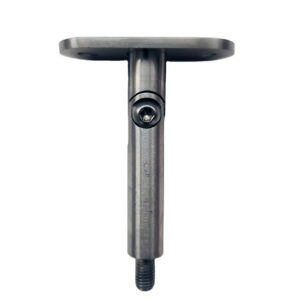
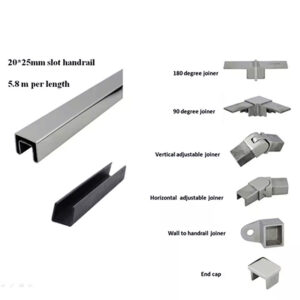
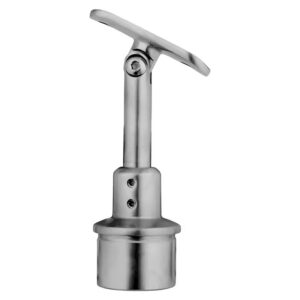
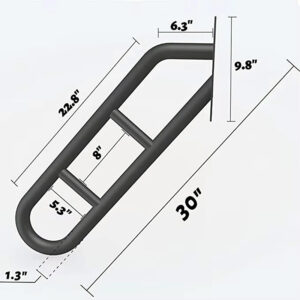
The Americans with Disabilities Act (ADA) Standards for Accessible Design govern handrail specifications for stairs and ramps. Key requirements include a graspable profile with a diameter between 1.25-2 inches, continuity along the entire run, specific clearances from the wall, and specific extensions at the top and bottom of runs. Integrating these features seamlessly into a sleek glass railing design often requires custom-fabricated handrail attachments, impacting both aesthetics and cost. Overlooking ADA compliance is a common and expensive mistake leading to post-construction modifications.
Geographic and Local Amendments
Budgeting must account for geographic cost variance driven by local code amendments. Stringent regional codes, such as California’s seismic provisions or Florida’s high-velocity hurricane zones, can significantly impact engineering requirements, material specs, and connection details. These local amendments often mandate more robust systems than the base IBC, increasing material and engineering costs. Early engagement with the local building department and a supplier experienced in these regions is crucial for accurate budgeting.
The following table summarizes the core code requirements that form the baseline for any commercial project.
| Requirement | Code Standard | Key Parameter |
|---|---|---|
| Guardrail Height | IBC | Minimum 42 inches |
| Load Capacity | IBC | 200-pound concentrated load |
| Handrail Dimensions | ADA | 1.25-2 inch grip diameter |
Source: Technical documentation and industry specifications.
Note: Authoritative URLs for IBC Chapter 10 and ADA Section 505 were not available in the provided sources.
Installation Factors That Impact Your Final Project Cost
Substrate and Site Conditions
The mounting substrate is a primary installation variable. Core-drilling into concrete slabs requires different labor, hardware, and dust mitigation than welding to steel framing or attaching to pre-cast edges. Existing site conditions, such as slab edge tolerances or the presence of embedded plates, can create unforeseen challenges and change orders. Furthermore, installations in occupied buildings complicate logistics, potentially requiring work to be done after hours or with extensive site protection, directly increasing labor costs.
The Premium for Stairs and Curves
Staircases represent the most complex and costly installation scenario. Each angled or winder tread requires custom-cut glass, precise layout, and often more complex structural support. This complexity increases fabrication time, material waste, and on-site labor hours exponentially compared to a straight linear run. Curved glass or curved railing runs amplify these costs further. Value engineering often involves simplifying stair rail designs or using standard angles where possible.
The Value of Prefabrication and Support
Selecting a manufacturer that provides comprehensive design support, detailed shop drawings, and prefabricated components can mitigate installation risk and control costs. Pre-drilled posts, pre-cut glass, and clear assembly instructions reduce on-site measurement errors, fabrication delays, and labor time. This turnkey approach transfers coordination risk from the general contractor to the specialized supplier, providing predictable scheduling and often a lower final installed cost despite a potentially higher material bid. For complex projects, exploring engineered railing system solutions from manufacturers with in-house engineering teams is a prudent strategy.
Long-Term Value: Durability and Maintenance Considerations
Material Resilience Defines Lifecycle
The long-term value proposition is rooted in material science. Stainless steel, particularly Grade 316 with its added molybdenum content, offers exceptional corrosion resistance, ensuring decades of service without rust or degradation in harsh or coastal environments. This durability, governed by material standards like ASTM A480/A480M, reduces lifecycle costs compared to coated metals that require frequent refinishing. The inherent strength of tempered or laminated glass further ensures the system maintains its integrity and appearance with minimal upkeep.
Operational and Sustainability Benefits
Maintenance is straightforward: periodic cleaning with mild, non-abrasive cleaners and soft cloths. This low-maintenance profile leads to significantly lower operational budgets over the asset’s life. From a sustainability perspective, stainless steel is 100% recyclable at end-of-life, and its longevity reduces resource consumption. These attributes contribute to green building certifications like LEED, enhancing the building’s marketability to environmentally conscious tenants and investors.
Conducting a Total Cost of Ownership Analysis
A prudent financial analysis looks beyond the initial bid. A Total Cost of Ownership (TCO) model should factor in initial cost, projected maintenance costs over 20+ years, expected repair or replacement cycles, and potential end-of-life salvage value. The table below outlines key durability factors that feed into a robust TCO analysis.
| Material/Consideration | Performance Characteristic | Operational Impact |
|---|---|---|
| Grade 316 Stainless Steel | Exceptional corrosion resistance | Decades without degradation |
| System Maintenance | Periodic cleaning only | Lower operational budget |
| Material Sustainability | 100% recyclable | Supports LEED certification |
Source: ASTM A480/A480M Standard Specification for General Requirements for Flat-Rolled Stainless and Heat-Resisting Steel Plate, Sheet, and Strip. Compliance with this specification ensures the material quality and corrosion resistance that underpins the long-term durability and low maintenance claims.
Making the Final Decision: A Selection Framework for Owners
Establish the Non-Negotiable Foundation
Begin by locking down all code and ADA requirements. This forms the immutable foundation of your specification and eliminates options that could lead to failed inspections or liability. Engage with your architect, engineer, and potential suppliers early to ensure the base design meets IBC, local amendments, and accessibility standards. This step creates a compliant cost baseline from which all value engineering proceeds.
Analyze Costs Through a TCO Lens
Shift the conversation from “lowest bid” to “best value.” Conduct a formal Total Cost of Ownership analysis that weighs higher upfront material costs (e.g., 316 stainless over 304, laminated over tempered glass) against long-term maintenance, durability, and replacement savings. This analysis often reveals that a marginally higher initial investment yields substantial net savings over the building’s lifecycle, improving the project’s true ROI.
Value-Engineer the Design and Select the Partner
With a compliant, value-focused baseline, value-engineer the design. Prioritize standard system modules and limit custom elements to critical aesthetic features. Finally, rigorously evaluate manufacturer and installer capabilities. Favor partners with turnkey services—in-house engineering, detailed shop drawings, prefabrication, and proven installation methodologies. This structured approach balances immediate budget constraints, long-term value, compliance assurance, and final asset quality.
The final cost is a composite of deliberate choices. The following table summarizes the primary variables that must be quantified during the budgeting phase.
| Cost Driver | Impact on Total Cost | Key Detail |
|---|---|---|
| Stainless Steel Grade | 15-30% variance | 316 vs 304 grade |
| Glass Type | 20-40% glass cost increase | Laminated over tempered |
| Custom Fabrication | Primary multiplier | Intricate designs |
| Installation Complexity | 30-50% of total cost | Mounting substrate, stairs |
Source: ASTM A480/A480M Standard Specification for General Requirements for Flat-Rolled Stainless and Heat-Resisting Steel Plate, Sheet, and Strip. This standard defines the material requirements for stainless steel grades (e.g., 304, 316) used in railings, which is a primary cost and performance variable.
Prioritize compliance and lifecycle value over initial price. Use a TCO model to justify material upgrades that reduce long-term operational costs. Finally, select a supplier whose capabilities—from engineering to prefabrication—reduce installation risk and ensure the finished product delivers on its aesthetic and performance promise.
Need professional guidance to navigate these decisions for your next commercial project? The team at Esang specializes in engineered railing solutions that balance code compliance, design intent, and financial performance. For a detailed consultation on your specific requirements, you can also Contact Us.
Frequently Asked Questions
Q: What are the primary factors driving the total installed cost of a commercial glass railing system?
A: The final cost is determined by material specifications, system customization, and installation complexity. Material choices like Grade 316 stainless steel or laminated glass increase initial cost but enhance durability. Crucially, installation labor and site conditions, such as stair configurations or difficult mounting substrates, can account for 30-50% of the total expense. For projects where budget is a primary constraint, you should prioritize value engineering on the installation strategy and limit custom fabrication to control costs.
Q: How does the choice between 304 and 316 stainless steel impact long-term value for exterior railings?
A: Grade 316 stainless steel offers superior corrosion resistance, especially in coastal or high-humidity environments, compared to the more common Grade 304. This material quality, governed by standards like ASTM A480/A480M, ensures decades of service with minimal degradation. This means facilities in demanding environments should prioritize the higher upfront investment in Grade 316 to avoid costly maintenance, refinishing, or premature replacement, achieving a lower total cost of ownership.
Q: When is laminated glass a mandatory versus optional choice for commercial railings?
A: Laminated safety glass is often a non-negotiable code requirement for overhead glazing or safety-critical areas like exterior balconies. Its construction, specified in [ASTM C1172](https://laserfiche.rexbur g.org/WebLink/DocView.aspx?id=642221&dbid=0&repo=Rexburg), provides superior impact resistance and safety if broken. While it adds 20-40% to the glass cost versus tempered glass, it is a critical investment for compliance and risk mitigation. If your project includes any railing where fall protection is paramount, you must budget for laminated glass from the outset to avoid redesign and retrofit penalties.
Q: How do ADA requirements influence the design and cost of glass railing handrails?
A: The ADA mandates specific, grip-able handrail dimensions (1.25 to 2 inches in diameter) and requires continuity on stairs and ramps. These rules dictate the design of any attached handrail component, eliminating minimalist designs that fail to meet the graspability standard. This means your design process must integrate compliant handrail details early, as retrofitting a non-compliant system later involves significant rework and cost.
Q: What is the strategic advantage of selecting a manufacturer with turnkey services?
A: Manufacturers offering comprehensive design support, CAD modeling, and prefabricated component kits significantly reduce on-site installation risk and schedule delays. Their high level of integration minimizes coordination errors for the general contractor and ensures parts fit correctly the first time. For projects with complex geometries or tight timelines, you should evaluate vendor capabilities on these services, as they provide value that often outweighs a marginally lower material bid from a basic supplier.
Q: How should a building owner conduct a true cost analysis for a glass railing system?
A: Move beyond initial bid price to a Total Cost of Ownership (TCO) analysis. This weighs higher upfront costs for premium materials against long-term savings from minimal maintenance, exceptional durability, and reduced replacement cycles. It also factors in operational benefits like enhanced tenant attraction. This means you should reject the lowest bid if it compromises material quality, as it will likely lead to higher lifecycle costs from upkeep and earlier failure.
Q: What design strategy balances aesthetic goals with budget control on a large project?
A: Value-engineer the design by prioritizing standard system modules and prefabricated components. Limit fully custom elements—like unique glass shapes or special finishes—to signature architectural features only. Leveraging standard posts or channel systems for most runs can contain costs while achieving a clean, professional look. For projects where budget is tight but aesthetics are still important, you should use custom designs sparingly as strategic accents rather than the default specification.