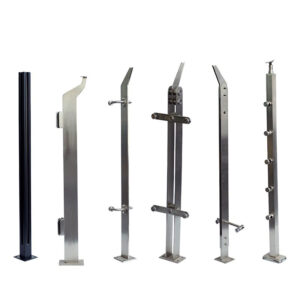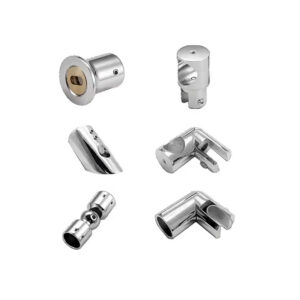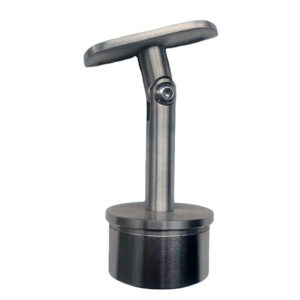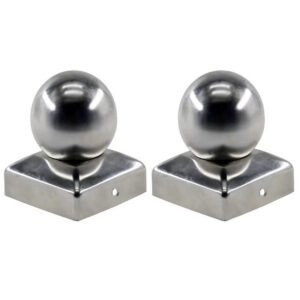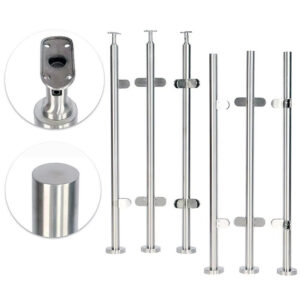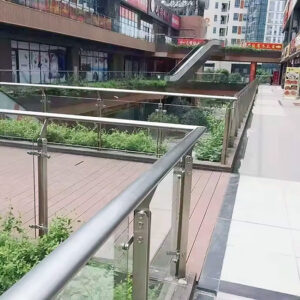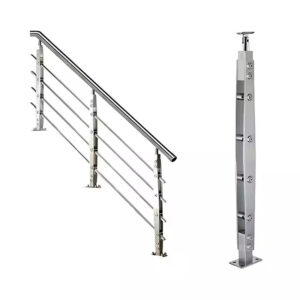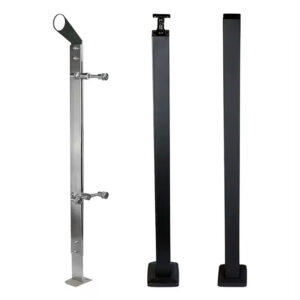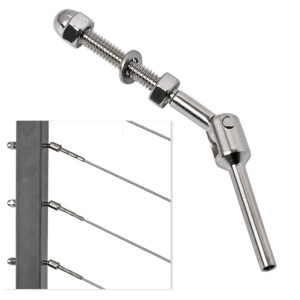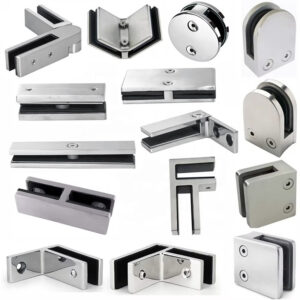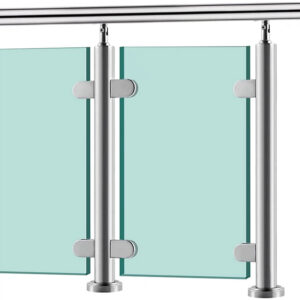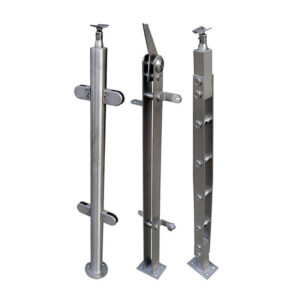
Specifying the correct stainless steel grade for handrail systems is a critical engineering decision that directly impacts structural longevity, safety, and lifecycle cost. The common misconception is that 304 stainless is universally sufficient, leading to premature corrosion failures in chloride-rich environments. This specification error results in costly replacements and safety risks.
The distinction between 304 and 316 stainless is not a minor detail but a fundamental material science choice dictated by environmental chemistry. With increasing use of de-icing salts and the persistent threat of coastal atmospheres, a precise, risk-based decision matrix is essential for engineers and specifiers to ensure durable, code-compliant installations.
The Core Difference: 304 vs 316 Stainless Steel
Chemical Composition and Corrosion Mechanism
The fundamental performance gap stems from alloy chemistry. While both are austenitic stainless steels, AISI 316 contains 2-3% molybdenum. This addition dramatically enhances the alloy’s ability to resist pitting and crevice corrosion, the primary failure modes in chloride-laden environments. The molybdenum fortifies the passive chromium oxide layer, making it more resistant to breakdown by aggressive chloride ions. For handrail systems, this technical difference translates directly to the preservation of structural integrity at critical points like welds and connections.
Practical Implications for Specification
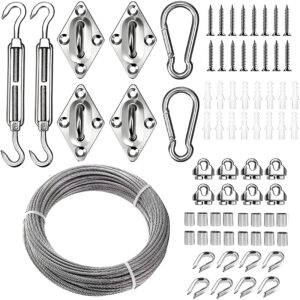
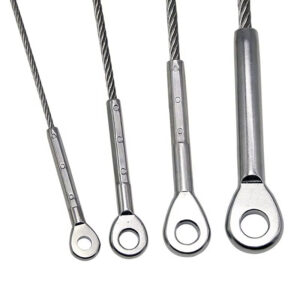
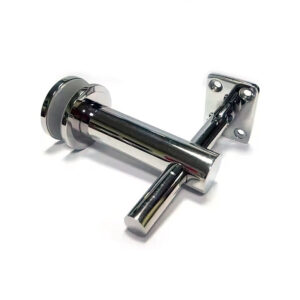
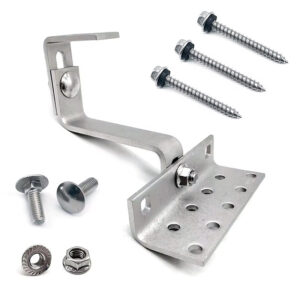
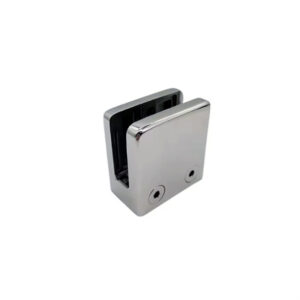
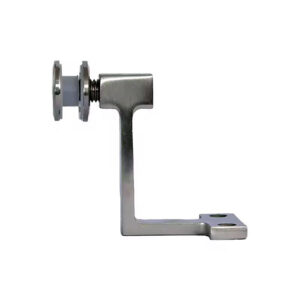
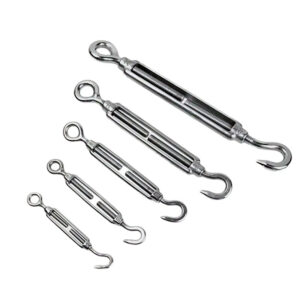
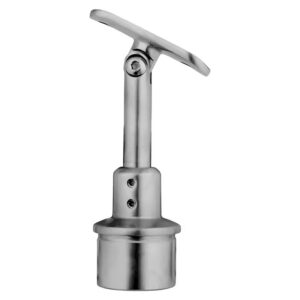
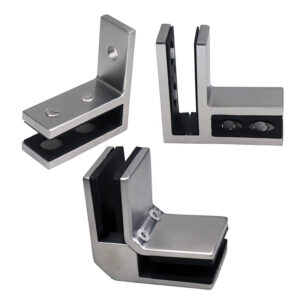
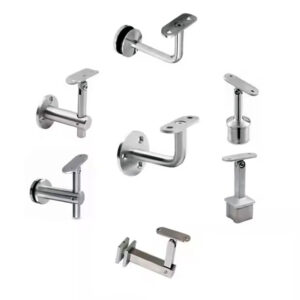
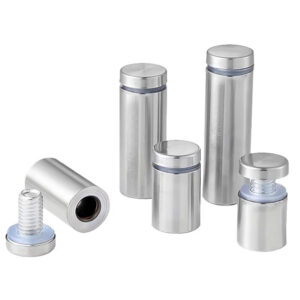
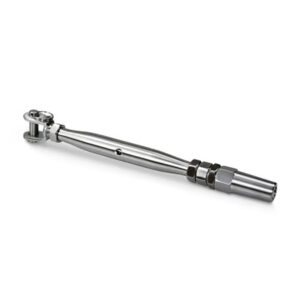
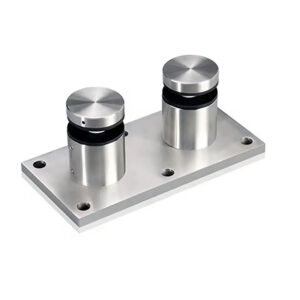
This distinction is validated by the entire supply chain. Component manufacturers explicitly market 316 for corrosive environments, providing empirical validation that reduces specification risk. When you specify 316, you are not just selecting a tube grade; you are committing to a system-wide material tier that includes every fitting, clamp, and fastener. A common, costly mistake is value-engineering a 316 rail system with 304 brackets, which creates a galvanic corrosion risk and visual mismatch.
Cost Analysis: 304 vs 316 Stainless Steel Handrails
Understanding the Initial Premium
The cost analysis must be systemic. The premium for 316 stainless steel applies to the entire bill of materials, locking the project into a higher-cost tier for primary tubes and every ancillary component. This systemic cost multiplier must be accounted for during initial budgeting. Sourcing a full 316 BOM requires suppliers with deep, specialized inventory, as not all general distributors can support it, which can affect procurement timelines.
Total Cost of Ownership (TCO) Perspective
A piecemeal view of material cost is misleading. The true evaluation is total cost of ownership. The following table breaks down the key financial factors beyond the initial invoice.
| Cost Factor | 304 Grade | 316 Grade |
|---|---|---|
| Initial Material Cost | Lower cost | Significant premium |
| Bill of Materials | Standard components | System-wide premium tier |
| Supply Chain | General suppliers | Specialized inventory required |
| Lifecycle Cost (TCO) | Higher replacement frequency | Lower long-term ownership cost |
Source: Technical documentation and industry specifications.
While the upfront investment is higher, 316’s superior durability reduces replacement frequency and associated labor costs over decades. In our project reviews, we consistently find that the lifecycle savings in high-exposure applications justify the initial premium, conserving client resources long-term.
Performance Compared: Corrosion Resistance in Key Environments
The Chloride Exposure Variable
Performance is dictated by environmental chemistry, not geography alone. In low or intermittent chloride environments like dry interiors, 304 performs adequately. However, its passive layer is vulnerable where chlorides concentrate and moisture is present. In contrast, 316’s molybdenum-enhanced layer resists these aggressive ions. Engineers must conduct a micro-environmental analysis, as inland areas using road salts can be as corrosive as coastal zones.
A Data-Driven Selection Guide
The selection process requires matching material capability to environmental severity. The matrix below provides a clear, actionable framework for this critical decision.
| Environment Type | Chloride Exposure | Recommended Grade |
|---|---|---|
| Dry Interiors / Inland Urban | Low / Intermittent | 304 (Adequate) |
| Coastal Atmosphere (<1 mile) | Persistent, high | 316 (Essential) |
| Direct Saltwater Spray/Splash | Constant, aggressive | 316 (Mandatory) |
| Roadways with De-icing Salts | High concentration | 316 (Mandatory) |
| Contaminated / Uncertain | Variable / Unknown | 316 (Risk Mitigation) |
Source: Technical documentation and industry specifications.
This framework underscores that chloride exposure is the critical variable. For projects with any uncertainty about future environmental conditions or maintenance regimens, specifying 316 provides a necessary safety margin against unpredictable corrosion.
Which Grade Is Better for Coastal & Marine Applications?
The Industry Standard for a Reason
For coastal and marine applications, 316 marine-grade stainless steel is the technically justified and industry-standard specification. Environments within approximately one mile of the shore present a constant, high chloride load from salt spray and atmosphere. These conditions aggressively attack the passive layer, making 316’s molybdenum content non-negotiable for preventing pervasive pitting, particularly at welds and connections where crevice corrosion initiates.
Beyond Basic Material Selection
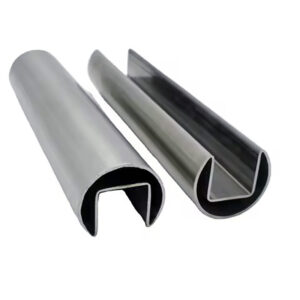
Specifying 316 in these zones is a foundational risk-mitigation strategy. However, material alone is insufficient. Success depends on complementary specifications outlined in standards like ASTM A554 Standard Specification for Welded Stainless Steel Mechanical Tubing, which governs the tubing used for rails and posts. Furthermore, fabrication must prevent sensitization at welds, and design must avoid traps where salt and moisture can concentrate, ensuring the material’s inherent resistance is fully realized.
Selecting Handrails for De-Icing Salt & Roadway Exposure
An Inland Corrosion Challenge
Roadway environments subject to de-icing salts create a chloride exposure profile comparable to coastal zones. For bridges, highway overpasses, parking garages, and adjacent infrastructure, 316 stainless steel is mandatory. Airborne salts deposit and concentrate on surfaces, especially in crevices. This decision matrix must explicitly extend beyond coastal geography to include these potent inland chloride sources.
Ensuring Long-Term Structural Safety
The specification provides the necessary safety margin against localized corrosion failure, which can compromise rail connections and structural integrity. For infrastructure projects where future salt use is planned or environmental conditions are uncertain, opting for 316 is the prudent, long-term asset management choice. It maximizes durability and minimizes disruptive, costly maintenance interventions on critical public safety structures.
Beyond Material: Design, Fabrication & Finish Specifications
Holistic System Design
Material selection is only the first step. System performance depends on complementary design and fabrication specs. Design must mandate sealed end caps, slopes on horizontal surfaces, and profiles that allow free drainage and avoid contaminant traps. Fabrication must follow procedures that maintain corrosion resistance, particularly around welds.
The Importance of Finish and Consistency
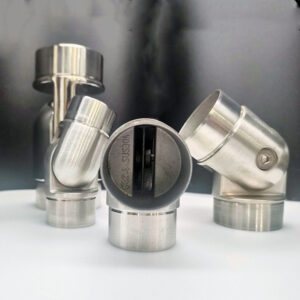
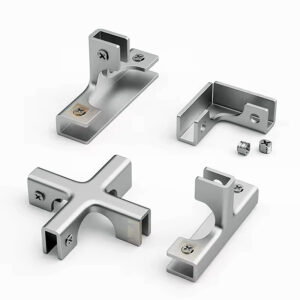
Aesthetic consistency and corrosion integrity require specifying all components—from rails to concealed brackets—from the same 316 material and finish. Substituting lower-grade fittings risks galvanic corrosion and visual mismatch. Successful execution demands specialized support; leveraging suppliers who provide technical guidance is crucial to avoid costly installation errors with complex modular handrail systems.
Lifecycle Cost & Long-Term Maintenance Considerations
Evaluating Total Cost of Ownership
A true financial analysis evaluates TCO. While 316 has a higher initial cost, its superior corrosion resistance directly reduces replacement frequency. It also offers a tangible sustainability value proposition, being 100% recyclable and supporting green building goals through extended service life. The operational and maintenance profiles of the two grades differ significantly, impacting long-term budgets.
Maintenance Regimens Compared
The maintenance strategy is integral to lifecycle costing. The table below contrasts key long-term considerations.
| Consideration | 304 Stainless Steel | 316 Marine-Grade Stainless |
|---|---|---|
| Replacement Frequency | Higher potential | Reduced frequency |
| Maintenance Cleaning | Standard regimen | Periodic chloride removal |
| Chemical Treatments | May require passivation | No toxic cleaners needed |
| Sustainability Value | 100% recyclable | 100% recyclable + durability |
| Operational Impact | Higher long-term cost | Lower total cost of ownership |
Source: ASTM A967 Standard Specification for Chemical Passivation Treatments for Stainless Steel Parts. This standard defines passivation procedures critical for maintaining corrosion resistance, a key factor in the long-term maintenance strategy and lifecycle cost for both 304 and 316 grades.
316 requires periodic cleaning to remove chloride deposits but typically does not need the aggressive chemical passivation treatments that may be required for 304 after fabrication or damage. This defines a lower-impact, safer, and often less expensive operational regimen.
Final Decision Matrix: How to Specify the Right Grade
A Risk-Based Framework
The specification decision culminates in a practical, risk-based matrix. This tool aligns material capability with environmental severity to ensure safety, durability, and optimized lifecycle cost. It provides a clear exit criteria for the specification process, moving from analysis to action.
Implementing the Specification
The final step is applying the framework. The matrix below synthesizes the analysis into a direct specification guide.
| Exposure Level | Key Examples | Specification Decision |
|---|---|---|
| High & Persistent | Direct saltwater, heavy de-icing | 316 is mandatory |
| Moderate & Frequent | Coastal air, occasional salts | 316 for safety margin |
| Low or Intermittent | Inland, dry interiors | 304 is cost-effective |
| Contaminated / Uncertain | Variable industrial, unknown future use | 316 mitigates risk |
Source: ASTM A554 Standard Specification for Welded Stainless Steel Mechanical Tubing and ASTM A276 Standard Specification for Stainless Steel Bars and Shapes. These material standards define the technical requirements for the tubular and solid components used in handrail systems, providing the foundational specifications for implementing the grade decision.
Strategically, this decision locks in a system-wide material tier. It requires sourcing from specialized suppliers capable of providing a complete, compliant bill of materials. The goal is to eliminate guesswork and provide a durable, code-compliant installation.
The core decision hinges on a precise assessment of chloride exposure, not just location. For high and persistent exposure, 316 is non-negotiable. For moderate or uncertain environments, it provides the essential safety margin to protect your investment. This choice dictates the entire supply chain, requiring engagement with specialized partners for a successful outcome.
Need professional guidance specifying corrosion-resistant handrail systems for your next project? The experts at Esang provide technical specification support and supply engineered solutions tailored to challenging environments. Review detailed specifications and project support options to ensure your next installation meets the highest standards for durability and safety.
Frequently Asked Questions
Q: What is the primary technical reason to specify 316 over 304 stainless steel for handrails?
A: The key reason is the addition of 2-3% molybdenum in the 316 alloy, which significantly strengthens the material’s passive oxide layer against chloride-induced pitting and crevice corrosion. This chemical difference, defined in standards like ASTM A276, directly preserves structural and aesthetic integrity in aggressive environments. This means facilities facing persistent chloride exposure from sources like seawater or road salts must prioritize 316 to mitigate long-term corrosion risk.
Q: How should we budget for a 316 stainless steel handrail system versus a 304 system?
A: Budgeting must account for a systemic cost multiplier, not just a material premium. Specifying 316 locks the entire bill of materials—tubes, fittings, clamps, and end caps—into a higher-cost tier, requiring procurement from specialized suppliers with deep inventory. For projects where ASTM A554 compliant 316 tubing is mandatory, expect to allocate a larger upfront budget to secure a complete, compatible system and avoid future component mismatch.
Q: Is 316 stainless steel necessary for inland structures not near the coast?
A: Yes, 316 is often mandatory for inland structures exposed to de-icing salts, such as bridges, highway overpasses, and adjacent infrastructure. Airborne salts concentrate on surfaces and create a chloride exposure profile comparable to coastal zones, attacking vulnerable areas like welds. This means your environmental analysis must identify all chloride sources, not just geography. If your project site uses or will use road salts, plan to specify 316 to ensure a necessary safety margin against localized failure.
Q: What complementary specifications are critical after selecting 316 material?
A: Material choice alone is insufficient; design and fabrication specifications are critical for performance. Mandate designs that prevent water traps, use sealed end caps, and ensure free drainage. Specify that all components, including fittings, are of the same 316 grade and finish to prevent galvanic corrosion. This requires leveraging suppliers who provide technical guidance on complex modular systems. For projects in marine zones, also consider specifying ASTM A967 passivation treatments to enhance the protective oxide layer.
Q: How does the lifecycle cost of 316 compare to 304 for handrail systems?
A: While 316 has a higher initial cost, its superior corrosion resistance typically results in a lower total cost of ownership by reducing replacement frequency and maintenance intensity. It supports sustainability goals as a fully recyclable material and requires only periodic cleaning with non-toxic agents to remove chloride deposits. This means for high-chloride environments, the upfront investment in 316 conserves long-term operational budgets and resources, aligning durability with economic and environmental objectives.
Q: What is a practical decision matrix for selecting between 304 and 316 handrails?
A: Use a risk-based matrix keyed to chloride exposure severity. Specify 316 as mandatory for high/persistent exposure (direct saltwater, heavy de-icing). Choose 316 for a necessary safety margin in moderate/frequent conditions (coastal atmosphere, occasional salts). 304 is cost-effective for low/intermittent exposure (dry interiors, inland areas). For contaminated or uncertain environments, 316 mitigates risk. This decision locks in a system-wide material tier, so you must align your specification with a thorough site-specific environmental analysis.